I’m Still Me, I’m Just Under Construction
I’m Building the New Me
“I honestly don’t know. Because on one hand stopping contact is never easy. But on the other hand continuing contact is so incredibly mentally exhausting for me because it’s such a cycle and it’s not manageable.”
I read her message three times before it really sank in:
“I honestly don’t know. Because on one hand stopping contact is never easy. But on the other hand continuing contact is so incredibly mentally exhausting for me because it’s such a cycle and it’s not manageable.”
Those words hit like a slow-motion car crash I couldn’t look away from. Not because they were cruel—they weren’t—but because I recognized the cycle she was describing. I helped create it. And right now, in the middle of my own TBI recovery, I’m finally learning years later why it kept happening even though there was nothing I could have done better then, and maybe still can’t now.
A traumatic brain injury doesn’t just scramble your memory or your balance. It rewires the way you feel, speak, and connect. As I learn more about these injuries I believe my frontal lobe took the hardest hit. The part that used to filter impulses, read social cues, and regulate emotions? Suddenly it was offline. What used to be a smooth conversation became a minefield of misfires: oversharing, under-reacting, emotional whiplash, forgetting what I said five minutes ago. I would reach out when I felt the weight of her abandonment of our friendship, be unable to contribute to help her when the overstimulation got too loud, then reach out again because the silence felt like drowning.
She felt every loop.
Recovery isn’t linear. Some days I can hold a normal conversation. Other days my brain fog is so thick I sound like a stranger in my own texts. I’ve cried in the middle of grocery stores because a simple “how are you” to her felt like a test I was failing. Was that so much to ask her? I’ve sent paragraphs and then deleted them before she could see, terrified I was being “too much” when they were all sincere desires to know her again for the first time in years. That’s the ugly secret of TBI: you become exhausting to the people you love most, and you know it. But often you don’t even know it. Yet when you do, it’s too late and out of your hands to not be exhausting to them. But stopping contact altogether feels like amputating the only proof that you’re still here. Getting rid of the only hope you had of having a real human connection together again.
So I started doing the hardest thing I’ve ever done: learning to communicate again from scratch.
I went back to basics like I was five years old.
Speech therapy exercises from Youtube in the mirror.
Writing down what I actually wanted to say before I hit send.
Practicing pauses instead of filling every silence.
Asking for clarification instead of pretending I understood.
Trying to be the best communicator I can with my wife and kids each day and documenting when I mess up to learn from and grow.
It’s humbling. Some weeks I feel like I’m getting somewhere. Other weeks I’m the guy who used to write poetry even and now needs a script just to say “I care about you” without spiraling into oversharing.
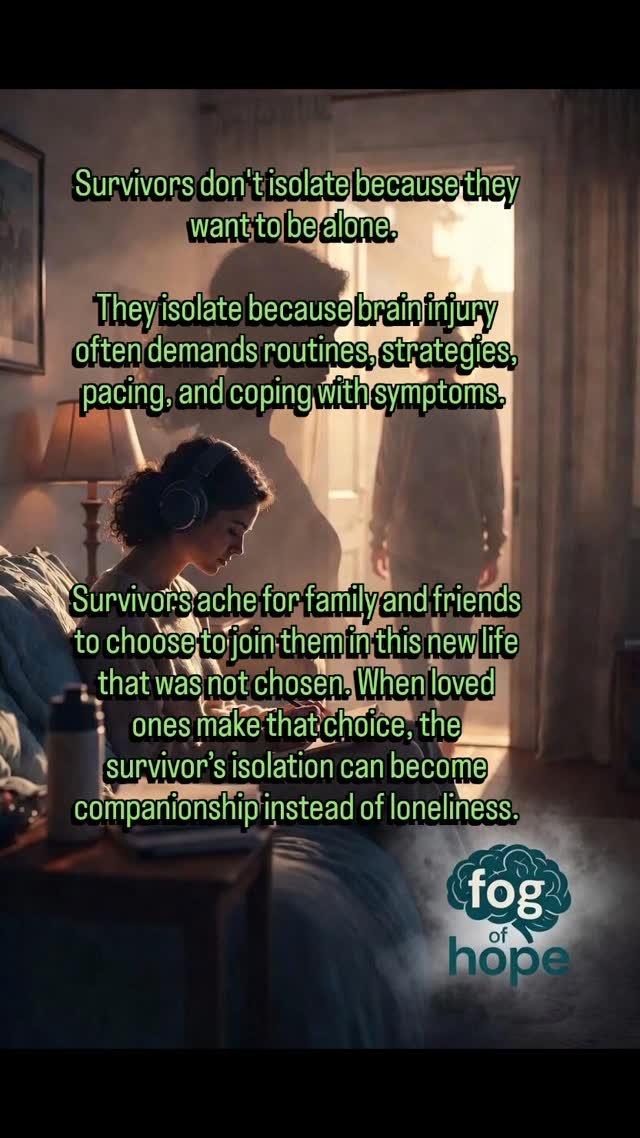
But here’s what no one tells you about TBI recovery: the loneliest part isn’t the physical symptoms. It’s watching the people you love protect their peace by stepping back… and knowing they’re sometimes right to do it. You want to scream, “I’m still me! I’m just under construction!” But sometimes people never actually loved you for who you were regardless of your imperfection. They don’t want the under construction. They only want the finished product. In fairness, it takes the joy of a toddler to be excited driving slowly through a construction zone seeing all the heavy machinery. For everyone else, the construction signs bring anxiety, fear, annoyance, and disdain. It's hard to be going slow in a construction zone, especially when there's an option for a detour avoiding it altogether. No wonder TBI patients under construction in recovery seldom find others willing to walk the journey with them and have so many people leave. It is hard to lose those people from your life that you loved. But they don’t want you, so its better for you in the end that they left I guess. I’m still working to accept that and figure out how to build within this construction zone. Instead of inviting them back to be the friend they don’t want to be, you type the polite version and hit send, then sit in the quiet wondering if anyone will ever have the patience to stay while you rebuild.
“I’m still me! I’m just under construction!”
That’s when the cry for friendship gets loudest. I’m still me, but I’m also someone new, and I’m figuring out what this new construction final product will look like.
For me, I am blessed to have a wife that has not just stayed, but loved deeply through the hardest moments. She’s joined in the construction zone and we've been learning how to have fun in the slow lane. I am blessed with kids that have been more resilient than the many other adults that used to be in my life and that display more empathy for others suffering than I have ever witnessed in a child before. If you don’t have a parent, spouse, or other close caregiver willing or able to walk with you - there is a specific support group called Found Connection at Hope Survives for you.
The cry for friendship isn’t unique. It is a cry for someone who can hold space for the version of me that still glitches. Someone who doesn’t need me to be “fixed” before they’ll text back. Someone who understands that my “cycle” isn’t manipulation—it’s a brain that literally forgot how to regulate attachment for a while. Someone that used to be there in my life and now isn’t, to be there again.
I’m learning that real friendship in recovery looks different. It looks like:
“I’m having a hard day - I hope yours is going well”
Grace when I forget to reply for days or reply too often. Interrupt impulsively, or shrink back from the overwhelming noise.
Forgiveness for when I’m drowning in the silence.
Presence. Virtually or physically, intentionally.
A desire to know and be known, freely. To love and be loved.
And on my side: radical honesty instead of performative “I’m fine.”
I’m also learning that sometimes the kindest thing you can do for someone you love is exactly what she described—take the space they need, even when it hurts like hell and when they’re in the wrong. Because love during TBI recovery isn’t about forcing the old rhythm back. It’s about creating a new one that doesn’t leave either person bleeding. Hopefully someday she’ll actually want something new with us.
So if you’re in the middle of this too—whether you’re the one recovering or the one exhausted on the other end—hear this:
You are not “too much.” Validate the exhaustion on both sides. It’s okay to admit the cycle hurts.
Start with radical, low-pressure honesty - “I can’t talk today but I will tomorrow and I look forward to it”
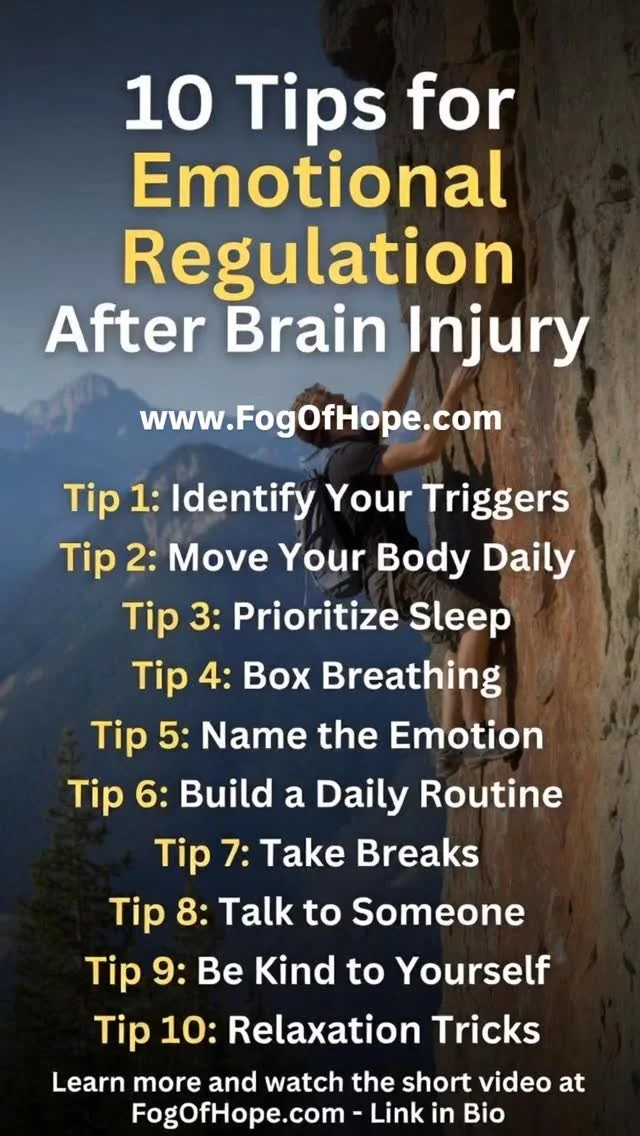
Relearn communication like it’s a skill, because it is. Journaling, ask for clarification, repeat back what you understand, practice Speech therapy, rebuild turn-taking, reading and understanding tone.
Your brain is healing, not broken forever. Acknowledge the small victories in recovery and celebrate tiny reconnections. A simple, “thanks for checking in” because checking in actually happened. Over time these short statements can build trust for a friendship to evolve.
And the friendships worth keeping are the ones that can survive the construction zone. They may look “different” than before the injury. Planned low-stimulation hangouts, grace for delayed replies or oversharing or too much contact, one on one instead of groups.
People know when they matter to you and when they don’t. With or without a brain injury. You can't control if you matter to them but you can make sure they have no reason to misunderstand that they matter to you.
I still don’t know how this particular story ends. She needs space. I’m giving it. I have given it for many months over these past years. But I’m also quietly building a new way to show up—slower, clearer, kinder to both of us. And I’m reaching out to the friends in the support groups I have met who are willing to walk with me while I figure it out, even when I forget who they are.
If you’re reading this and you’re in the cycle, or fresh out of it, or still scared to ask for the kind of friendship your healing actually needs… I see you. You’re not alone in the quiet of this fog. We’re all just learning how to speak again. We’re stuck in this paradox because we have the demand placed upon us that we need to get better in order to have this friendship, but we also can’t get better without the friendships that are needed beyond our immediate caregivers. We’re learning to speak.
And one day, the words will come easier. The connections will feel lighter. The love won’t have to be so exhausting.
Until then, I’m here—glitchy brain and all—crying out for the same thing she probably is, and the same thing you might be:
Real friendship that can hold the mess while we heal. We all need it. Even those without a brain injury know what it is like to be broken and need that friend to hold together while healing. Maybe someday she’ll see it.
I’ll be over here practicing how to meet others there someday—healthier, steadier, and finally able to stay, even if I’m still under construction. I’m a new person, but not there yet, and I’m still me - just under construction.
The truth is - she's under construction too. Sometimes it's easier to blame someone else's construction for your problems rather than accept someone truly wants to be entering into the mess of your construction zone and would be able to. Maybe someday she'll see that she was never alone even in the distance she wanted. Maybe someday she'll see the heavy duty construction equipment in my construction zone could actually help her construction zone too and vice versa. We could have been building something new together, and still can. That's the hope anyway for all of us finding ourselves in the construction zone - ideally the construction zone will end soon and we'll be back at highway speeds. But if not, hopefully some others won't mind slowing down to be with us through the process.
With love from the construction zone,
Someone still learning how to talk to the people who matter most. (But isn’t that true of all of us?)