

The TBI Lesson in “I am Legend”
The last blog talked about my experience feeling like being perceived as a Zombie.
It reminded me of another Zombie story in my life. A couple of years before I got hurt, we had a time where we had my youngest sister over to our house. We were browsing for a movie to watch with her and came across “I am Legend”. I hadn’t seen it since it had come out in 2007 but remembered it was a good action movie, captivating, and I had enjoyed it back then. But I couldn’t recall much more about it. Well, as we got into it, it was clearly a “Zombie” movie. Not like a regular Zombie movie, but still not necessarily the right movie to pick for her. We should have done a Rom-Com or something for my wife and her more I guess retrospectively. But unlike a stereotypical “Zombie” movie - this one is different, and I would now argue actually eerily similar to my TBI journey in some ways.
Lessons from 'I Am Legend' on Misunderstanding TBI Patients
In the eerie silence of a post-apocalyptic world, Will Smith's character in I Am Legend wanders the empty streets of New York City, haunted by creatures that were once human but now seem monstrous. These "Darkseekers," as they're called in the film, are victims of a virus that has stripped them of their humanity, trapping them in a state of rage and isolation. But what if I told you this sci-fi thriller can at times hold a mirror to the real-life experiences of those living with with a brain injury? Just like the “infected” Darkseekers in the movie, TBI patients often feel trapped by their symptoms, misunderstood by society, and desperately in need of a "cure" – or at least better understanding and support. In this blog post, I'll explore the movie's themes and draw some parallels to the often-invisible struggles of TBI survivors.
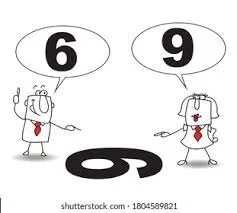
Whose Lens Are You Looking Through?
I recently attended a life-changing educational opportunity with thirteen other incredible professionals. After six months of coursework together, we met for a two-week capstone course on leadership.
On the first day together, we encountered an activity as a group together surrounding the importance of checking our perspectives, our lenses, that we are looking through. Depending on the color of lenses, different numbers on a page of paper were visible to different people. The reality didn’t change, but only with the correct lens color could all of the numbers be seen.