

The TBI Lesson in “I am Legend”
The last blog talked about my experience feeling like being perceived as a Zombie.
It reminded me of another Zombie story in my life. A couple of years before I got hurt, we had a time where we had my youngest sister over to our house. We were browsing for a movie to watch with her and came across “I am Legend”. I hadn’t seen it since it had come out in 2007 but remembered it was a good action movie, captivating, and I had enjoyed it back then. But I couldn’t recall much more about it. Well, as we got into it, it was clearly a “Zombie” movie. Not like a regular Zombie movie, but still not necessarily the right movie to pick for her. We should have done a Rom-Com or something for my wife and her more I guess retrospectively. But unlike a stereotypical “Zombie” movie - this one is different, and I would now argue actually eerily similar to my TBI journey in some ways.
Lessons from 'I Am Legend' on Misunderstanding TBI Patients
In the eerie silence of a post-apocalyptic world, Will Smith's character in I Am Legend wanders the empty streets of New York City, haunted by creatures that were once human but now seem monstrous. These "Darkseekers," as they're called in the film, are victims of a virus that has stripped them of their humanity, trapping them in a state of rage and isolation. But what if I told you this sci-fi thriller can at times hold a mirror to the real-life experiences of those living with with a brain injury? Just like the “infected” Darkseekers in the movie, TBI patients often feel trapped by their symptoms, misunderstood by society, and desperately in need of a "cure" – or at least better understanding and support. In this blog post, I'll explore the movie's themes and draw some parallels to the often-invisible struggles of TBI survivors.
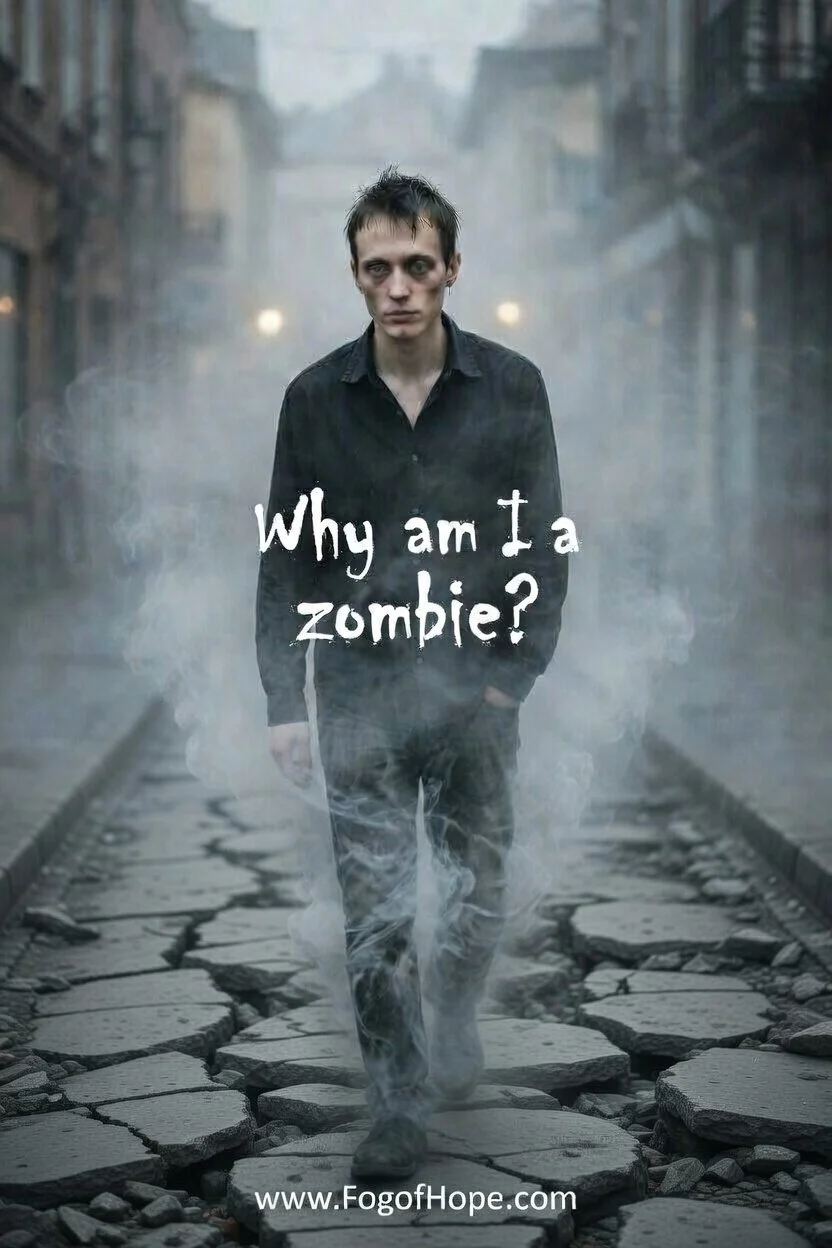
Why am I a Zombie?
I don’t remember much of the first couple of years from my injury. But I’m forever grateful that prior to my injury I had learned the skill of journaling from a leadership course I had attended for my job. This skillset would prove to be one among many TBI recovery skills that are often taught post-injury to Brain Injured patients that I had been blessed to develop ahead of time. These skills somehow miraculously assisted in being able to regain entry into my job after the initial months of recovery off even though barely functioning internally. I don’t have as many journal entries as I retrospectively wish I would have had from the first year, but from what I can gather as I reread these early ones, the bulk of my initial days were literally sleeping so not much to record anyway. 18+ hours on most days. Falling asleep in the middle of loud activity all around. My time awake was spent staring out the window, at nothing truly. Unable to focus. Every light too much. Each sound so painful. These spots in my vision distracting, draining, confusing. Unable to do much and with little company there often was not much to journal about beyond my kids and wife in the pieces I could gather and understand, but I also thought I “just” had a concussion and was just resting and getting better and then eventually “just” Post Concussive Syndrome and just need to keep resting and I’ll be better. I never knew what this was and would end up being.
Early on I could not watch anything. The TV made me sick physically. Each scene cut transition every 3 seconds was too quick to process, too overstimulating for me. In the first days, I recorded that my wife and I went to watch a movie and I had it turned off within five minutes unable to process even the sound with my eyes shut. Everything was too much. It hurt, made me nauseous, and was overwhelming in a way that is so difficult to describe.