A Wedding to ‘Remember’
It’s the morning after my sister’s wedding, and everyone around me is glowing. They’re laughing, sharing stories, replaying favorite moments from the night before. “Remember when…?” “Wasn’t that perfect?” The joy is palpable.
I smile and nod along. Inside, I feel hollow.
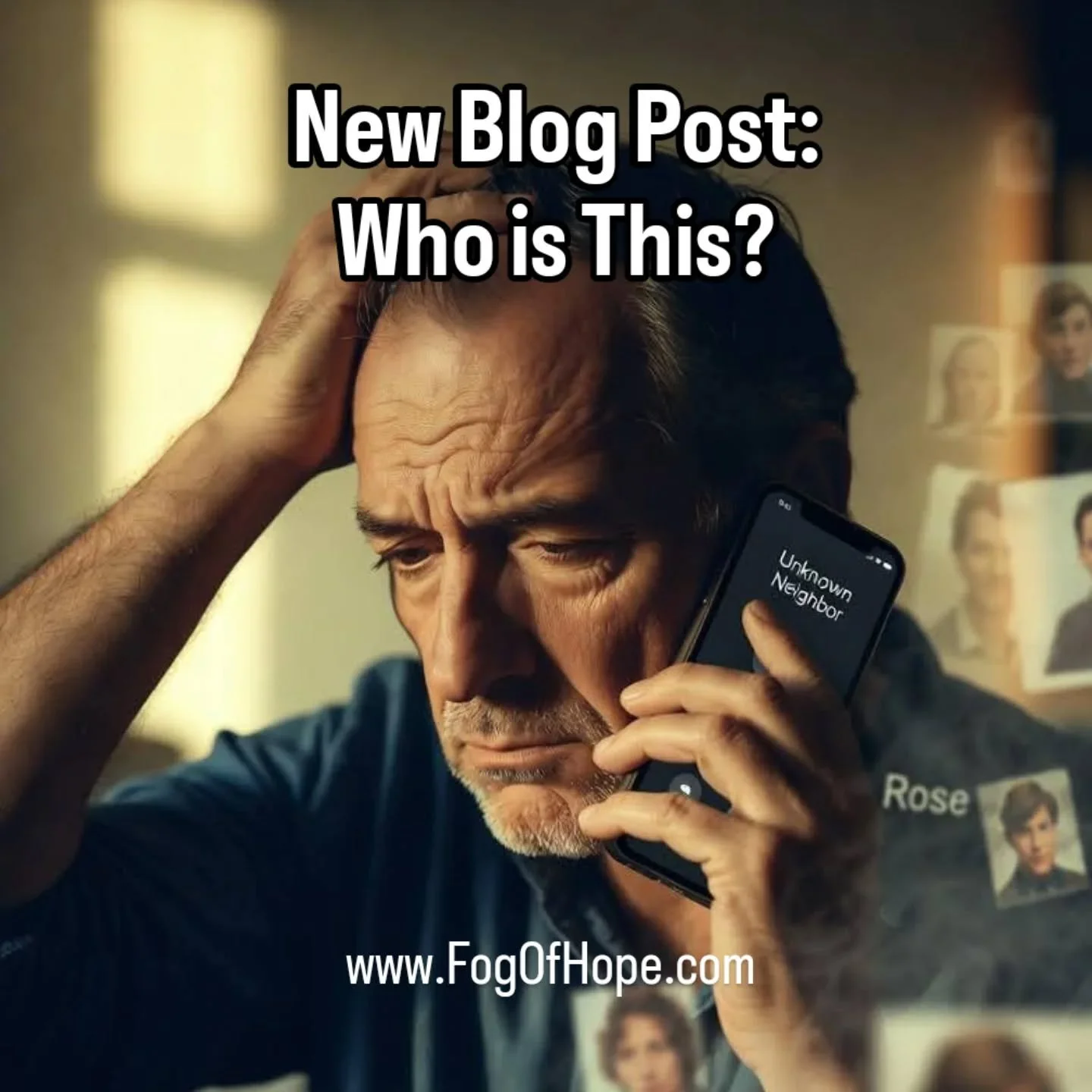
I was there. I showed up. I pushed through the noise, the lights, the overwhelm. I took notes on my phone. I wrote down details so I wouldn’t forget. But one day later, the actual experience — the real memories — is already fading. The ceremony, the reception, the heartfelt conversations… they’re fragmented at best. Some parts are simply gone.
This is one of the cruelest parts of my brain injury: the inconsistent, unreliable ability to form new memories. A day that was critically important to our family — a milestone we’ll talk about for years — is already slipping through my fingers. And no amount of notes can replace the lived experience everyone else carries so naturally.
The Shame and Isolation
I feel ashamed. Ashamed that I can’t fully participate in the reminiscing. Ashamed that I have to ask my wife for details I should remember myself. Ashamed that on such a beautiful, significant day, my brain failed me again.
This isn’t just forgetfulness. It’s a profound loss. For brain injury survivors, the inability to consistently form and retain new memories creates a deep, aching isolation. You’re physically present, but emotionally and experientially detached. You watch others bond over shared recollections while you grasp at fragments. It makes you feel like an outsider in your own family’s story.
The crushing weight of it is hard to describe. You grieve not just the lost memories, but the version of yourself that could have fully enjoyed and remembered such a precious moment. You wonder how many more important days will blur together. You worry about what it means for your relationships — especially with your wife and kids, who deserve a present husband and father.
Yesterday was my sister’s wedding. Today, I’m already mourning the version of the day I’ll never fully have.
But I’m still grateful I was there. I’m grateful for the notes. I’m grateful for my wife who helps fill in the gaps with patience and love. And I’m holding onto the truth that my love for my sister and our family doesn’t disappear just because the memories do.
If you’re a brain injury survivor struggling with memory, please know this: your presence still mattered. Your effort still counted. And you are not alone in this quiet grief.