BOGO Thursday Wings
It’s Thursday evening. I open my feed, and there it is — a bright, mouth-watering ad for Buffalo Wild Wings: Buy One, Get One Free wings.
Yum. I’m hungry. Yes, please.
Before my brain injury, I might have scrolled past or paused to consider whether we actually needed wings that night. Post-TBI? The impulse hits like a freight train. That looks good. That fills a need. I’ll take it. Order placed in under 60 seconds.
Welcome to one of the most common — and most frustrating — realities of life after traumatic brain injury: impulsivity.
Why Impulsivity Spikes After Brain Injury
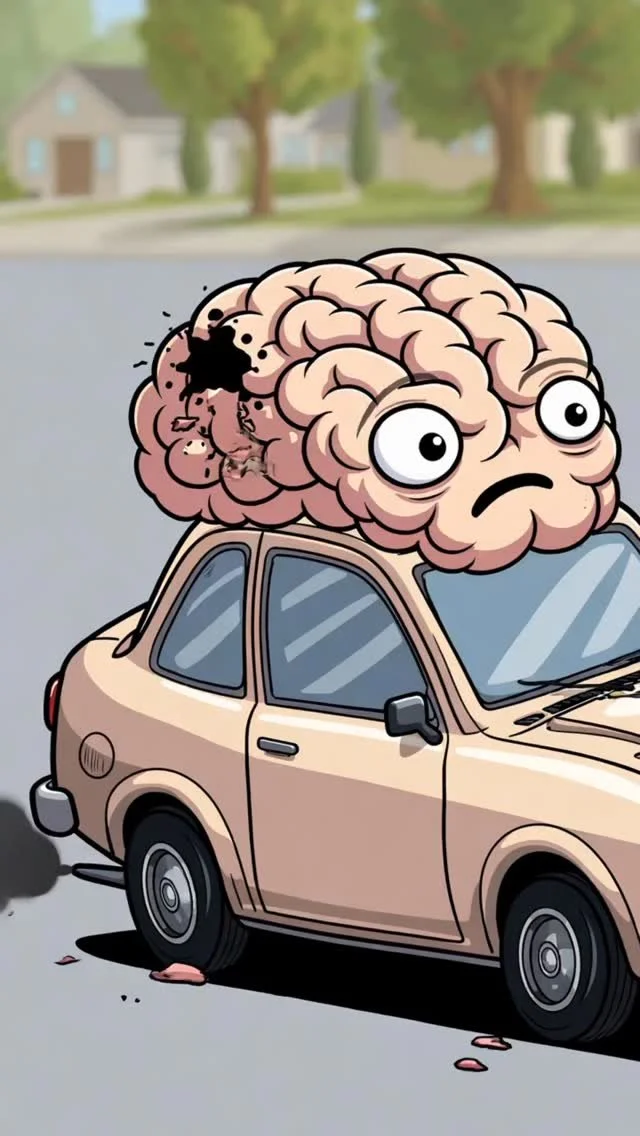
The frontal lobes, particularly the prefrontal cortex, act like the brain’s CEO. They handle planning, impulse control, weighing consequences, and decision-making. When a TBI damages or disrupts these areas, the CEO goes on an extended leave. The result? Thoughts and urges move straight from “idea” to “action” with very little middle management.
For me, this showed up strongly with advertising. Post-injury, I became unusually susceptible to targeted ads. A flashy image, a limited-time offer, or anything that promised to solve a current discomfort (hunger, boredom, the desire to feel generous) triggered an immediate “yes.” It wasn’t always about selfishness, the selfish impulse purchases were mostly the Buffalo Wild Wings. Nearly everything else, was for someone else - my wife, kids, the farm -and something I’d perceive as a benefit for them. In fact, my pre-injury personality before I got hurt was very generous. That generosity, mixed with post-TBI impulsivity, created its own problems.
I’d scroll past GoFundMe stories of other people with injuries, medical bills, or tragedies in support groups and pages and think, They need it more than I do. Then, without much reflection, I’d send money I probably shouldn’t have given away. The same impulse that said “yes” to BOGO wings also said “yes” to helping strangers — sometimes to the point of stretching our own finances thin. One of the hidden challenges of TBI recovery is that your core personality traits don’t disappear — they just get amplified or distorted. My desire to help others didn’t vanish; it became harder to regulate. I wanted to be the person who showed up for these other people, but without strong impulse control, generosity turned into over-giving to these strangers, and in retrospect, probably some scams too.
Progress Looks Like Small Victories
Eventually, it made it into my notes: I’m not allowed to buy anything without asking my wife first. That simple external brake has worked well overall. But today something even better happened.
When that Buffalo Wild Wings ad popped up again, I didn’t buy it — and I didn’t even need to ask my wife. In addition to the standing reminder to ask her first, I was also aware that I had just eaten. I didn’t actually need wings. For the first time in seemingly a while, my brain reached that conclusion all on its own.
These small wins matter. They show that recovery is happening, even if it’s slower and quieter than we’d like.
Practical Tips for Managing Impulsivity in Recovery
The good news? While impulsivity may always be a vulnerability after TBI, it can be managed as your brain continues to heal and as you build better systems. Here are strategies that have helped me:
Mute or Limit Ad Exposure I’ve become ruthless with ad blockers, “do not track” settings, and curating my feeds. The fewer impulse triggers I see, the better. Consider app limits on social media during vulnerable times (like evenings when fatigue makes regulation harder).
Externalize Your Brakes Use a trusted accountability partner — spouse, friend, or even an app — for bigger decisions. I run larger purchases or donations by my wife first. It’s not about losing independence; it’s about borrowing her intact frontal lobe for a moment.
Wait 24 Hours If the person from step 2 isn’t available, if it’s not perishable food or an immediate need, wait 24 hours before buying or giving. Most impulses cool off by then.
Pre-Decide Your Giving Budget Since generosity is still important to me, I set a monthly “help others” amount in advance. Once it’s spent, it’s spent. This honors my values without letting impulsivity run the show.
Body Check Before Clicking (HALT) Hunger, fatigue, pain, or emotional lows supercharge impulsivity. Pause and ask: Am I Hungry, Angry, Lonely, or Tired? If so — HALT. Now is not the time for big decisions.
Celebrate Small Wins and Track Patterns Keep a simple note on your phone: “Thursday BOGO wings impulse — waited until Friday and felt better.” Seeing progress builds confidence and helps you spot your personal triggers.
Professional Support Cognitive therapy, occupational therapy, and sometimes medication adjustments can target executive function. Don’t hesitate to bring impulsivity up specifically with your TBI care team.
You’re Still Becoming
Impulsivity after brain injury can feel discouraging, especially when it affects finances, relationships, or your sense of self-control. But it doesn’t erase who you are. The generous heart that wants to help others is still beautiful — it just needs better guardrails while your brain continues its remarkable work of rewiring.
If you’re reading this and recognizing yourself in the BOGO wings story or the GoFundMe impulse, you’re not alone and you’re not failing. Your brain took a hit, but it’s still capable of growth, adaptation, and wiser choices over time.
Thursday ads will keep coming. The key is building systems today so tomorrow’s “yes” decisions better reflect the person you want to be — generous, thoughtful, and steadily healing. You are not alone.