Her Love Stays
Today we celebrate 13 years of marriage.
Thirteen years ago we stood before God, family, friends, and community and promised to love each other in good times and in bad, in sickness and in health. We had no idea how literally those words would be tested.
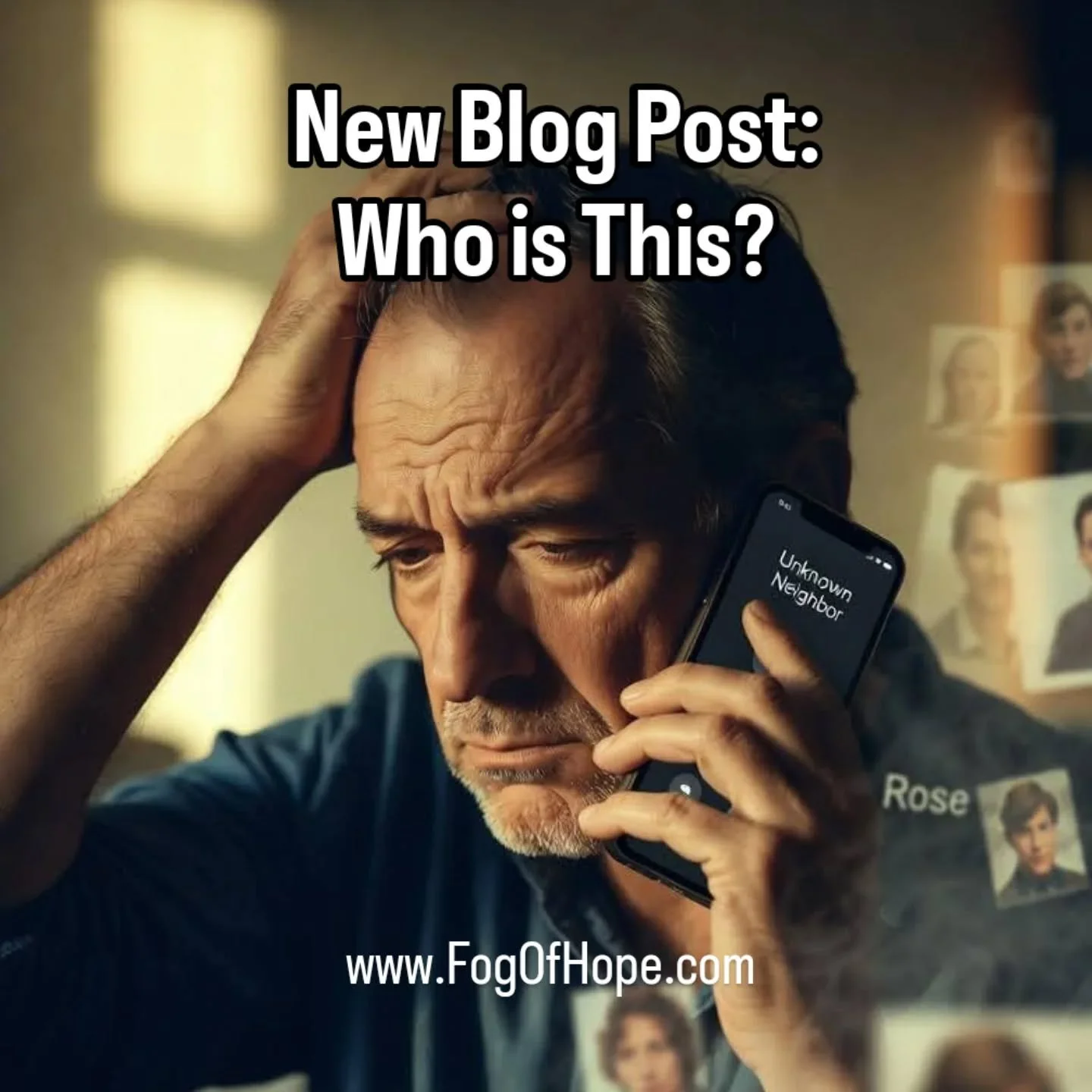
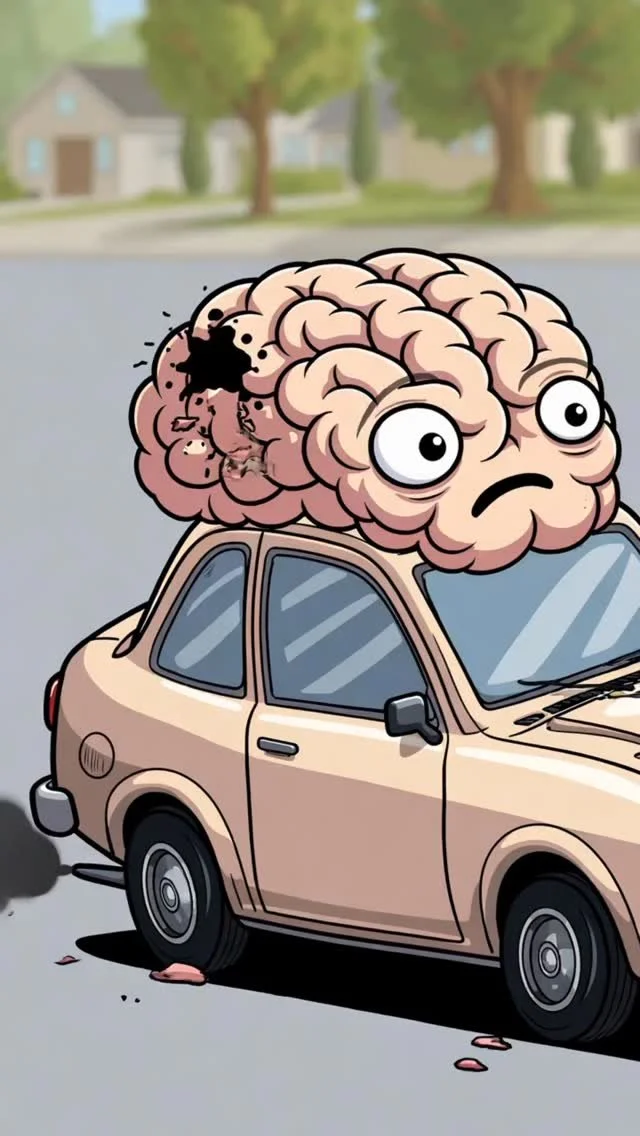
For the last three and a half years, we have lived inside the “in sickness” part of those vows in ways we never could have imagined. A brain injury doesn’t just change one person. It changes everything — the marriage, the family, the future you thought you were building. And yet here we are, still choosing each other while we finish projects, pack boxes and prepare to move and start our life over in ways we never planned.
Every box I go through for what to keep and what to get rid of feels heavier than it should. Not because of what’s inside, but because of what it represents. Our kids’ drawings. The photos from the early years. The little things we accumulated while we were still living the version of life we thought we would have. Each one is a quiet reminder of the life we have been blessed to build — not because I was strong, but because she was.
When I could no longer provide the way I once did, when my memory failed and my energy disappeared and my personality shifted in ways neither of us asked for, and all the people that were closest to us left, she stayed. She held our family together. She carried burdens that were never supposed to be hers alone. She fought for us on the days when leaving would have felt like the only reasonable option.
I know how common that feeling is.
Brain injury is one of the most relationship-destroying injuries a person can survive. Studies consistently show significantly higher rates of divorce and separation after traumatic brain injury than in the general population. Caregivers often find themselves grieving the person they married while still being asked to care for them. The financial strain, the personality changes, the loss of intimacy, the sheer exhaustion — it’s a storm that breaks many marriages. I don’t say that to judge anyone who has walked away after their spouse suffers from a brain injury. I say it because I understand how someone could reach that point. The weight is crushing. Many caregivers are quietly drowning while trying to keep everyone else afloat.
But divorce is not the answer.
It may feel like the only way to survive in the moment, and I have nothing but compassion for those who have made that choice. Yet I have come to believe that the real answer lies somewhere deeper — in the same place our marriage has tried to root itself for the last 13 years.
Our marriage has St. Maria Goretti as its patroness. We chose her years ago, before any of this happened. She was a young girl who was attacked and mortally wounded, and in her final hours she chose forgiveness instead of hatred. She chose purity of heart even when everything around her had been violently taken. In many ways, a brain injury feels like its own kind of attack on a marriage. It can wound the relationship in places you didn’t know could be hurt. It can make the person you love feel like a stranger. It can make the future feel stolen.
St. Maria Goretti’s witness has become more meaningful to me in this season than I ever expected. She shows us that love can still choose to stay even after violence has been done to it. Not a naive or weak staying, but a fierce, grace-filled choice to remain faithful to the vow even when the cost is high. She reminds us that purity in marriage isn’t just about physical fidelity — it’s also about keeping our hearts pure toward the person we promised to love, even when that person has changed in painful and permanent ways.
I am deeply grateful that my wife has fought for that kind of love.
She has stayed when many others in her position would have left. She has chosen, again and again, to see the man she married underneath the injury. She has carried us when I could not carry myself. And now, as we prepare to move and begin again in the near future, every step we take is a testament to her strength, her love, and her decision to keep our family whole.
So what is the answer when brain injury threatens to destroy a marriage?
I don’t pretend to have it all figured out. But from where I stand today, the answer seems to be this:
It is choosing — daily, imperfectly, sometimes with tears — to remember the vow you made before God. It is getting real help for both of you, support groups for caregivers who are burning out, so she doesn’t have to carry everything alone. It is building a community that understands traumatic brain injury instead of pretending everything is fine. It is allowing your faith to actually do something — to give meaning to the suffering instead of just asking God to remove it. It is looking at the person in front of you and deciding they are still worth fighting for, even if they are different now.
It is remembering that your marriage was never just about the two of you. It was always meant to be a sign of something greater.
Thirteen years ago we knew what we were promising, but we had no idea how this would take shape. We knew ‘sickness’ and pictured the fidelity through hospital stays, chronic illnesses, cancer, and the other things we had seen family and friends go through. Today I know more than I ever wanted to about how the vows apply to a brain injury. We never imagined this life. But we are still here together in it, making the most of the moments as we can. And I am still grateful — more grateful than words can hold — that she has stayed.
Happy anniversary to my love and my bride. Thank you for holding us together when I couldn’t. Thank you for choosing this hard, beautiful, grace-filled road with me. I’m excited for what lies ahead.