Rising Again
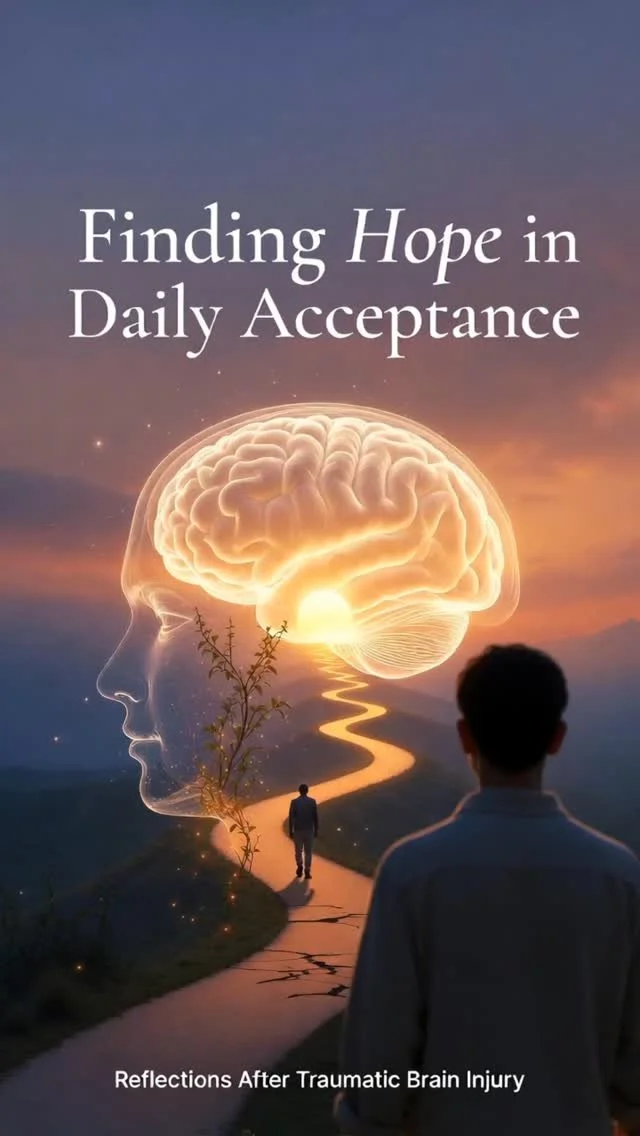
Accepting a New Life After Traumatic Brain Injury
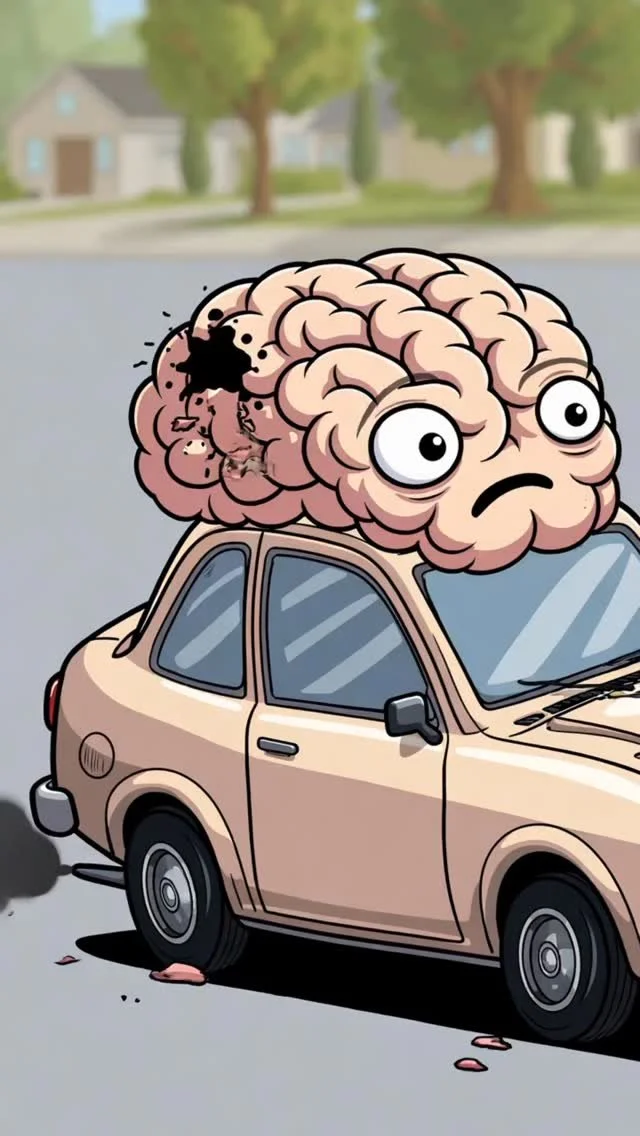
This Easter season, as we celebrate the Resurrection, I’ve been reflecting on what it really means to be made new. For those of us living with a traumatic brain injury (TBI), the idea of “new life” isn’t just a beautiful metaphor—it’s our daily reality. And it rarely feels beautiful. But getting here to new life? It meant walking through a kind of death first.
When Jesus invited us to “die to self” so that we could truly live, I don’t think He is speaking in abstract theology, or in any way only to TBI survivors. He was describing a painful, necessary surrender. A surrender that all of us must choose. TBI Survivors just in a particular way come face to face with this reality of living a new life as a new person internally and externally, even as the old life may appear to be even similar at times from the outside looking in. The old version of me had to die so this new version could rise. And let me be honest: accepting that death has been one of the hardest parts of my recovery. I'm still learning what acceptance even means, and certainly not living out acceptance well.
Before my injury, I pictured a future filled with family. Close family with our siblings and extended family even. Friendly, meaningful talks, inside jokes, shared holidays, and the kind of closeness that feels unbreakable. We were going to grow old together, raising our kids side by side, leaning on each other through every season of life.
Brain injury changed that script. Conversations in large groups became exhausting. My slower processing, my need for quiet, my inability to keep up with the rapid-fire banter that once felt so natural—it all created distance. Some relationships that I assumed would survive anything quietly drifted. Others, like sisters that treated me crummy from the start of my injury, exploded and have never tried or looked back in the years since. I grieved those losses deeply. I still do on certain days. Ok, every day. But I’ve had to accept it: the old me who could show up effortlessly for family in the ways they needed? He’s gone. And that’s okay. I’m learning to love the new me who shows up differently—maybe with shorter visits, more text messages, or honest boundaries but an inability to do what I wish I could—and to release the guilt that comes with it. New life sometimes means loving people from a new distance, and trusting that God can still hold those relationships in ways I no longer can, because they've made choices I can't control or help them with anymore.
Some losses are more private. Cognitive abilities I once took for granted—quick thinking, multitasking, holding onto a train of thought—slipped away. I used to pride myself on being sharp, on getting the joke before anyone else, on firing back with a quip that made everyone laugh. Now? Jokes often land a beat too late. Sarcasm flies right over my head. I smile and nod while everyone else is cracking up, then feel the familiar sting of being on the outside of the moment. Of nearly every moment.
Memory loss is its own special kind of grief. Whole chunks of my past are simply gone for the last couple years. Stories I used to tell with confidence now come with disclaimers: “I think this happened, but I’m not sure.” Worse, I often refrain from even speaking about it out of not knowing what happened and fear of being wrong or repeating what has already been discussed before. Photos from my own life feel like they belong to someone else. Accepting that my brain no longer stores or retrieves information the way it used to has been humbling. It forced me to stop pretending I was still “the same person” and start introducing the new me to the world. I'm learning what that looks like.
Here’s where my Catholic faith has become my lifeline. Jesus didn’t say, “Try harder to be your old self.” He said, “Whoever loses his life for my sake will find it.” In the Garden of Gethsemane, He prayed for the cup to pass, but ultimately surrendered: “Not my will, but yours be done.” That same surrender has become my prayer on the hardest recovery days. It's not just about losing my life, but choosing to take this loss of my old life I didn't choose and lose it for His sake. Uniting the loss to Jesus and embracing this new life.
The old me died—not dramatically on a cross, but slowly through quiet moments of realizing I couldn’t go back and I’m not who I was before. And just like the Resurrection wasn’t a return to the way things were before Calvary, my new life isn’t about recovering the exact person I used to be. It’s about becoming someone entirely new, shaped by grace, resilience, and the gentle work of the Holy Spirit.
This new me may not catch every joke. He may need more rest and fewer plans. He may not remember stories from the last years or be the brother, husband, and father he once dreamed of being and thought he was doing so well at. But he is here. He is alive. And he is learning to love the man looking back at him in the mirror—the one who fights through brain fog, who celebrates tiny victories, who shows up even when it’s hard.
Living the New Life, One Day at a Time
If you’re a brain injury survivor reading this, I want you to hear this: your losses are real, and it’s okay to grieve them. But they don’t get the final word. The same power that raised Jesus from the dead is at work in you, creating something beautiful from what feels like wreckage.
Today, I’m choosing to live as the new me. Not perfectly, not without frustration, but with open hands. I’m learning my new strengths, my new limits, and my new quiet kind of joy in this daily pain and suffering. I’m finding new ways to connect with the family that still finds the new me worth remaining in their life, new tools for my brain, and new depth in my faith.
He is risen.
And because He is, so are we—new, different, and still deeply loved.
If you’re walking this road too, I’d love to hear your story. You’re not alone. We’re rising together, one surrendered day at a time.
With hope and Easter joy,
A TBI survivor learning to live the new life