
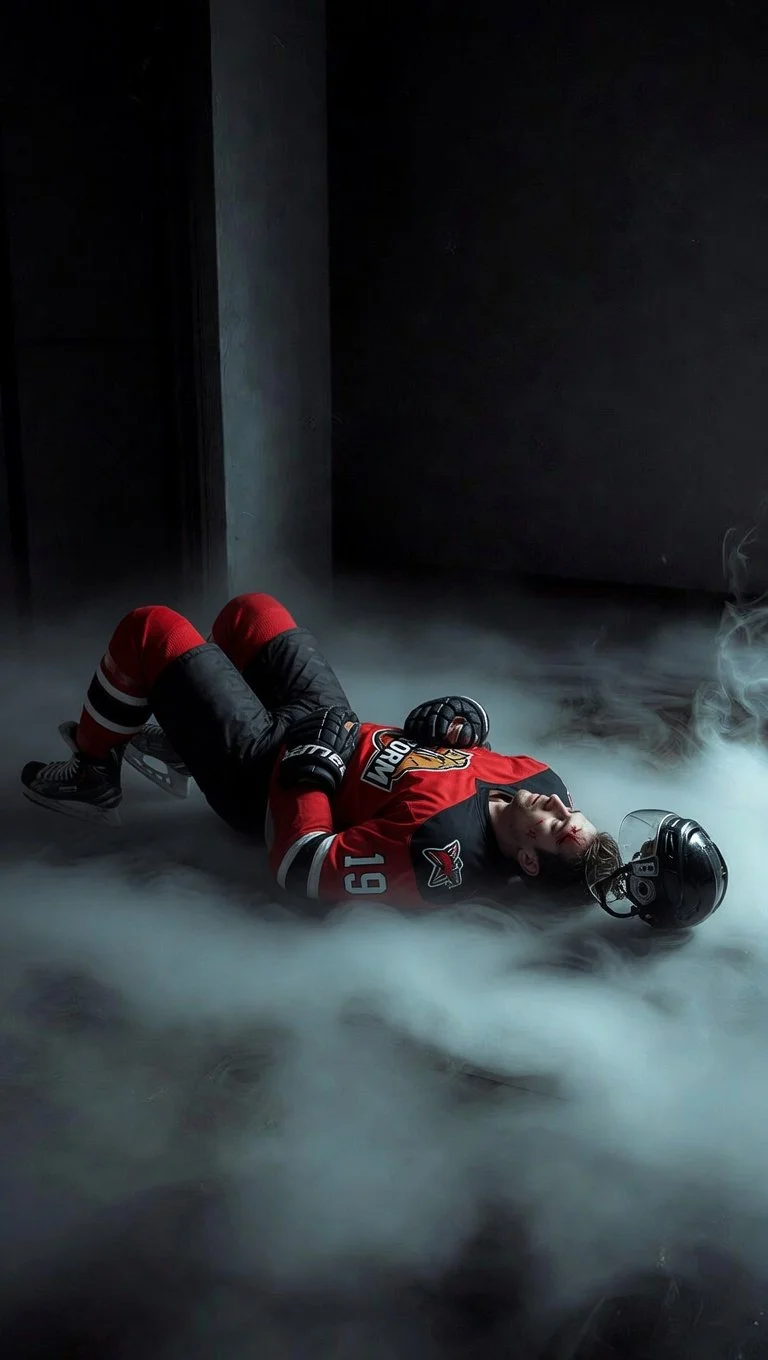
A Dark Room
Finding Light in the Dark Room: What the Documentary “A Dark Room” Revealed About My Own TBI Recovery
Three years after my traumatic brain injury, I watched the 2016 documentary A Dark Room and felt like someone had finally filmed the inside of my head.
The film follows Max Taylor, a promising young hockey player whose NHL dreams ended when he suffered concussions back-to-back. Afterward, Max spent months literally locked away in a dark room—curtains drawn, lights off, noise intolerable, head pounding, emotions spiraling. He felt isolated, angry at the system that failed him yet still in love with the sport that in some ways made him who he was, and at times was suicidal. The documentary doesn’t sugar-coat it: the “dark room” wasn’t just a recovery recommendation—it became a prison of sensory overload, identity loss, and slow, uncertain healing. Through interviews with other players, doctors, and families, the film exposes hockey’s tough-it-out culture while showing the very real, very human cost of repeated concussions.

I Don’t Need a Nap!
Hey friends,
I’ve been thinking more about this whole “recovery feels like being a toddler” thing, and there’s one part that keeps hitting me harder lately: emotions. Toddlers don’t just have feelings—they have huge, unstoppable, all-over-the-body feelings that come with zero filter and very few words to match. And honestly? That’s exactly where my brain is right now too.
Those Giant, Wordless Emotions
One minute everything’s okay, and the next a wave crashes in—frustration, sadness, being overwhelmed, or even sudden joy—and it’s so intense I can barely breathe through it. My chest tightens, my face gets hot, tears might show up uninvited, or I just feel like I need to move or hide or yell but nothing comes out right. It’s like my brain is back in toddler mode: the emotion center is fully online and screaming, but the “let’s put this into calm sentences” part is still napping in the corner.
I catch myself doing classic toddler things without meaning to: crossing my arms tight, huffing, pacing in little circles, or just staring at the floor because saying “I’m upset” feels impossible. Sometimes the only thing that escapes is a shaky “I don’t know” or “It’s too much.” And that’s okay. It really is. Just like a toddler isn’t “bad” for melting down—they’re just overloaded—I’m not “bad”, my brain is failing at processing when the feelings get too big. It’s still wiring itself back together.