Their Choice
There is grief that comes from wanting a real relationship with people who will tolerate you in their lives but will not choose closeness reciprocally. Not strangers. Not acquaintances. Family. People you once shared real history with, people who used to be close, people who, by their own words, simply decided that family does not matter to them the way friends do. And so they stopped. They chose not to want a close relationship anymore.
Yet they will bridge the gap with each other even though they are siblings too. They will make room for new friends. They will extend the kind of easy, willing closeness to many others that they withhold from you. That is the part that sits heaviest: the choice was available, and it was not made in your direction. Within the first week of college they can have multiple new best friends—so close that the next three years of living arrangements and schedules are immediately coordinated and committed to together. That kind of trust, closeness, and openness is something they choose to extend to these others, but not something they choose to offer you anymore.
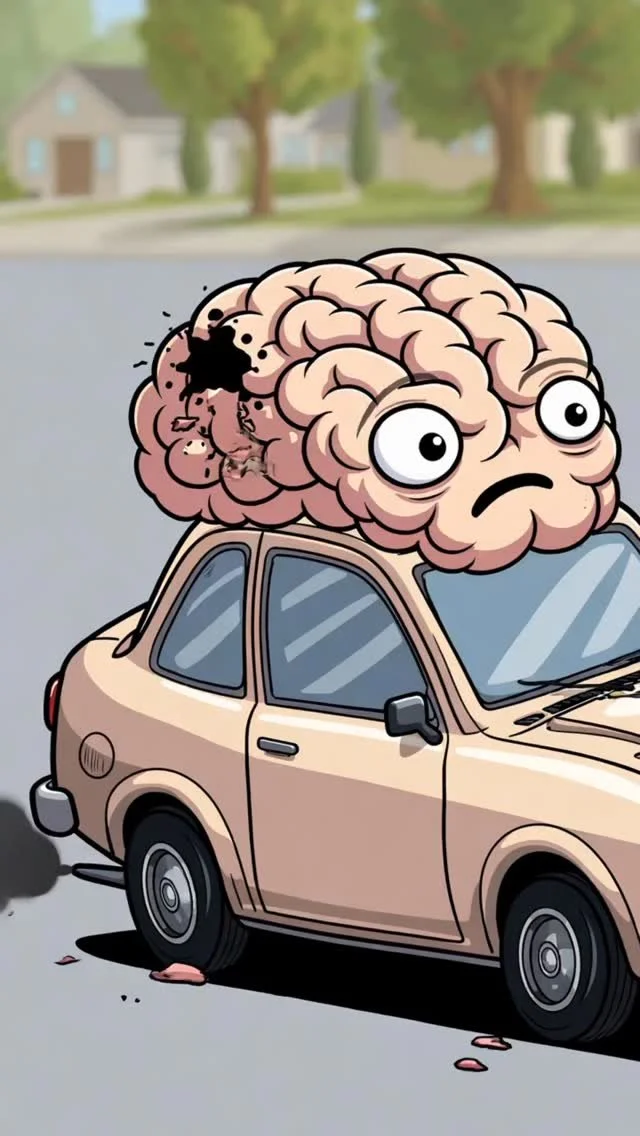
You did nothing wrong. They have said as much. There was nothing different you could have done. The decision to pull back was made before the brain injury, before the long recovery, before the months when you were not yourself and responded to their rejection in ways you later regretted. You apologized. They say they have forgiven. And still the distance remains, because the injury never caused the original choice. It only complicated the aftermath. Their decision that they no longer wanted a close relationship with you was solely theirs. It's why you held onto hope it would change because unlike everything else going wrong in your life after the brain injury - this problem wasn't from the injury. All these other problems from the injury can’t be hoped to be fixed until healing progresses. But this, this was a problem before I got hurt, a decision made by them. Because of that, it could be solved by their choice to want to be close again at any point they had wanted, even if symptoms got worse instead of better. But it isn't a choice they want to make with you, just with strangers now.
What is hard to accept is not merely the loss of closeness. It is the knowledge that you were the best brother you knew how to be, and that still was not enough to make the choice easy for them—the choice to keep you close, or the later choice to close the gap again. After more than a decade of shared life, after everything you did with them and for them, after they themselves admit you could not have done better and were the best brother they could ask for, after all of that — a random new classmate of theirs this fall will have a clearer path to the very kind of close relationship they still withhold from you.
That realization leaves only one conclusion. It does not matter what else you say or do. You have already said and done what there is to say and do. They know the history. They know the efforts. And the person you are is simply not, in their eyes, worth the kind of relationship they give so readily to others. Even being the best brother they could ask for does not make the choice to be close as siblings something they want. They reserve that kind of closeness for each other. “Family dinners” become gatherings of the two of them and their friends while they mock and reject choosing the real family closeness you used to have. The sibling bond that once included you is treated as optional—something they no longer choose to keep alive with you.
Acceptance here is not the same as approval. It is not pretending the choice was fair or kind or consistent with the language of family. Acceptance is the quieter recognition that their valuation of the relationship is not under your control, and that continuing to measure your worth by their willingness to be close will only keep the wound open—because closeness is not a goal of theirs. You cannot argue or convince someone into wanting you. You cannot perform your way into the place they have already decided not to offer.
The hardest part is living with the asymmetry: you still want the real thing, and they do not. That desire does not make you weak or needy. It makes you someone who valued the bond they never have. Their refusal to meet it, or to value what it was together, does not prove you were insufficient as a brother. It proves that, for them, the bond was optional and ultimately meaningless in a way it never was for you.
There is no neat resolution that restores what was when their present choice is still not to want it. There is only the slower work of releasing the expectation that more effort, more clarity, or more time will change the math. You have already offered what you had to offer. The rest is theirs to carry. And the person who remains—still willing to be close, still clear-eyed about what was given and what was withheld—is not the one who failed the relationship. Maybe someday they'll choose differently. But today, there's no hope visible on the horizon.