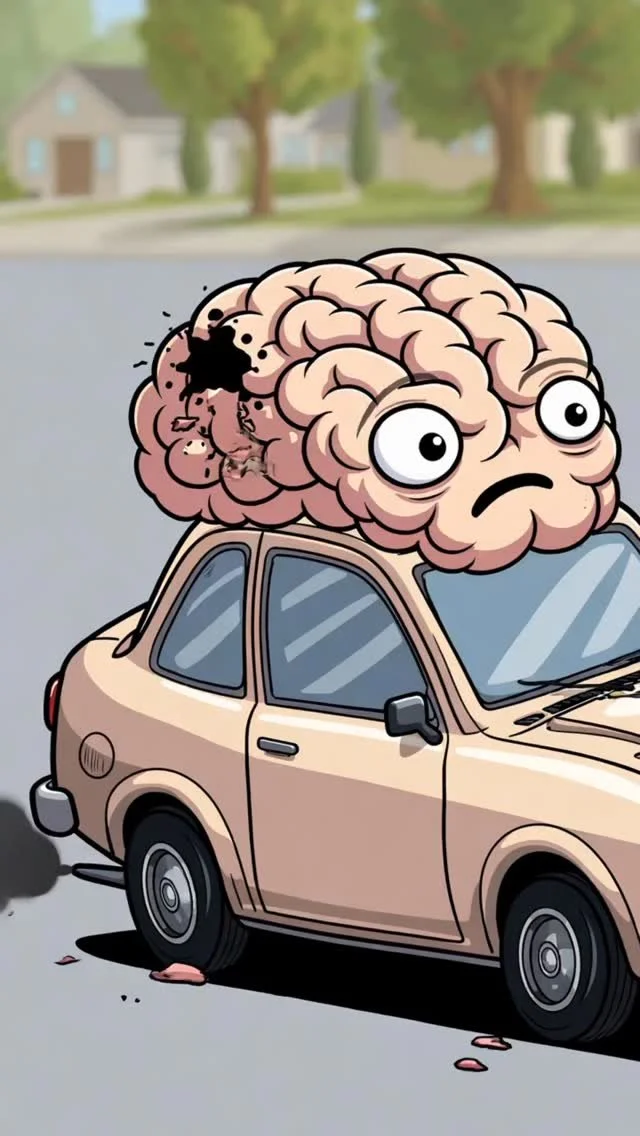
I had a headache today. Not the kind that knocks you out completely, but the kind that sits behind your eyes and makes everything feel slightly too loud. I was trying. I really was. I could feel myself getting short with my wife and kids, and I kept telling myself, Just control your tone. Don’t take it out on them. But the words still came out sharper than I meant them to. The sighs were heavier. The patience ran out faster than it should have.
By the time I caught myself, the damage was already done. My wife gave me that quiet look she gets when she’s deciding whether to say something or just absorb it. The kids went quiet in that way kids do when they sense the mood has shifted. And I hated myself for it.
What makes these moments so much harder isn’t just the headache. It’s everything else that’s been building underneath it.
It’s the plans that keep getting cancelled. It’s the group chats that go silent when I’m in them. The people who have actively told me to leave them alone. It’s realizing that people I used to talk to regularly have stopped reaching out entirely. And when those doors close, the circle gets smaller. Eventually, the only people left in that circle are the ones sitting across from you at the dinner table.
That’s the part that makes it so dangerous when I lose my temper at home.
Because when you’ve already been rejected by people you cared about, when invitations stopped coming and messages went unanswered, your wife and kids stop being just your family — they become the last remaining proof that you still matter to someone. So when you snap at them, it doesn’t feel like a normal bad moment. It feels like you’re failing at the only relationship you have left that still lets you in.
That pressure makes everything heavier. It makes it harder to reset.
People talk about emotional regulation like it’s just a matter of taking a deep breath and choosing better. And sometimes it is. But when you’re carrying the weight of multiple rejections, when you’re already grieving relationships that used to be important to you, that deep breath has to work against a lot more resistance. The headache doesn’t just hurt your head — it lowers the threshold for everything else you’ve been holding back. The frustration over being left out, the quiet shame of being cut off, the fear that maybe you’re the problem… it all finds an easier exit when you’re already depleted.
And once you’ve raised your voice or said something cold, the reset doesn’t come easily. Because now you’re not just managing a headache. You’re managing the guilt of having taken it out on the people who didn’t reject you. You’re trying to apologize while still feeling raw from everything else. You’re trying to be soft again when part of you is still braced for more disappointment.
It’s exhausting.
I want to be better at this. I want to be able to feel like crap from a headache, or from loneliness, or from whatever else is sitting in my chest, without letting it leak onto the people I love most. But I’m learning that some days the emotional math doesn’t work in my favor. The less support I have outside my house, the more pressure lands inside it. And when I fail, it doesn’t just feel like a bad moment with my family. It feels like proof that I’m letting down the only people who are still willing to stay.
I’m trying to get better at catching it earlier. At saying, “I’m not okay right now and I don’t want to take it out on you,” before the tone changes. But some days the headache wins for a little while. And those are the days I have to work the hardest to come back from.
Because they’re still here. And I don’t want to make them feel like they’re next in line to leave.