Confident Connection
I sat in a conference room in San Antonio today listening to Juan Bendaña talk about confidence. He spoke about the invisible force of belief, the way one person’s words can stick for years, the brain’s stubborn negativity bias, and the daily choice to generate energy even when circumstances give you every reason not to. He talked about courage as a muscle you train, not a destination you reach, and about how the energy we put into the world tends to come back to us.
Somewhere in the middle of his stories, my mind went to my sister.
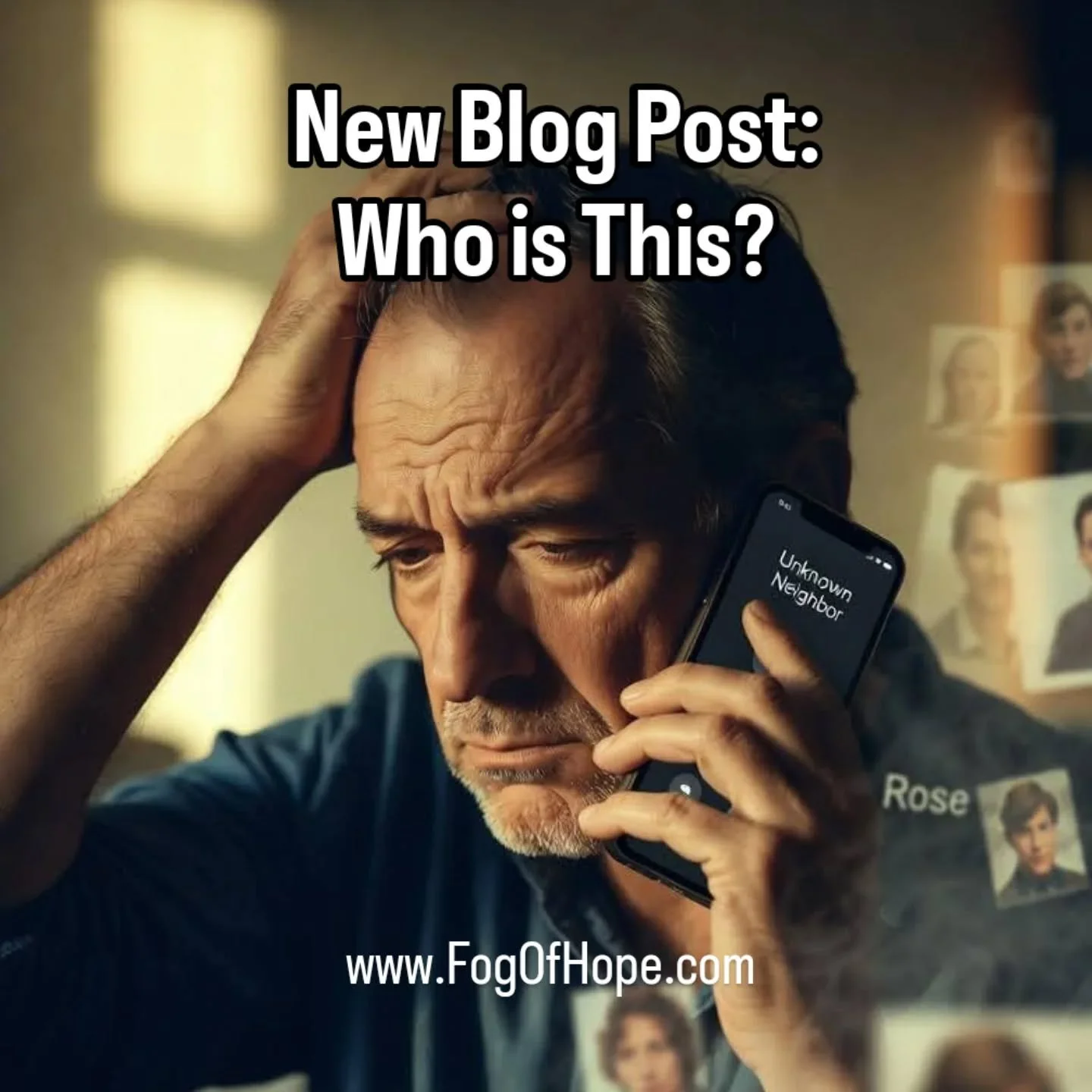
Brain injury rewrites more than just the person who carries it. It rewrites the people around them too. In my case, it rewrote the relationship with my sister. After the injury, she cut me out. She shut herself off. Before I ever reacted poorly in response to her rejection, she was already decisively gone on her end. For three years there was almost nothing—no regular contact, no shared holidays, no easy check-ins, no pictures or words like the daily occurrence that had been for many years before. This week in San Antonio is the first time she has returned.
I have spent a long time trying to understand the silence. What I have come to believe is that it was never simple rejection. It was fear. Fear of disappointing me. Fear of being overwhelmed by the new version of her brother—the slower processing, the fatigue, the emotional swings, the visible effort it still takes just to show up. She did not know how to be around the injury without feeling like she was failing at it, so she stepped away. Distance felt safer than the possibility of not being enough.
Juan talked about how we all carry words and beliefs we never asked for. My sister carried her own. The belief that she might not be able to handle the weight. The belief that her presence might somehow make things harder instead of better. Those beliefs shaped years of absence.
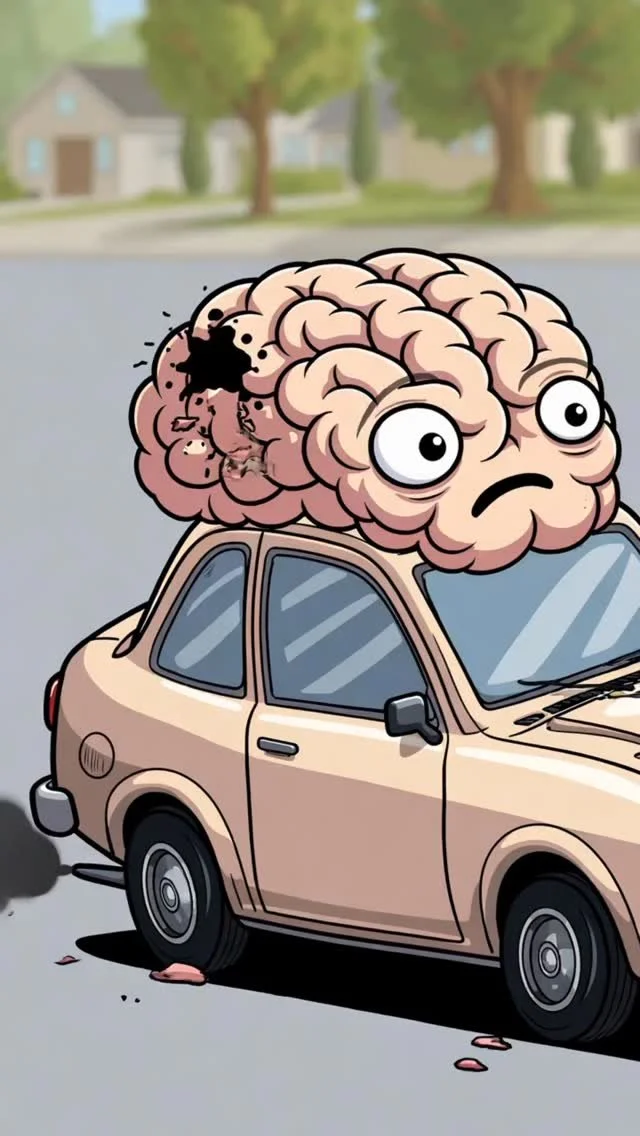
Recovery after brain injury already demands constant work against the brain’s negativity bias. You fight the internal voice that says the progress is too small, that you are still falling short, that people will leave. When someone you love actually does leave, even for complicated and human reasons, that voice gets louder. I had to learn to put some of those words down while still holding space for the reality that her fear was real to her.
This week she has come back. Not with a grand declaration, not with a perfect explanation, just with presence. Juan said courage is a muscle you train. For her, showing up after three years is an act of that muscle. For me, receiving her without demanding an immediate full restoration is another. Progress over perfection applies to relationships the same way it applies to recovery. Neither of us gets a clean slate or a flawless reunion. We get the next small step.
The speech also reminded me that people meet your energy before they meet your story. For a long time the energy between us was caution and distance. This week there is something quieter and more tentative—an energy that says we are both still here, both still trying. I do not know yet what the next chapter looks like. I only know that after three years of absence, her return is itself a form of belief: the belief that the relationship might still be able to become something different.
Brain injury forces everyone involved to confront the gap between who we were and who we are now. Some people cannot cross that gap. Some need years before they can try. My sister needed three. She is trying now, I think. Something about being here in San Antonio seems to work differently than anything the years before.
I left the session today thinking about the difference between the words we carry and the ones we choose to put down. She carried fear of disappointing me and of being overwhelmed. I carried the ache of being shut out. Both of us are practicing, in our own ways, the harder work of generating a different kind of energy—one that leaves room for imperfection, for slow return, and for the possibility that connection can still grow after a long silence.
This week in San Antonio is not a resolution. It is a beginning again. Maybe I will never again see her every day or share the constant stream of pictures and words the way we once did. But humans are made for connection, and we need it.
If you are recovering from brain injury—or walking beside someone who is—Juan’s message lands with extra weight. Schedule the small moments of excitement. Practice courage in the ordinary. Generate energy even when the circumstances don’t hand it to you. And look for the people who, like the trainers with the orcas, will stay in the water with you—not because the splash is convenient, but because they understand the effort it took for you to make it.
Some people leave when the water gets real. My sister was one of them. But years later now this week she has come close enough to at least see the splash again, and that has made more difference than she probably knows.