Leaving Texas, Coming Home
I’m leaving Texas today.
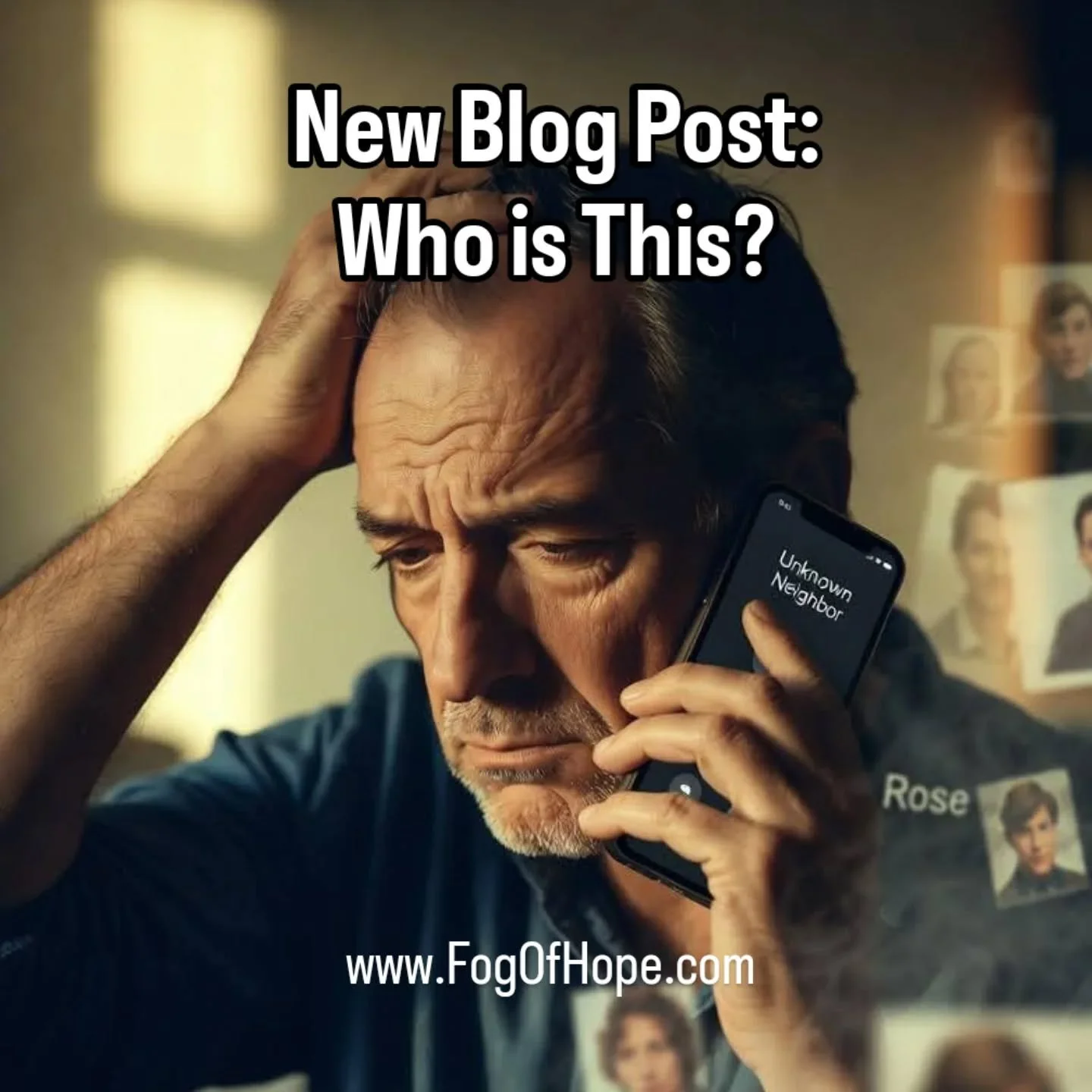
The airport feels too bright, the announcements too loud, my body too heavy. I sit here with headphones on trying to distract from the commotion and focus on writing this to stay disengaged from the fatigue all around. Exhaustion sits in my bones the way it has for months now—deep, cellular, the kind that comes after a brain injury decides the rules of the day without asking. I still get lost in ordinary moments. I still wake up and need a second to remember where I am, what city, what version of myself is supposed to show up. The confusion is quieter than it used to be, but it never fully leaves. It just changes shape.
And yet I am excited.
Excited in a way that feels almost childlike. I’m going home. Back to the familiar walls, the pantry with familiar food and drink, the same morning light through the windows around me. Back to routine—the quiet scaffolding that holds a broken brain together better than any grand plan. Most of all, I’m going back to my wife and my kids.
We have spoken. We have tried to stretch love across the distance with words and screens. But it is not the same as being in the same room. Not the same as hearing their actual laughter in the next space, or feeling a small hand find mine. I have missed the ordinary miracle of their presence more than I knew how to say.
There is a quieter grief traveling with me too.
San Antonio gave me something I hadn’t felt in three years: a fragile, tentative reconnection with my sister. Something about being in that City loosened the old distance between us. We found a little room again. She is still learning how to want me in her life. I am still learning how not to hope too loudly. Leaving Texas may close that temporary door, or at least change its shape from whatever it did to help her finally. I don’t know yet. Accepting that uncertainty is harder than I want to admit. Some relationships do not heal on the timeline we wish for them. Some people we once thought were permanent simply… aren’t. Learning to live without certain sisters, without certain people who once felt essential, has been its own long apprenticeship in letting go over these years.
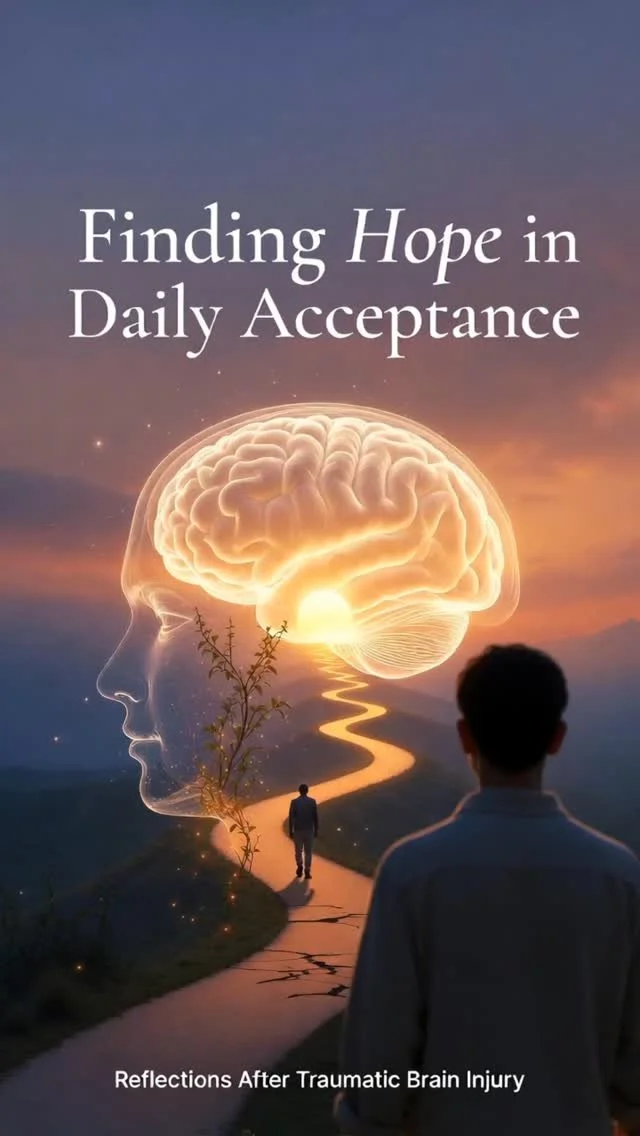
Hope after a brain injury is a delicate thing.
Some days the neurons cooperate. Some days they stage a quiet mutiny and everything takes twice the effort—words, decisions, emotional regulation, the simple act of trusting that today will not unravel. You try your best. You show up. You do the work. And still the brain does not always work the way it should. Hope becomes something you practice rather than something you feel. It is fragile because it has to be rebuilt, sometimes hourly, on a foundation that keeps shifting.
I was recognized this week on a national platform for professional achievements. It was humbling. An honor. Something only 13 other people in the entire 911 field nationwide received this year. People saw the milestone and offered genuine congratulations. What they could not see—what almost no one outside the smallest circle ever sees—is the extra weight the brain injury places on every ordinary difficulty. The extra time it takes to process. The extra recovery needed after social or cognitive demand. The quiet math of energy that has to be calculated before every commitment. The difficulty so great that the award ceremony was all that I could accomplish that morning and early afternoon. That large events were not possible. That sounds, commotions, sights of the thousands of others here moving was too much. That despite being able to achieve this accomplishment, I was lost multiple times this week unable to help myself on my phone and forced into asking the conveniently placed homeless for directions to where I needed to go. The achievement itself is real. The invisible tax on top of it I face with this brain injury is also real.
But those professional milestones are not the ones I celebrate most.
The real achievements look smaller from the outside and feel enormous from the inside:
Learning to read again.
Learning to express emotion without it flooding the room or disappearing entirely.
Learning to recognize my limitations and respect them instead of raging against them.
Learning to trust my wife and children with the version of me that exists now and their interpretation of what is needed because of it.
Learning to empathize more deeply with other people’s invisible struggles because I finally understand how much can be happening beneath a composed surface.
Learning to live without the people I once thought would always be there, and discovering that the absence, while painful, does not have to define the rest of the story. And so much more.
Accomplishing the professional recognition is nothing to scoff at. I am proud of the work. I’m proud of the other 13 that were inspiring and supportive throughout the entire process.
But getting up this morning, packing a bag while my brain still feels fogged and slow, accepting that this injury limits what I can do, and still finding pockets of hope and even joy—that is the accomplishment I am most proud of right now.
Today I leave Texas.
Tonight I will be home.
The confusion will still visit. The exhaustion will still claim its hours. The sister-shaped ache will still sit somewhere in the background.
And I will still choose, as best I can, to keep building a life that holds both the limitation and the possibility at the same time.
That is the work. That is the quiet victory. And for today, it is enough.