When Someone Notices
Near the end of one of the conference days, I started to fade.
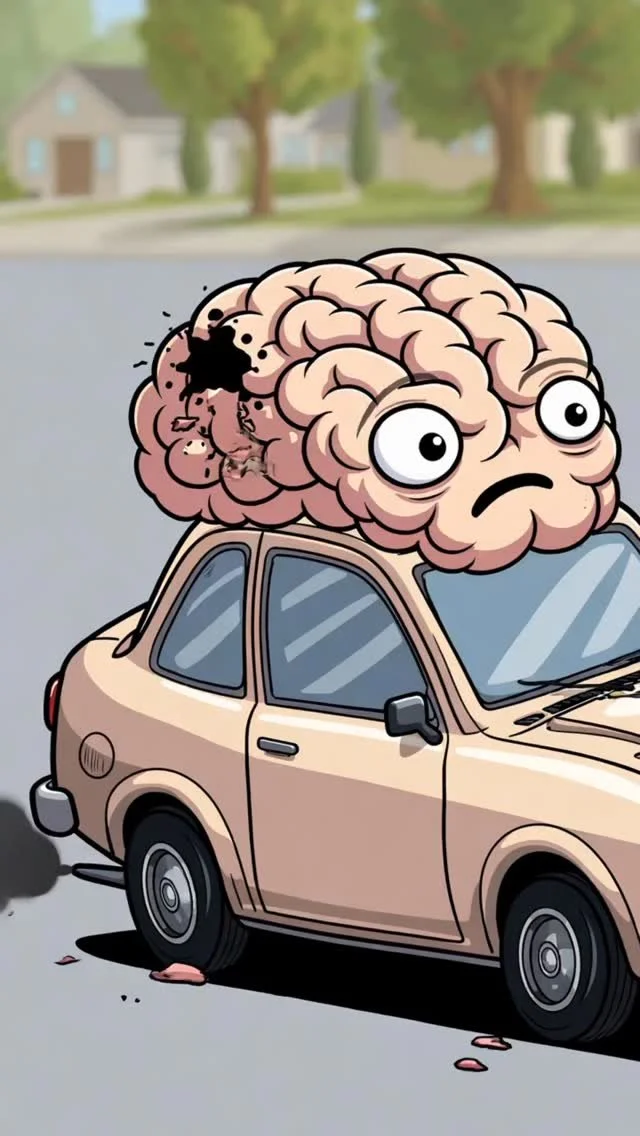
It wasn’t dramatic. No sudden collapse. Just the slow, familiar slide that comes with a brain injury after too many hours of light, sound, conversation, and focus. The headache pressed harder. The edges of the room softened. I became aware of it the way you become aware of a tide that has already begun pulling you out.
So I did what I have learned to do. I sat up straighter. I fixed my eyes on the front of the room. I pushed through the pain and the fog and tried, with everything I had left, to look normal. To look like someone who was still fully present.
I thought I was succeeding.
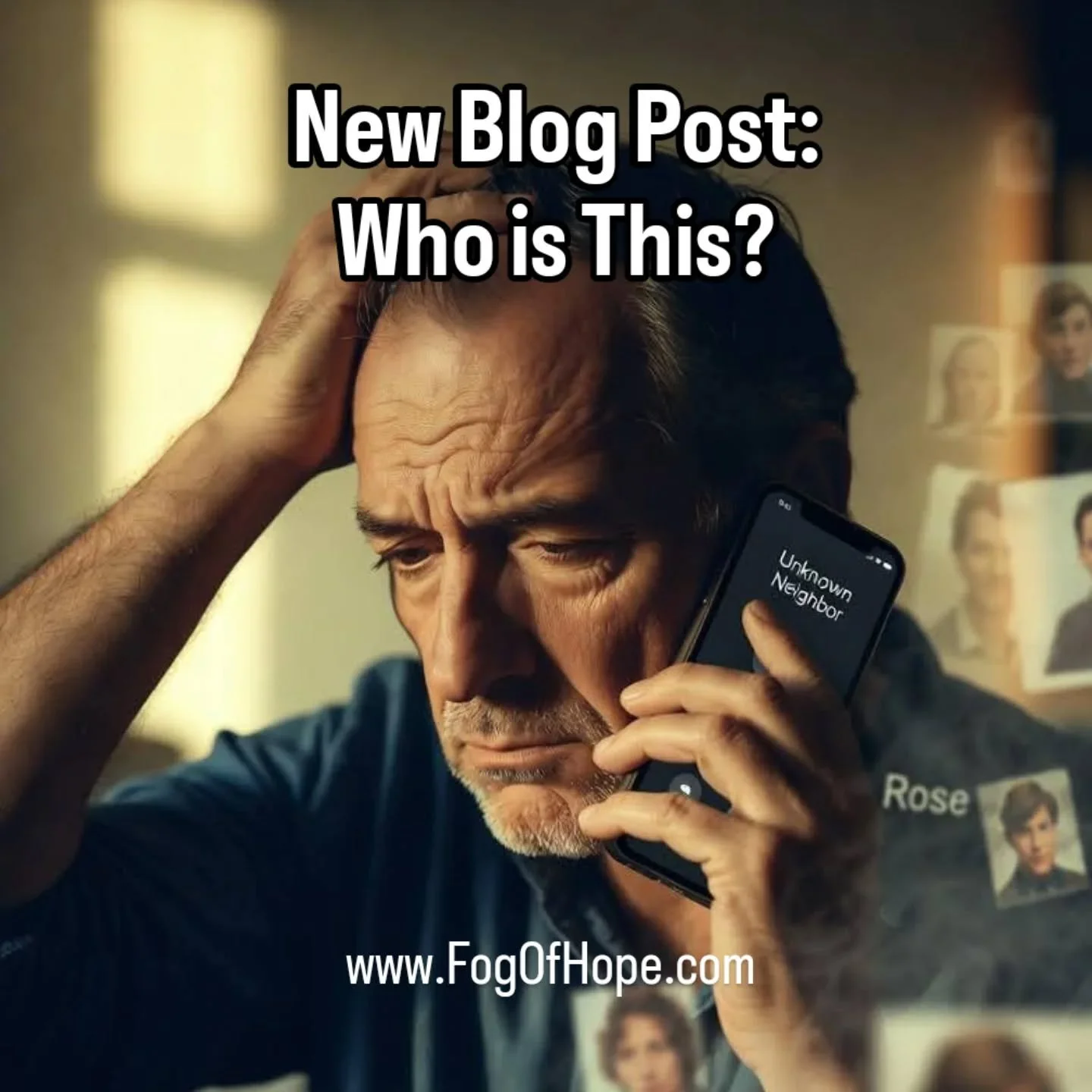
Then my phone lit up with a text from one of my CPE classmates:
“how you holding up? This one has been long…”
That single message stopped me.
It meant more than I have words for.
Because someone had noticed. Not because I asked. Not because I announced anything. Simply because they were paying attention. They saw past the careful posture and the steady gaze and recognized that I was struggling to stay upright in a room full of people who had no idea what it costs me just to remain in the chair.
After a brain injury, so much of life becomes about managing the invisible. You learn how to hide the fatigue, the confusion, the sensory overload, the quiet grief of a mind that no longer works the way it once did. You get good at looking okay. Sometimes too good. And the people who once spent every day with you—family, the ones who should know you best—often stop asking. Or never start. The space between “I’m fine” and the truth grows wider until the truth no longer feels welcome. The only ones who have continued checking in on me over the past three years are my wife, my children, and one other survivor walking this journey with me.
So when a classmate, someone I have known only a short time in the intensity of this program, took a moment to check on me, it landed with a weight that surprised me. It was not a grand gesture. It was a quiet text. But it said: I see you. You do not have to disappear in plain sight.
There is a particular kind of loneliness that comes with an invisible injury. You can be surrounded by people and still feel unseen. You can perform competence so well that the performance becomes the only version of you anyone knows. And then one person breaks the pattern. They notice the slight change in posture, the way your focus drifts, the effort it takes to stay present. And they reach out.
That text did not fix the headache. It did not restore the energy I had already spent. But it reminded me that care still exists in the world, even when it is missing in the places I once expected it most with family members I loved. It reminded me that being noticed is not a small thing. For someone living with a brain that works differently now, it can feel like oxygen.
I am still learning how to receive that kind of care without immediately minimizing it or explaining it away. I am still learning that it is allowed to matter this much.
To the classmate who sent that message: thank you. You may never know how far those few words traveled. You saw me when I was trying very hard not to be seen, and in doing so, you made the fading feel a little less lonely.
Sometimes the most powerful thing we can offer another person is simply the willingness to notice.