
Hosting Dinner
Even Strangers Come When Invited
Tonight our family hosted four college missionaries who are spending their summer traveling from parish to parish, leading faith programs for kids and teens. They arrived tired from a long day, but the moment they stepped inside, the house felt different—lighter, fuller.
Love’s Closed Door
After fourteen years of knowing each other, my sister has made her position unmistakably clear: she does not want me to know her, she has no desire to know me, and she wants me out of her life. She has reinforced this boundary repeatedly. By contrast, in just one year she went from meeting a stranger to agreeing to marry him. Yet after everything we shared over those fourteen years, she continues to insist that I leave her alone. Still, she speaks of wanting a picture-perfect wedding day surrounded by a “loving family.” Yet by her repeated choice to cut us out of her life, she actively prevents and makes impossible the very love and communion she says she desires.
TGIF
Thank God it’s Friday! Every Friday night, as part of Night Prayer (Compline) in the Christian breviary, the Church prays Psalm 88 — one of the darkest, most honest psalms in the Bible. It doesn’t end with triumphant resolution. It simply ends in darkness. And somehow, that makes it one of the most comforting prayers for those of us living with traumatic brain injury.
Here is the psalm that has become painfully familiar:
Lord my God, I call for help by day, I cry at night before you.
Selling It All
My wife looked at me the other day and said the words I’ve been both dreading and expecting: “We need to sell everything and start over. Build a life that’s actually sustainable with a disabled husband.”
She’s not wrong. And that truth cuts deep. We can’t keep living a life that is no longer ours.
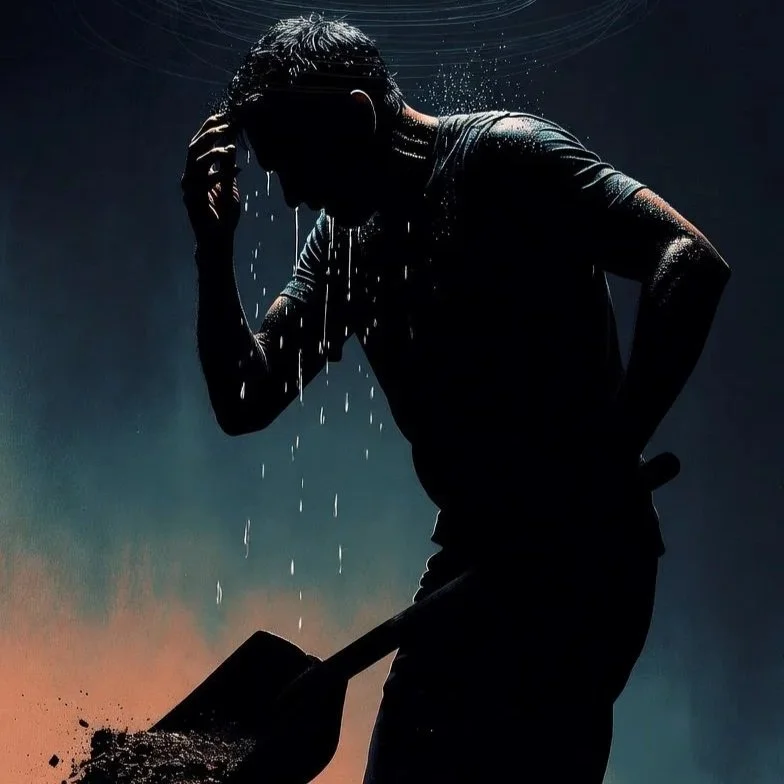
Manure, Sweat, and Surrender
Today I stepped outside with every intention of being useful. Just a simple chore—shoveling manure on our small farm. Something I used to be able to do for hours without thinking twice. Five minutes. That’s all it took today.
My arms burned. My legs turned to lead. The world started spinning. A pounding headache slammed into my skull. Sweat poured down my forehead, stinging my eyes, dripping off my face, soaking my shirt until it clung to my back like a second skin. And it was only 75 degrees outside. Not even hot by most standards.
I had to stop. Had to sit down, head between my knees, waiting for the dizziness to pass. Once again, my body had issued a hard stop I never asked for.
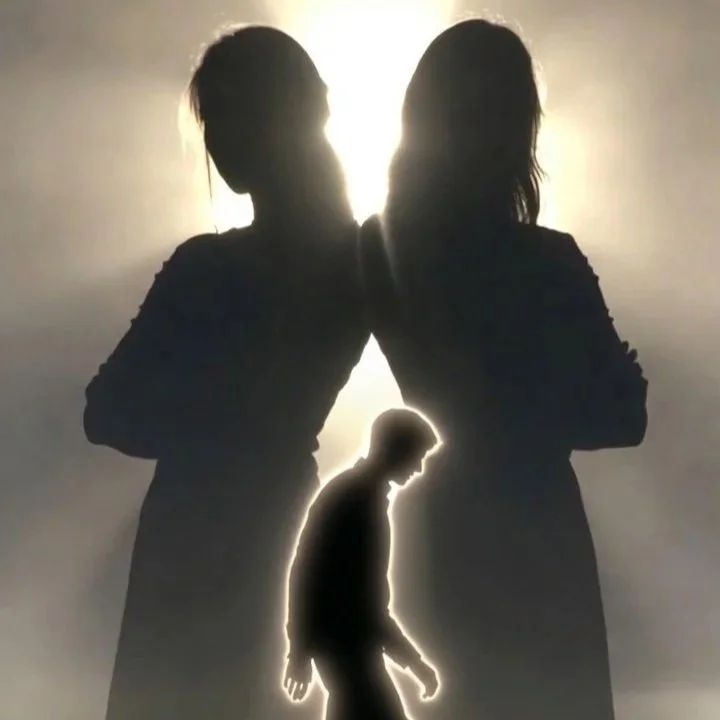
Hope, Abandoned.
Brain injury recovery strips away many illusions. One of the hardest is the belief that family—especially close family—will always choose you, even when life gets messy and you change in ways no one saw coming. I had clung to the persistent hope that the people who walked away - especially family - might one day come back. That they’ll change their minds, see your progress, and choose reconnection. Today, it’s clear I’ve been avoiding laying that hope to rest for far too long. If anyone else is early in their recovery, and is still holding onto people who have already walked away, learn from my mistake and don't take as long as I have to accept their rejection and finally abandon that false hope of their return.
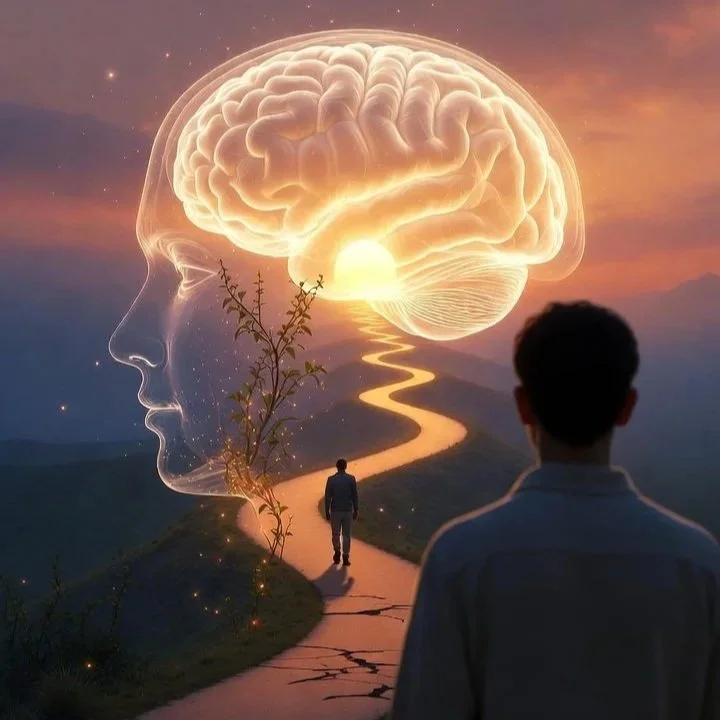
Finding Hope in Daily Acceptance
Reflections on a Brain Injury Survivor’s Wisdom: Brason Lee
I came across a powerful personal reflection about a year ago in the Journal of Adolescent Health titled "Reflections of a Pediatric Survivor of Traumatic Brain Injury: 42 Years Later." This short but profound piece, written from the perspective of someone looking back on their life after a severe TBI at age 18, resonated deeply with me. It’s not a clinical study or dry medical advice—it’s raw, honest guidance from someone who has walked this path for decades. Reading it felt like receiving a letter from a wiser future self. It became a letter I printed and read each day to remind myself and motivate myself that it will get ok. 42 years of wisdom while I am just a couple of years into mine.
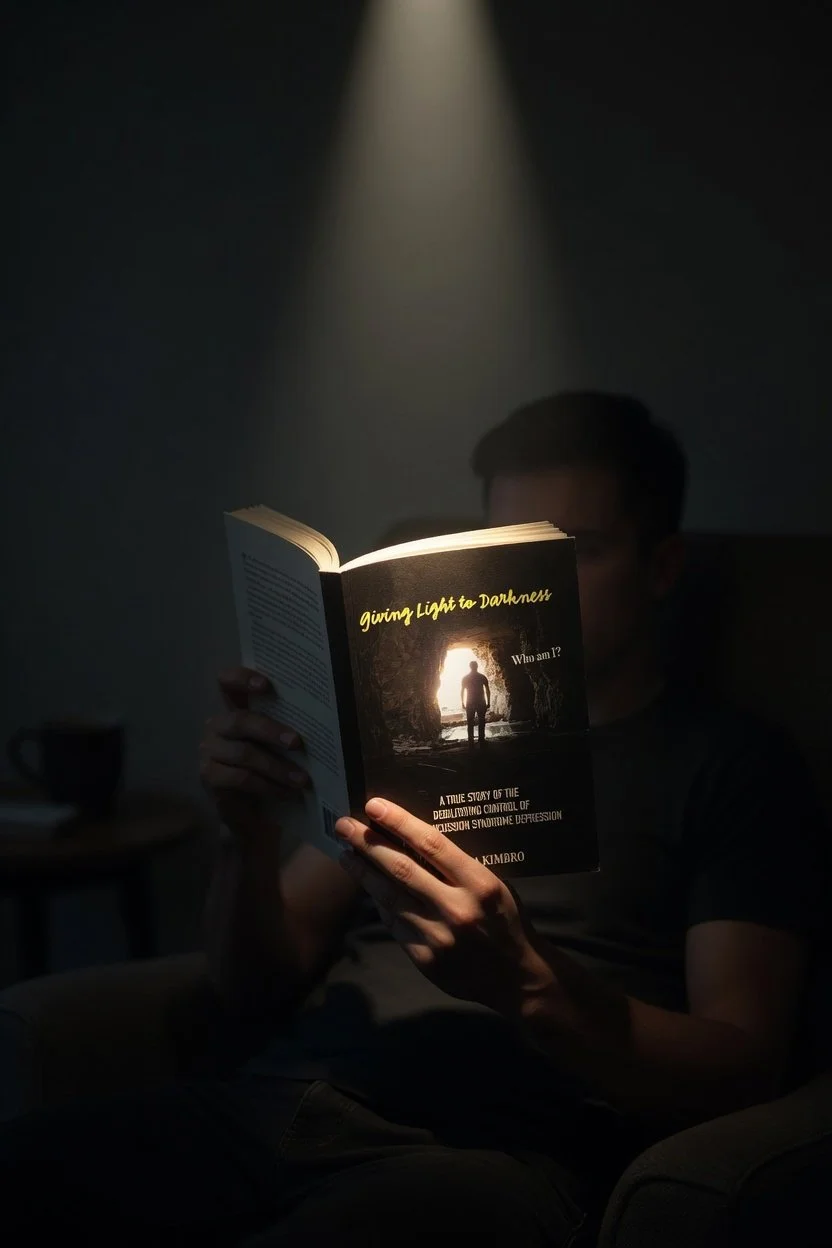
Seth Kimbro Saved My Life
How Seth’s legacy in “Giving Light to Darkness” by Laura Kimbro Saved My Life
I’ve written before about the darkness that traumatic brain injury can bring — the memory loss, the isolation, the crushing weight that makes suicide feel like the only way out. In my lowest moments, when the “Who Is This?” type of phone calls and encounters with others and the disappearing friendships piled on top of constant uncertainty, I came dangerously close to believing the lie that my family would be better off without me.
And it quite literally helped save my life.
My 3 Year Anniversary
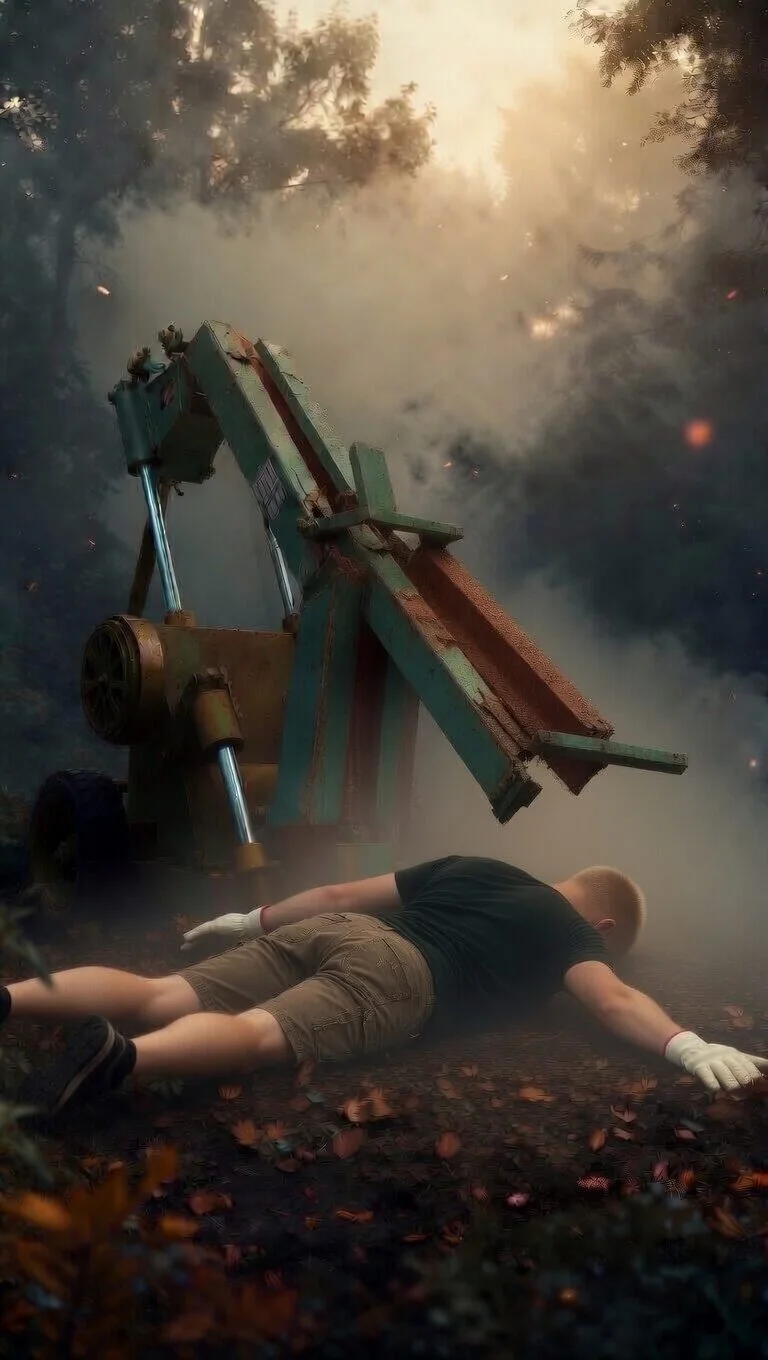
Today marks exactly three years since a wood splitter fell on my head and knocked me unconscious. Three years since the moment everything changed. Three years since I was, in a very real sense, reborn into a life I never asked for.
In the beginning, they told me I would be fine. “Just a concussion,” the ER doctor said. “You’ll bounce back quickly.” I believed them. My family believed them. I rested, followed instructions, and waited for my old self to return. In the days that followed I deteriorated, lost the ability to hold a memory longer than 15 minutes, became a lump on the couch sleeping 20 hours a day, headaches pounding, unable to think, process, watch a screen, forming words one syllable at a time, not able to think of what word was coming next or what word I had just said. After a day or two of almost appearing normal, I had quickly become unrecognizable, like a zombie.
The Spoon Struggle
Why Spoon Theory Is Helpful… But So Hard to Grasp and Even Harder to Accept
If you live with a chronic illness, TBI, or post-concussion syndrome, you’ve probably heard of Spoon Theory.
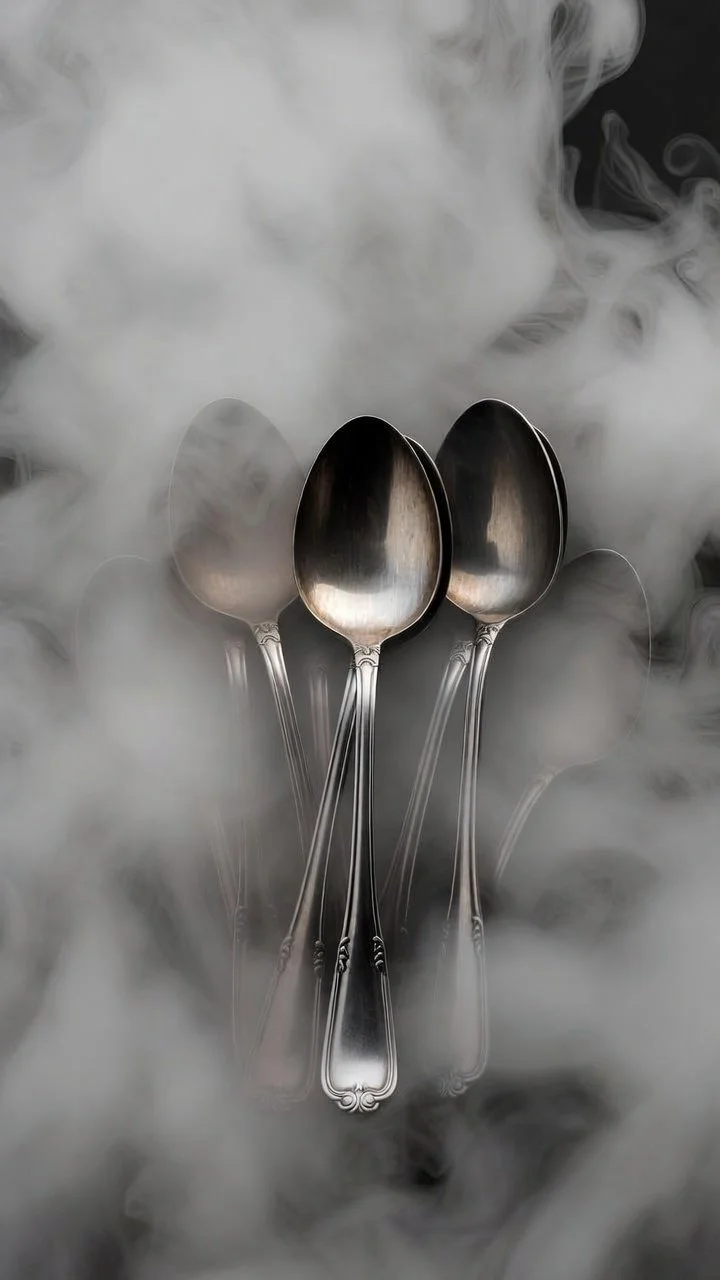
It was created by Christine Miserandino in 2003 to explain what it’s like to live with invisible illness. The idea is simple: you start each day with a limited number of “spoons” (units of energy). Every single task — getting out of bed, showering, making breakfast, answering a message, working, driving, even having a conversation — costs spoons. Once they’re gone, they’re gone. You can’t just borrow more.
On paper, it’s brilliant. In real life, it can feel both incredibly validating and yet deeply uncomfortable.
Estrangement Meets Mercy
Divine Mercy Sunday: Finding Forgiveness and Healing in Family Estrangement – Lessons from St. Faustina’s Diary
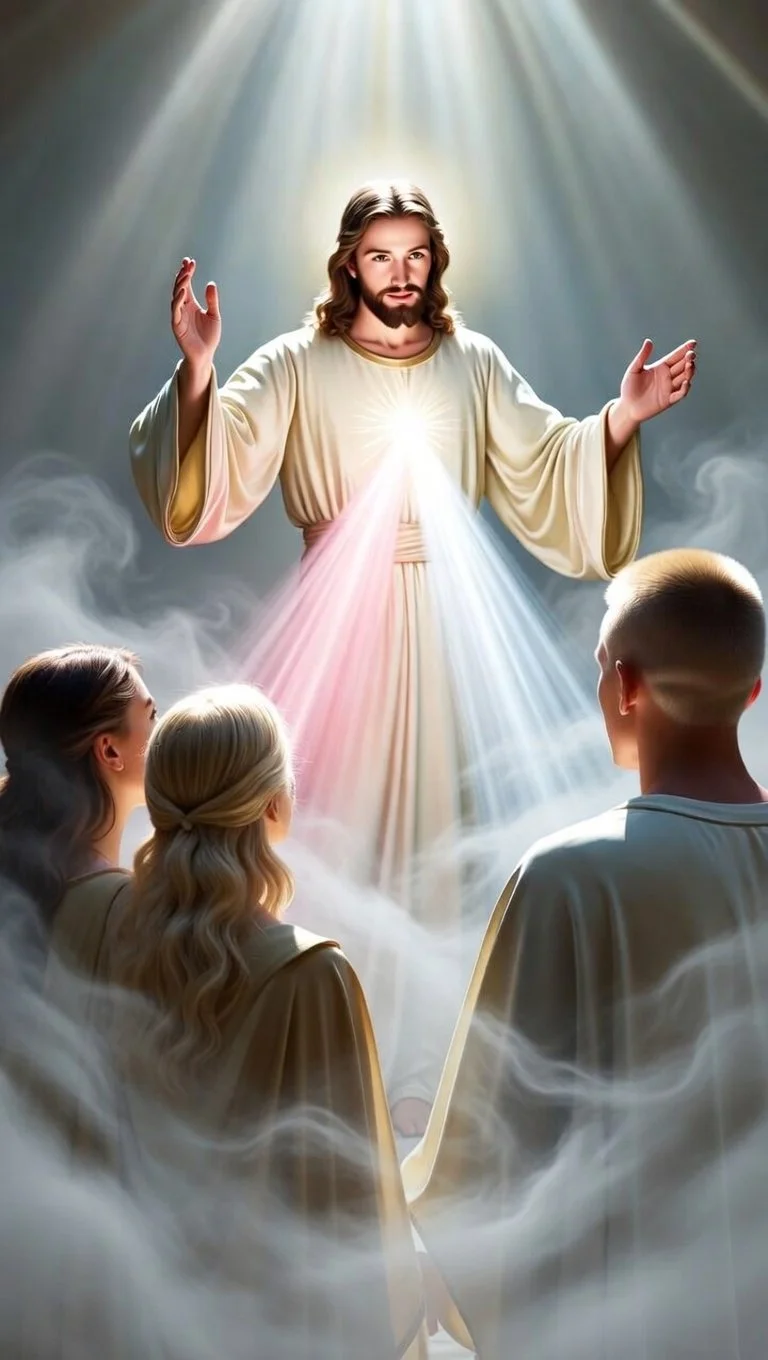
Every year, the Sunday after Easter brings us Divine Mercy Sunday—a feast day given to the Church through the visions and writings of St. Maria Faustina Kowalska. It’s not just another holy day on the calendar. It’s a profound invitation from Jesus Himself to plunge into the depths of God’s Mercy, especially when life feels shattered by pain, rejection, or loss. For me, this feast hits especially close to home because of a wound that still aches: my sisters cutting me out of their lives after my brain injury, right in the middle of their teenage rebellion.
The TBI Lesson in “I am Legend”
The last blog talked about my experience feeling like being perceived as a Zombie.
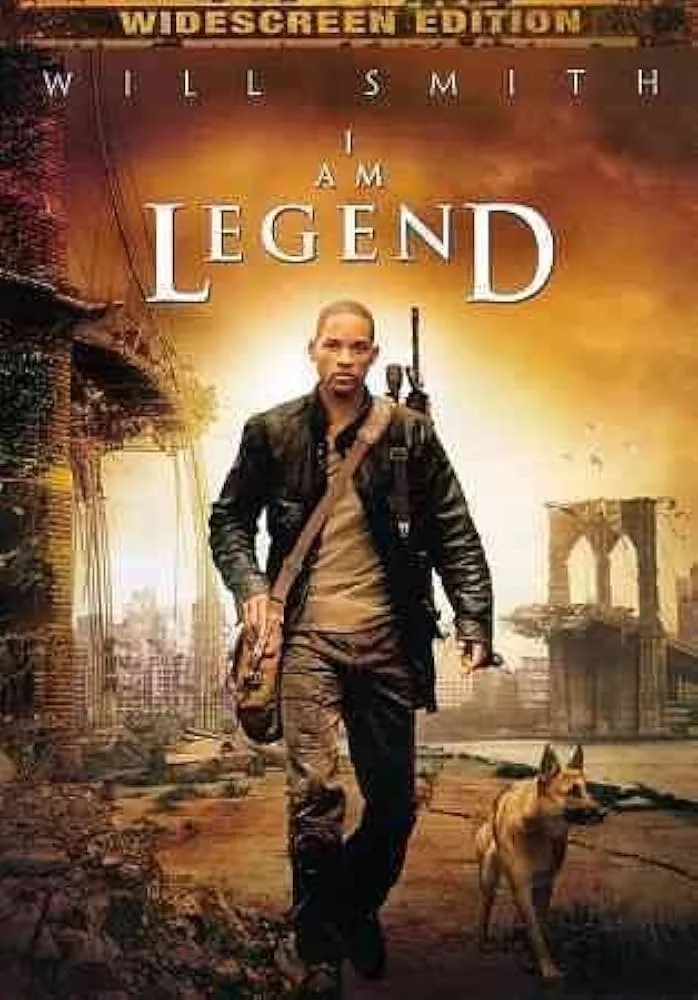
It reminded me of another Zombie story in my life. A couple of years before I got hurt, we had a time where we had my youngest sister over to our house. We were browsing for a movie to watch with her and came across “I am Legend”. I hadn’t seen it since it had come out in 2007 but remembered it was a good action movie, captivating, and I had enjoyed it back then. But I couldn’t recall much more about it. Well, as we got into it, it was clearly a “Zombie” movie. Not like a regular Zombie movie, but still not necessarily the right movie to pick for her. We should have done a Rom-Com or something for my wife and her more I guess retrospectively. But unlike a stereotypical “Zombie” movie - this one is different, and I would now argue actually eerily similar to my TBI journey in some ways.
Lessons from 'I Am Legend' on Misunderstanding TBI Patients
In the eerie silence of a post-apocalyptic world, Will Smith's character in I Am Legend wanders the empty streets of New York City, haunted by creatures that were once human but now seem monstrous. These "Darkseekers," as they're called in the film, are victims of a virus that has stripped them of their humanity, trapping them in a state of rage and isolation. But what if I told you this sci-fi thriller can at times hold a mirror to the real-life experiences of those living with with a brain injury? Just like the “infected” Darkseekers in the movie, TBI patients often feel trapped by their symptoms, misunderstood by society, and desperately in need of a "cure" – or at least better understanding and support. In this blog post, I'll explore the movie's themes and draw some parallels to the often-invisible struggles of TBI survivors.

Whose Lens Are You Looking Through?
I recently attended a life-changing educational opportunity with thirteen other incredible professionals. After six months of coursework together, we met for a two-week capstone course on leadership.
On the first day together, we encountered an activity as a group together surrounding the importance of checking our perspectives, our lenses, that we are looking through. Depending on the color of lenses, different numbers on a page of paper were visible to different people. The reality didn’t change, but only with the correct lens color could all of the numbers be seen.