

The Best Nightmare
I woke up this morning with a pounding headache, my ears ringing loudly, and my vision blurred with strange spots floating across my sight. I read in my notes that those symptoms are all normal for this new life now. I remembered having them the night before too. It was the kind of morning I’ve grown used to since my brain injury. But something was different.
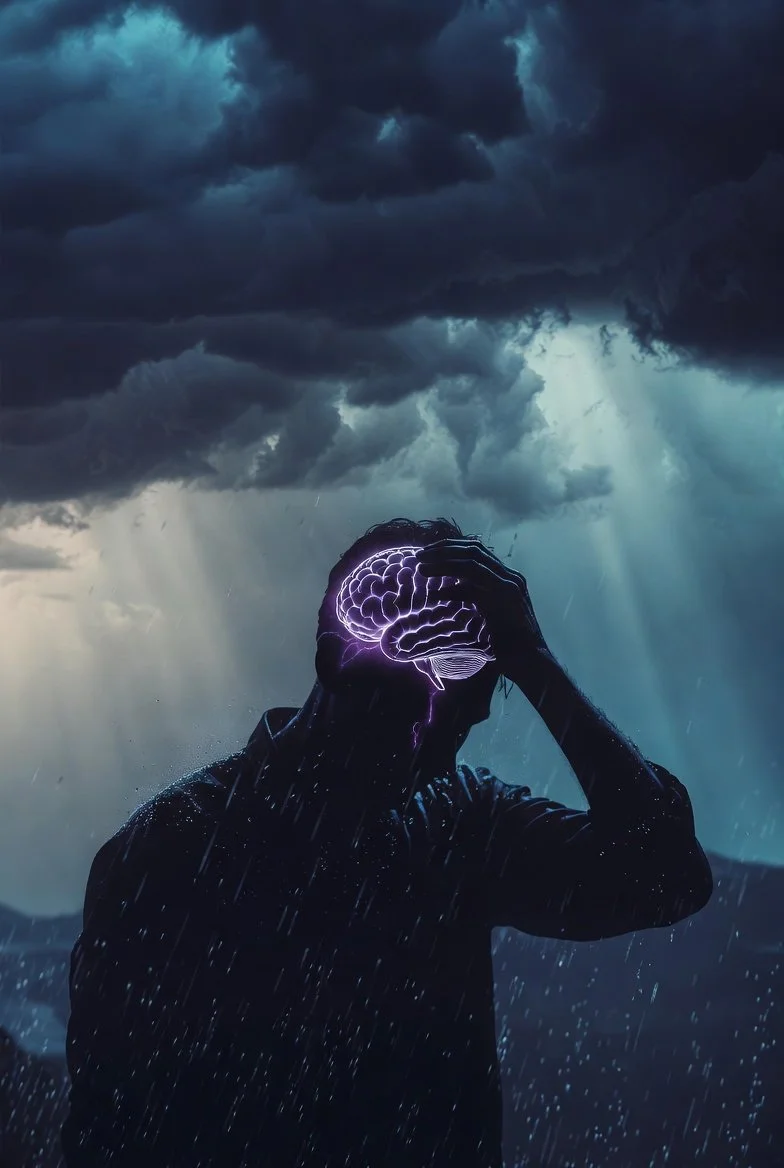
Rain, Rain, Go Away
You can feel it coming long before the first raindrop hits the ground. The sky turns heavy, the air feels thick, and your body begins to protest. For those of us with traumatic brain injury (TBI), approaching storm systems and rain fronts are more than just weather — they’re reliable triggers for symptom flares.
Headaches intensify. Fatigue becomes crushing. Dizziness spins harder. Brain fog thickens. Old aches flare up. Even mood and sleep suffer. Many of us now track barometric pressure forecasts as carefully as our daily symptoms.
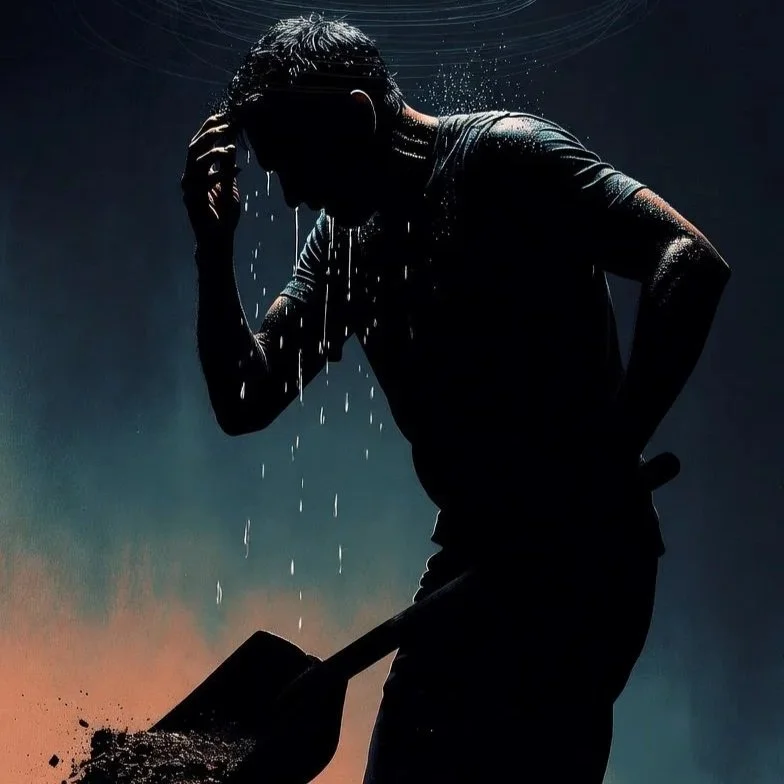
Manure, Sweat, and Surrender
Today I stepped outside with every intention of being useful. Just a simple chore—shoveling manure on our small farm. Something I used to be able to do for hours without thinking twice. Five minutes. That’s all it took today.
My arms burned. My legs turned to lead. The world started spinning. A pounding headache slammed into my skull. Sweat poured down my forehead, stinging my eyes, dripping off my face, soaking my shirt until it clung to my back like a second skin. And it was only 75 degrees outside. Not even hot by most standards.
I had to stop. Had to sit down, head between my knees, waiting for the dizziness to pass. Once again, my body had issued a hard stop I never asked for.
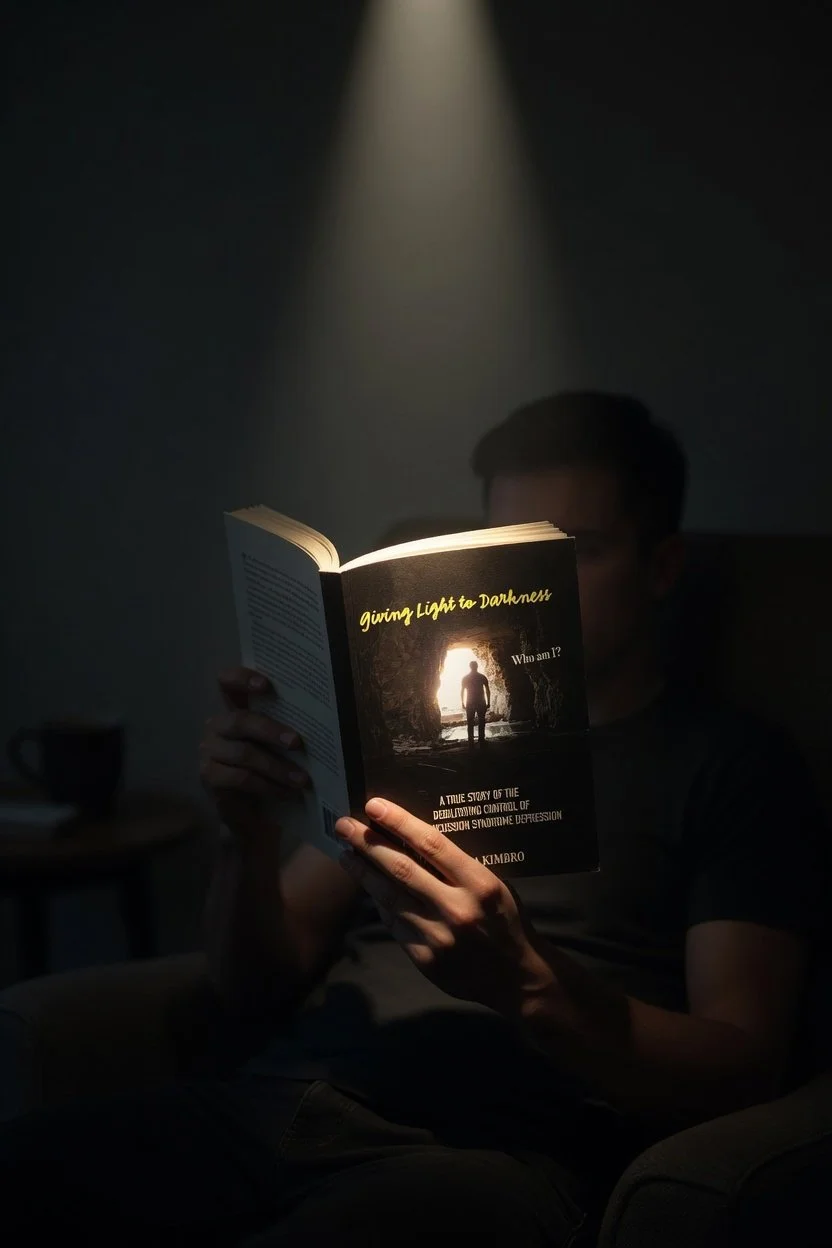
Seth Kimbro Saved My Life
How Seth’s legacy in “Giving Light to Darkness” by Laura Kimbro Saved My Life
I’ve written before about the darkness that traumatic brain injury can bring — the memory loss, the isolation, the crushing weight that makes suicide feel like the only way out. In my lowest moments, when the “Who Is This?” type of phone calls and encounters with others and the disappearing friendships piled on top of constant uncertainty, I came dangerously close to believing the lie that my family would be better off without me.
And it quite literally helped save my life.
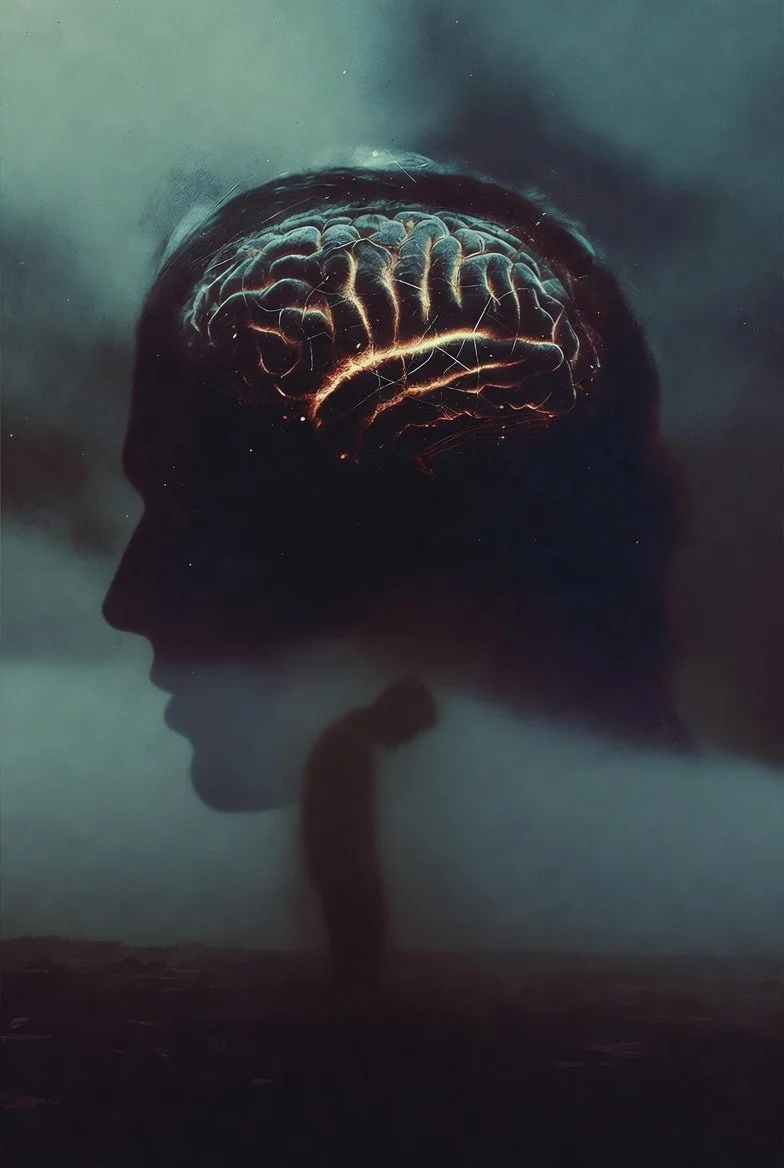
Suicide After Concussion
When TBI Makes Suicide Feel Like the Only Option – And Why You Still Matter
I’ve met too many survivors of TBI that I met too late to still know them while they were alive. I met others that then didn’t show up the next meeting because they had lost their battle. They had encountered this living change surviving their injury and battling each day and found themselves part of an unfortunate statistic. I’ll share some of those statistics below. But they aren’t a statistic. Each one of them is a person. A person who loved and was and is loved. A person with a story. An incredible story. Even after their deaths, I learn from their stories, from their loved ones, from the legacies, and yes from their pain. The pain of living with a traumatic brain injury (TBI) can feel like fighting a war inside your own head — one that no one else can fully see and even the patient can’t fully see or understand themselves at times. Some days the battle gets so heavy that ending it all starts to feel like the only way to find peace. I know this darkness. Many of us in the brain injury community do. In fact, almost every survivor I have met shares the exact sentiment in their early months of wishing they could just reach in their head and pull their own brain out. But I also know there is light, even though it is not always visible each day. It is there, even when not seen in the moment.
This post is not about glamorizing pain or pretending everything gets magically better. It’s about naming the real reasons suicide can feel rational after TBI — for both survivors and their caregivers — and then honestly laying out why staying here is still worth it. Because it is. There is hope, and you are not alone - many of us have felt those exact feelings, the exact darkness, the exact pain - even though your story is incredibly unique and deserving of being heard.
My 3 Year Anniversary
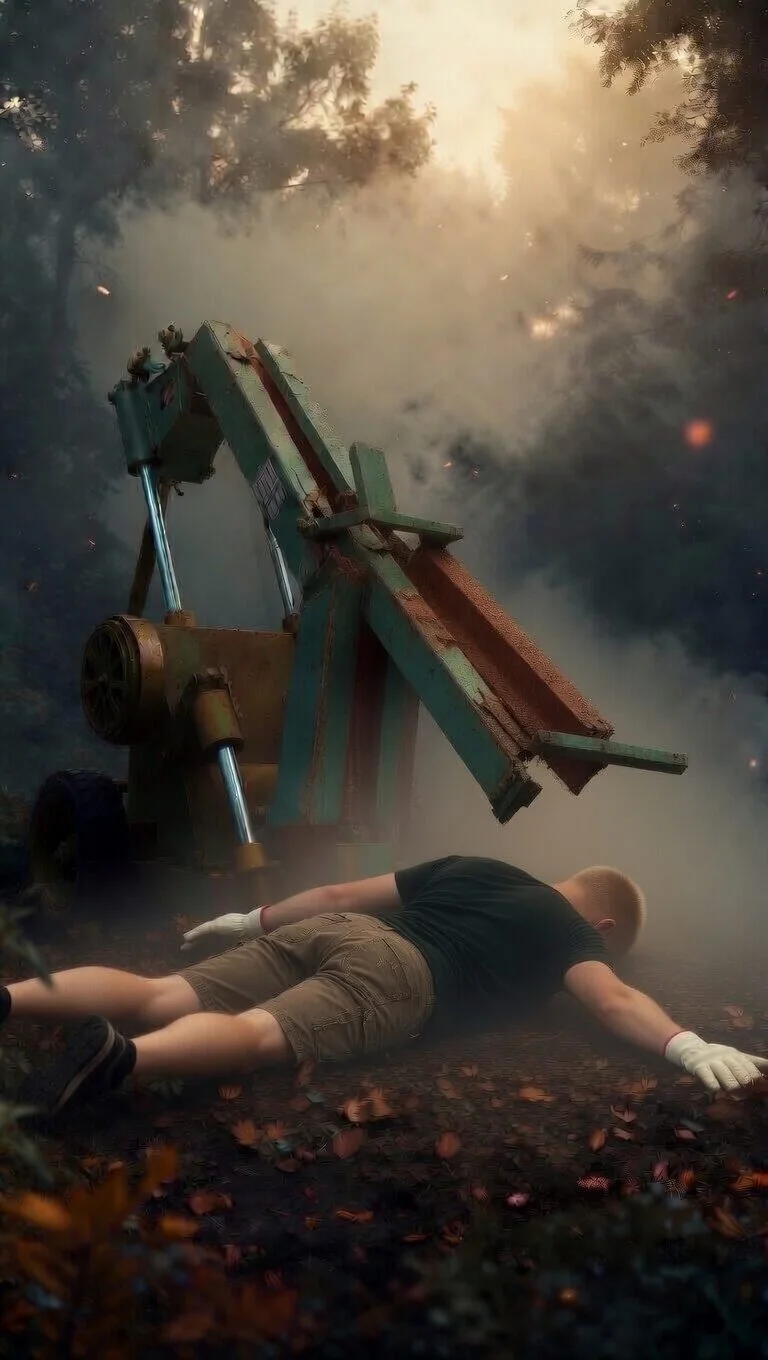
Today marks exactly three years since a wood splitter fell on my head and knocked me unconscious. Three years since the moment everything changed. Three years since I was, in a very real sense, reborn into a life I never asked for.
In the beginning, they told me I would be fine. “Just a concussion,” the ER doctor said. “You’ll bounce back quickly.” I believed them. My family believed them. I rested, followed instructions, and waited for my old self to return. In the days that followed I deteriorated, lost the ability to hold a memory longer than 15 minutes, became a lump on the couch sleeping 20 hours a day, headaches pounding, unable to think, process, watch a screen, forming words one syllable at a time, not able to think of what word was coming next or what word I had just said. After a day or two of almost appearing normal, I had quickly become unrecognizable, like a zombie.
Taking My Brain for a Test Drive
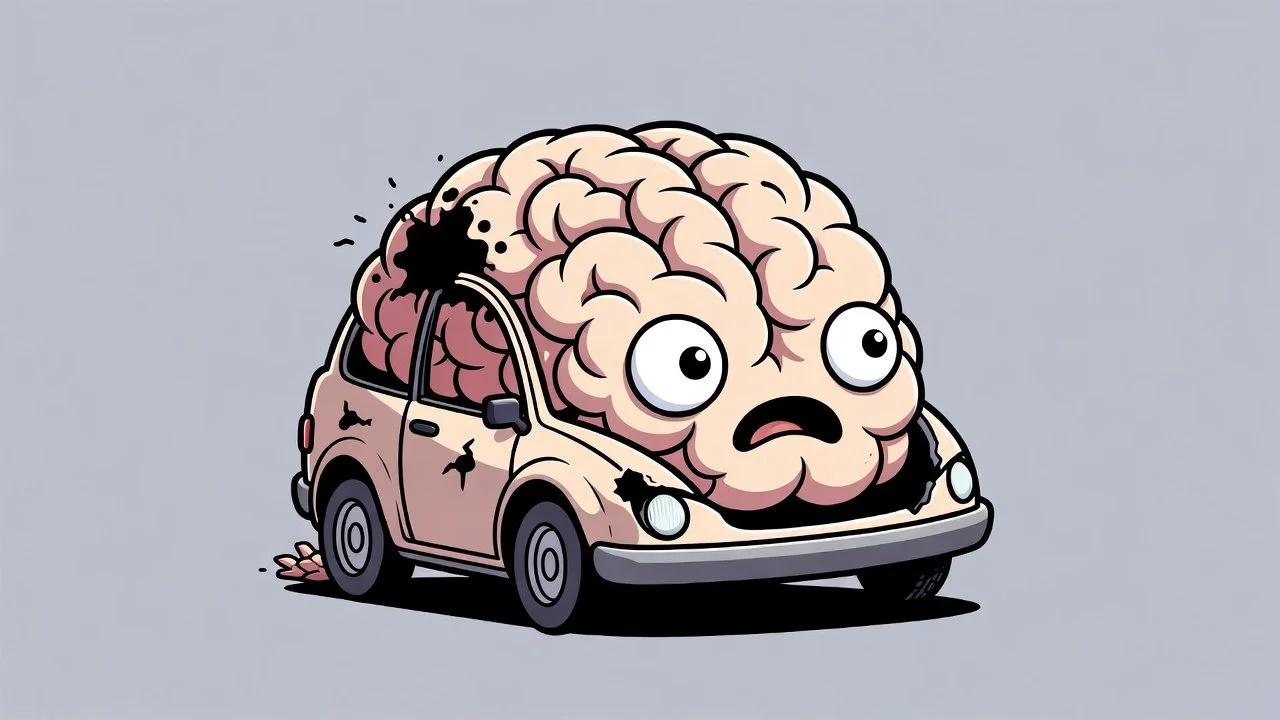
Understanding Brain Symptoms: Like Test Driving a Damaged Car
As we shop for replacement vehicles for our vehicle with a faulty transmission, I can’t help but continue to think about the similarities between car problems and the issues I have experienced with brain injury recovery. Imagine you’ve just been handed the keys to a car that looks perfectly normal from the outside. It’s the same make and model you’ve driven for years. You slide into the driver’s seat, turn the key, and… something’s off. The engine starts, but it doesn’t purr like it used to. The steering feels loose in some spots and overly tight in others. The brakes work, but they hesitate for half a second too long. The radio keeps cutting out. Every little system that used to work seamlessly now has quirks, and you can’t quite explain why to the mechanic. The mechanic might even try convincing you nothing is wrong. But the test drive experience shows there are things wrong - sometimes obvious - sometimes hard to explain.
That’s what living with a Traumatic Brain Injury (TBI) often feels like.

The Spoon Struggle
Why Spoon Theory Is Helpful… But So Hard to Grasp and Even Harder to Accept
If you live with a chronic illness, TBI, or post-concussion syndrome, you’ve probably heard of Spoon Theory.
It was created by Christine Miserandino in 2003 to explain what it’s like to live with invisible illness. The idea is simple: you start each day with a limited number of “spoons” (units of energy). Every single task — getting out of bed, showering, making breakfast, answering a message, working, driving, even having a conversation — costs spoons. Once they’re gone, they’re gone. You can’t just borrow more.
On paper, it’s brilliant. In real life, it can feel both incredibly validating and yet deeply uncomfortable.

Newborn Tears
Lately, as my recovery inches along, I've noticed that although I often feel like a toddler, the toddler feelings at times feel... even earlier. Some days, it's less like being a feisty two-year-old and more like being a newborn all over again. That raw, brand-new-to-the-world stage where everything is basic, overwhelming, and completely dependent on the gentle people around you. It's humbling. It's exhausting. And weirdly, it's also kind of beautiful when I let myself see it that way.
Those Wide-Eyed, Wondering Stares
Newborns stare at faces, lights, shadows—with those huge, unblinking eyes—like they're downloading the entire universe one pixel at a time. No judgment, no rush, just pure taking-it-in.
Some recovery moments feel like that too. I'll catch myself staring at a wall, a window, my own hand, because my brain is slowly, slowly making sense of the world again. It's not blankness—it's deep processing. Curiosity mixed with caution. "What is this place? What am I in? What is going on?"
I try not to fight it. I let myself stare, let the brain do its newborn work of mapping reality one tiny piece at a time. Those staring sessions often lead to small breakthroughs later.

I Don’t Need a Nap!
Hey friends,
I’ve been thinking more about this whole “recovery feels like being a toddler” thing, and there’s one part that keeps hitting me harder lately: emotions. Toddlers don’t just have feelings—they have huge, unstoppable, all-over-the-body feelings that come with zero filter and very few words to match. And honestly? That’s exactly where my brain is right now too.
Those Giant, Wordless Emotions
One minute everything’s okay, and the next a wave crashes in—frustration, sadness, being overwhelmed, or even sudden joy—and it’s so intense I can barely breathe through it. My chest tightens, my face gets hot, tears might show up uninvited, or I just feel like I need to move or hide or yell but nothing comes out right. It’s like my brain is back in toddler mode: the emotion center is fully online and screaming, but the “let’s put this into calm sentences” part is still napping in the corner.
I catch myself doing classic toddler things without meaning to: crossing my arms tight, huffing, pacing in little circles, or just staring at the floor because saying “I’m upset” feels impossible. Sometimes the only thing that escapes is a shaky “I don’t know” or “It’s too much.” And that’s okay. It really is. Just like a toddler isn’t “bad” for melting down—they’re just overloaded—I’m not “bad”, my brain is failing at processing when the feelings get too big. It’s still wiring itself back together.