Newborn Tears
Lately, as my recovery inches along, I've noticed that although I often feel like a toddler, the toddler feelings at times feel... even earlier. Some days, it's less like being a feisty two-year-old and more like being a newborn all over again. That raw, brand-new-to-the-world stage where everything is basic, overwhelming, and completely dependent on the gentle people around you. It's humbling. It's exhausting. And weirdly, it's also kind of beautiful when I let myself see it that way.
Waking Up to a Whole New World (Every Single Time)
Newborns don't really "remember" much from one moment to the next. They drift off in someone's arms, wake up somewhere else, and the world just... is. No backstory, no context—just bright lights, strange sounds, and a body that doesn't quite listen yet.
That's how my brain feels on the roughest days. I "wake up" from a fog, a nap, or even just zoning out, and everything feels brand new and disorienting. Where was I? What day is it? Why does my head feel like it's wrapped in cotton? There's no smooth transition; it's like being plopped into existence again. No memory chain to grab onto. Just here. Now. Confused.
It used to scare me a lot. Now I try to meet it like you'd meet a newborn: soft voice, no demands, just "Hey, you're here. You're safe. Let's figure this out slowly."

The Wordless Cries That Say Everything
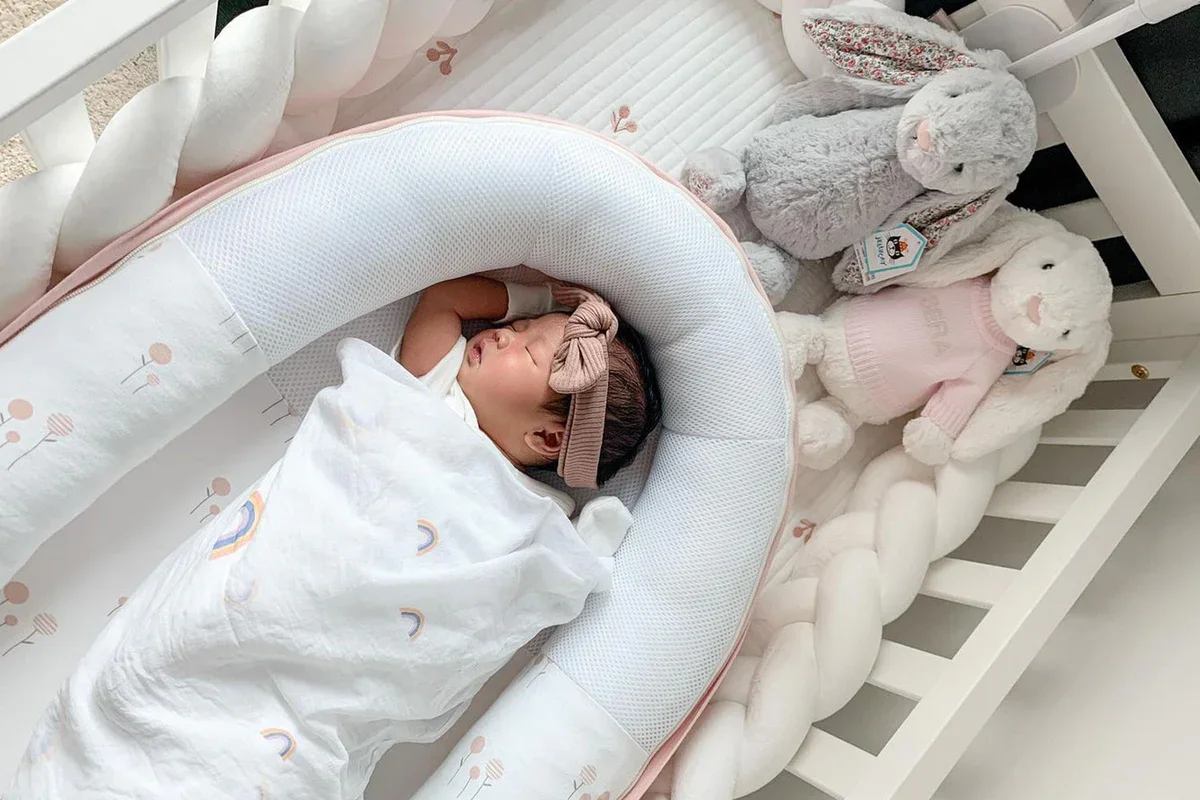
Newborns don't explain why they're upset. They just cry—full-body, red-faced, heart-wrenching cries—because hunger, tiredness, discomfort, or loneliness hits 100% and there's no other language yet.
My emotions can hit like that now. No buildup, no logical reason I can name right away. Just a sudden wave that makes my throat tight, my eyes sting, or my whole system scream "something is wrong!" I might not even know what "something" is. Words? Gone. Sentences? Impossible. All I can do is feel it huge and let it out in whatever way comes—tears, rocking back and forth, a quiet whimper, or just lying there stunned.
It's not weakness. It's newborn-level honesty. The brain is saying, "I need help processing this," before the grown-up filters come online. And just like with a crying newborn, the best response is presence, not fixing. A hand on my back, quiet breathing together, or someone saying "I've got you" until the storm passes.
These raw, full-volume newborn cries remind me so much of the days when everything feels too much.


The Magic of Being Held (Skin-to-Skin for the Soul)
One of the most healing things for newborns is skin-to-skin contact. Being held close, heartbeat to heartbeat, regulates breathing, calms the nervous system, makes the world feel safe enough to rest.
In recovery, I need that too—not always literally (though hugs can help!), but emotionally. When my brain is newborn-tired and overstimulated, the kindest thing is to be "held" by routine, by quiet, by someone who doesn't ask me to perform or explain. Just sit with me. Breathe with me. Let me exist without having to be "on." Showing care through presence.
I've started asking for it more openly: "Can you just stay close for a bit?" And when someone does—sitting nearby, holding my hand, or even just being in the same room—it resets me like nothing else. It's skin-to-skin for a healing adult brain.
Perhaps that is why the abandonment of those that left me throughout this injury recovery and have rejected any semblance of presence creates such hardship for me through their completely opposite actions to this basic human need. But just like those that immediately look to offload the crying baby they are holding the moment a whimper starts to form — perhaps they just never loved me enough to keep holding space for me in their life when there is a cry and it is no longer a picture perfect moment together. Perhaps we never were close and it just was something of convenience that they could share life before and not out of anything of real love and care. When the newborn cries started, they couldn’t offload me from their arms fast enough. Oof.


Those Wide-Eyed, Wondering Stares
Newborns stare at faces, lights, shadows—with those huge, unblinking eyes—like they're downloading the entire universe one pixel at a time. No judgment, no rush, just pure taking-it-in.
Some recovery moments feel like that too. I'll catch myself staring at a wall, a window, my own hand, because my brain is slowly, slowly making sense of the world again. It's not blankness—it's deep processing. Curiosity mixed with caution. "What is this place? What am I in? What is going on?"
I try not to fight it. I let myself stare, let the brain do its newborn work of mapping reality one tiny piece at a time. Those staring sessions often lead to small breakthroughs later.


Gentle Reminder for Newborn Days
If your recovery ever feels this primal—like you're starting from the very beginning again—know that it's not going backward. It's foundational. Newborns don't skip straight to walking and talking; they have to master breathing, bonding, resting first. Even before crawling. Sometimes you’ve made progress, but you have some more foundational work your brain needs to do again today. Let that day as a newborn again be what your brain needs it to be, even if your recovery has brought you to be a toddler, adolescent, teenager, or adult stages of recovery the day before. It isn’t backtracking, there is a foundational piece your brain is wanting developed further as you keep moving forward.
Your brain is doing the same sacred work. It needs extra holding, extra quiet, extra permission to just be without words or productivity.
So on those newborn-level days:
Cry if it comes—no explanation needed.
Rest without guilt—it's medicine.
Let someone hold space for you.
Stare at the world if that's all you can do. It's progress.
You're not broken. You're brand new, and brand new takes the gentlest care.
One breath, one held moment, one wide-eyed reset at a time.