

The Best Nightmare
I woke up this morning with a pounding headache, my ears ringing loudly, and my vision blurred with strange spots floating across my sight. I read in my notes that those symptoms are all normal for this new life now. I remembered having them the night before too. It was the kind of morning I’ve grown used to since my brain injury. But something was different.
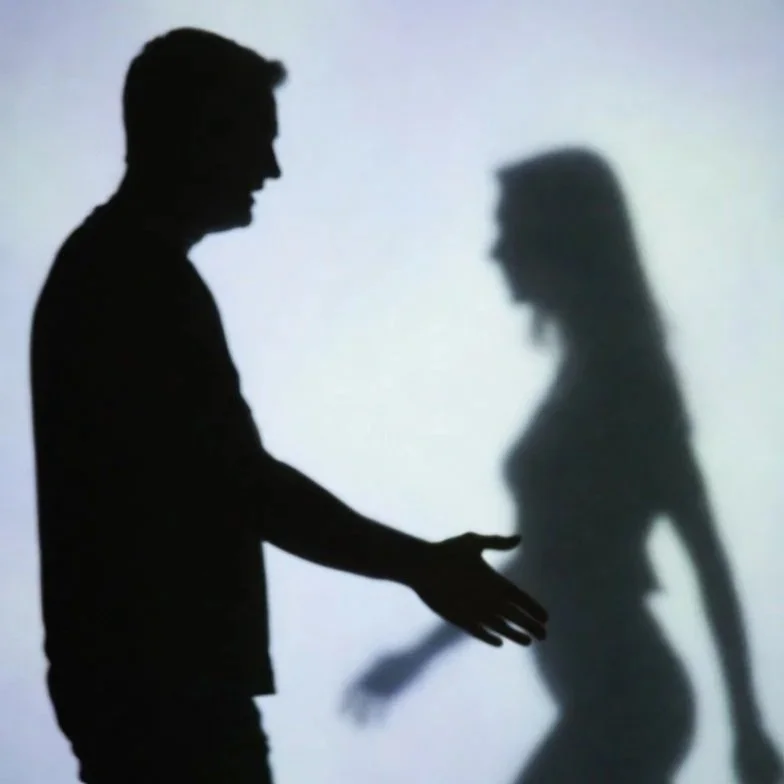
Her Confusion
Losing a family member who is still alive is its own kind of grief. There’s no final conversation, no clear moment of goodbye — just the slow, painful realization that someone I loved has decided I no longer have a place in her life.
For a long time, I accepted her explanation that my words were the problem. They were too long. Too confusing. A messy sandwich of apology and hurt that was hard to follow.
But I don’t believe that anymore.

TGIF
Thank God it’s Friday! Every Friday night, as part of Night Prayer (Compline) in the Christian breviary, the Church prays Psalm 88 — one of the darkest, most honest psalms in the Bible. It doesn’t end with triumphant resolution. It simply ends in darkness. And somehow, that makes it one of the most comforting prayers for those of us living with traumatic brain injury.
Here is the psalm that has become painfully familiar:
Lord my God, I call for help by day, I cry at night before you.
Selling It All
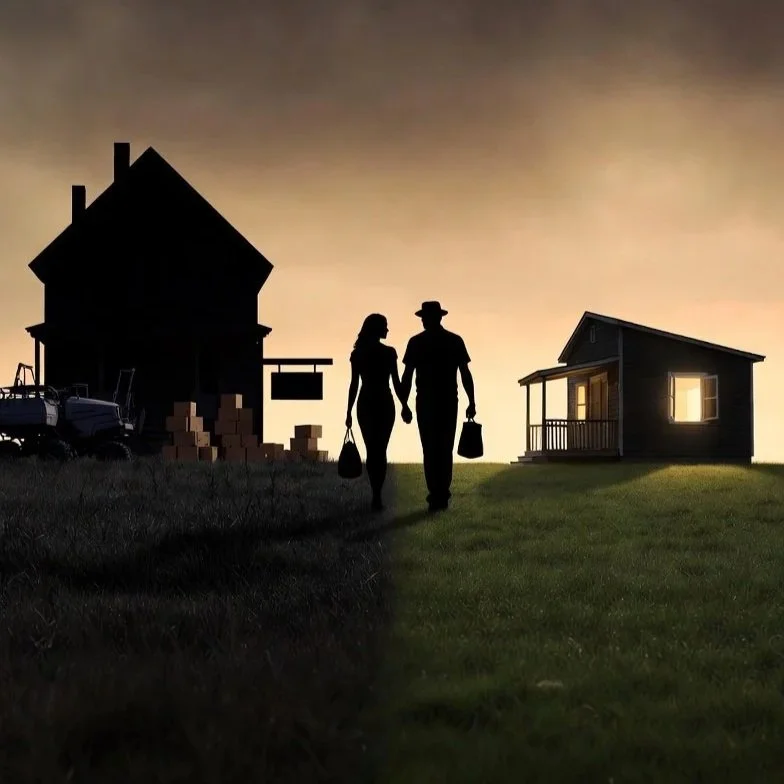
My wife looked at me the other day and said the words I’ve been both dreading and expecting: “We need to sell everything and start over. Build a life that’s actually sustainable with a disabled husband.”
She’s not wrong. And that truth cuts deep. We can’t keep living a life that is no longer ours.
Hope, Abandoned.
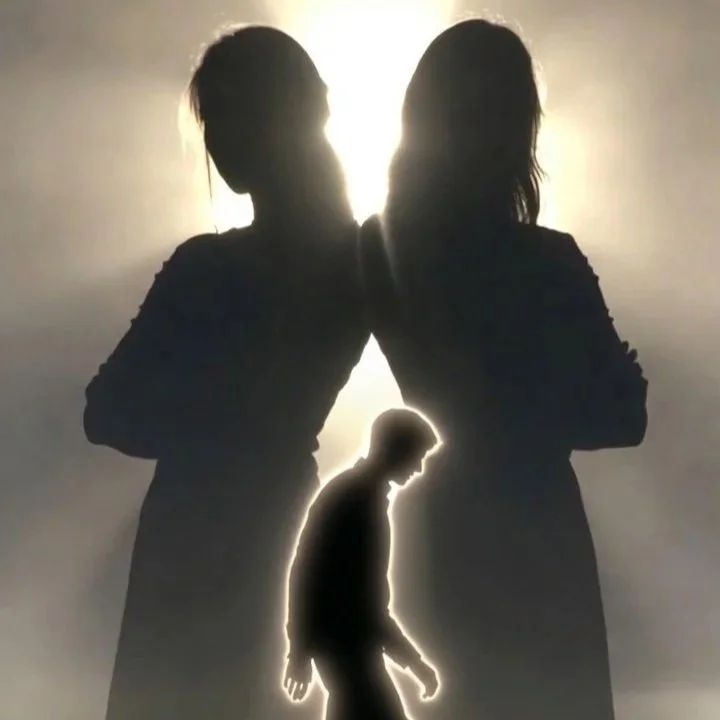
Brain injury recovery strips away many illusions. One of the hardest is the belief that family—especially close family—will always choose you, even when life gets messy and you change in ways no one saw coming. I had clung to the persistent hope that the people who walked away - especially family - might one day come back. That they’ll change their minds, see your progress, and choose reconnection. Today, it’s clear I’ve been avoiding laying that hope to rest for far too long. If anyone else is early in their recovery, and is still holding onto people who have already walked away, learn from my mistake and don't take as long as I have to accept their rejection and finally abandon that false hope of their return.
Finding Hope in Daily Acceptance
Reflections on a Brain Injury Survivor’s Wisdom: Brason Lee
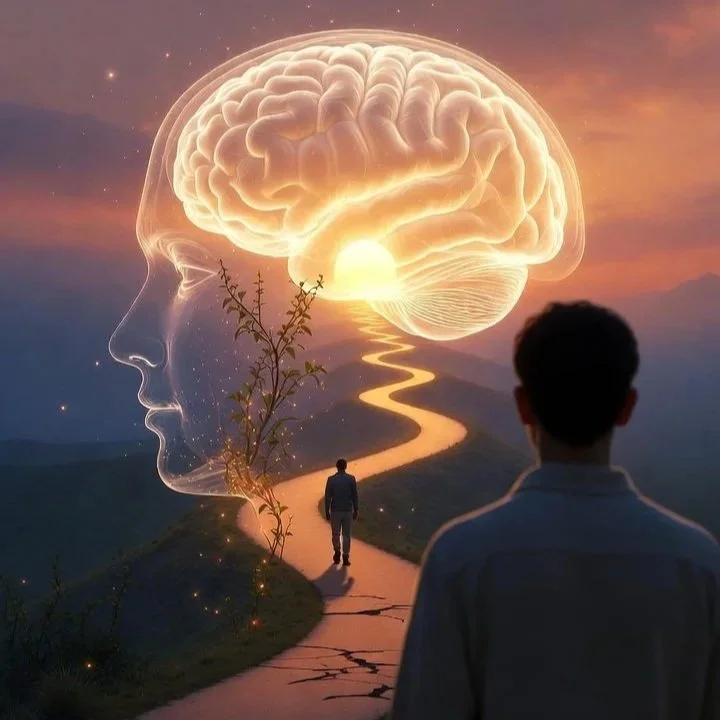
I came across a powerful personal reflection about a year ago in the Journal of Adolescent Health titled "Reflections of a Pediatric Survivor of Traumatic Brain Injury: 42 Years Later." This short but profound piece, written from the perspective of someone looking back on their life after a severe TBI at age 18, resonated deeply with me. It’s not a clinical study or dry medical advice—it’s raw, honest guidance from someone who has walked this path for decades. Reading it felt like receiving a letter from a wiser future self. It became a letter I printed and read each day to remind myself and motivate myself that it will get ok. 42 years of wisdom while I am just a couple of years into mine.
My 3 Year Anniversary
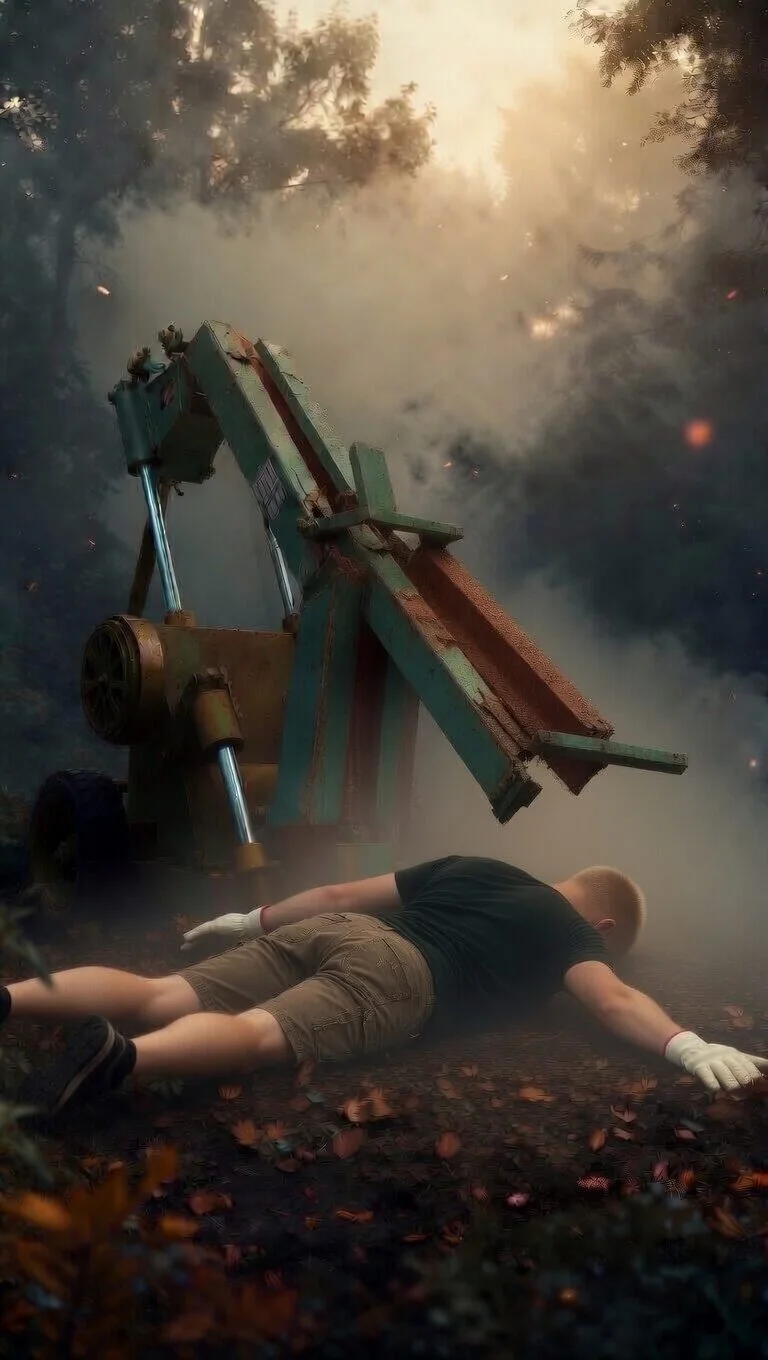
Today marks exactly three years since a wood splitter fell on my head and knocked me unconscious. Three years since the moment everything changed. Three years since I was, in a very real sense, reborn into a life I never asked for.
In the beginning, they told me I would be fine. “Just a concussion,” the ER doctor said. “You’ll bounce back quickly.” I believed them. My family believed them. I rested, followed instructions, and waited for my old self to return. In the days that followed I deteriorated, lost the ability to hold a memory longer than 15 minutes, became a lump on the couch sleeping 20 hours a day, headaches pounding, unable to think, process, watch a screen, forming words one syllable at a time, not able to think of what word was coming next or what word I had just said. After a day or two of almost appearing normal, I had quickly become unrecognizable, like a zombie.
A Dark Room
Finding Light in the Dark Room: What the Documentary “A Dark Room” Revealed About My Own TBI Recovery
Three years after my traumatic brain injury, I watched the 2016 documentary A Dark Room and felt like someone had finally filmed the inside of my head.
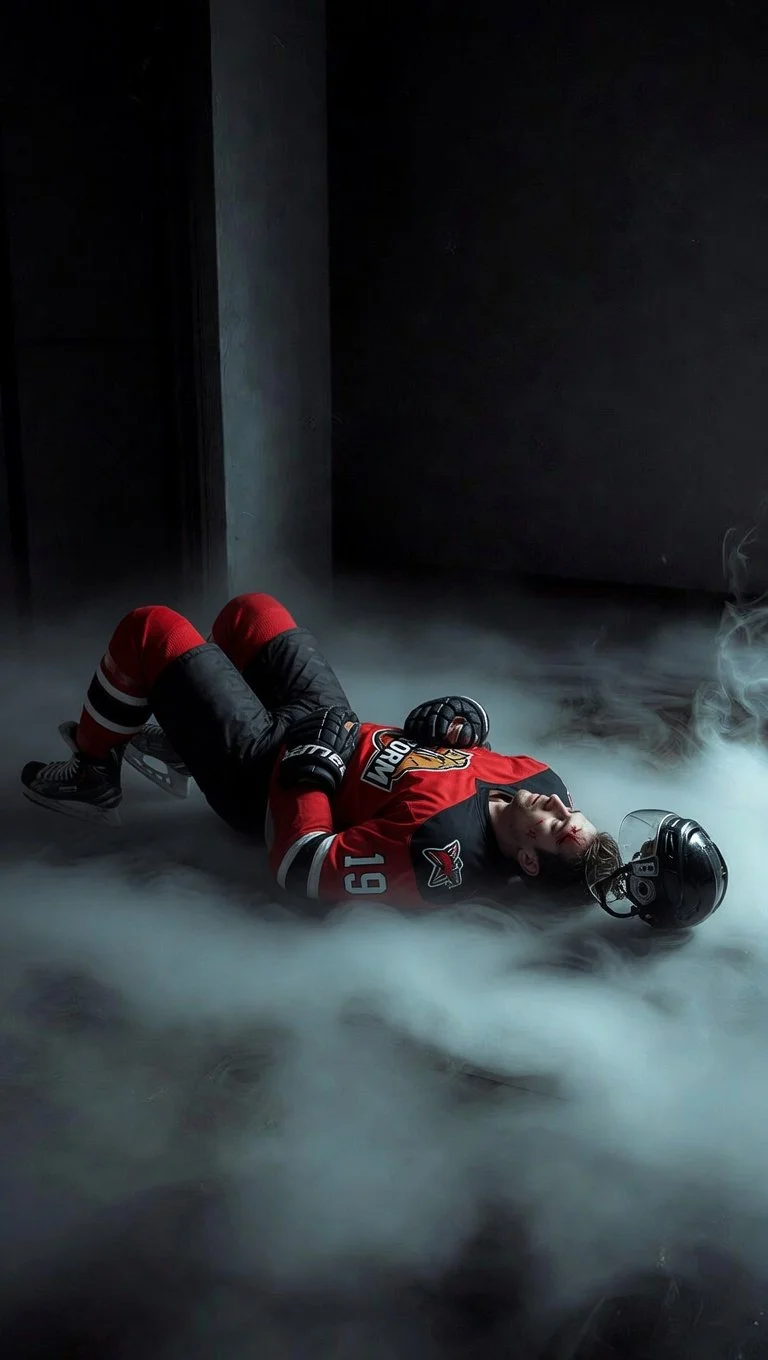
The film follows Max Taylor, a promising young hockey player whose NHL dreams ended when he suffered concussions back-to-back. Afterward, Max spent months literally locked away in a dark room—curtains drawn, lights off, noise intolerable, head pounding, emotions spiraling. He felt isolated, angry at the system that failed him yet still in love with the sport that in some ways made him who he was, and at times was suicidal. The documentary doesn’t sugar-coat it: the “dark room” wasn’t just a recovery recommendation—it became a prison of sensory overload, identity loss, and slow, uncertain healing. Through interviews with other players, doctors, and families, the film exposes hockey’s tough-it-out culture while showing the very real, very human cost of repeated concussions.
Where’s Tommy?
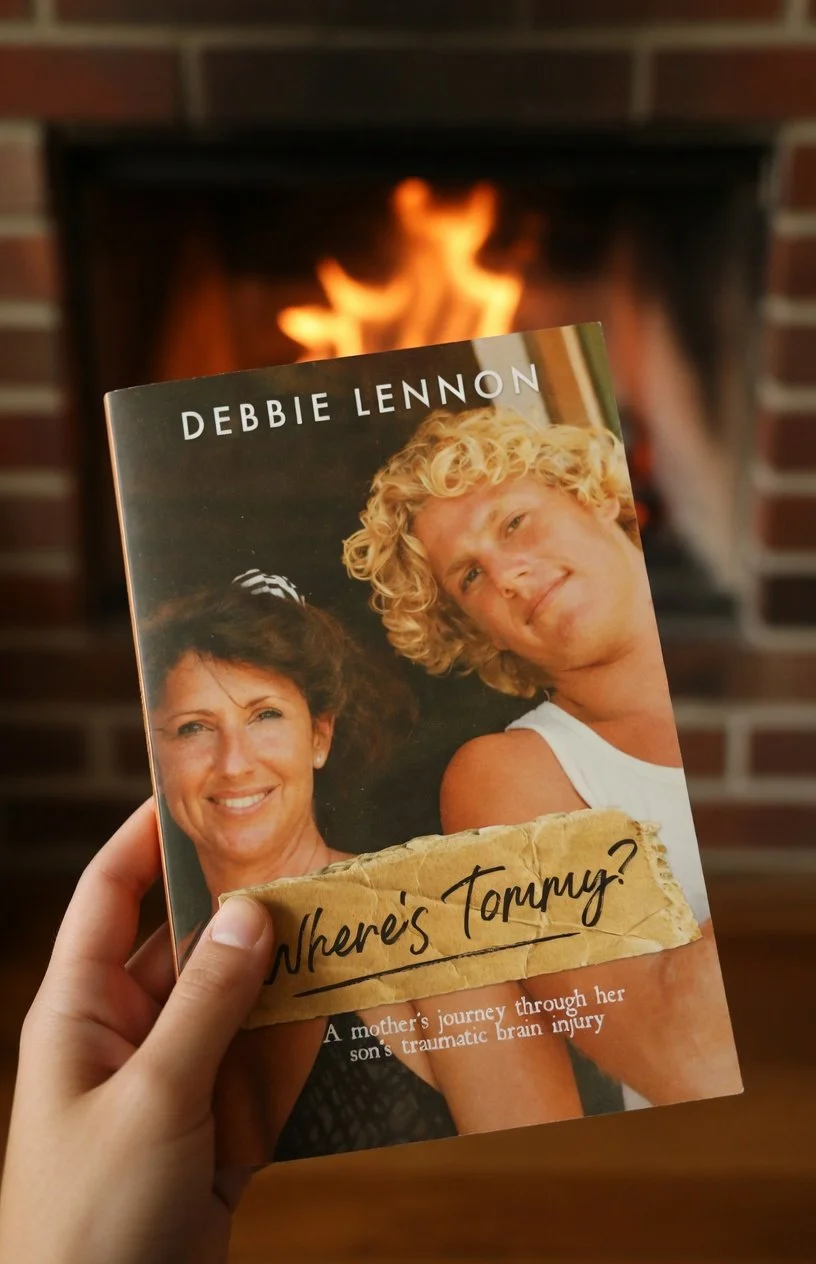
I just finished reading Where's Tommy?: A mother’s journey through her son’s traumatic brain injury by Debbie Lennon – It was a heart-wrenching look at the invisible hell of undiagnosed TBI.
If you've ever wondered why someone’s life can spiral so dramatically after what seems like a “minor” accident, Debbie Lennon’s new memoir Where’s Tommy?: A Mother’s Journey Through Her Son’s Traumatic Brain Injury is required reading.
At 16, Tommy Lennon suffered a surfing accident — a surfboard to the forehead that left him with stitches and what everyone assumed was just a bump on the head. No dramatic coma. No obvious red flags at the ER. Life went on. But there was nothing “minor” about it.
Silent Birthdays
The Ache of Loving a Sister You Can’t Reach
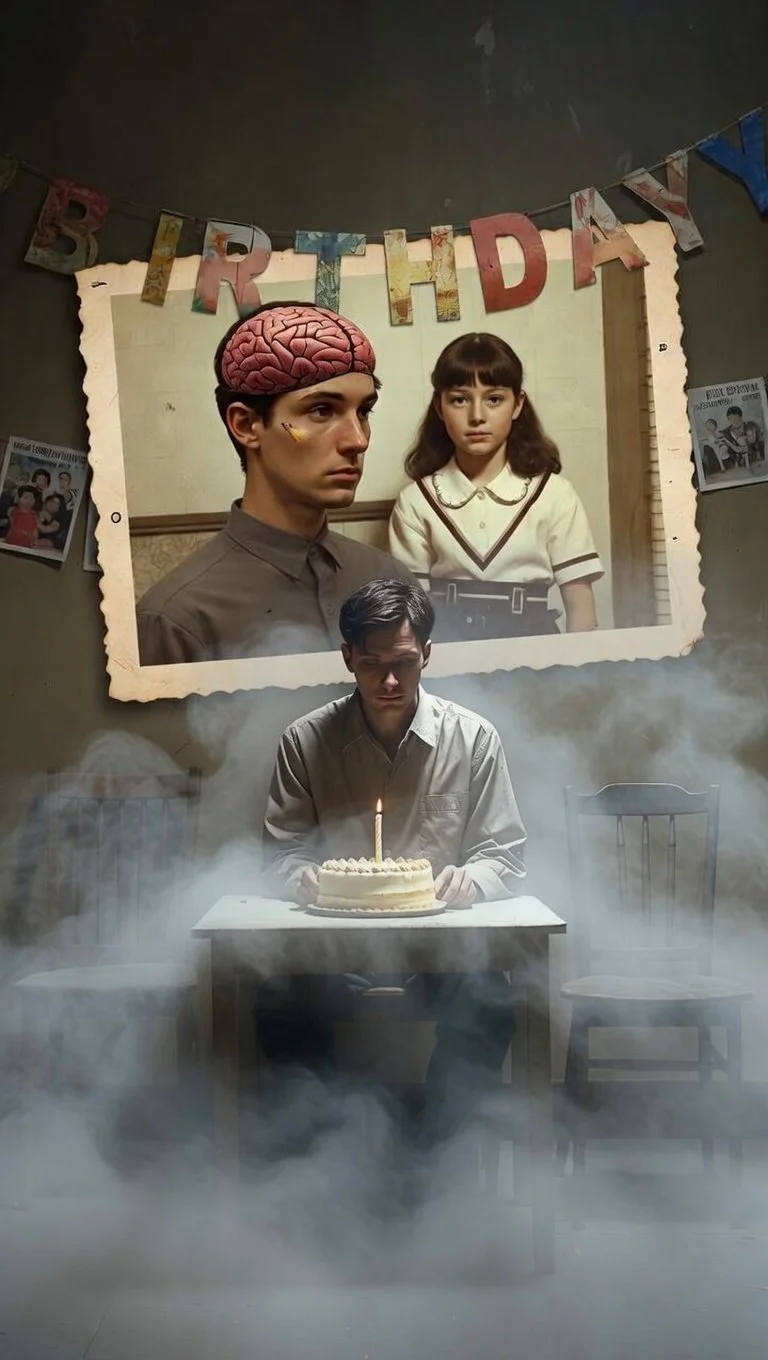
Today is her birthday again.
I know the exact date without looking at a calendar. Some things just etch themselves into you. I wake up, go to pray for her, and there it is—another year where the words “Happy Birthday” sit heavy in my chest like stones I’m not allowed to throw. I type them out in my notes app sometimes. Delete them. Type them again. Then close the app and go make lemonade, because reaching out isn’t an option anymore and all I have left are these lemons. She asked me to leave her alone. And I’m trying—God, I’m trying—to respect that.
It wasn’t always this way. I used to communicate with her every day and she would communicate back with me each day. For years we were close as a brother and sister. We used to see each other often. Enjoy doing fun activities. I’d wish her not only happy birthday but wish her happy feast days, baptismal days, confirmation anniversary days - days she didn’t even know were happening that day until I’d wish it to her. It didn’t used to be silent.
But then came the end of her high school years and the first stretch of college.

Stacking Blocks
Why My Brain Injury Recovery Feels Like Being a Toddler Again
If you’ve ever peeked into the world of brain injury recovery, you know it’s a wild, unpredictable ride. I’m still in the middle of mine, and lately I’ve realized something that makes me smile (and sometimes tear up): it feels exactly like being a toddler all over again. Not in a cute, “aww, look at the baby steps” way—though there are plenty of those in recovery sure—but in the raw, confusing, “what just happened?” kind of way. Let me walk you through it, because if you’re recovering too, or love someone who is, maybe this little comparison will help you feel a little less alone… and a little more hopeful.
The Sudden “Where Am I?” Moments
You know how toddlers sometimes wake up from a nap and have no idea how they got there? Raising five kids, I’ve seen this often in their toddler years. One minute they’re in the car, the next they’re in their crib at home, blinking in total bewilderment. They wake up from their nap and confusion is on their face as they look around at the bustle around them in this new room that is different than the quiet carseat they fell asleep in. That’s my life now with memory gaps.
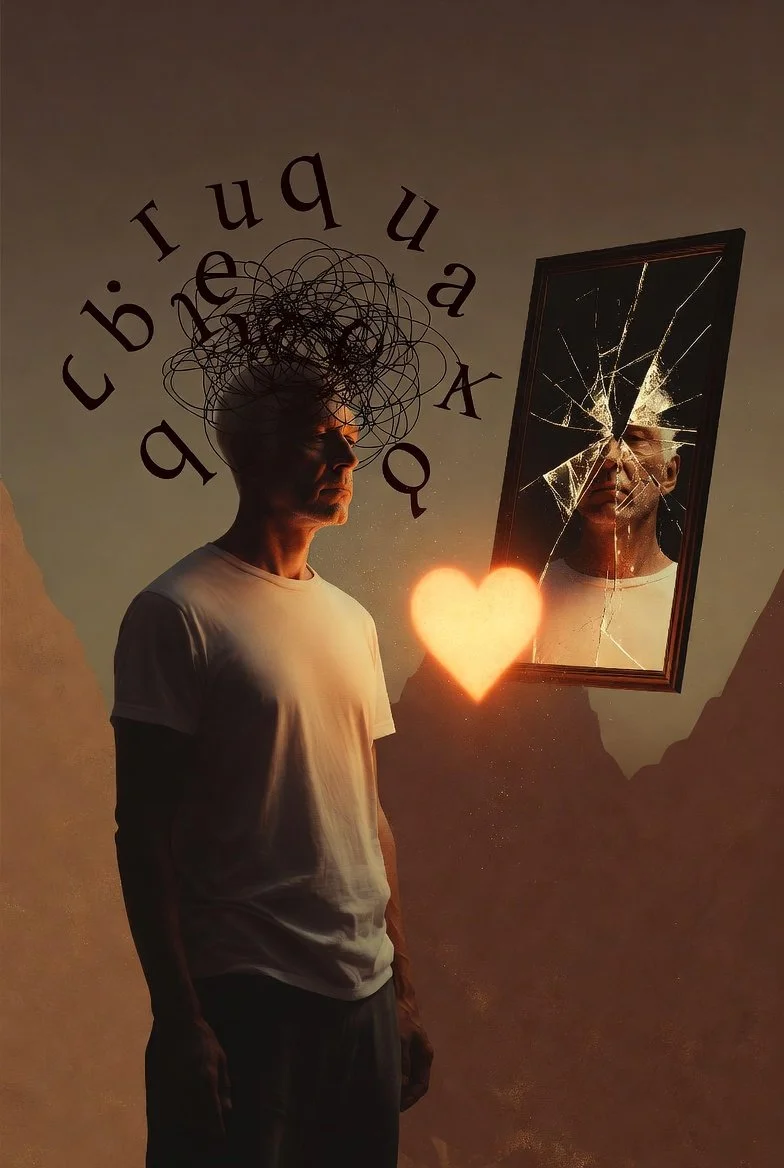
I’m Not Normal
Three years. That’s how long it’s been since I felt like the version of myself that other people used to know.
A traumatic brain injury didn’t just knock me out physically—it rewired how I think, how I speak, how I show up in relationships, and even how I see myself. For a long time I described it the only way that felt honest: I have a broken brain. Some days I still feel like a toddler trapped in an adult body—full of big emotions, zero filter, and the constant fear that I’m never going to be “normal” enough for the people I love.
But here’s what I’ve learned in three years of messy, imperfect recovery: “normal” was never the goal. The goal was honest. The goal was trying. And the goal was slowly becoming someone I could look in the mirror and say, “You’re doing your best, and that’s enough today.” The goal wasn’t to be loved, but to love.
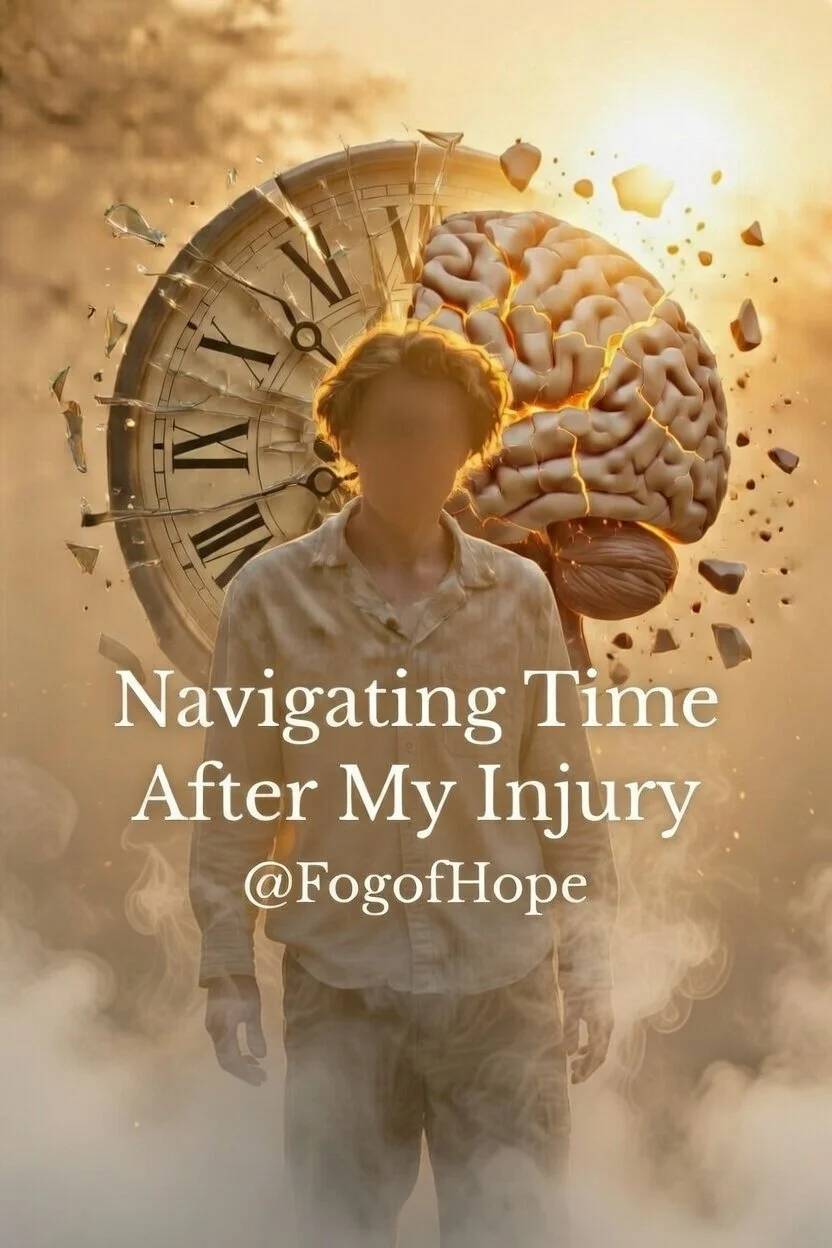
Navigating Time After My Injury
Have you ever felt like time was slipping away, or that minutes stretched into hours during a mundane task? For most people, these are fleeting experiences. I remember when that used to be the case. But for those recovering from a traumatic brain injury (TBI), such distortions in time perception can become a daily reality, intertwined with memory challenges that make even simple routines feel overwhelming.
Today is Daylight Savings Time where we artificially adjust time. An “hour” of time just elapsed in less than a second. While not the same as these experiences of time within brain injury recovery, the reality experienced is often quite similar. How is it now an hour later without feeling like any time has passed and no idea how I got here in this new room or what I am doing? Weren’t we just eating? Imagine Daylight Savings Time adjustments occurring all of the time and unpredictably without warning. For caregivers repeating the same conversation with the patient, like the “Fall Back” hour, wasn’t it already this time of day??! This conversation again?!
For me, pondering the difficulties experienced from this phenomenon leads to the question of why this is happening? Why can’t I just experience time like normal again?

Whose Lens Are You Looking Through?
I recently attended a life-changing educational opportunity with thirteen other incredible professionals. After six months of coursework together, we met for a two-week capstone course on leadership.
On the first day together, we encountered an activity as a group together surrounding the importance of checking our perspectives, our lenses, that we are looking through. Depending on the color of lenses, different numbers on a page of paper were visible to different people. The reality didn’t change, but only with the correct lens color could all of the numbers be seen.