
Something Terrible Happened
There are many calls a 911 dispatcher never forgets.
Traumatic car accidents, attacks with weapons, the medical emergencies, the structure fires, the fatalities - even when deaths of natural causes. Those are hard. They stay with you. But among the most difficult ones that cut deepest are the sexual assault calls.
You learn the sound of a voice that has been shattered.
Overwhelming Calls
There is a type of overwhelm that arrives after a brain injury that is hard to explain to people who have never lived it.
You are on a phone call that actually matters. Logistics that need to be sorted. Details that cannot wait. Someone on the other end is speaking, expecting answers, expecting you to track the conversation and respond in real time. At the same time, the room you are sitting in is not quiet. There is conversation happening nearby. Background noise that would normally be easy to filter out. Voices overlapping. Movement. Kids playing. Sound that keeps arriving whether you want it or not.
She’s Doing 100
There is a heavy weight that settles in the house when my wife feels defeated.
It does not always arrive with raised voices. Sometimes it arrives in the quiet after a long workday, when the plan we thought we had never quite got spoken out loud. I thought we were supposed to go shopping. School clothes for our son. Groceries to restock the fridge, freezer, and pantry after the camping trips. The odds and ends. The little snacks the kids wanted to buy with the money they earned doing jobs. Ordinary family logistics that used to feel manageable.
Entrusting Them Anyway
I woke up the way I often do—still half in the soft dark, the room quiet enough that my thoughts had nowhere to hide. Before the day could fully arrive, I prayed for them alongside my family members and those closest to us. The ones I loved. Names that still sit easily in my mouth. I asked for their safety, their peace, whatever quiet good might reach them. It felt ordinary. Familiar. Like stretching a muscle that still remembers how to move
Save the Date
A save-the-date arrived in the mail yesterday.
For my sister’s wedding.
I stared at it longer than I expected. The paper, the design, the names, the date — all ordinary details for most people. For me, it felt like an unexpected knock on a door that has been deliberately closed for years.
She asked for distance. She reinforced it. She has maintained it. And now this small piece of paper asks me to hold space for a day that, by every signal she has given, I am not meant to share.
Her Joy
There’s a particular kind of quiet that settles in when someone you love asks you to leave them alone. It’s not the quiet of peace. It’s the quiet of absence—of a voice that used to fill the room, of footsteps that used to cross the hallway, of a presence that once felt permanent. My sister made that request, and I have been honoring it for longer than any sibling should ever have to. Distance, in this case, is the only way I’m allowed to exist to her right now.
Unrooted Relationship
We went for a hike this weekend on a trail that should have been easy. The kind of path that winds through quiet woods, dappled light, the soft crunch of leaves underfoot. It should have been simple. Restorative, even. Instead I spent half the walk watching my feet like a stranger learning to walk again.
The Lone Fire
Last night I sat by a campfire longer than I meant to. The wood had already settled into that low, steady burn—embers shifting, occasional soft crack, the kind of heat that reaches you without demanding attention. Around me the dark was simple. No screens. No noise that needed sorting. Just the fire and me.
A Fork in the Road
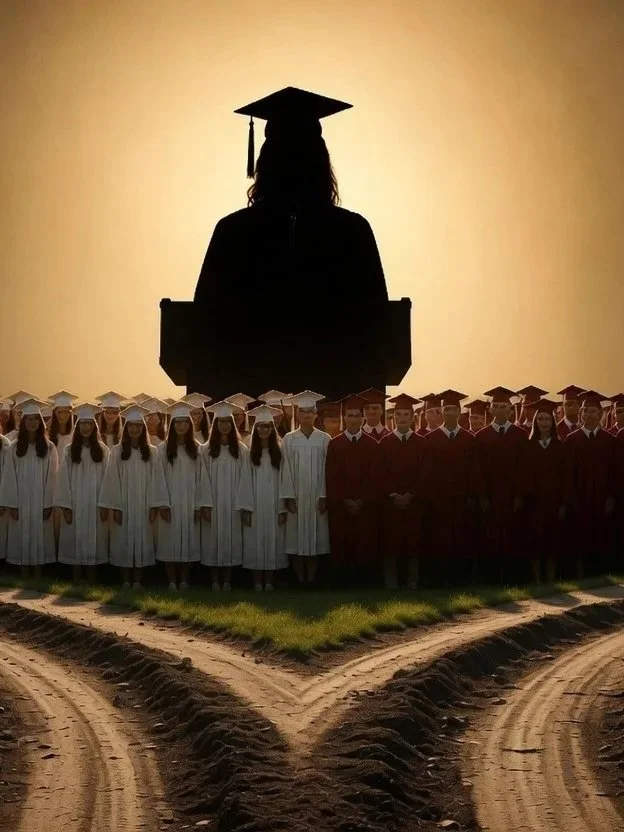
For months I had been counting down the days. My sister’s high school graduation wasn’t just another family milestone—it was the closing of a chapter she had poured herself into, one we had been proud to witness and walk with her through. She had been an award-winning speaker, the kind of person who was a blessing to everyone who saw her and could hold any room with her words. Now she would stand at the podium as the class speaker, delivering the speech she had written herself to her classmates and community. I wanted to be there for every second of it. I wanted to watch the fruits of her hard work come to a close and see her step into whatever came next
It's Camping Day!
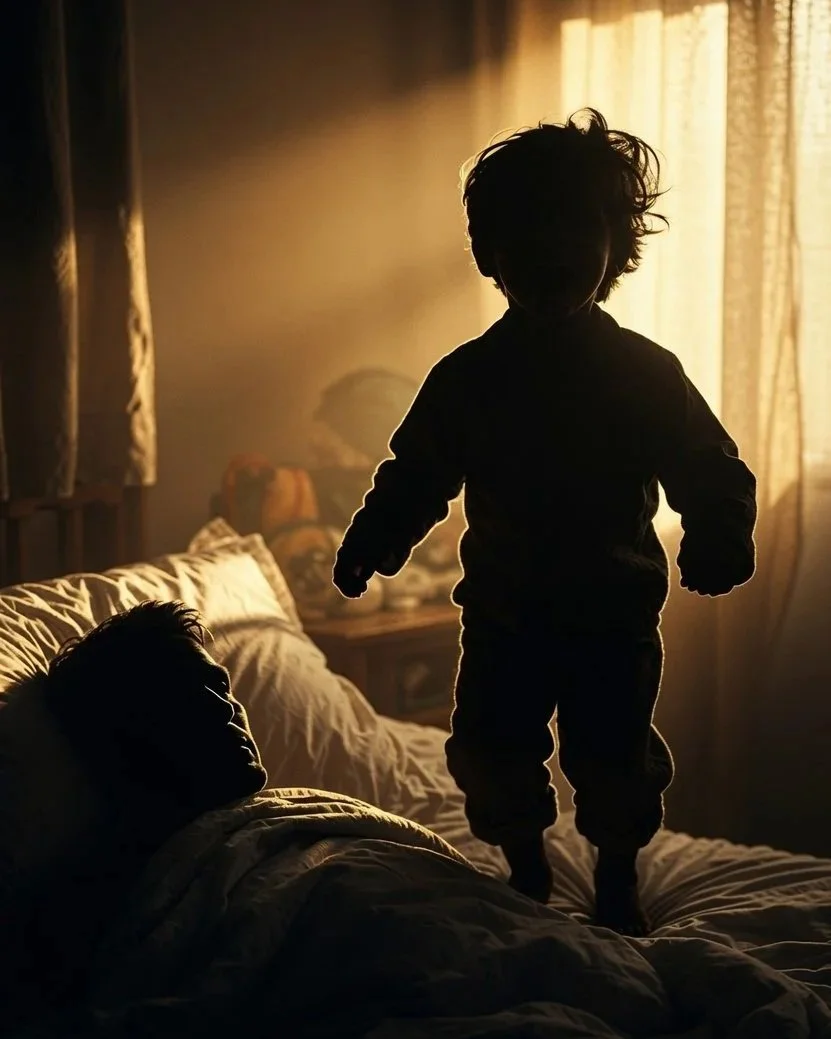
I woke up with a headache already settled in, the kind that makes the light feel sharper and the sheets feel heavier. My body felt crummy in that familiar post-TBI way—foggy, low-energy, like I was moving through water even before I sat up. Some mornings the injury still decides the tone of the day before I do.
Then I opened my eyes.

Locked Up By Family
In the spiritual life, few pains cut as deeply as loving fiercely—pouring out your heart, time, prayers, and sacrifices—only to encounter indifference or outright rejection from those you hold dear. Whether it is a family member, a close friend, a spouse, or someone you’ve invested in spiritually, the experience can feel like a profound abandonment. Yet the Church does not leave us without hope or guidance. Catholic teaching invites us to see this suffering through the lens of the Cross: love is often unreturned in this fallen world, but it is never wasted when offered to Christ.
What I Didn't Know
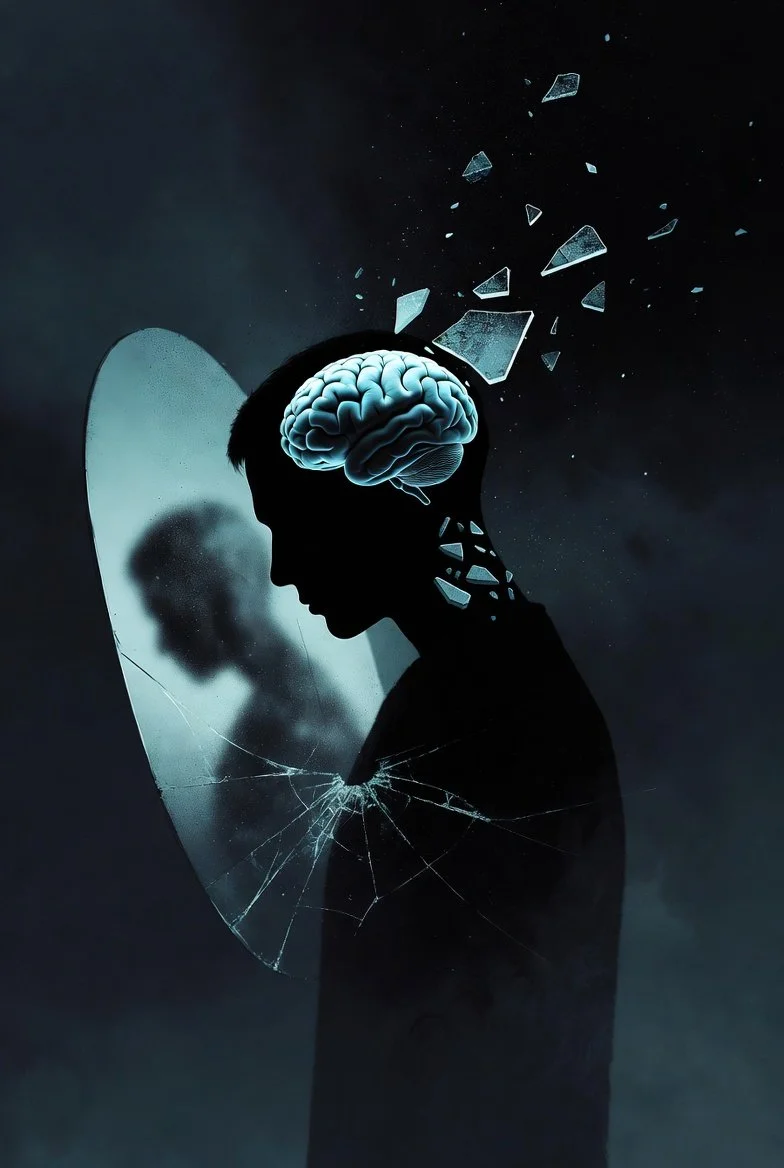
I didn’t know I was broken.
That’s a sentence that still catches in my throat years later. Not “I didn’t want to admit it.” Not “I was in denial.” I genuinely, viscerally did not know. I reread my journals and it's crystal clear now. But then, it's clear in my notes I was unaware of what the symptoms were so clearly screaming at me
Stripped Away Illusions
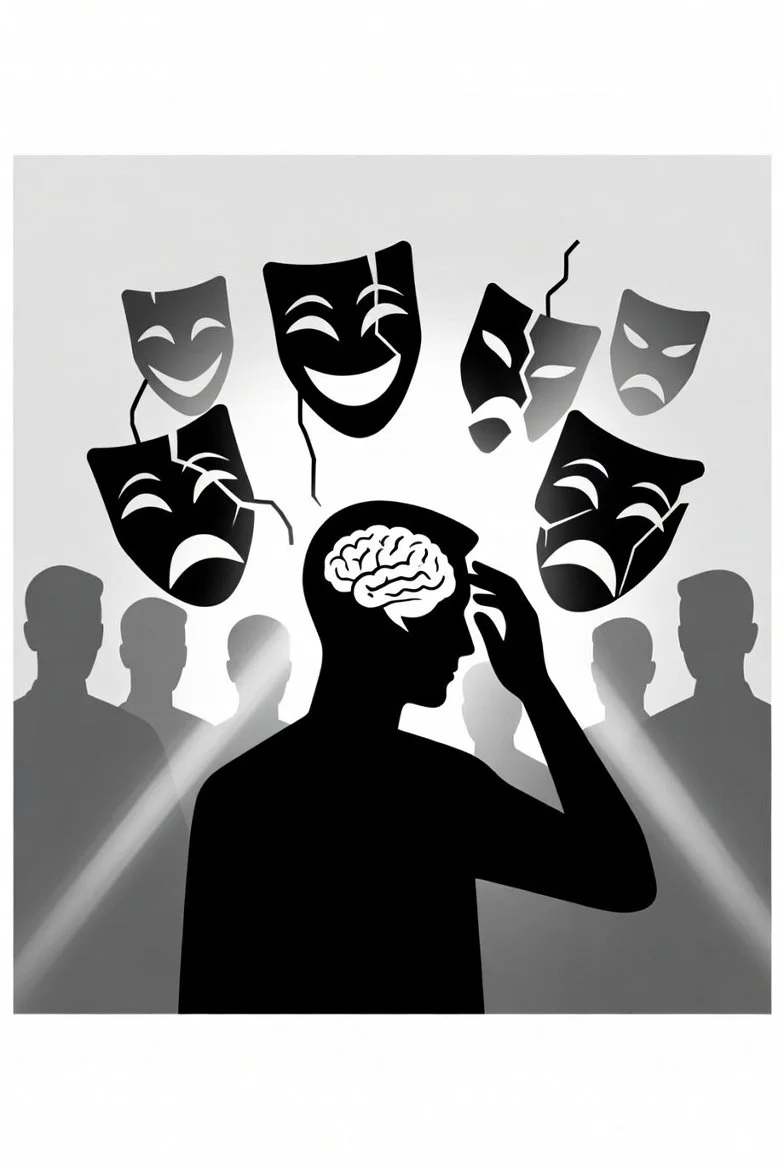
Living with a brain injury changes more than your cognition. It strips away illusions. Your energy is limited, your emotions can feel amplified or blunted, and your tolerance for pretense drops dramatically. Two and a half years ago, on one ordinary day that now stands out sharply, I discovered something that still echoes: some people you wake up caring about every single day simply don’t care back. Not in the way you need. Not in the way that sustains connection.
I Wished I Died
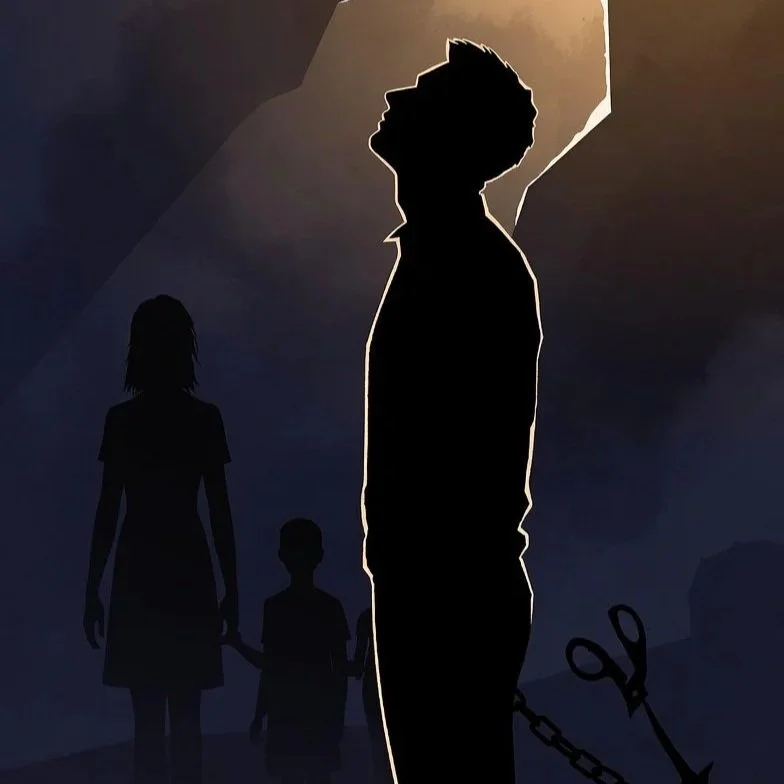
In the earliest days, months, and years after my traumatic brain injury, I wrote things in my journal I can barely read now without tears.
I wished — more than once — that I had simply died in that moment of impact instead of surviving with a brain that would never be the same.
I Don’t Get It
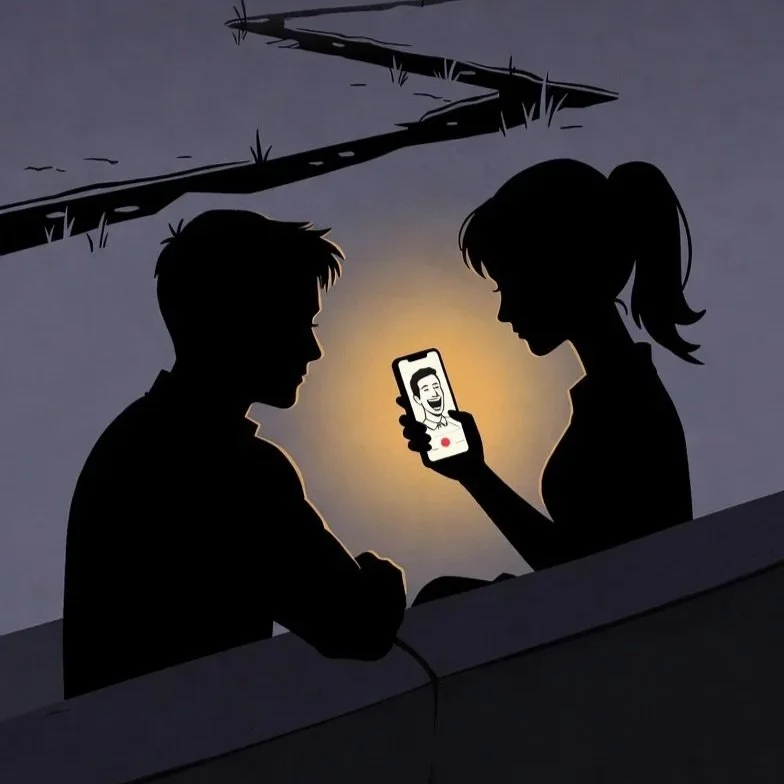
Last night my wife was showing a comedian to the family — someone she had discovered in the last couple of years. As everyone laughed, it hit me: she hadn’t shared this with me. Not because she didn’t want to, but because she knew it probably wouldn’t land.
A Photo Book
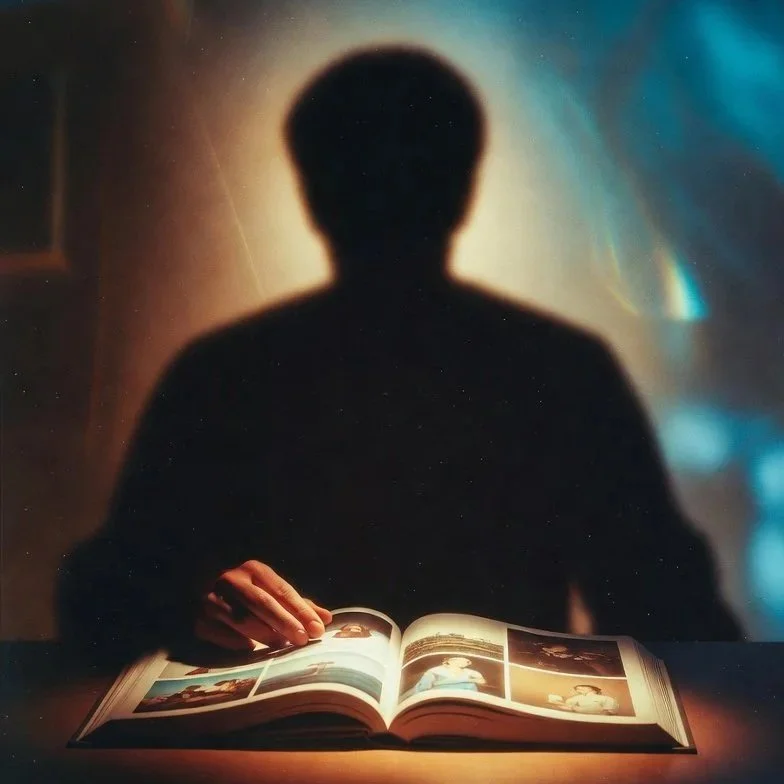
On my desk today, I found a photo book my sister had given me for last Christmas. Three years of my life, carefully compiled into thick, glossy pages. Family gatherings, holidays, trips, everyday moments — all beautifully arranged with love and attention to detail. She had reached out to both our immediate family and extended relatives on both sides to collect the pictures. She took the time to do this for me. It stood out in contrast with other sisters I used to everyday at a minimum share a picture of our life and they would each share a picture of theirs. Every day I wake and that daily relationship from before is gone. But these pictures were here. A book with three years of the highlights of my family’s memories at least.
BOGO Thursday Wings
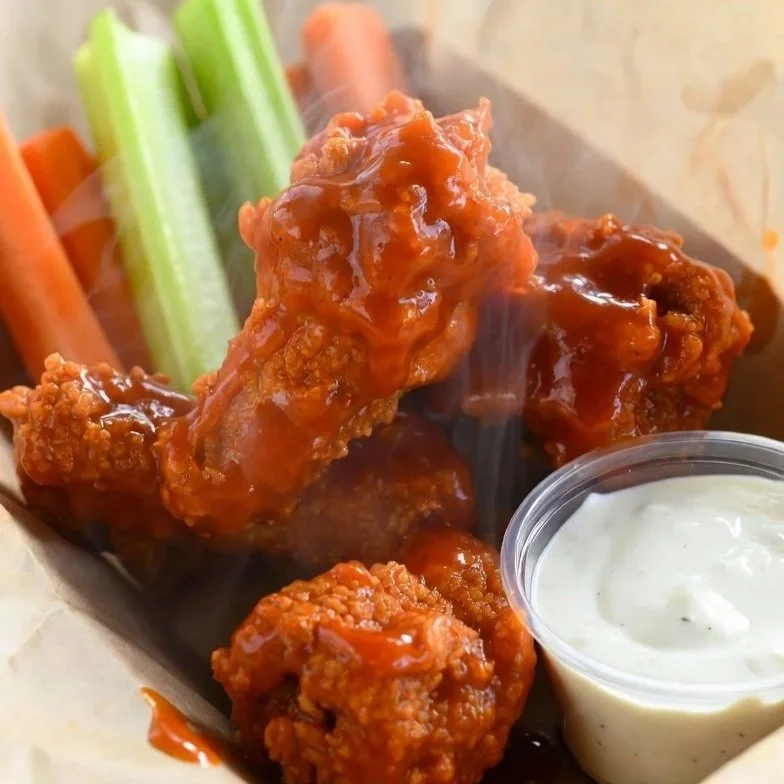
It’s Thursday evening. I open my feed, and there it is — a bright, mouth-watering ad for Buffalo Wild Wings: Buy One, Get One Free wings.
Yum. I’m hungry. Yes, please.
Before my brain injury, I might have scrolled past or paused to consider whether we actually needed wings that night. Post-TBI? The impulse hits like a freight train. That looks good. That fills a need. I’ll take it. Order placed in under 60 seconds.
Welcome to one of the most common — and most frustrating — realities of life after traumatic brain injury: impulsivity.
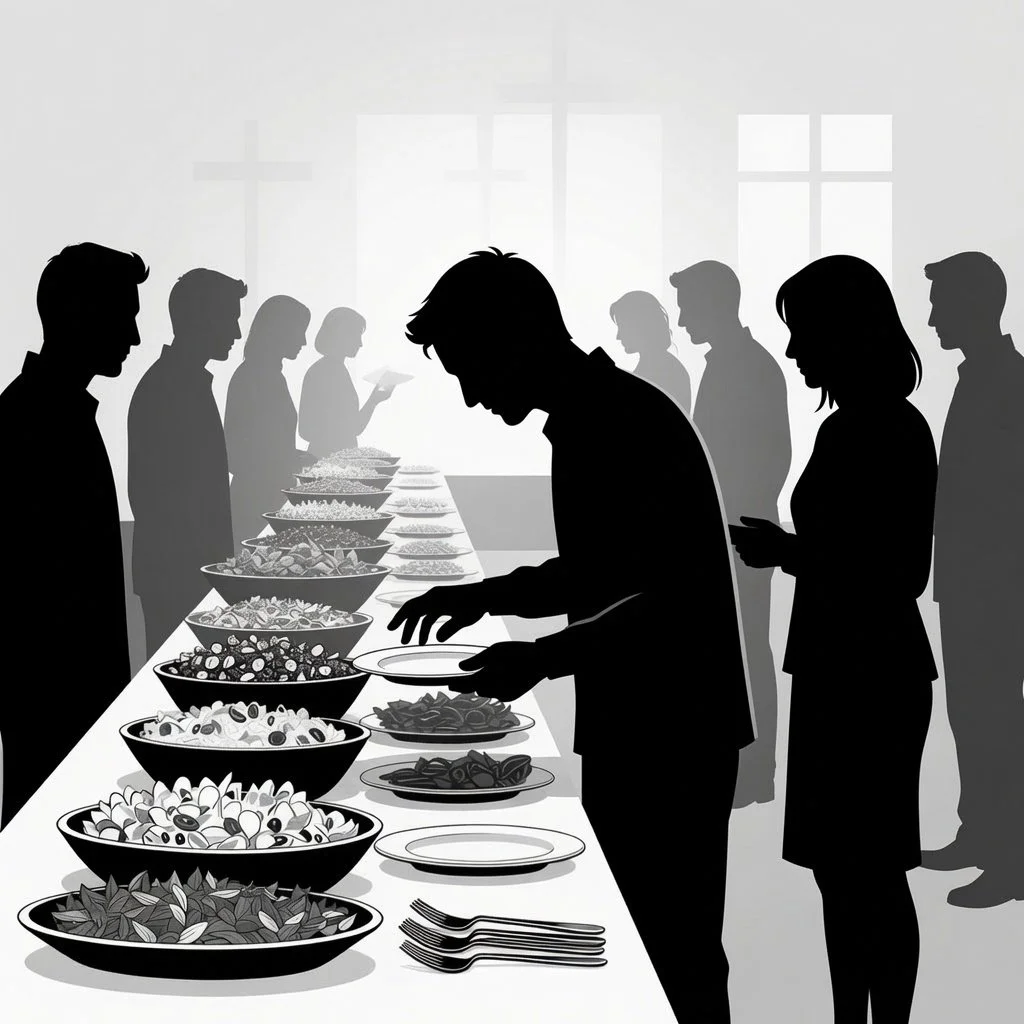
Chaotic Salad Luncheon
I came home from work already running on empty. The kind of exhausted that a brain injury turns from “tired” into something heavier, like trying to push through wet concrete. But we’d planned this. It was the church salad luncheon fundraiser—nothing fancy, just a community meal to support a good cause. I told myself I could do it. I wanted to do it. For my family. For the habit of showing up. And I was hungry too.
The moment we walked in, the room hit me like a wave. Noise everywhere—clinking plates, overlapping conversations, laughter bouncing off the walls. The space was packed with people, and the bright lights overhead felt like spotlights aimed directly at my skull. My brain immediately started glitching. Focus scattered. Sensory overload dialed up to eleven