
Love’s Closed Door
After fourteen years of knowing each other, my sister has made her position unmistakably clear: she does not want me to know her, she has no desire to know me, and she wants me out of her life. She has reinforced this boundary repeatedly. By contrast, in just one year she went from meeting a stranger to agreeing to marry him. Yet after everything we shared over those fourteen years, she continues to insist that I leave her alone. Still, she speaks of wanting a picture-perfect wedding day surrounded by a “loving family.” Yet by her repeated choice to cut us out of her life, she actively prevents and makes impossible the very love and communion she says she desires.
TGIF
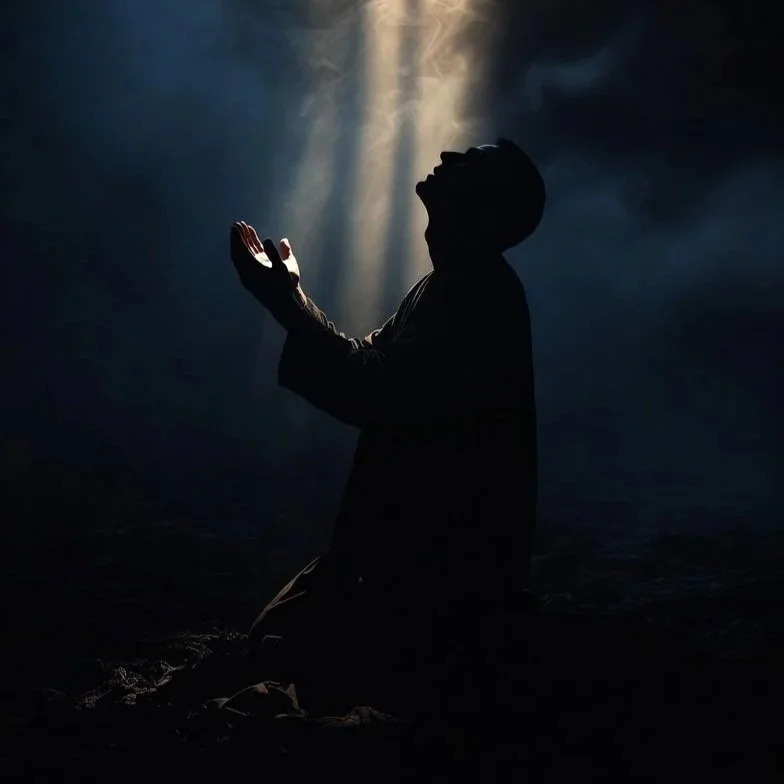
Thank God it’s Friday! Every Friday night, as part of Night Prayer (Compline) in the Christian breviary, the Church prays Psalm 88 — one of the darkest, most honest psalms in the Bible. It doesn’t end with triumphant resolution. It simply ends in darkness. And somehow, that makes it one of the most comforting prayers for those of us living with traumatic brain injury.
Here is the psalm that has become painfully familiar:
Lord my God, I call for help by day, I cry at night before you.

Hidden Monastic Hope
Living with a traumatic brain injury often feels like a hidden, relentless cross. The fatigue, the dizziness, the cognitive struggles, the way it reshapes your role as a spouse, parent, and provider — it can all feel isolating and unending. In those dark moments, many of us turn to the saints who understood suffering. For me, St. Charbel Makhlouf has become a powerful source of comfort and hope.