Hidden Monastic Hope
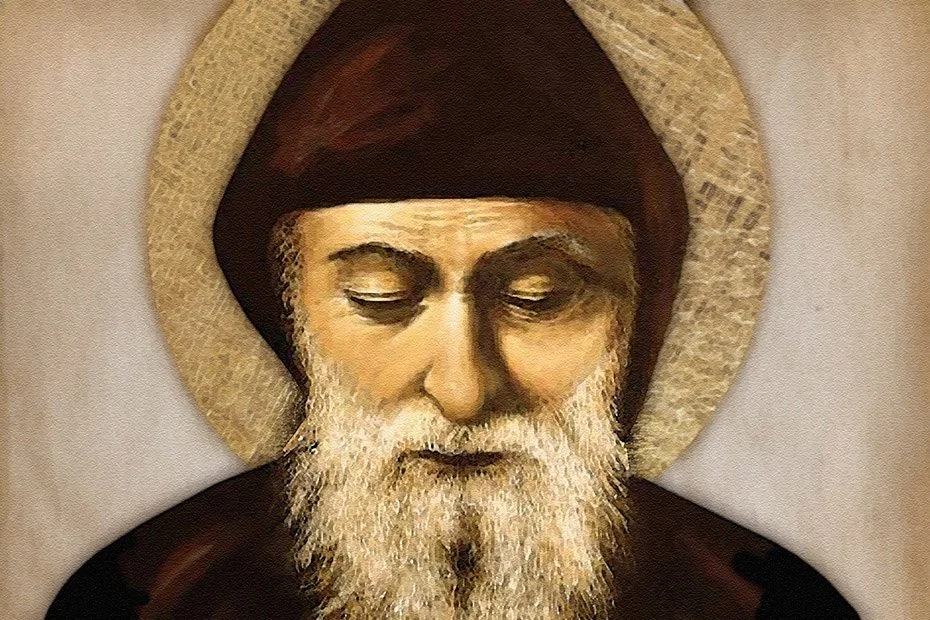
Living with a traumatic brain injury often feels like a hidden, relentless cross. The fatigue, the dizziness, the cognitive struggles, the way it reshapes your role as a spouse, parent, and provider — it can all feel isolating and unending. In those dark moments, many of us turn to the saints who understood suffering. For me, St. Charbel Makhlouf has become a powerful source of comfort and hope.
Who Was St. Charbel?
St. Charbel (also known as Sharbel Makhlouf) was a Maronite Catholic monk and hermit from Lebanon, born in 1828 and died in 1898. He grew up in deep poverty in a remote mountain village. He lost his father at the tender age of three — a mule driver taken by forced labor. His mother raised him with strong faith, and from a young age, Charbel was drawn to prayer and solitude.
He entered monastic life, was ordained a priest, and eventually became a hermit, living in near-total silence and austerity for the final decades of his life. On Christmas Eve 1898, while celebrating Mass, he suffered a stroke. He passed away after eight days of repeating the words of the liturgy.
The Saint of Miracles and Hidden Pain
What makes St. Charbel especially meaningful for those of us walking the TBI journey is his powerful legacy of healing — particularly for neurological conditions, chronic illness, paralysis, strokes, and seemingly incurable diseases. His tomb in Annaya, Lebanon, has become a place of countless documented miracles. Even today, people from all faiths report profound healings after praying to him or using the oil from his shrine. He is often called the “Miracle Monk” or the “Heavenly Doctor.” His body was found incorrupt, and the miracles associated with him continue more than 125 years after his death.
While I deeply long for full physical healing of my brain injury, I have also found St. Charbel to be a source of healing in a different, quieter way — through companionship and friendship in suffering. His lifelong draw to prayer and solitude offers great comfort to those of us who now live with a kind of forced isolation. Many of us once lived surrounded by close family and friends, only to find that our days now begin and end in the solitude that brain injury so often brings.
St. Charbel lived in near-total silence for decades. When my words won’t come out right, when friends and family have stepped away and rejected, and when my brain simply will not process anymore — I remember that he walked a similar path of hidden suffering. And in that silence, he drew closer to God. That is my hope too. Even in the loneliness, the cognitive struggles, and the long setbacks, God is still present. St. Charbel shows us a way forward: that a life of prayer and surrender can still be fruitful, even when everything else has changed.
While I continue to pray for a miracle of physical healing, I am learning that God sometimes works miracles in ways we cannot immediately see — through deeper faith, quiet strength, and the companionship of saints who understand our pain.
Why St. Charbel Speaks to Brain Injury Recovery
Brain injury recovery is rarely dramatic or quick. It’s a long, hidden road of small daily battles — fighting fatigue, managing autonomic dysfunction, grieving lost abilities, and trying to show up for your family even when your body and brain say no.
St. Charbel’s life mirrors many aspects of this struggle:
Early family loss and hardship — He knew grief and limitation from childhood.
Hidden suffering — His years as a hermit were marked by extreme physical austerity, silence, and prayer. Much of his holiness happened away from public view — much like the invisible nature of TBI.
Stroke and physical decline — His final days came after a stroke, connecting him directly to neurological suffering.
Enduring fruitfulness — Even in weakness and death, his intercession brings profound healing to others.
For families impacted by TBI, St. Charbel also offers hope. He spoke strongly about protecting the family through prayer and fidelity. In the midst of role changes, caregiver exhaustion, and children carrying unexpected emotional loads, his witness reminds us that God can bring unity and strength out of prolonged adversity.
A Saint for the Long Haul
TBI recovery teaches patience like few things do. Some days you feel like you’re barely moving forward. St. Charbel shows us that a life surrendered to God — even in weakness and solitude — can bear incredible fruit. His miracles he obtains from God often come to those who have prayed for a long time without seeing immediate change.
He reminds us that healing can look different than we expect. It may not always mean full physical restoration (though many have received that through his intercession), but it can mean deeper peace, stronger family bonds, renewed faith, and the ability to keep loving through the pain.
Prayer to St. Charbel for Brain Injury Recovery
O Saint Charbel, powerful intercessor with God, You who lived in silence, solitude, and hidden suffering, Look with mercy on those of us struggling with brain injury. Heal what is broken in our minds and bodies. Give strength to our families, comfort to our spouses and children, and patience to our weary hearts. Through your intercession, may God grant us the healing we need — in body, mind, and soul — according to His holy will. Amen.
If you are walking this TBI path — whether as the injured person, a caregiver, or a family member — consider asking St. Charbel to walk with you. Many have found that invoking his help brings not only physical relief but also the spiritual endurance needed for the long journey of recovery.
St. Charbel, pray for us.