
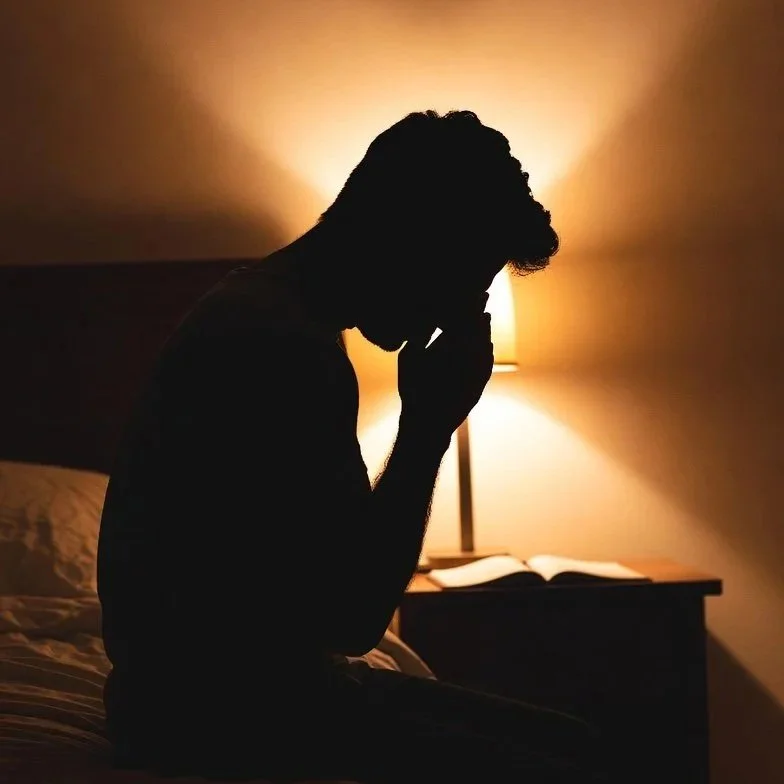
I Cried Successfully Today
This morning I woke up and did what I always do now: I reread the notes about my life. The big reminders. The checklist of what I need to know to be successful each day. I studied them like they were instructions for a job I used to know how to do without thinking. Because they are. Even with them, they still often are not enough to be ‘successful’ each day.

Suicide After Concussion
When TBI Makes Suicide Feel Like the Only Option – And Why You Still Matter
I’ve met too many survivors of TBI that I met too late to still know them while they were alive. I met others that then didn’t show up the next meeting because they had lost their battle. They had encountered this living change surviving their injury and battling each day and found themselves part of an unfortunate statistic. I’ll share some of those statistics below. But they aren’t a statistic. Each one of them is a person. A person who loved and was and is loved. A person with a story. An incredible story. Even after their deaths, I learn from their stories, from their loved ones, from the legacies, and yes from their pain. The pain of living with a traumatic brain injury (TBI) can feel like fighting a war inside your own head — one that no one else can fully see and even the patient can’t fully see or understand themselves at times. Some days the battle gets so heavy that ending it all starts to feel like the only way to find peace. I know this darkness. Many of us in the brain injury community do. In fact, almost every survivor I have met shares the exact sentiment in their early months of wishing they could just reach in their head and pull their own brain out. But I also know there is light, even though it is not always visible each day. It is there, even when not seen in the moment.
This post is not about glamorizing pain or pretending everything gets magically better. It’s about naming the real reasons suicide can feel rational after TBI — for both survivors and their caregivers — and then honestly laying out why staying here is still worth it. Because it is. There is hope, and you are not alone - many of us have felt those exact feelings, the exact darkness, the exact pain - even though your story is incredibly unique and deserving of being heard.

My Transmission is Shot
When Your Transmission Goes Out: What Car Trouble Taught Me About Living with a Brain Injury
We had a vehicle with a transmission starting to fail. The vehicle would act strange. The engine was revving, but the power wasn’t reaching the wheels the way it should. Shifting felt delayed and clunky. We made it home, but the warning lights came on, and we knew something was seriously wrong with the transmission.
After a painful diagnostic visit, the mechanic confirmed it: transmission is failing. Not a cheap or simple fix. The part that transfers power from the engine to the drivetrain was damaged, and without it, the vehicle couldn’t do what it was built for—even though the engine itself was still running strong. Sound familiar?
That moment hit me hard because it mirrored exactly what happened to my brain three years ago after my traumatic brain injury (TBI).
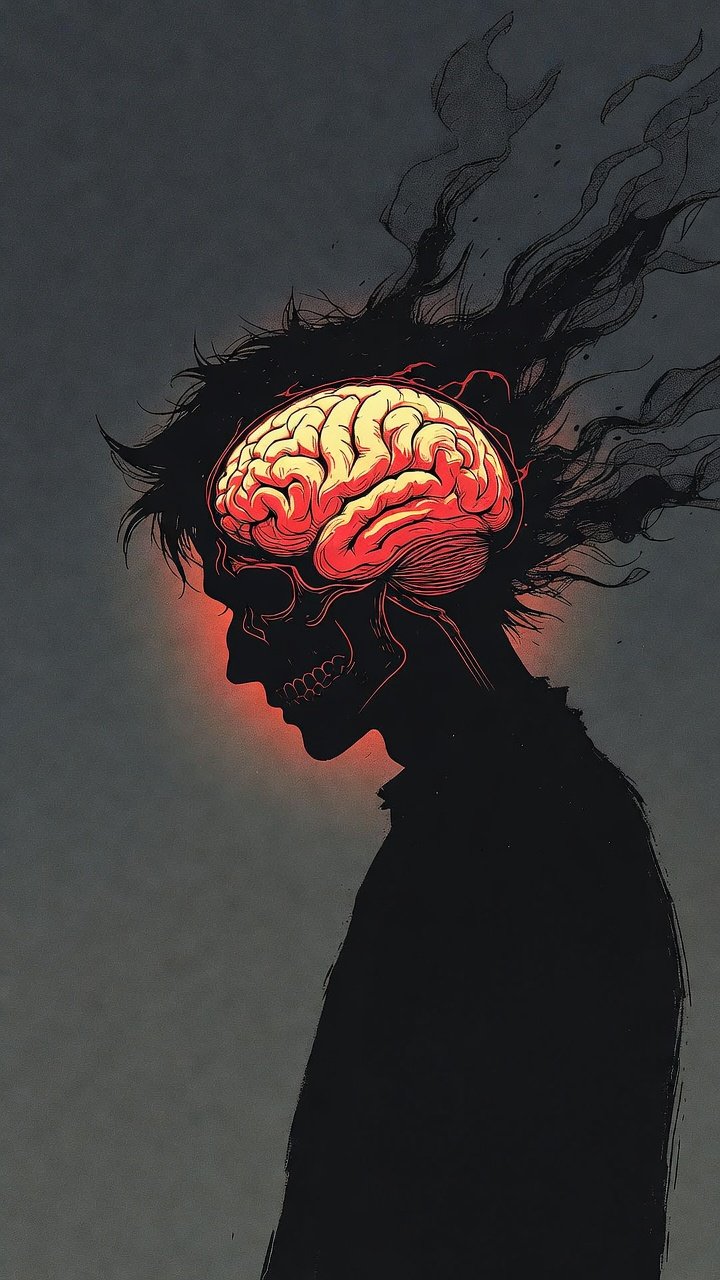
I’m Angry, But Why?
I’m Angry… But I Don’t Even Know What I’m Angry At
Some days after my TBI, I wake up with this heavy, restless anger simmering inside me.
There’s no clear target. No single person or event I can point to and say, “This. This is why I’m mad.” It’s just… there. A vague, foggy frustration that makes me irritable, short-tempered, and sometimes even angry at myself for feeling angry.
This is one of the strangest and most exhausting parts of brain injury recovery.

Estrangement Meets Mercy
Divine Mercy Sunday: Finding Forgiveness and Healing in Family Estrangement – Lessons from St. Faustina’s Diary
Every year, the Sunday after Easter brings us Divine Mercy Sunday—a feast day given to the Church through the visions and writings of St. Maria Faustina Kowalska. It’s not just another holy day on the calendar. It’s a profound invitation from Jesus Himself to plunge into the depths of God’s Mercy, especially when life feels shattered by pain, rejection, or loss. For me, this feast hits especially close to home because of a wound that still aches: my sisters cutting me out of their lives after my brain injury, right in the middle of their teenage rebellion.
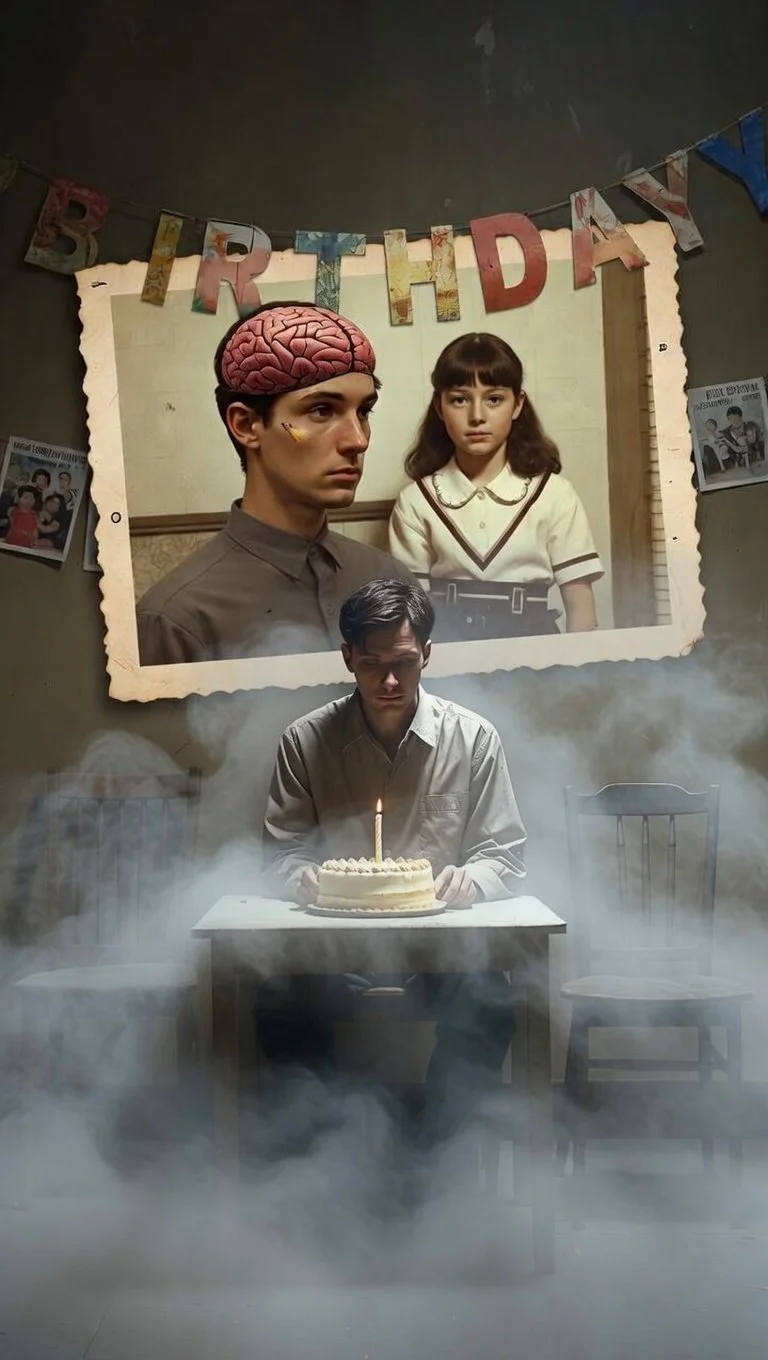
Silent Birthdays
The Ache of Loving a Sister You Can’t Reach
Today is her birthday again.
I know the exact date without looking at a calendar. Some things just etch themselves into you. I wake up, go to pray for her, and there it is—another year where the words “Happy Birthday” sit heavy in my chest like stones I’m not allowed to throw. I type them out in my notes app sometimes. Delete them. Type them again. Then close the app and go make lemonade, because reaching out isn’t an option anymore and all I have left are these lemons. She asked me to leave her alone. And I’m trying—God, I’m trying—to respect that.
It wasn’t always this way. I used to communicate with her every day and she would communicate back with me each day. For years we were close as a brother and sister. We used to see each other often. Enjoy doing fun activities. I’d wish her not only happy birthday but wish her happy feast days, baptismal days, confirmation anniversary days - days she didn’t even know were happening that day until I’d wish it to her. It didn’t used to be silent.
But then came the end of her high school years and the first stretch of college.

Newborn Tears
Lately, as my recovery inches along, I've noticed that although I often feel like a toddler, the toddler feelings at times feel... even earlier. Some days, it's less like being a feisty two-year-old and more like being a newborn all over again. That raw, brand-new-to-the-world stage where everything is basic, overwhelming, and completely dependent on the gentle people around you. It's humbling. It's exhausting. And weirdly, it's also kind of beautiful when I let myself see it that way.
Those Wide-Eyed, Wondering Stares
Newborns stare at faces, lights, shadows—with those huge, unblinking eyes—like they're downloading the entire universe one pixel at a time. No judgment, no rush, just pure taking-it-in.
Some recovery moments feel like that too. I'll catch myself staring at a wall, a window, my own hand, because my brain is slowly, slowly making sense of the world again. It's not blankness—it's deep processing. Curiosity mixed with caution. "What is this place? What am I in? What is going on?"
I try not to fight it. I let myself stare, let the brain do its newborn work of mapping reality one tiny piece at a time. Those staring sessions often lead to small breakthroughs later.