I’m Angry, But Why?
I’m Angry… But I Don’t Even Know What I’m Angry At
Some days after my TBI, I wake up with this heavy, restless anger simmering inside me.
There’s no clear target. No single person or event I can point to and say, “This. This is why I’m mad.” It’s just… there. A vague, foggy frustration that makes me irritable, short-tempered, and sometimes even angry at myself for feeling angry.
This is one of the strangest and most exhausting parts of brain injury recovery.
When Anger Has No Name
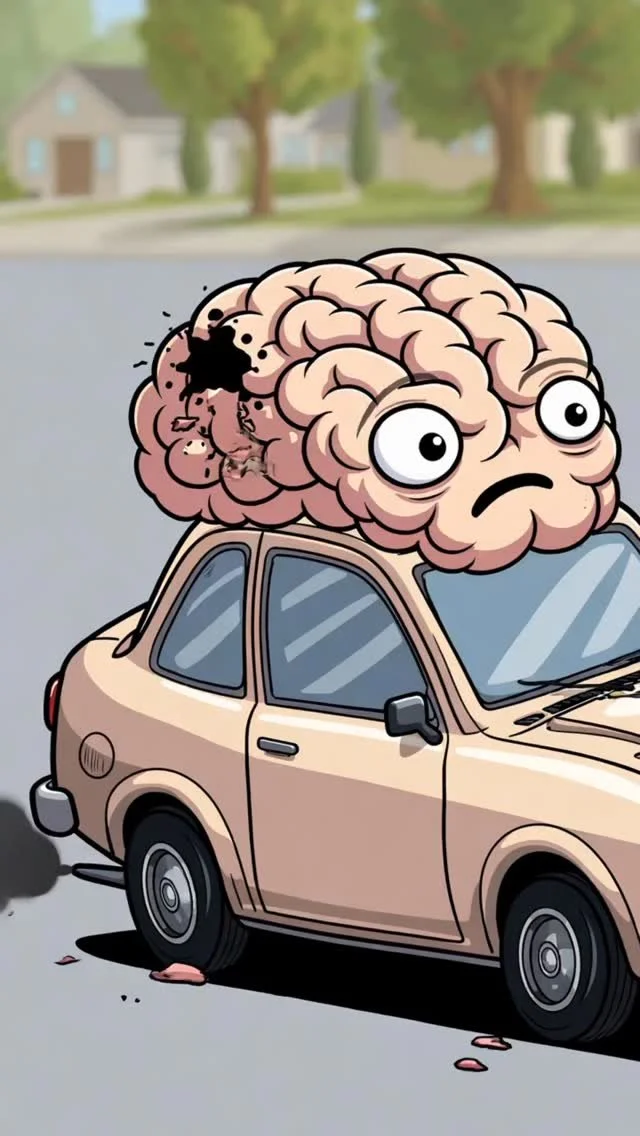
TBI often damages the parts of the brain that regulate emotions. The frontal lobes — responsible for impulse control, emotional processing, and filtering reactions — get bruised or disrupted. The result? Emotions can come on strong and fast, but without a clear story attached to them.
Sometimes I’m angry at:
The injury itself
How much slower and harder everything feels now
The relationships that didn’t survive my changes and people that chose to leave me
The version of me that no longer exists
The fact that I have to try so hard just to do normal things, especially that used to be easy
Myself, for not being “better” yet
Myself, for being angry
Most of the time, it’s a messy combination of all the above — with no clear place to aim the anger. So it just leaks out in unexpected ways: snapping at small things, feeling restless and agitated, or shutting down completely.
“I’m Trying My Best” Feels Impossible to Say
The hardest part is trying to explain this anger to the people I love.
I want to tell my wife and kids: “I’m not angry at you. I’m just angry. And I’m trying so hard to manage it, but some days my brain makes it feel impossible.”
But even that sentence can come out wrong. The words get tangled. The tone sounds harsher than I mean it to. Or I stay silent because I don’t want to burden them with emotions I can’t even explain to myself.
Living with TBI often means carrying this quiet shame: the feeling that you’re failing the people you love simply by being harder to be around, even while you’re giving everything you have just to function - and trying with all you have to make their day better.
What I’m Learning to Do With the Anger
I’m slowly getting better at sitting with it instead of fighting it or pretending it isn’t there. Here’s what’s helping:
Naming it without blaming: “My brain is having a hard day. The anger isn’t about you.”
Giving myself permission to feel it: Anger after loss, limitation, and grief is normal. It doesn’t make me a bad person.
Finding safe outlets: Walking (when I have the energy), punching a pillow, writing unsent letters, or doing something physical to let some of the pressure out.
Being honest with my people: “I’m feeling really angry today and I don’t fully understand why. I’m working on it, and I love you.”
I’m not perfect at any of this. Some days the anger wins. Some days I handle it with more grace.
But I am trying my best.
If you’re living with TBI or any invisible struggle and you feel this vague, heavy anger too, please know this:
You’re not broken or mean or ungrateful. Your brain is injured and doing its best to navigate a changed world. The anger is real, even when it doesn’t have a clear target.
And even on the days when you can’t express it well, your effort still counts.
I see you. I’m right here in the mess with you.
We’re both trying our best — even when our best looks messy, emotional, and imperfect.
One foggy, angry, honest day at a time.