

Happy 250 America
The Fourth of July can feel like a minefield when you’re living with a brain injury. What used to be a fun day of cookouts, family, and fireworks can quickly turn into overwhelming noise, flashing lights, social pressure, and crushing fatigue. The combination of loud sounds, bright bursts of light, heat, and large groups can trigger headaches, dizziness, sensory overload, confusion, and emotional exhaustion.

The Best Nightmare
I woke up this morning with a pounding headache, my ears ringing loudly, and my vision blurred with strange spots floating across my sight. I read in my notes that those symptoms are all normal for this new life now. I remembered having them the night before too. It was the kind of morning I’ve grown used to since my brain injury. But something was different.
Pulling Out My Brain
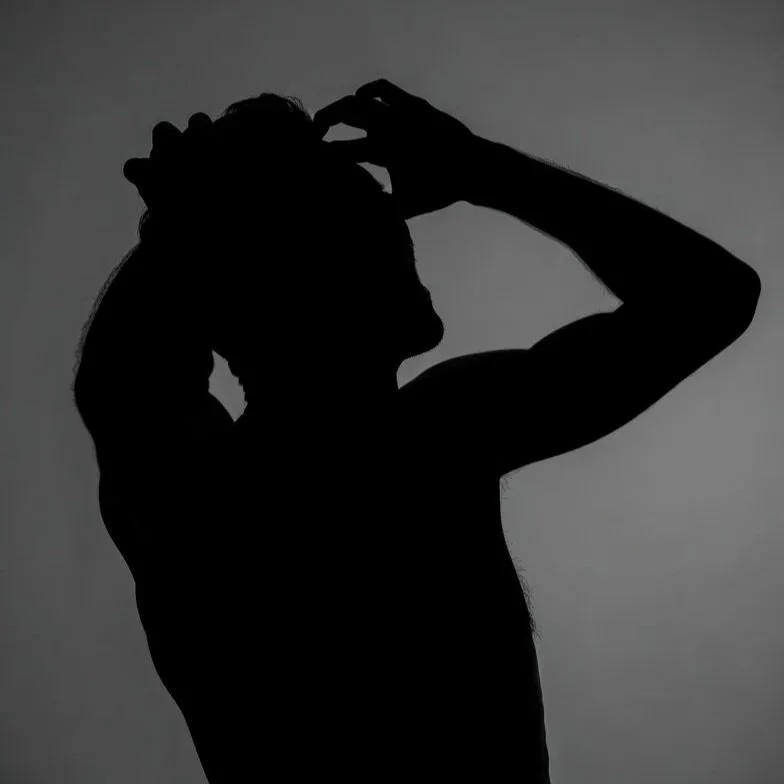
You know how sometimes people say they want to “pull out their hair”? For brain injury recovery I have felt that so strongly that I want to pull my hair out so strongly it pulls my brain out with it too.
I sat in a brain injury support group recently and listened as someone new to all of this poured out their pain. Their words came out in broken pieces — the exhaustion, the confusion, the rage at their own brain, the way everything that used to be simple now felt impossible. They were raw and honest in a way that only someone still in the thick of it can be. Some sentences didn’t make sense. Words were out of place.
Banana Split Cake
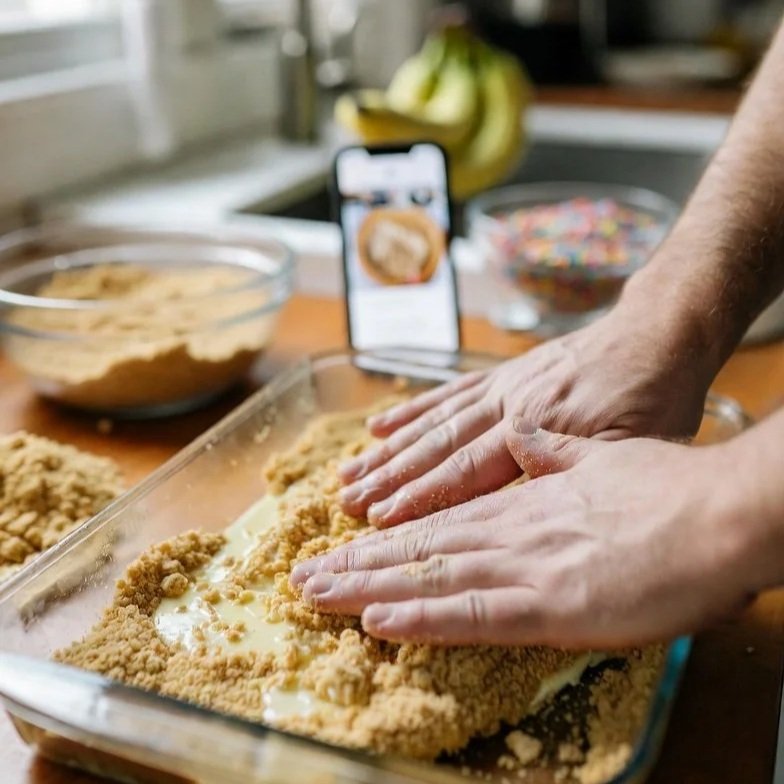
Tonight as the family went to an event my wife leaned in close and whispered, “Do you think you could make that dessert for her birthday?” Her eyes were hopeful, a little nervous, like she wasn’t sure if she should even ask.
Without hesitation, I smiled and said, “Yes. Absolutely.”
In that moment, I felt eager. Happy. Capable. Like the old me—the version that could jump into the kitchen without a second thought. I pulled out my phone to look at the name of the recipe my wife had asked me to shop for ingredients for again. Banana split cake. I searched for a recipe. The website opened with a warm, personal narrative from the author explaining why this dessert held such a special place in her heart. It was charming, full of memories and opinions about summer parties, family traditions, and the perfect balance of flavors.
The Empty Chairs
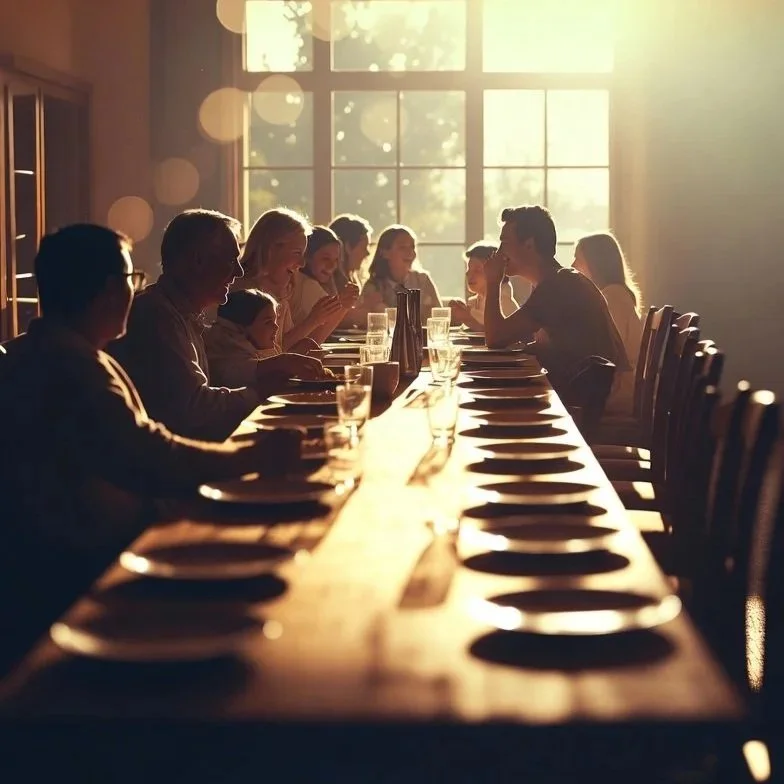
This weekend my house was full of the best kind of noise—kids running through the yard, overlapping conversations, the smell of food cooking, and the easy laughter that only happens when people who love each other decide to actually show up. Some of my siblings and their children were here, building new memories in real time. We hugged, we teased, we took photos, we made plans for next time. It felt like family is supposed to feel.
But the chairs that stayed empty still hurt.
Passing the Ball
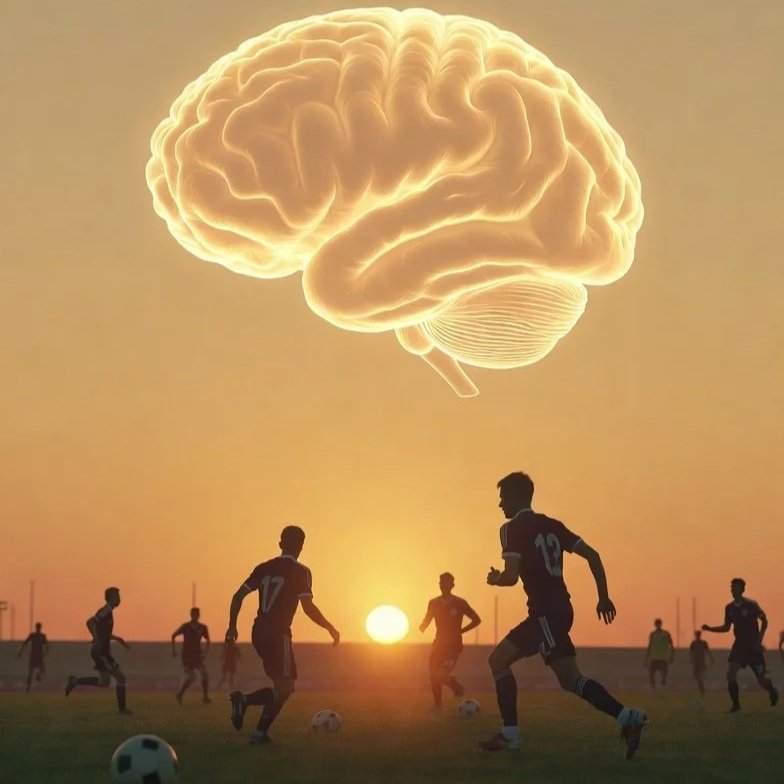
Right now, the FIFA World Cup 2026 is unfolding across the United States, Canada, and Mexico. It’s the biggest tournament in history — 48 teams, 104 matches, and nonstop energy from June 11 to July 19. For many, it’s pure excitement and a welcome escape.
For those recovering from a brain injury, the World Cup can be both helpful and surprisingly difficult.
Brain’s Painful Confusion
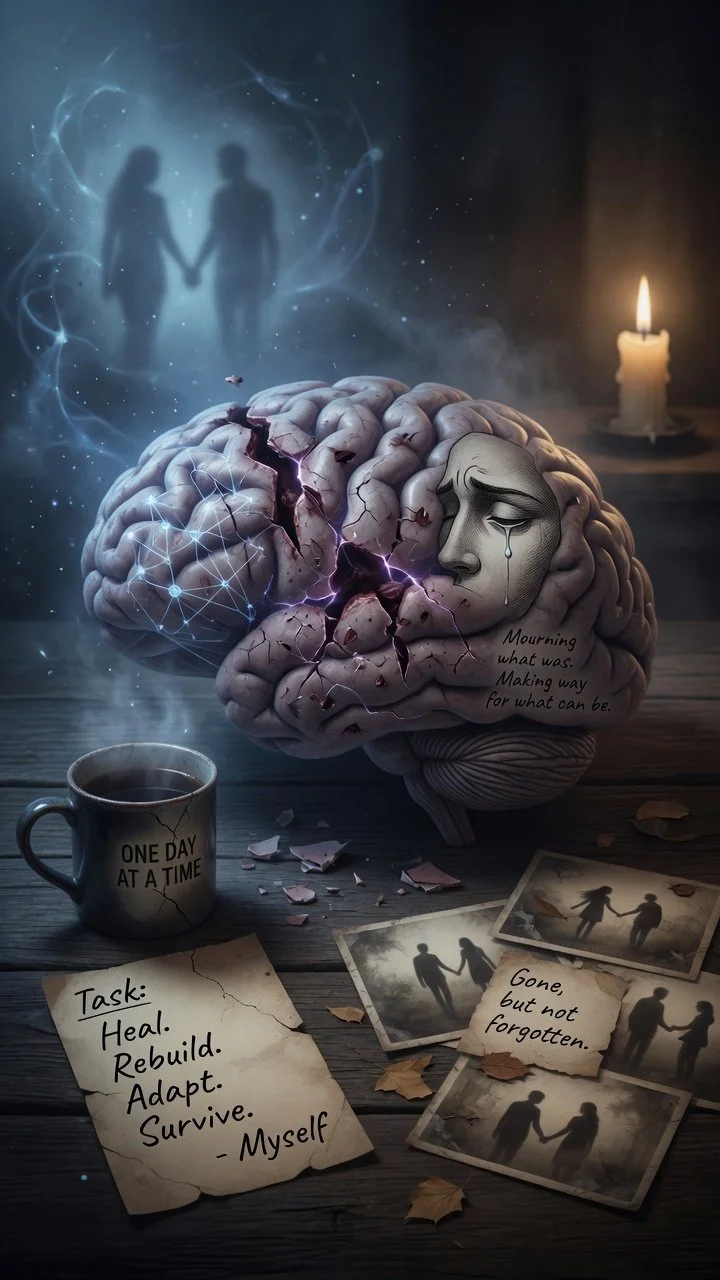
Living with a brain injury is a strange kind of confusion. The very organ that is damaged is the one tasked with trying to understand what has happened to it. It’s like trying to solve a puzzle with missing pieces while the puzzle itself keeps changing shape. Some days my thoughts feel clear and sharp. Other days they’re foggy, fragmented, or simply gone. I have to relearn how to process information, regulate emotions, and even recognize my own limitations — all while those limitations make the process harder.
There is a unique pain in this loop. The injured brain is constantly working to understand its own injury, yet the injury itself prevents full understanding. It’s exhausting. It’s disorienting. And it never fully stops.

Love’s Closed Door
After fourteen years of knowing each other, my sister has made her position unmistakably clear: she does not want me to know her, she has no desire to know me, and she wants me out of her life. She has reinforced this boundary repeatedly. By contrast, in just one year she went from meeting a stranger to agreeing to marry him. Yet after everything we shared over those fourteen years, she continues to insist that I leave her alone. Still, she speaks of wanting a picture-perfect wedding day surrounded by a “loving family.” Yet by her repeated choice to cut us out of her life, she actively prevents and makes impossible the very love and communion she says she desires.
Presence Over Distance
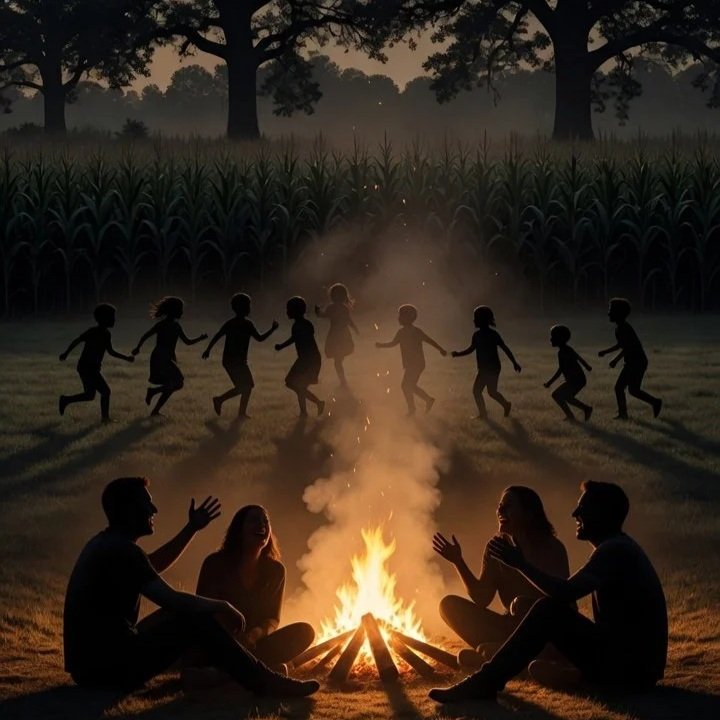
Yesterday, I sat across from old friends I hadn’t seen in years. What could have been a simple catch-up turned into something much deeper. In just a short time together, after a distance from both sides for the previous years, they poured out more genuine compassion, care, concern, prayers, and love than I’ve felt even from family in a very long time.

TGIF
Thank God it’s Friday! Every Friday night, as part of Night Prayer (Compline) in the Christian breviary, the Church prays Psalm 88 — one of the darkest, most honest psalms in the Bible. It doesn’t end with triumphant resolution. It simply ends in darkness. And somehow, that makes it one of the most comforting prayers for those of us living with traumatic brain injury.
Here is the psalm that has become painfully familiar:
Lord my God, I call for help by day, I cry at night before you.
Hidden Monastic Hope
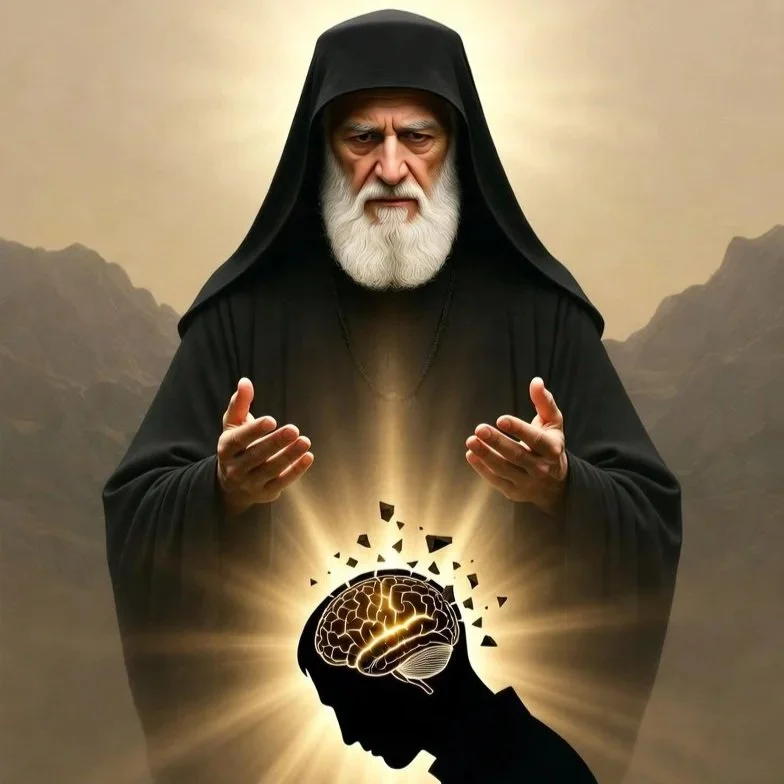
Living with a traumatic brain injury often feels like a hidden, relentless cross. The fatigue, the dizziness, the cognitive struggles, the way it reshapes your role as a spouse, parent, and provider — it can all feel isolating and unending. In those dark moments, many of us turn to the saints who understood suffering. For me, St. Charbel Makhlouf has become a powerful source of comfort and hope.
Selling It All
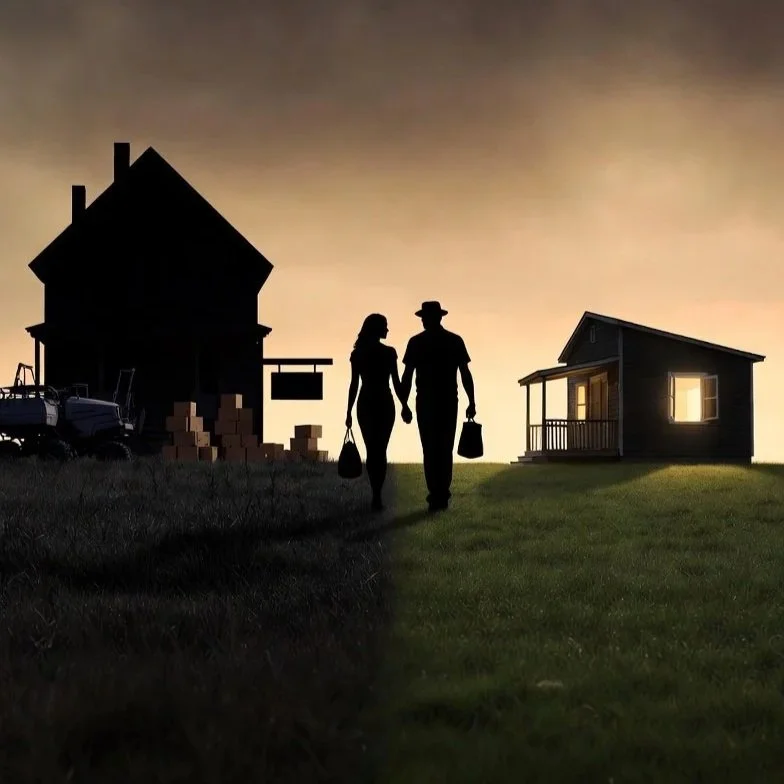
My wife looked at me the other day and said the words I’ve been both dreading and expecting: “We need to sell everything and start over. Build a life that’s actually sustainable with a disabled husband.”
She’s not wrong. And that truth cuts deep. We can’t keep living a life that is no longer ours.
Finding Hope in Daily Acceptance
Reflections on a Brain Injury Survivor’s Wisdom: Brason Lee
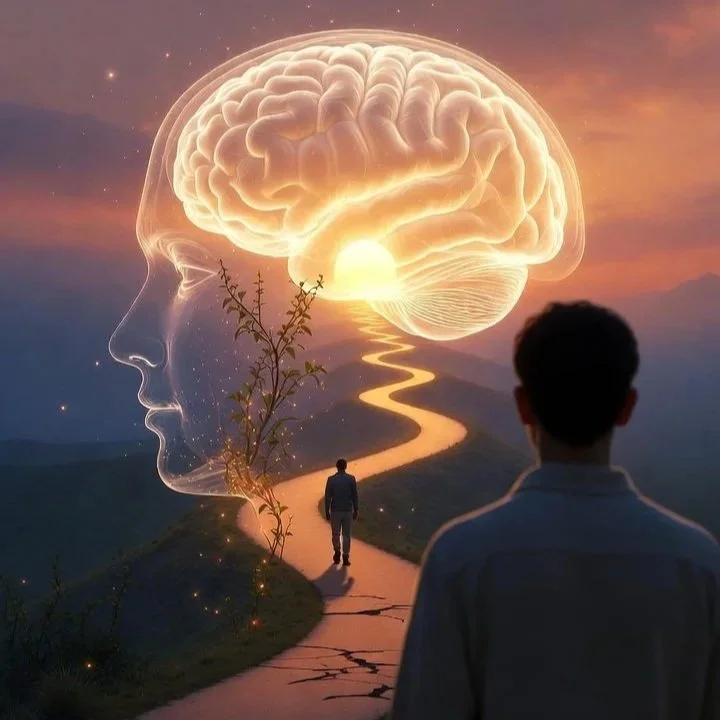
I came across a powerful personal reflection about a year ago in the Journal of Adolescent Health titled "Reflections of a Pediatric Survivor of Traumatic Brain Injury: 42 Years Later." This short but profound piece, written from the perspective of someone looking back on their life after a severe TBI at age 18, resonated deeply with me. It’s not a clinical study or dry medical advice—it’s raw, honest guidance from someone who has walked this path for decades. Reading it felt like receiving a letter from a wiser future self. It became a letter I printed and read each day to remind myself and motivate myself that it will get ok. 42 years of wisdom while I am just a couple of years into mine.
Seth Kimbro Saved My Life
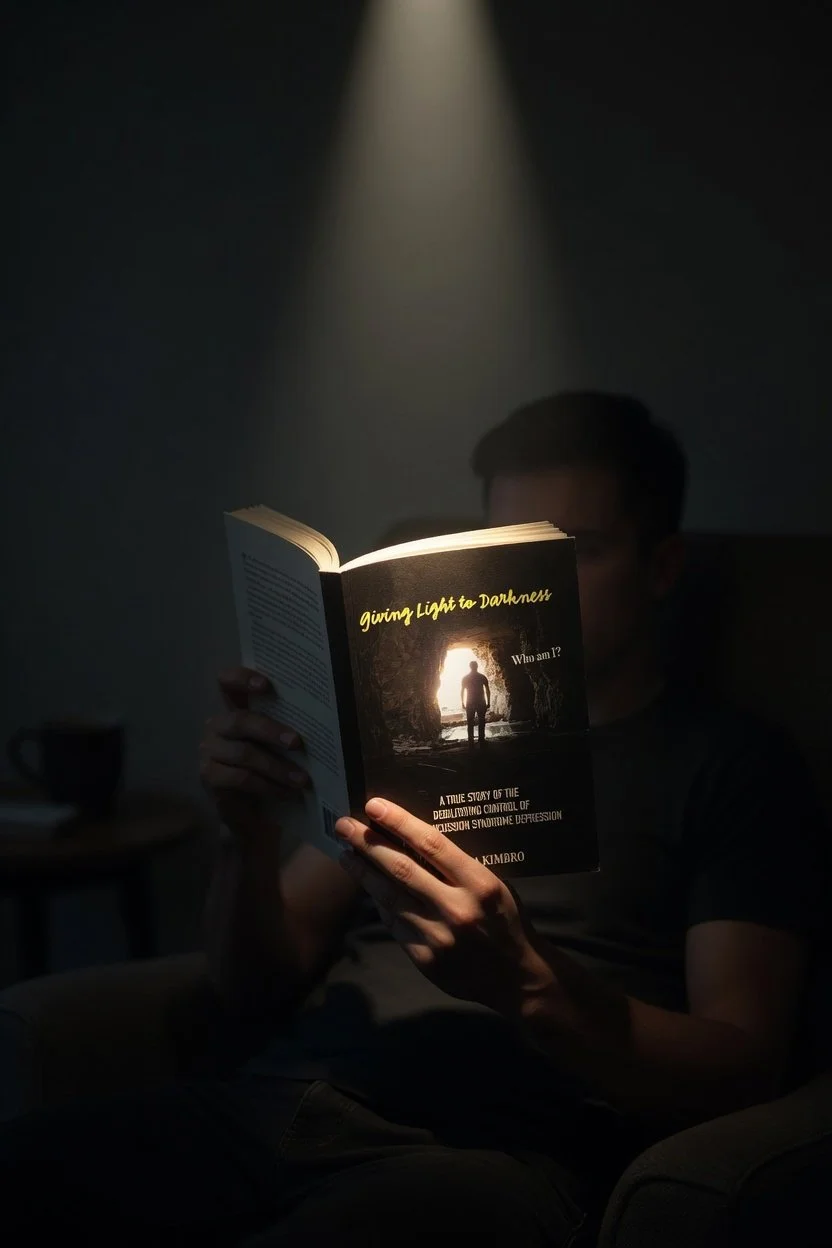
How Seth’s legacy in “Giving Light to Darkness” by Laura Kimbro Saved My Life
I’ve written before about the darkness that traumatic brain injury can bring — the memory loss, the isolation, the crushing weight that makes suicide feel like the only way out. In my lowest moments, when the “Who Is This?” type of phone calls and encounters with others and the disappearing friendships piled on top of constant uncertainty, I came dangerously close to believing the lie that my family would be better off without me.
And it quite literally helped save my life.
Suicide After Concussion
When TBI Makes Suicide Feel Like the Only Option – And Why You Still Matter
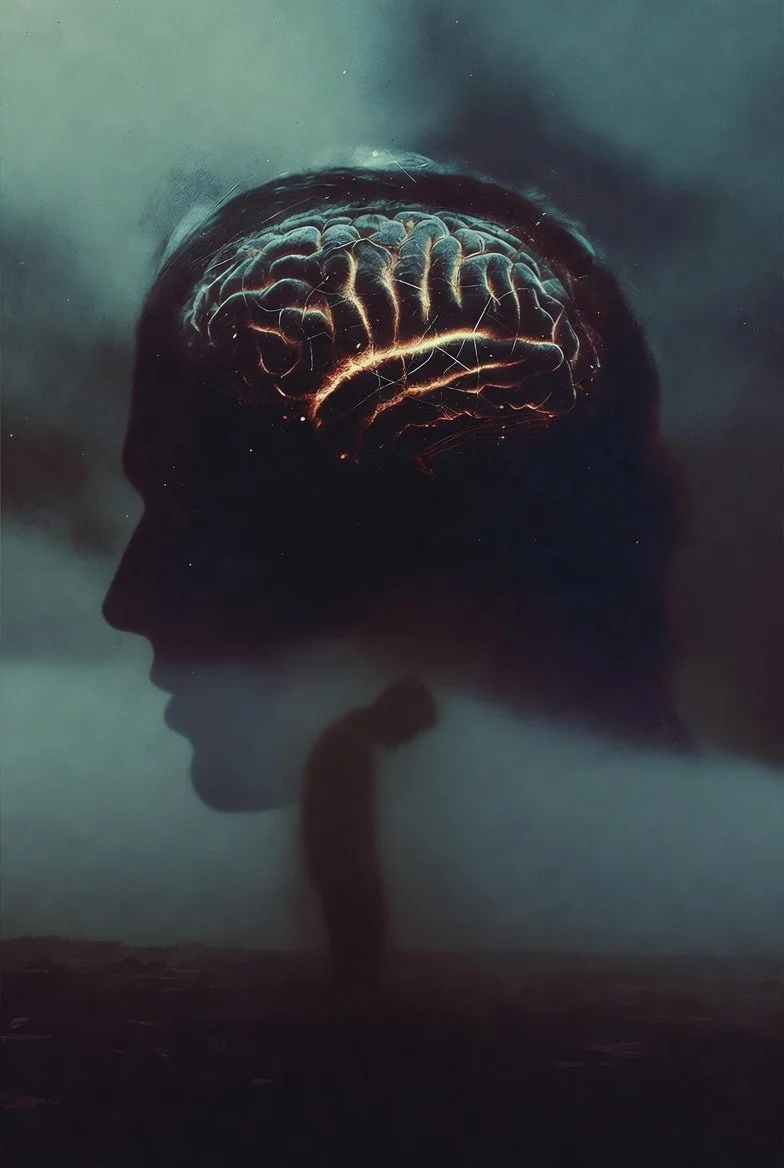
I’ve met too many survivors of TBI that I met too late to still know them while they were alive. I met others that then didn’t show up the next meeting because they had lost their battle. They had encountered this living change surviving their injury and battling each day and found themselves part of an unfortunate statistic. I’ll share some of those statistics below. But they aren’t a statistic. Each one of them is a person. A person who loved and was and is loved. A person with a story. An incredible story. Even after their deaths, I learn from their stories, from their loved ones, from the legacies, and yes from their pain. The pain of living with a traumatic brain injury (TBI) can feel like fighting a war inside your own head — one that no one else can fully see and even the patient can’t fully see or understand themselves at times. Some days the battle gets so heavy that ending it all starts to feel like the only way to find peace. I know this darkness. Many of us in the brain injury community do. In fact, almost every survivor I have met shares the exact sentiment in their early months of wishing they could just reach in their head and pull their own brain out. But I also know there is light, even though it is not always visible each day. It is there, even when not seen in the moment.
This post is not about glamorizing pain or pretending everything gets magically better. It’s about naming the real reasons suicide can feel rational after TBI — for both survivors and their caregivers — and then honestly laying out why staying here is still worth it. Because it is. There is hope, and you are not alone - many of us have felt those exact feelings, the exact darkness, the exact pain - even though your story is incredibly unique and deserving of being heard.
Who Is This?
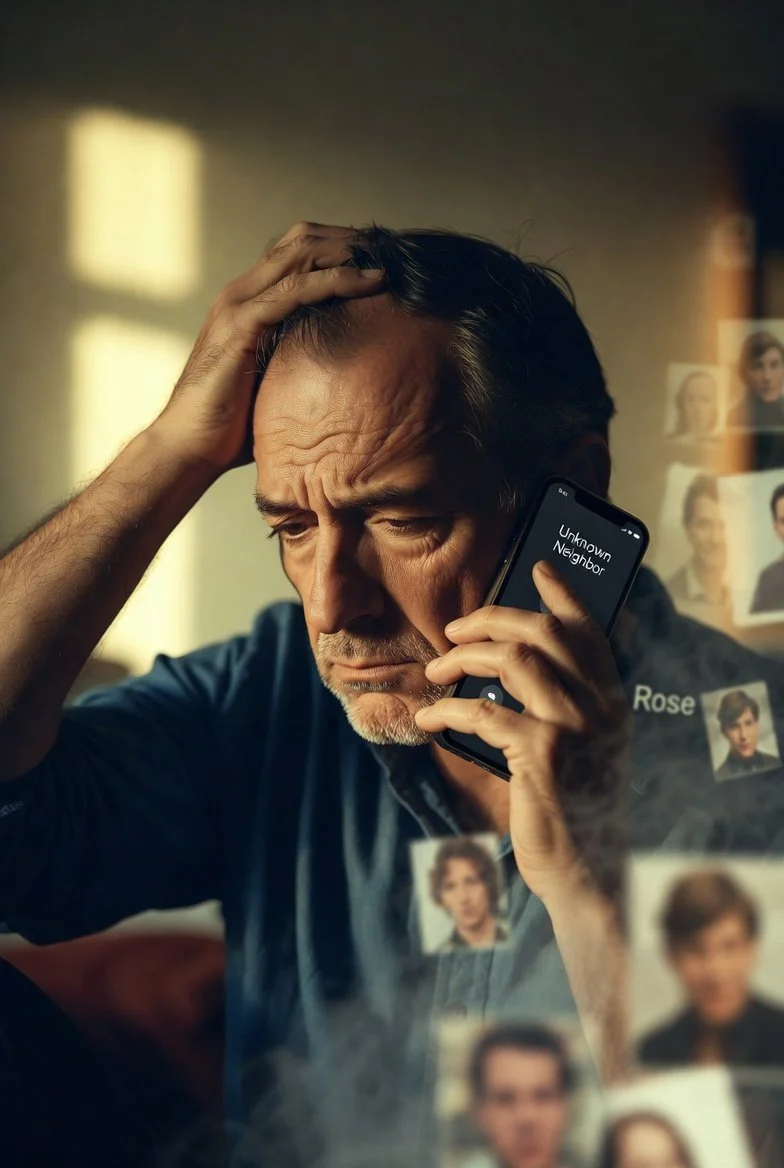
A few days ago, our phone lit up with a call from a number I didn’t recognize. I answered, as I often do now in recovery—trying to stay connected to a world that sometimes feels half-erased.
“Hi, this is your neighbor Jen,” the voice said warmly. “I’m wondering if you’ve seen Rose lately?”
I froze. Jen? Rose? The names echoed in the empty spaces where memories should be. Was Rose a person? A dog? A neighbor’s kid? My own relative? I had no idea. I also had no clear picture of who this “neighbor” Jen was. Did they move in down the road in the last three years? I don’t have many neighbors change in the country life here but I don’t know a lot now. The street, the faces, the shared history—large chunks of it are simply gone.
My 3 Year Anniversary
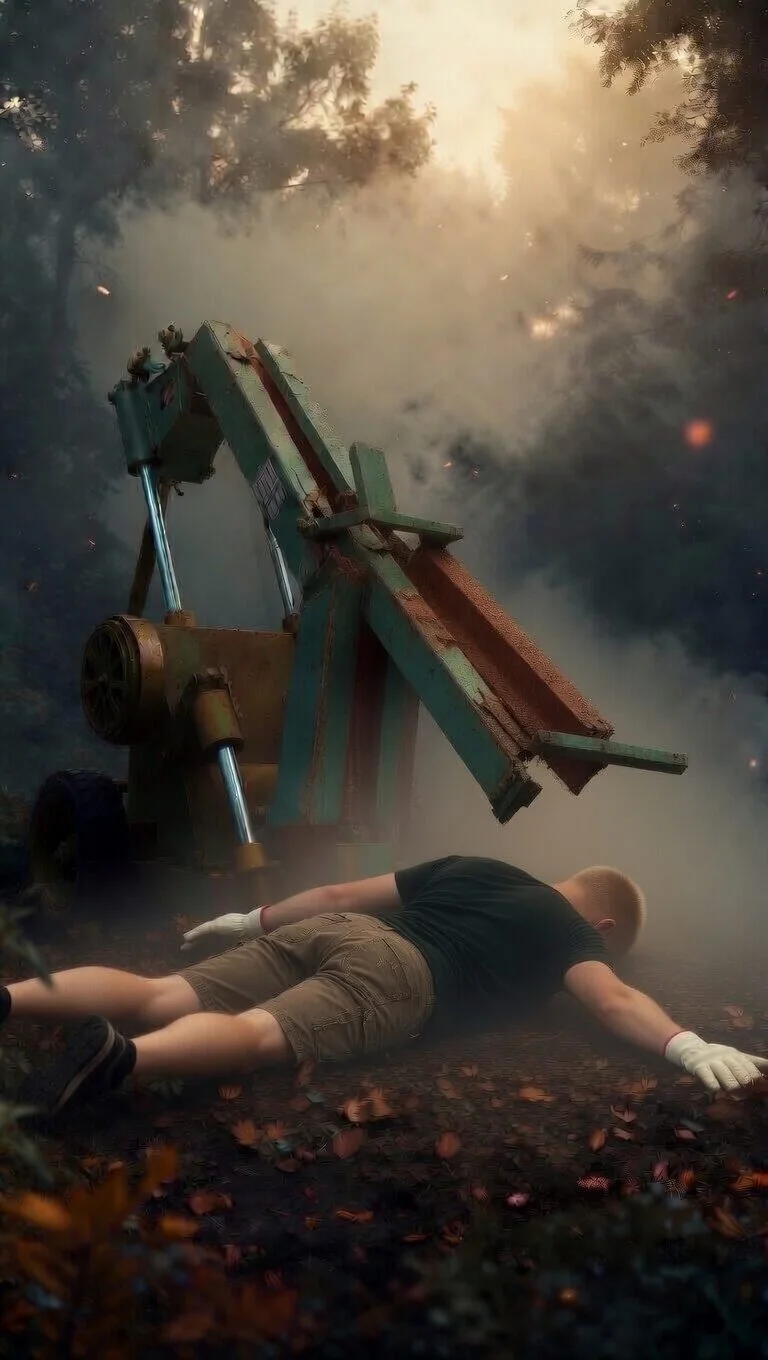
Today marks exactly three years since a wood splitter fell on my head and knocked me unconscious. Three years since the moment everything changed. Three years since I was, in a very real sense, reborn into a life I never asked for.
In the beginning, they told me I would be fine. “Just a concussion,” the ER doctor said. “You’ll bounce back quickly.” I believed them. My family believed them. I rested, followed instructions, and waited for my old self to return. In the days that followed I deteriorated, lost the ability to hold a memory longer than 15 minutes, became a lump on the couch sleeping 20 hours a day, headaches pounding, unable to think, process, watch a screen, forming words one syllable at a time, not able to think of what word was coming next or what word I had just said. After a day or two of almost appearing normal, I had quickly become unrecognizable, like a zombie.
Taking My Brain for a Test Drive
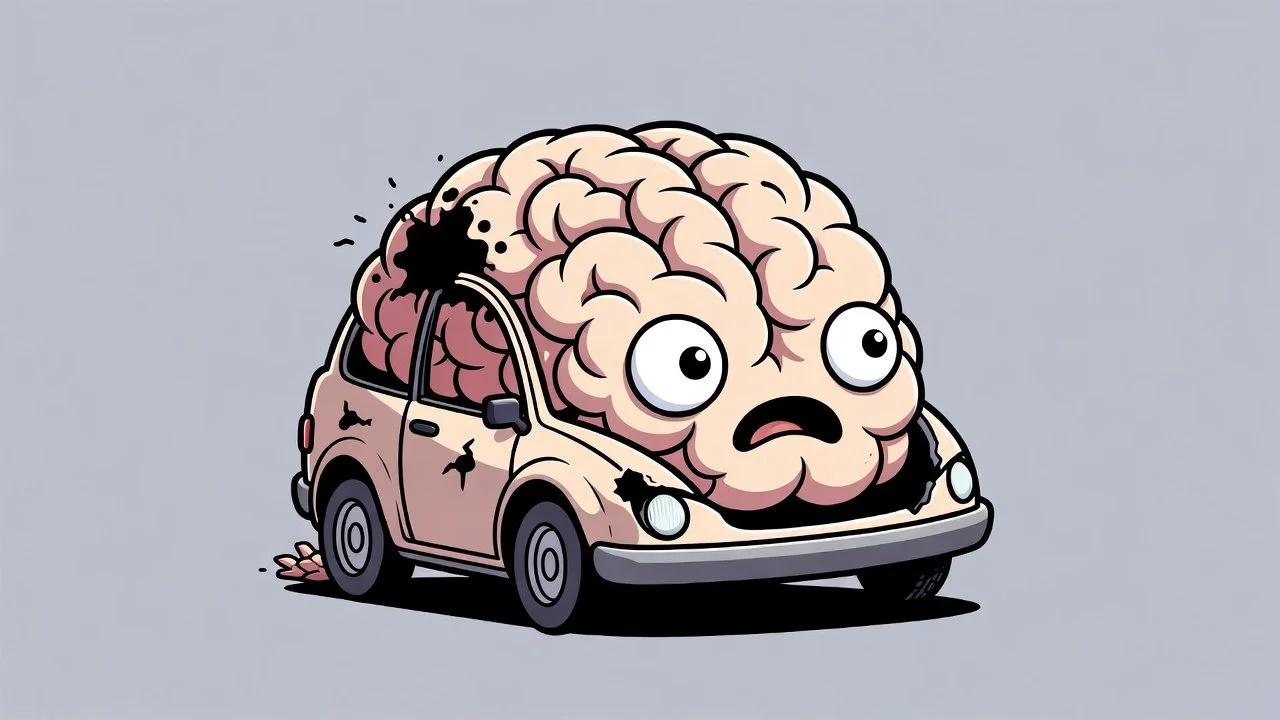
Understanding Brain Symptoms: Like Test Driving a Damaged Car
As we shop for replacement vehicles for our vehicle with a faulty transmission, I can’t help but continue to think about the similarities between car problems and the issues I have experienced with brain injury recovery. Imagine you’ve just been handed the keys to a car that looks perfectly normal from the outside. It’s the same make and model you’ve driven for years. You slide into the driver’s seat, turn the key, and… something’s off. The engine starts, but it doesn’t purr like it used to. The steering feels loose in some spots and overly tight in others. The brakes work, but they hesitate for half a second too long. The radio keeps cutting out. Every little system that used to work seamlessly now has quirks, and you can’t quite explain why to the mechanic. The mechanic might even try convincing you nothing is wrong. But the test drive experience shows there are things wrong - sometimes obvious - sometimes hard to explain.
That’s what living with a Traumatic Brain Injury (TBI) often feels like.
My Transmission is Shot
When Your Transmission Goes Out: What Car Trouble Taught Me About Living with a Brain Injury
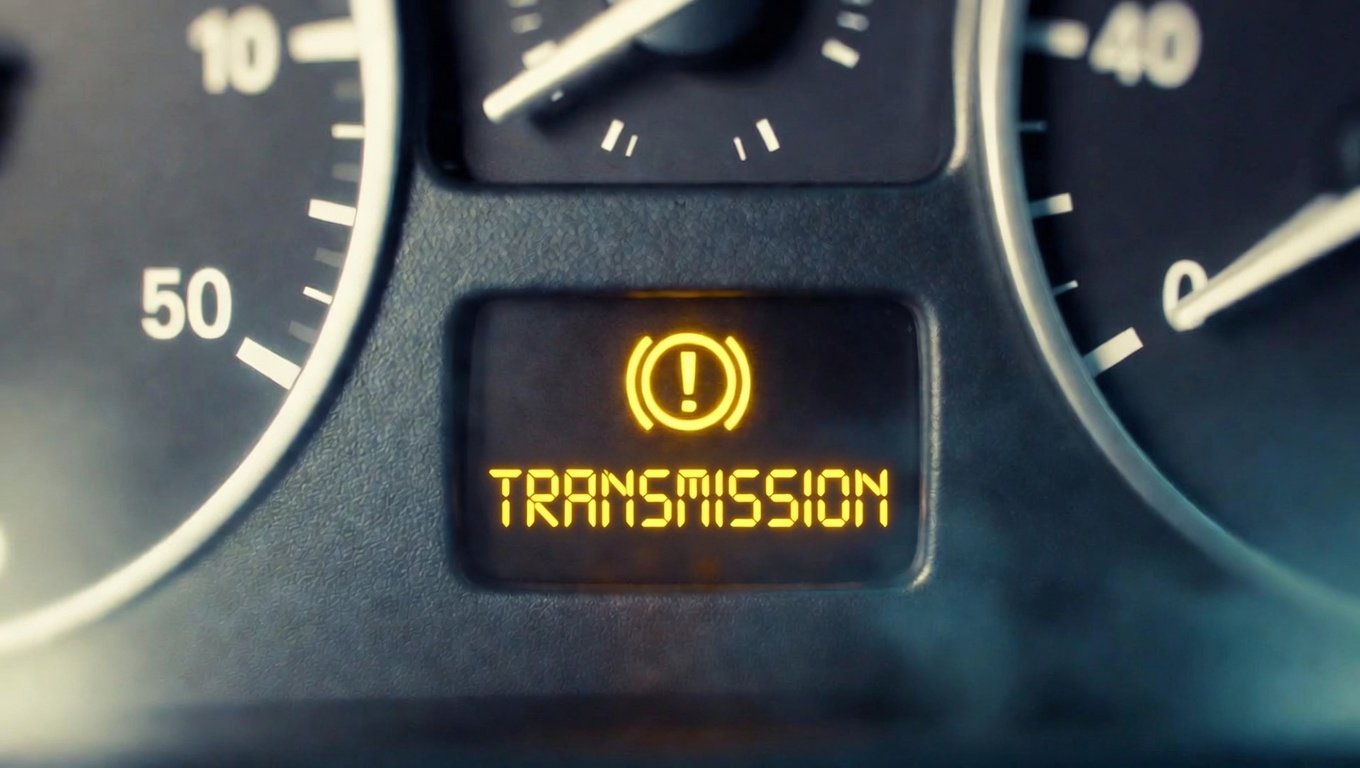
We had a vehicle with a transmission starting to fail. The vehicle would act strange. The engine was revving, but the power wasn’t reaching the wheels the way it should. Shifting felt delayed and clunky. We made it home, but the warning lights came on, and we knew something was seriously wrong with the transmission.
After a painful diagnostic visit, the mechanic confirmed it: transmission is failing. Not a cheap or simple fix. The part that transfers power from the engine to the drivetrain was damaged, and without it, the vehicle couldn’t do what it was built for—even though the engine itself was still running strong. Sound familiar?
That moment hit me hard because it mirrored exactly what happened to my brain three years ago after my traumatic brain injury (TBI).
I’m Angry, But Why?
I’m Angry… But I Don’t Even Know What I’m Angry At
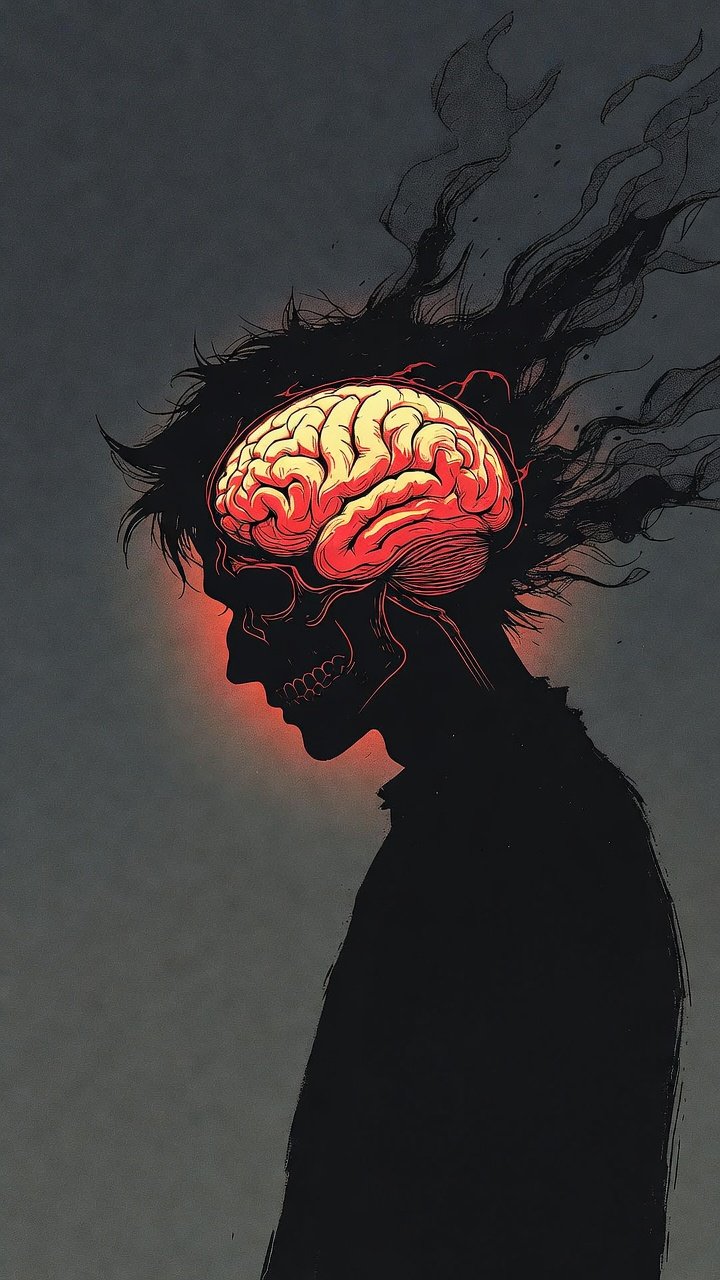
Some days after my TBI, I wake up with this heavy, restless anger simmering inside me.
There’s no clear target. No single person or event I can point to and say, “This. This is why I’m mad.” It’s just… there. A vague, foggy frustration that makes me irritable, short-tempered, and sometimes even angry at myself for feeling angry.
This is one of the strangest and most exhausting parts of brain injury recovery.