
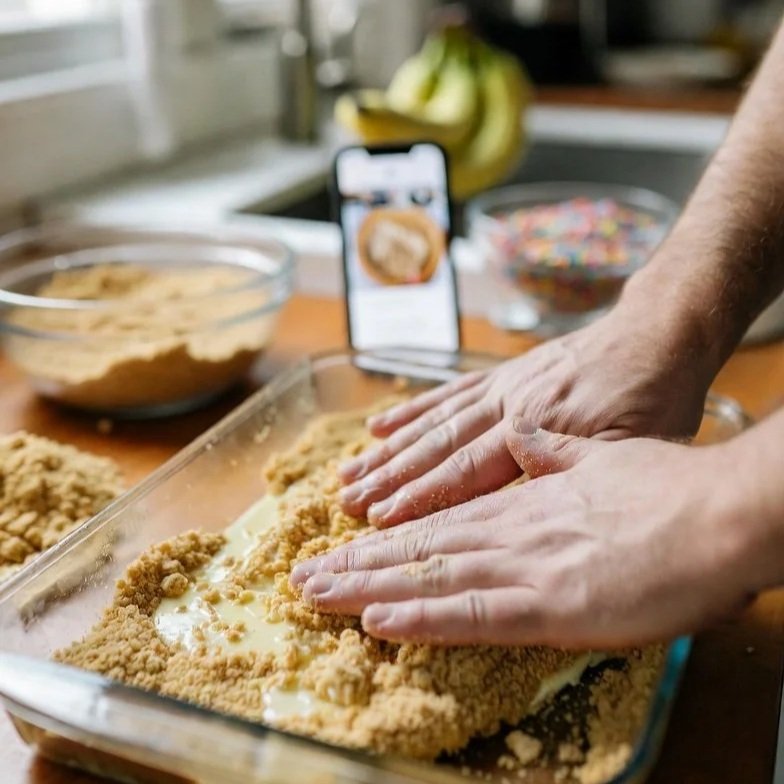
Banana Split Cake
Tonight as the family went to an event my wife leaned in close and whispered, “Do you think you could make that dessert for her birthday?” Her eyes were hopeful, a little nervous, like she wasn’t sure if she should even ask.
Without hesitation, I smiled and said, “Yes. Absolutely.”
In that moment, I felt eager. Happy. Capable. Like the old me—the version that could jump into the kitchen without a second thought. I pulled out my phone to look at the name of the recipe my wife had asked me to shop for ingredients for again. Banana split cake. I searched for a recipe. The website opened with a warm, personal narrative from the author explaining why this dessert held such a special place in her heart. It was charming, full of memories and opinions about summer parties, family traditions, and the perfect balance of flavors.
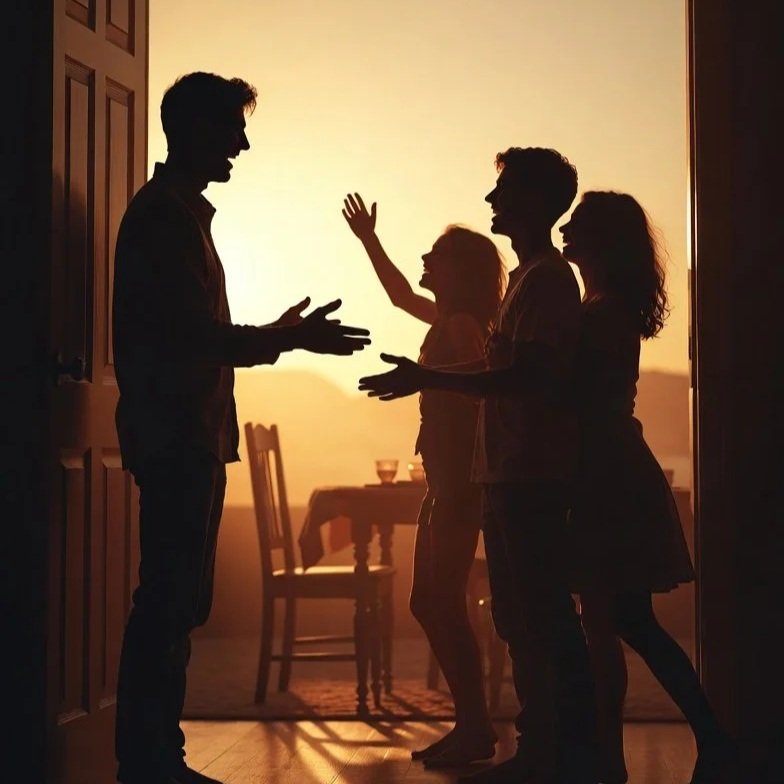
Hosting Dinner
Even Strangers Come When Invited
Tonight our family hosted four college missionaries who are spending their summer traveling from parish to parish, leading faith programs for kids and teens. They arrived tired from a long day, but the moment they stepped inside, the house felt different—lighter, fuller.
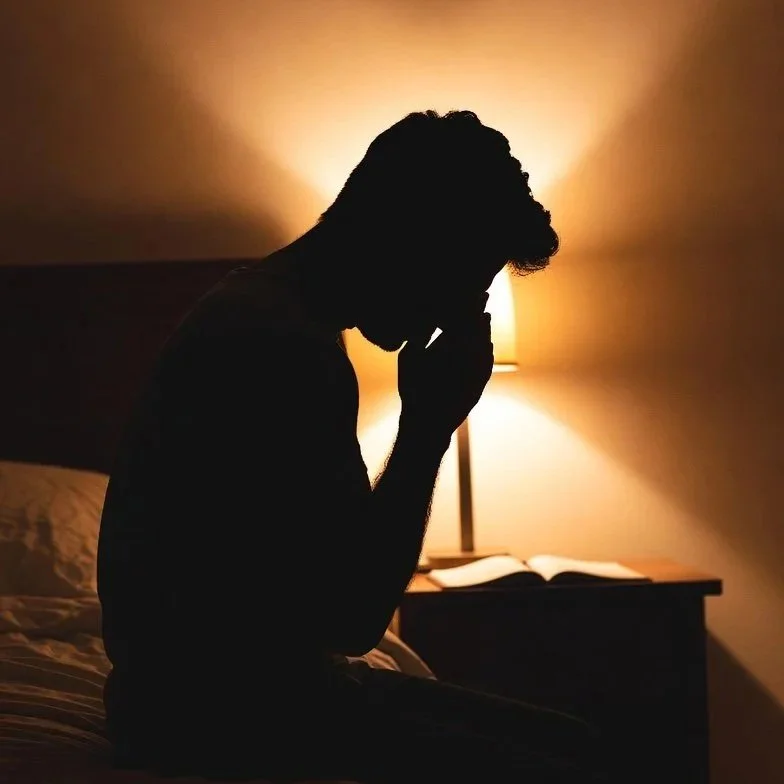
I Cried Successfully Today
This morning I woke up and did what I always do now: I reread the notes about my life. The big reminders. The checklist of what I need to know to be successful each day. I studied them like they were instructions for a job I used to know how to do without thinking. Because they are. Even with them, they still often are not enough to be ‘successful’ each day.
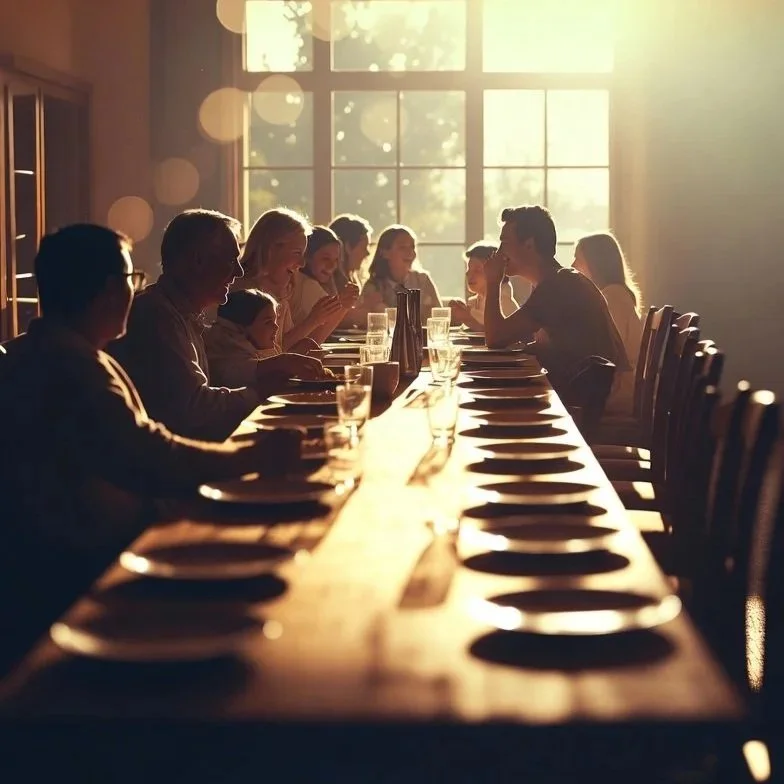
The Empty Chairs
This weekend my house was full of the best kind of noise—kids running through the yard, overlapping conversations, the smell of food cooking, and the easy laughter that only happens when people who love each other decide to actually show up. Some of my siblings and their children were here, building new memories in real time. We hugged, we teased, we took photos, we made plans for next time. It felt like family is supposed to feel.
But the chairs that stayed empty still hurt.
Her Confusion
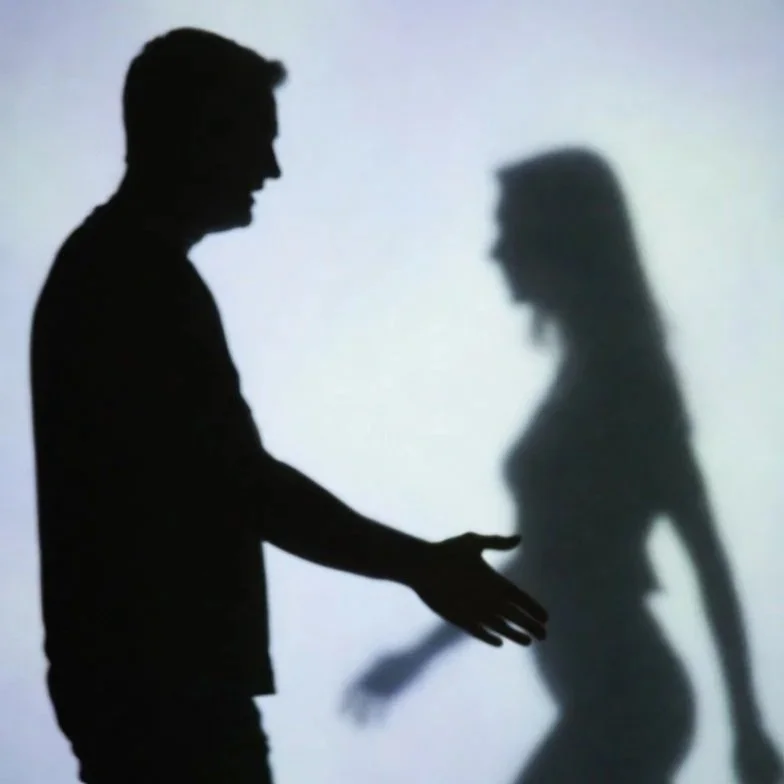
Losing a family member who is still alive is its own kind of grief. There’s no final conversation, no clear moment of goodbye — just the slow, painful realization that someone I loved has decided I no longer have a place in her life.
For a long time, I accepted her explanation that my words were the problem. They were too long. Too confusing. A messy sandwich of apology and hurt that was hard to follow.
But I don’t believe that anymore.
Brain’s Painful Confusion
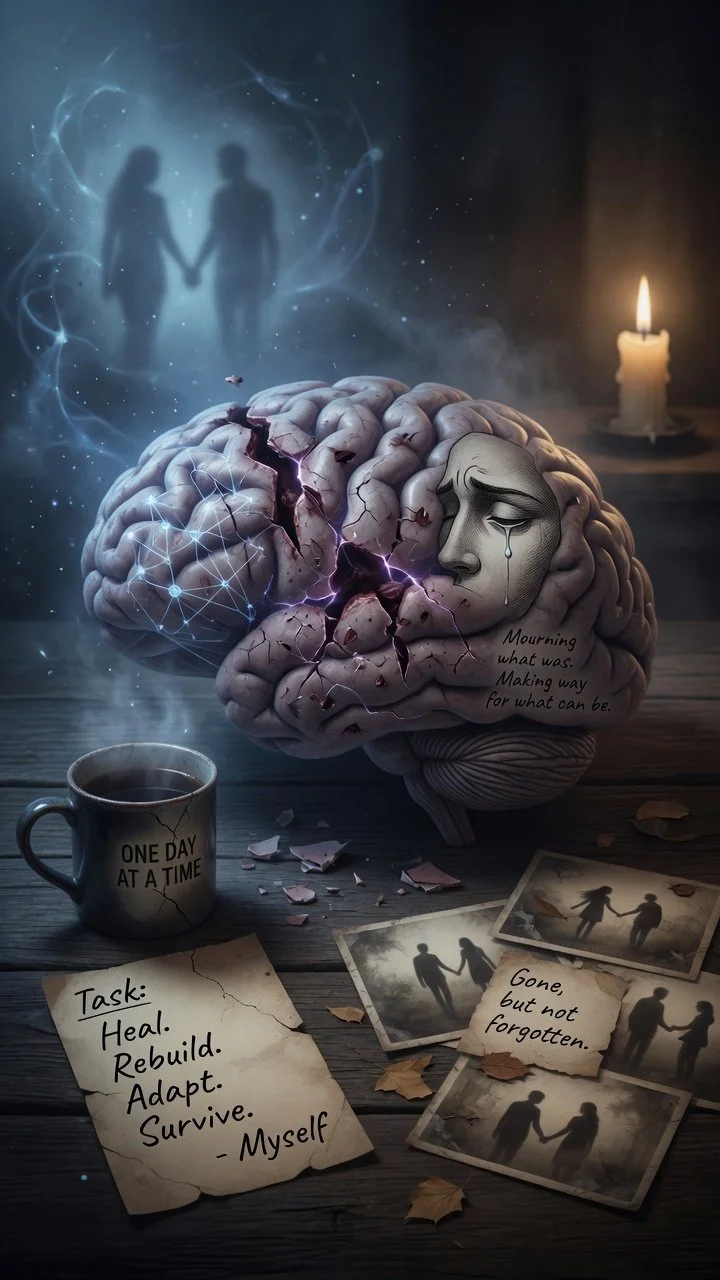
Living with a brain injury is a strange kind of confusion. The very organ that is damaged is the one tasked with trying to understand what has happened to it. It’s like trying to solve a puzzle with missing pieces while the puzzle itself keeps changing shape. Some days my thoughts feel clear and sharp. Other days they’re foggy, fragmented, or simply gone. I have to relearn how to process information, regulate emotions, and even recognize my own limitations — all while those limitations make the process harder.
There is a unique pain in this loop. The injured brain is constantly working to understand its own injury, yet the injury itself prevents full understanding. It’s exhausting. It’s disorienting. And it never fully stops.

Love’s Closed Door
After fourteen years of knowing each other, my sister has made her position unmistakably clear: she does not want me to know her, she has no desire to know me, and she wants me out of her life. She has reinforced this boundary repeatedly. By contrast, in just one year she went from meeting a stranger to agreeing to marry him. Yet after everything we shared over those fourteen years, she continues to insist that I leave her alone. Still, she speaks of wanting a picture-perfect wedding day surrounded by a “loving family.” Yet by her repeated choice to cut us out of her life, she actively prevents and makes impossible the very love and communion she says she desires.
Presence Over Distance
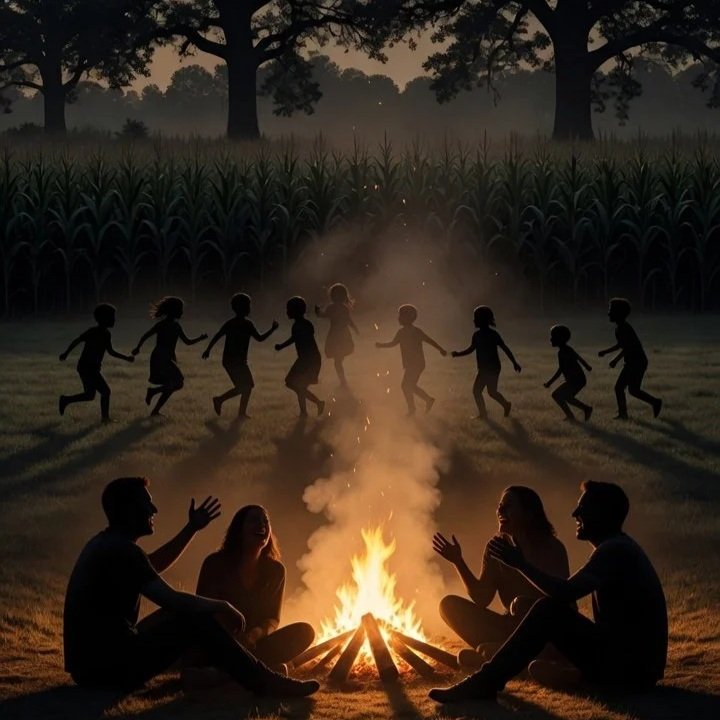
Yesterday, I sat across from old friends I hadn’t seen in years. What could have been a simple catch-up turned into something much deeper. In just a short time together, after a distance from both sides for the previous years, they poured out more genuine compassion, care, concern, prayers, and love than I’ve felt even from family in a very long time.

What is Your Name?
Last night, my wife showed me a video that came up in her feed of Vice President JD Vance appearing on The View. Politics aside, I was impressed by a few things. Despite everyone fighting to get their words in and constantly interrupting each other, he remained remarkably patient and truly listened to the others. It reminded me how, with a brain injury, the chaos of overlapping voices and group conversations often makes it hard for me to participate fully. I still try — mostly by listening — but it would be a gift if our culture shifted toward more mutual respect instead of constant interruption. Everyone deserves a chance to be heard, not just the loudest.
Selling It All
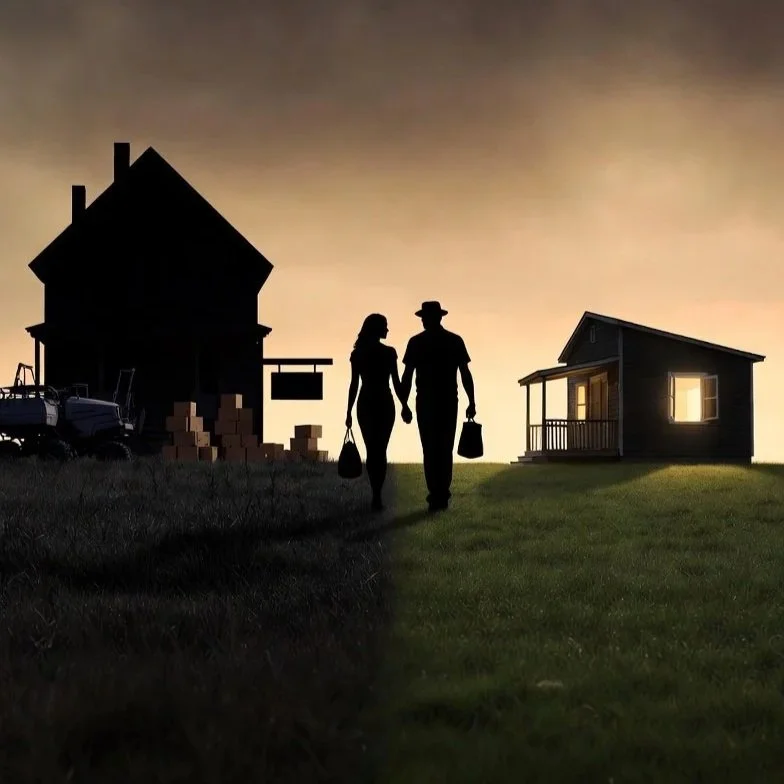
My wife looked at me the other day and said the words I’ve been both dreading and expecting: “We need to sell everything and start over. Build a life that’s actually sustainable with a disabled husband.”
She’s not wrong. And that truth cuts deep. We can’t keep living a life that is no longer ours.
Our Children’s Grief
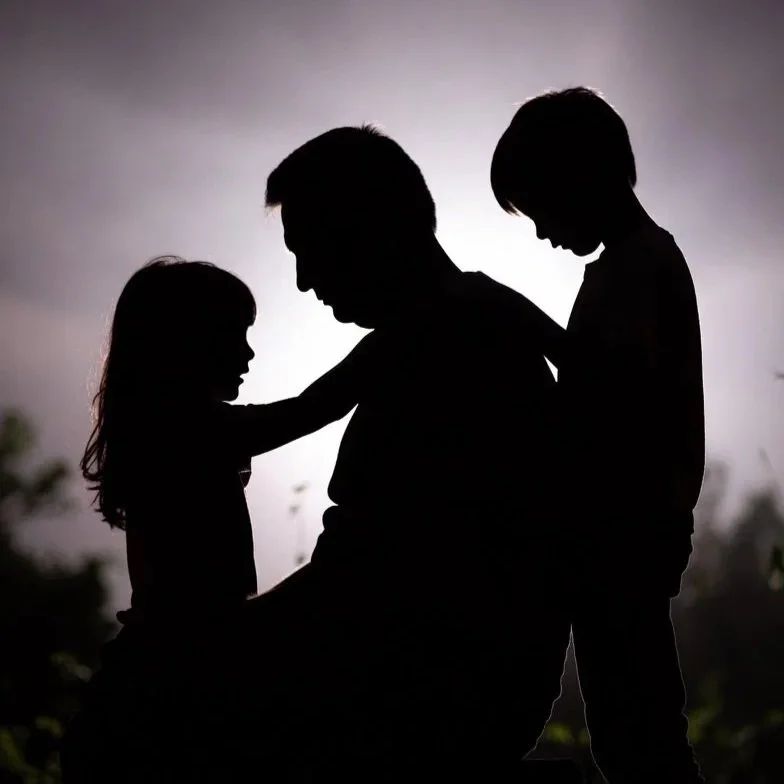
Three years. That’s how long this injury has reshaped not just my life, but the lives of our children in ways I never imagined and still struggle to accept. They watched a brain injury steal their father and their childhood in the course of an evening three years ago that has been unpacked each day since.
I see it in their eyes — the confusion, the sadness, the careful way they now navigate interactions with me. The dad they once had — the one who remembered every promise, played endless games, carried them on his shoulders, and led with steady confidence — has been replaced by someone who can’t remember what we did yesterday or how to do the most basic things of cooking or simply listening at times for them.
Manure, Sweat, and Surrender
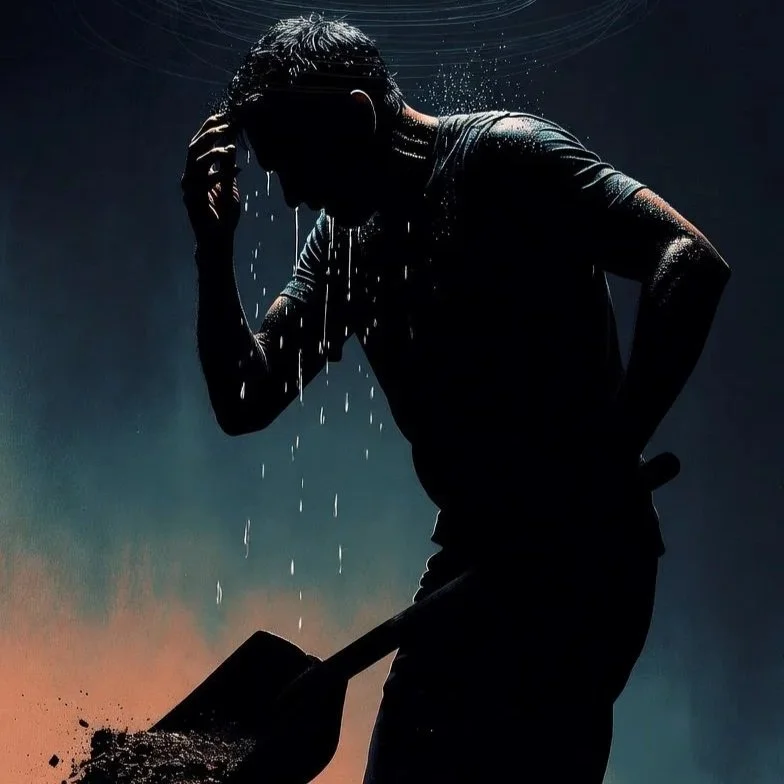
Today I stepped outside with every intention of being useful. Just a simple chore—shoveling manure on our small farm. Something I used to be able to do for hours without thinking twice. Five minutes. That’s all it took today.
My arms burned. My legs turned to lead. The world started spinning. A pounding headache slammed into my skull. Sweat poured down my forehead, stinging my eyes, dripping off my face, soaking my shirt until it clung to my back like a second skin. And it was only 75 degrees outside. Not even hot by most standards.
I had to stop. Had to sit down, head between my knees, waiting for the dizziness to pass. Once again, my body had issued a hard stop I never asked for.
Sternly Misunderstood
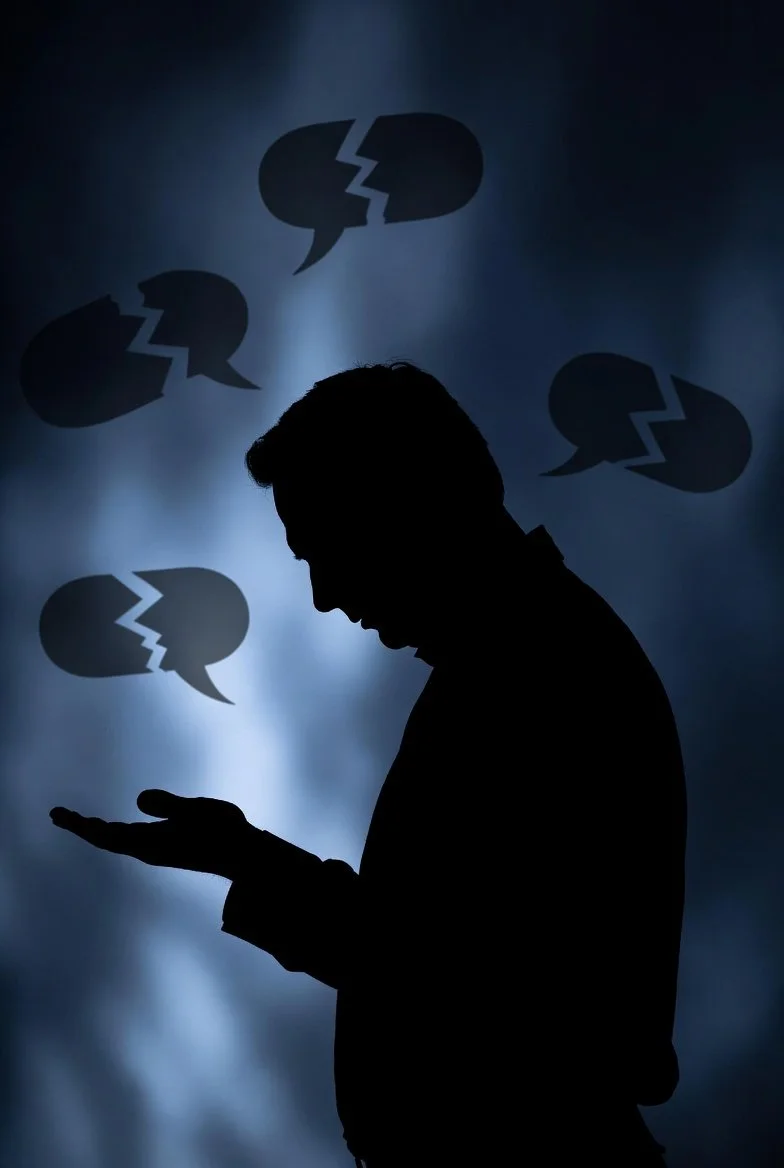
Living with a traumatic brain injury (TBI) changes everything. The headaches, the fatigue, the fog that clouds your thinking—these are the visible (or at least documented) struggles. But one of the deepest, most devastating pains often stays hidden: the crushing weight of being misunderstood by the people who matter most.
I never expected that the hardest part of recovery wouldn’t be the physical symptoms, but the way my words now land like grenades in conversations with those I love. What used to flow naturally—explaining my feelings, sharing my thoughts, resolving a disagreement—now feels like navigating a minefield with a map I can barely read.

Praying They Never Emulate Her
I once believed the relationship I had with my sister was strong enough to withstand anything life could throw at us. We shared years of memories, support through hard seasons, and what I thought was a foundation built on love and loyalty. I never imagined a day would come when I would look at her choices and pray that my own children would never grow up to emulate the person she has become.
Hope, Abandoned.
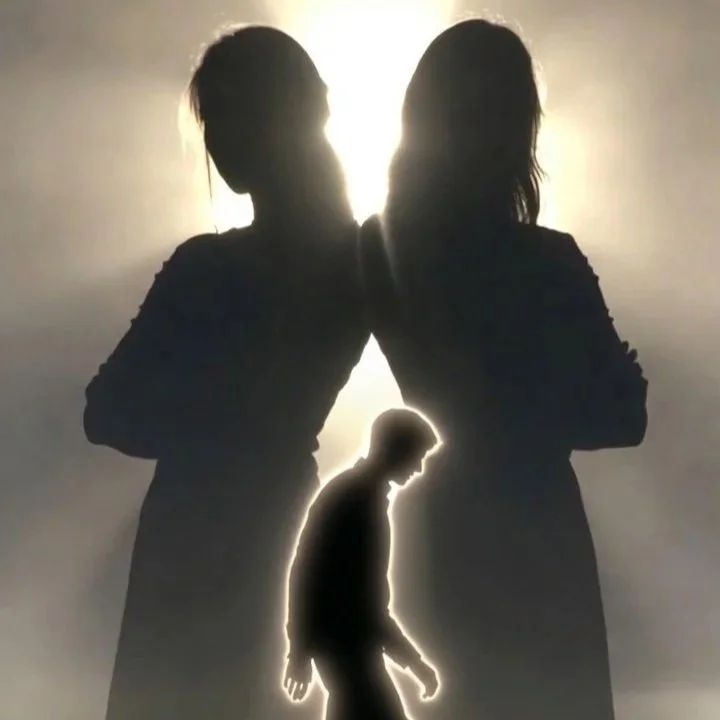
Brain injury recovery strips away many illusions. One of the hardest is the belief that family—especially close family—will always choose you, even when life gets messy and you change in ways no one saw coming. I had clung to the persistent hope that the people who walked away - especially family - might one day come back. That they’ll change their minds, see your progress, and choose reconnection. Today, it’s clear I’ve been avoiding laying that hope to rest for far too long. If anyone else is early in their recovery, and is still holding onto people who have already walked away, learn from my mistake and don't take as long as I have to accept their rejection and finally abandon that false hope of their return.
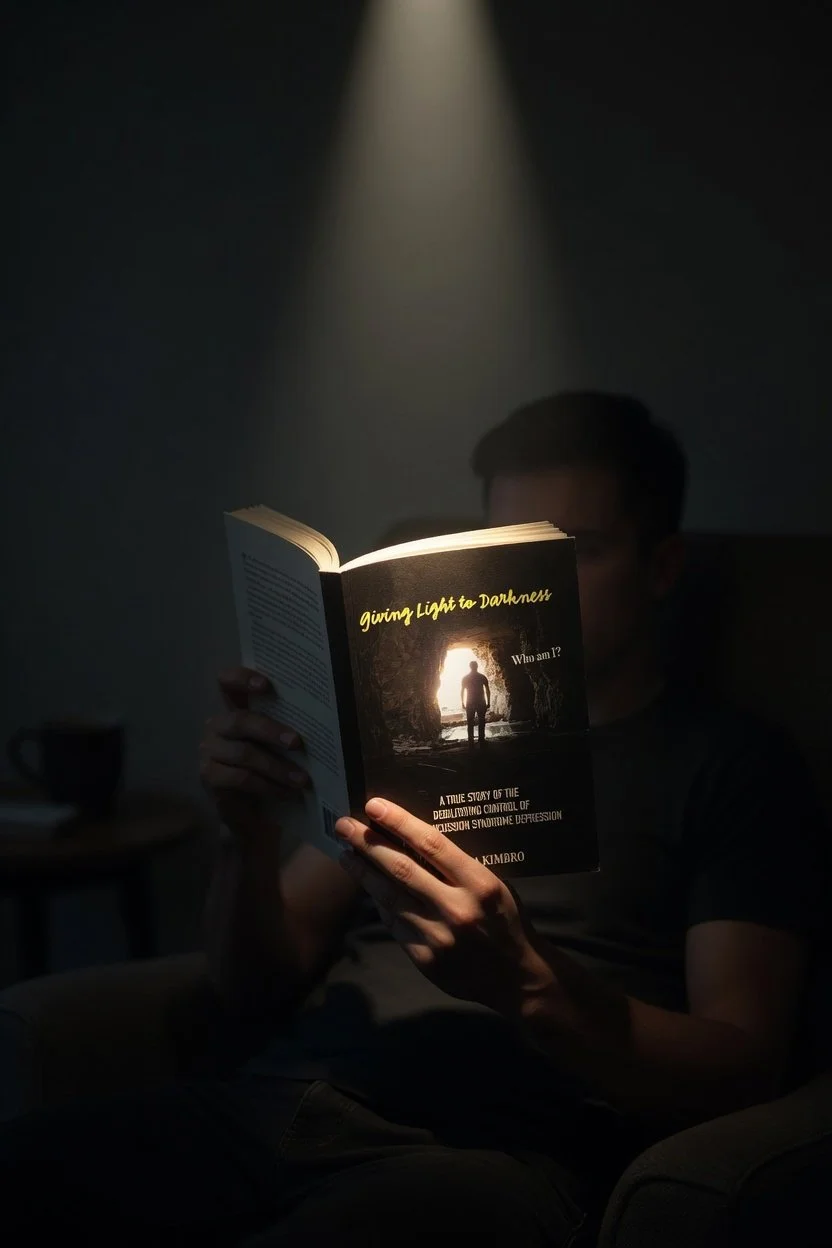
Seth Kimbro Saved My Life
How Seth’s legacy in “Giving Light to Darkness” by Laura Kimbro Saved My Life
I’ve written before about the darkness that traumatic brain injury can bring — the memory loss, the isolation, the crushing weight that makes suicide feel like the only way out. In my lowest moments, when the “Who Is This?” type of phone calls and encounters with others and the disappearing friendships piled on top of constant uncertainty, I came dangerously close to believing the lie that my family would be better off without me.
And it quite literally helped save my life.
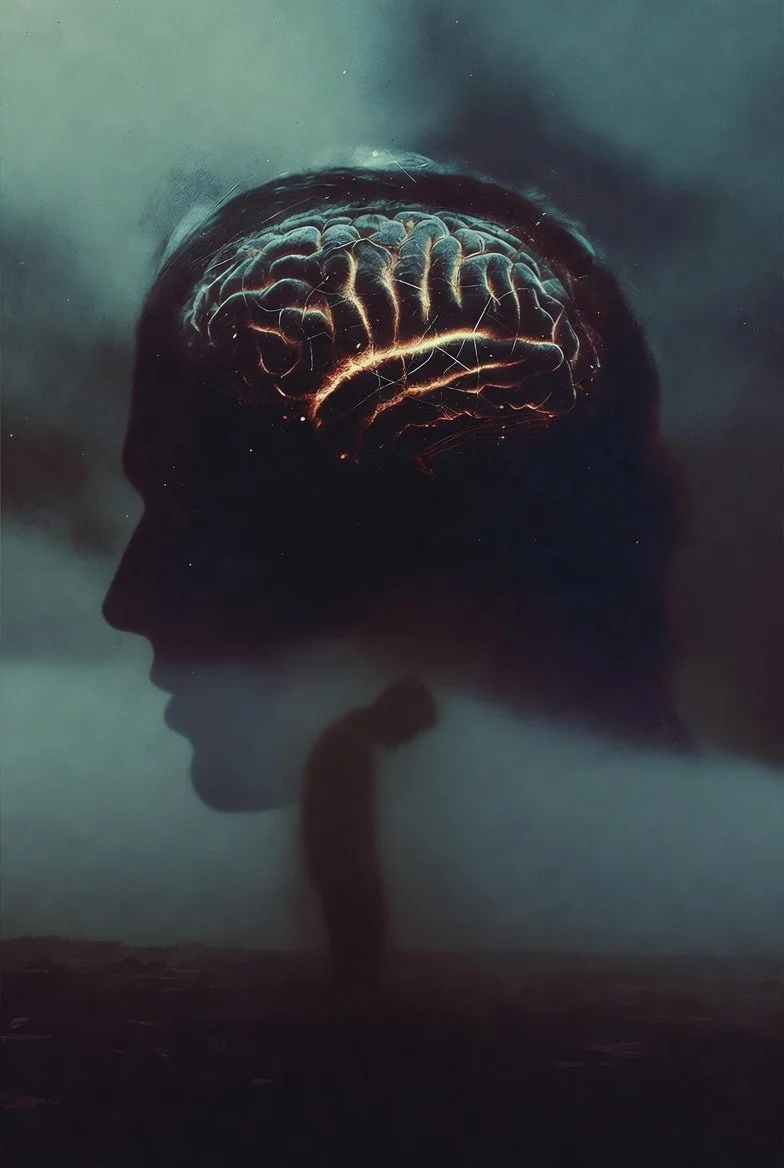
Suicide After Concussion
When TBI Makes Suicide Feel Like the Only Option – And Why You Still Matter
I’ve met too many survivors of TBI that I met too late to still know them while they were alive. I met others that then didn’t show up the next meeting because they had lost their battle. They had encountered this living change surviving their injury and battling each day and found themselves part of an unfortunate statistic. I’ll share some of those statistics below. But they aren’t a statistic. Each one of them is a person. A person who loved and was and is loved. A person with a story. An incredible story. Even after their deaths, I learn from their stories, from their loved ones, from the legacies, and yes from their pain. The pain of living with a traumatic brain injury (TBI) can feel like fighting a war inside your own head — one that no one else can fully see and even the patient can’t fully see or understand themselves at times. Some days the battle gets so heavy that ending it all starts to feel like the only way to find peace. I know this darkness. Many of us in the brain injury community do. In fact, almost every survivor I have met shares the exact sentiment in their early months of wishing they could just reach in their head and pull their own brain out. But I also know there is light, even though it is not always visible each day. It is there, even when not seen in the moment.
This post is not about glamorizing pain or pretending everything gets magically better. It’s about naming the real reasons suicide can feel rational after TBI — for both survivors and their caregivers — and then honestly laying out why staying here is still worth it. Because it is. There is hope, and you are not alone - many of us have felt those exact feelings, the exact darkness, the exact pain - even though your story is incredibly unique and deserving of being heard.
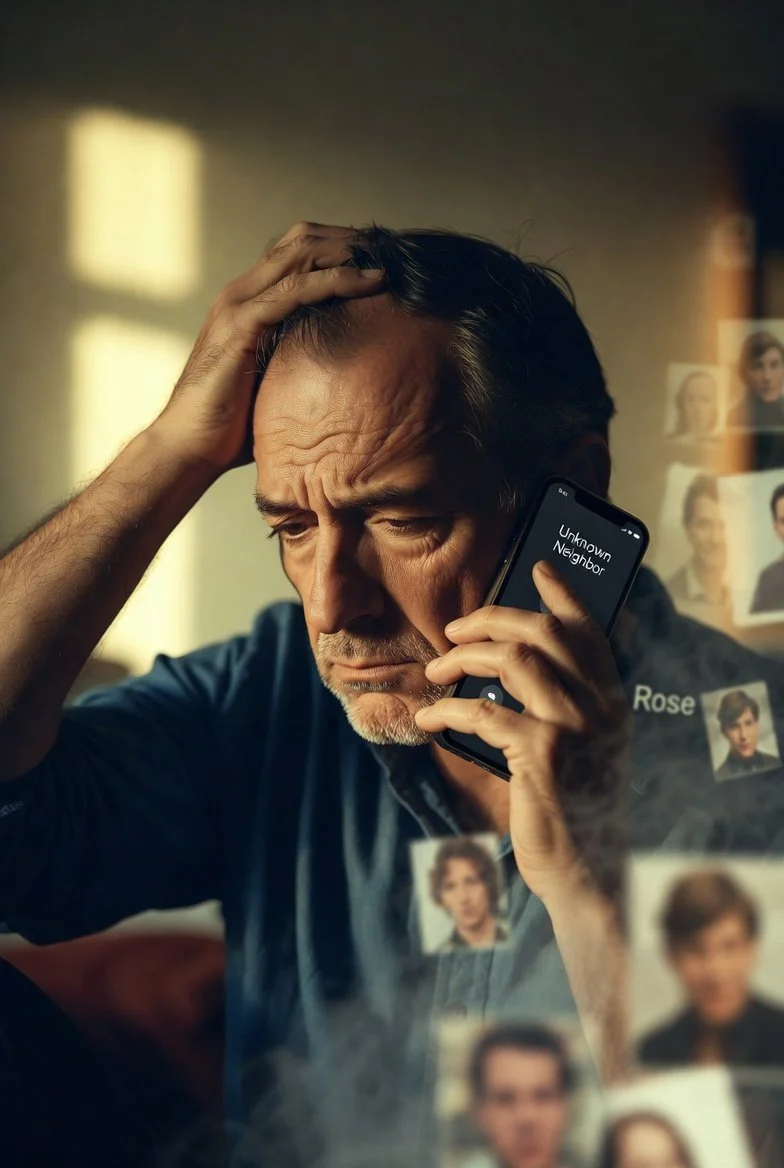
Who Is This?
A few days ago, our phone lit up with a call from a number I didn’t recognize. I answered, as I often do now in recovery—trying to stay connected to a world that sometimes feels half-erased.
“Hi, this is your neighbor Jen,” the voice said warmly. “I’m wondering if you’ve seen Rose lately?”
I froze. Jen? Rose? The names echoed in the empty spaces where memories should be. Was Rose a person? A dog? A neighbor’s kid? My own relative? I had no idea. I also had no clear picture of who this “neighbor” Jen was. Did they move in down the road in the last three years? I don’t have many neighbors change in the country life here but I don’t know a lot now. The street, the faces, the shared history—large chunks of it are simply gone.
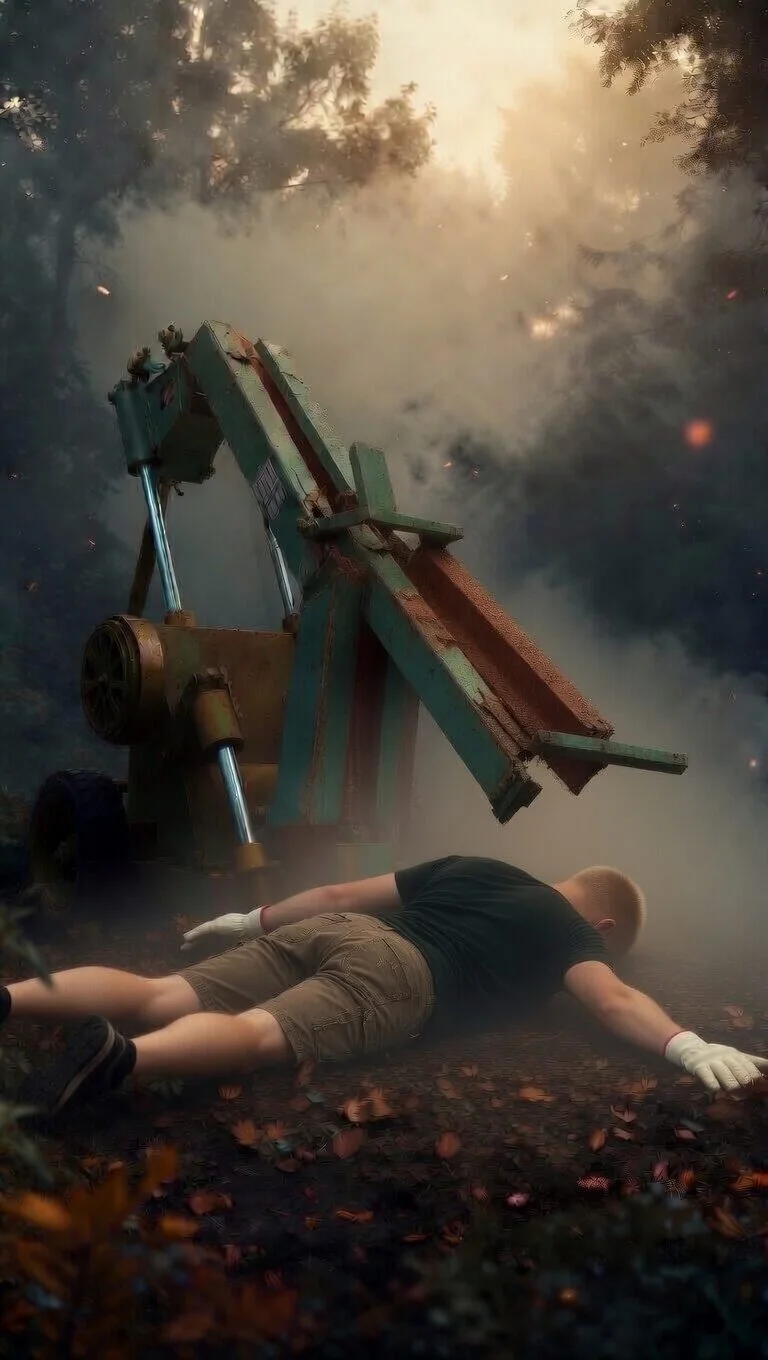
My 3 Year Anniversary
Today marks exactly three years since a wood splitter fell on my head and knocked me unconscious. Three years since the moment everything changed. Three years since I was, in a very real sense, reborn into a life I never asked for.
In the beginning, they told me I would be fine. “Just a concussion,” the ER doctor said. “You’ll bounce back quickly.” I believed them. My family believed them. I rested, followed instructions, and waited for my old self to return. In the days that followed I deteriorated, lost the ability to hold a memory longer than 15 minutes, became a lump on the couch sleeping 20 hours a day, headaches pounding, unable to think, process, watch a screen, forming words one syllable at a time, not able to think of what word was coming next or what word I had just said. After a day or two of almost appearing normal, I had quickly become unrecognizable, like a zombie.
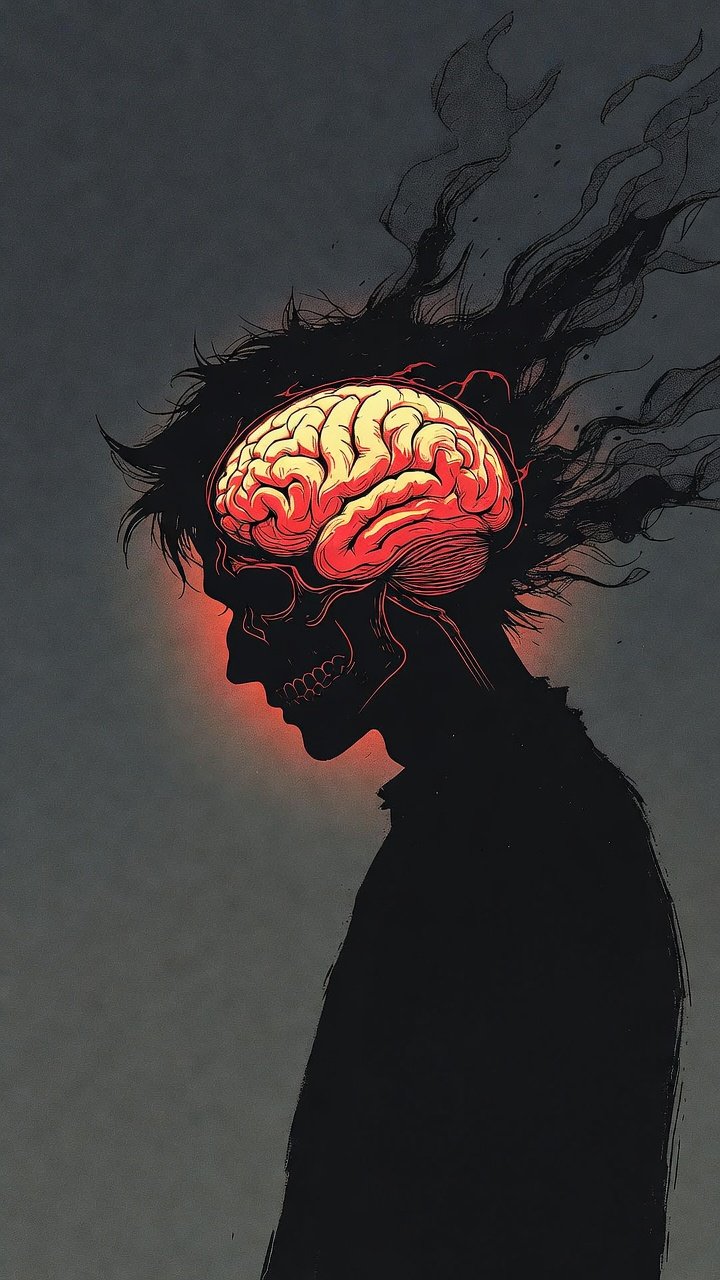
I’m Angry, But Why?
I’m Angry… But I Don’t Even Know What I’m Angry At
Some days after my TBI, I wake up with this heavy, restless anger simmering inside me.
There’s no clear target. No single person or event I can point to and say, “This. This is why I’m mad.” It’s just… there. A vague, foggy frustration that makes me irritable, short-tempered, and sometimes even angry at myself for feeling angry.
This is one of the strangest and most exhausting parts of brain injury recovery.