
Hosting Dinner
Even Strangers Come When Invited
Tonight our family hosted four college missionaries who are spending their summer traveling from parish to parish, leading faith programs for kids and teens. They arrived tired from a long day, but the moment they stepped inside, the house felt different—lighter, fuller.
I Cried Successfully Today
This morning I woke up and did what I always do now: I reread the notes about my life. The big reminders. The checklist of what I need to know to be successful each day. I studied them like they were instructions for a job I used to know how to do without thinking. Because they are. Even with them, they still often are not enough to be ‘successful’ each day.
The Empty Chairs
This weekend my house was full of the best kind of noise—kids running through the yard, overlapping conversations, the smell of food cooking, and the easy laughter that only happens when people who love each other decide to actually show up. Some of my siblings and their children were here, building new memories in real time. We hugged, we teased, we took photos, we made plans for next time. It felt like family is supposed to feel.
But the chairs that stayed empty still hurt.
Her Confusion
Losing a family member who is still alive is its own kind of grief. There’s no final conversation, no clear moment of goodbye — just the slow, painful realization that someone I loved has decided I no longer have a place in her life.
For a long time, I accepted her explanation that my words were the problem. They were too long. Too confusing. A messy sandwich of apology and hurt that was hard to follow.
But I don’t believe that anymore.
Brain’s Painful Confusion
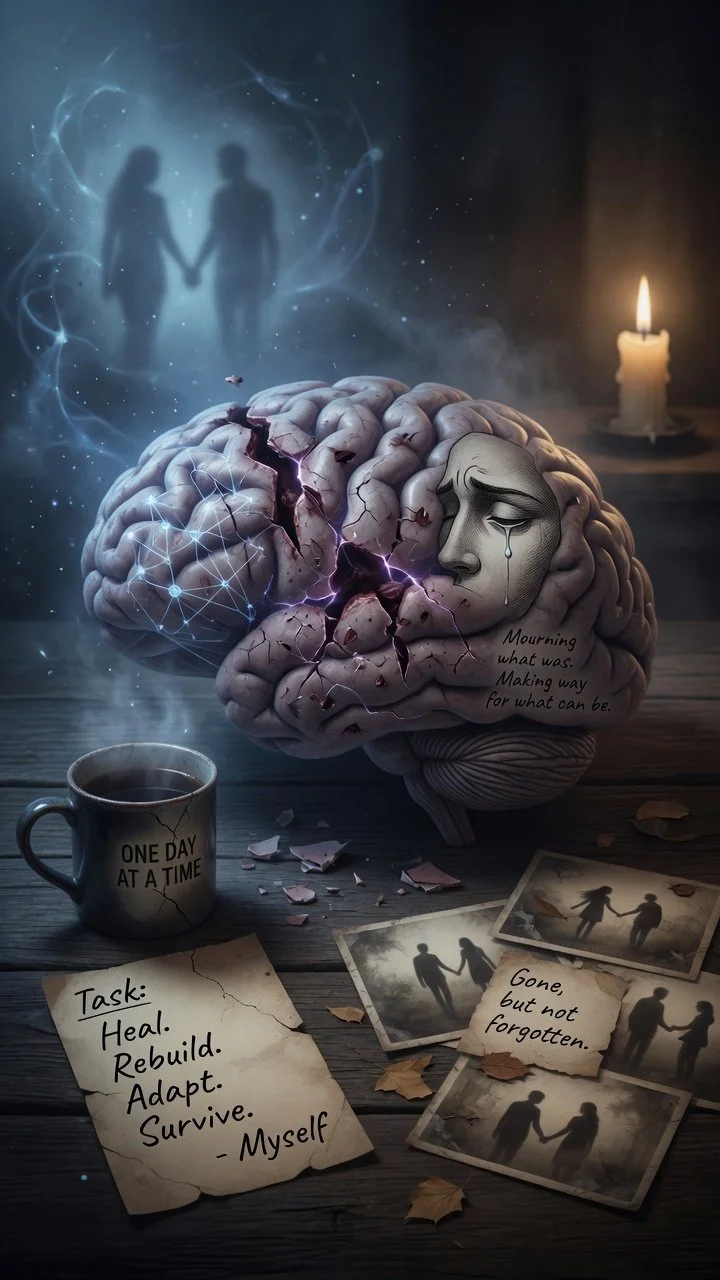
Living with a brain injury is a strange kind of confusion. The very organ that is damaged is the one tasked with trying to understand what has happened to it. It’s like trying to solve a puzzle with missing pieces while the puzzle itself keeps changing shape. Some days my thoughts feel clear and sharp. Other days they’re foggy, fragmented, or simply gone. I have to relearn how to process information, regulate emotions, and even recognize my own limitations — all while those limitations make the process harder.
There is a unique pain in this loop. The injured brain is constantly working to understand its own injury, yet the injury itself prevents full understanding. It’s exhausting. It’s disorienting. And it never fully stops.

Love’s Closed Door
After fourteen years of knowing each other, my sister has made her position unmistakably clear: she does not want me to know her, she has no desire to know me, and she wants me out of her life. She has reinforced this boundary repeatedly. By contrast, in just one year she went from meeting a stranger to agreeing to marry him. Yet after everything we shared over those fourteen years, she continues to insist that I leave her alone. Still, she speaks of wanting a picture-perfect wedding day surrounded by a “loving family.” Yet by her repeated choice to cut us out of her life, she actively prevents and makes impossible the very love and communion she says she desires.

Presence Over Distance
Yesterday, I sat across from old friends I hadn’t seen in years. What could have been a simple catch-up turned into something much deeper. In just a short time together, after a distance from both sides for the previous years, they poured out more genuine compassion, care, concern, prayers, and love than I’ve felt even from family in a very long time.
Selling It All
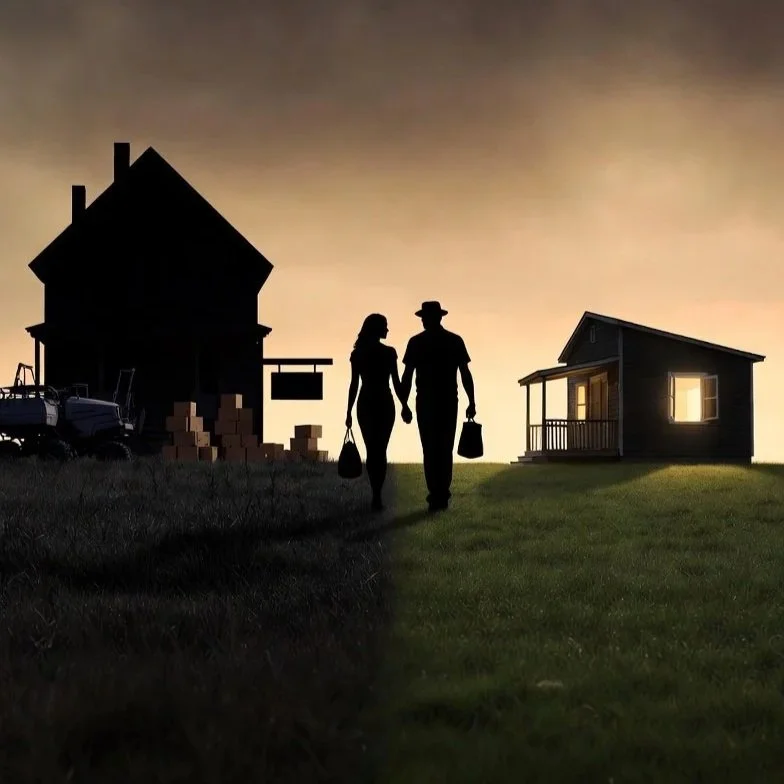
My wife looked at me the other day and said the words I’ve been both dreading and expecting: “We need to sell everything and start over. Build a life that’s actually sustainable with a disabled husband.”
She’s not wrong. And that truth cuts deep. We can’t keep living a life that is no longer ours.

Praying They Never Emulate Her
I once believed the relationship I had with my sister was strong enough to withstand anything life could throw at us. We shared years of memories, support through hard seasons, and what I thought was a foundation built on love and loyalty. I never imagined a day would come when I would look at her choices and pray that my own children would never grow up to emulate the person she has become.
Hope, Abandoned.
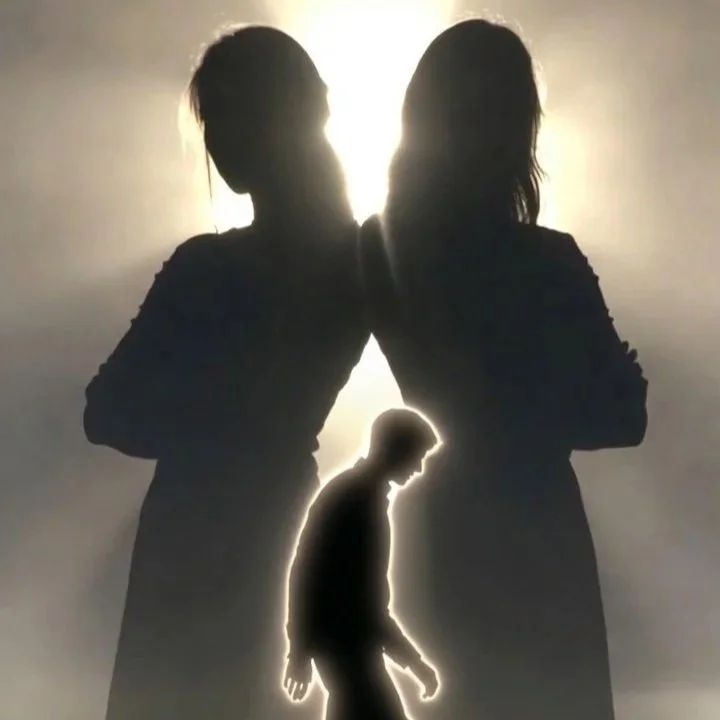
Brain injury recovery strips away many illusions. One of the hardest is the belief that family—especially close family—will always choose you, even when life gets messy and you change in ways no one saw coming. I had clung to the persistent hope that the people who walked away - especially family - might one day come back. That they’ll change their minds, see your progress, and choose reconnection. Today, it’s clear I’ve been avoiding laying that hope to rest for far too long. If anyone else is early in their recovery, and is still holding onto people who have already walked away, learn from my mistake and don't take as long as I have to accept their rejection and finally abandon that false hope of their return.

Sister’s Silent Engagement
When Your Sister Can’t Handle a Conversation With You – What That Really Says About Her Readiness for Marriage
Today I’m sitting with a truth that hurts more than most of my TBI symptoms combined.
My sister just announced she is engaged and planning her wedding.
And I won’t be there.
Not because I don’t love her. Not because I don’t wish her every happiness. But because she has cut me out of her life completely. No calls. No texts. Years of her not wanting to share in anything real together. She has decided that any real conversation with me is too overwhelming for her mental health, and that I am the problem.

Repair Over Exile
Why Cutting Out a Sibling Is Almost Always the Wrong Choice
There’s a quiet epidemic happening in many families today: siblings cutting off siblings, family cutting off family. What often starts as “I just need some space” can slowly harden into permanent estrangement. While the person asking for distance may believe they’re protecting their peace, the reality is far more painful — for both sides.

Estrangement Meets Mercy
Divine Mercy Sunday: Finding Forgiveness and Healing in Family Estrangement – Lessons from St. Faustina’s Diary
Every year, the Sunday after Easter brings us Divine Mercy Sunday—a feast day given to the Church through the visions and writings of St. Maria Faustina Kowalska. It’s not just another holy day on the calendar. It’s a profound invitation from Jesus Himself to plunge into the depths of God’s Mercy, especially when life feels shattered by pain, rejection, or loss. For me, this feast hits especially close to home because of a wound that still aches: my sisters cutting me out of their lives after my brain injury, right in the middle of their teenage rebellion.
Silent Birthdays
The Ache of Loving a Sister You Can’t Reach
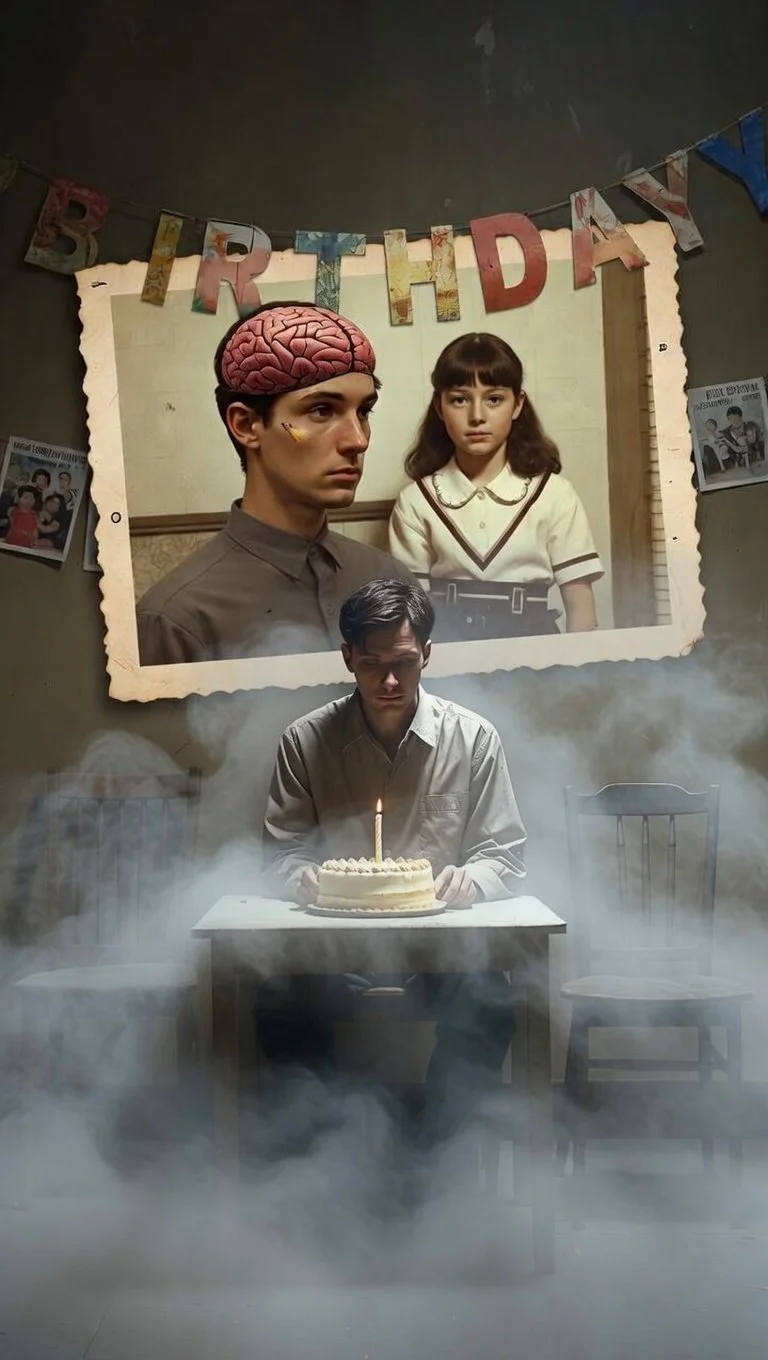
Today is her birthday again.
I know the exact date without looking at a calendar. Some things just etch themselves into you. I wake up, go to pray for her, and there it is—another year where the words “Happy Birthday” sit heavy in my chest like stones I’m not allowed to throw. I type them out in my notes app sometimes. Delete them. Type them again. Then close the app and go make lemonade, because reaching out isn’t an option anymore and all I have left are these lemons. She asked me to leave her alone. And I’m trying—God, I’m trying—to respect that.
It wasn’t always this way. I used to communicate with her every day and she would communicate back with me each day. For years we were close as a brother and sister. We used to see each other often. Enjoy doing fun activities. I’d wish her not only happy birthday but wish her happy feast days, baptismal days, confirmation anniversary days - days she didn’t even know were happening that day until I’d wish it to her. It didn’t used to be silent.
But then came the end of her high school years and the first stretch of college.
I’m Not Normal
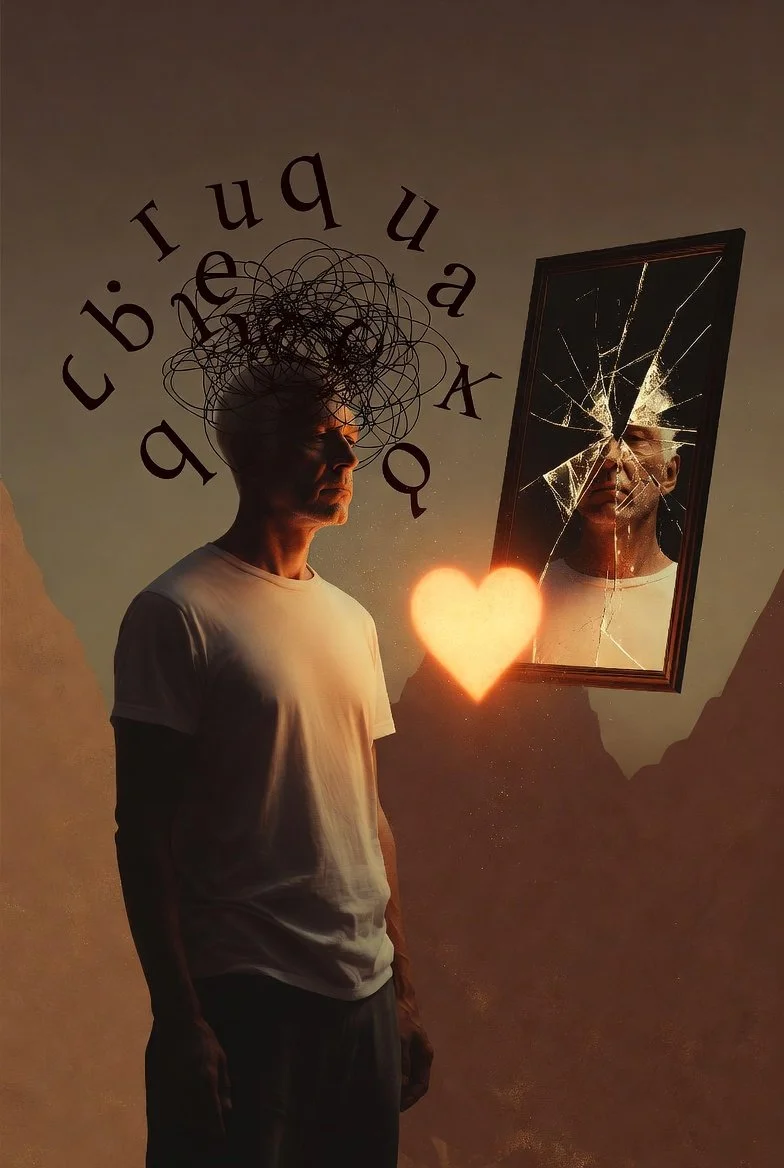
Three years. That’s how long it’s been since I felt like the version of myself that other people used to know.
A traumatic brain injury didn’t just knock me out physically—it rewired how I think, how I speak, how I show up in relationships, and even how I see myself. For a long time I described it the only way that felt honest: I have a broken brain. Some days I still feel like a toddler trapped in an adult body—full of big emotions, zero filter, and the constant fear that I’m never going to be “normal” enough for the people I love.
But here’s what I’ve learned in three years of messy, imperfect recovery: “normal” was never the goal. The goal was honest. The goal was trying. And the goal was slowly becoming someone I could look in the mirror and say, “You’re doing your best, and that’s enough today.” The goal wasn’t to be loved, but to love.

The TBI Lesson in “I am Legend”
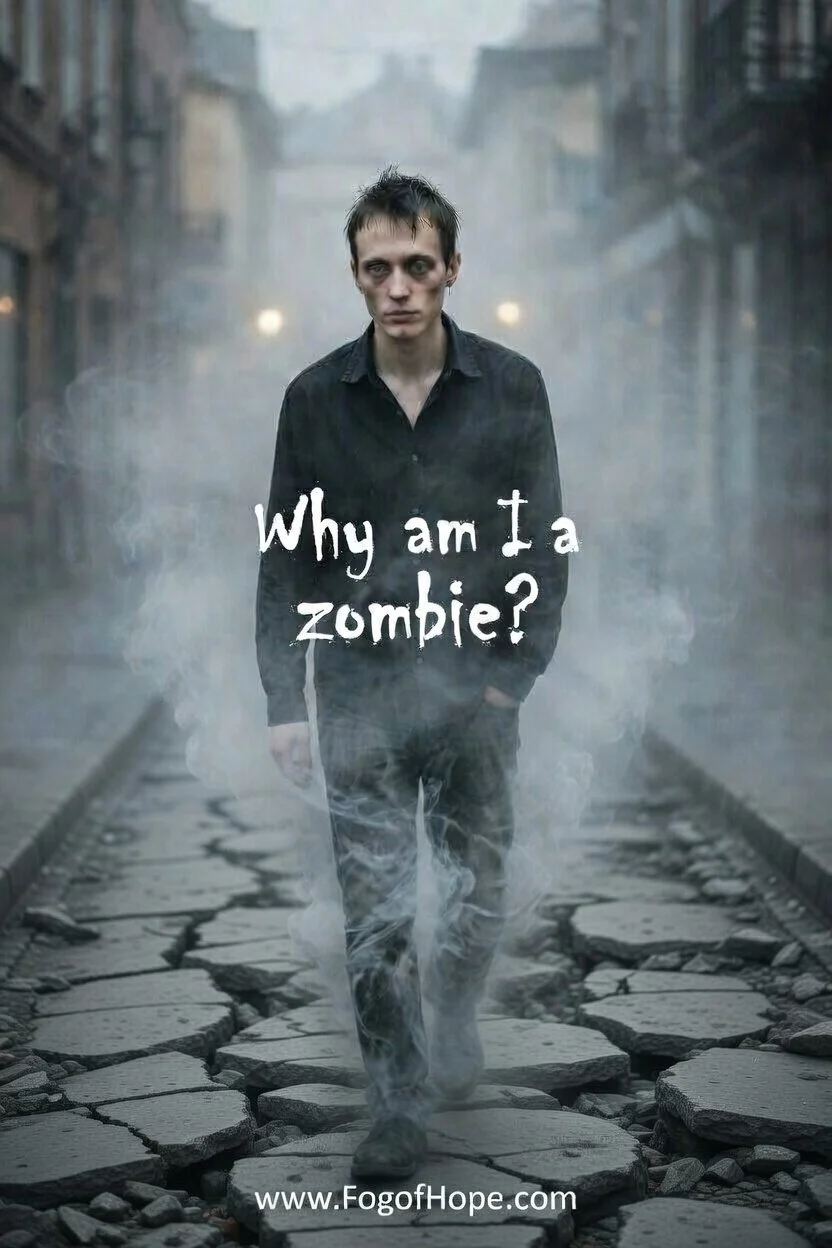
The last blog talked about my experience feeling like being perceived as a Zombie.
It reminded me of another Zombie story in my life. A couple of years before I got hurt, we had a time where we had my youngest sister over to our house. We were browsing for a movie to watch with her and came across “I am Legend”. I hadn’t seen it since it had come out in 2007 but remembered it was a good action movie, captivating, and I had enjoyed it back then. But I couldn’t recall much more about it. Well, as we got into it, it was clearly a “Zombie” movie. Not like a regular Zombie movie, but still not necessarily the right movie to pick for her. We should have done a Rom-Com or something for my wife and her more I guess retrospectively. But unlike a stereotypical “Zombie” movie - this one is different, and I would now argue actually eerily similar to my TBI journey in some ways.
Lessons from 'I Am Legend' on Misunderstanding TBI Patients
In the eerie silence of a post-apocalyptic world, Will Smith's character in I Am Legend wanders the empty streets of New York City, haunted by creatures that were once human but now seem monstrous. These "Darkseekers," as they're called in the film, are victims of a virus that has stripped them of their humanity, trapping them in a state of rage and isolation. But what if I told you this sci-fi thriller can at times hold a mirror to the real-life experiences of those living with with a brain injury? Just like the “infected” Darkseekers in the movie, TBI patients often feel trapped by their symptoms, misunderstood by society, and desperately in need of a "cure" – or at least better understanding and support. In this blog post, I'll explore the movie's themes and draw some parallels to the often-invisible struggles of TBI survivors.
Why am I a Zombie?
I don’t remember much of the first couple of years from my injury. But I’m forever grateful that prior to my injury I had learned the skill of journaling from a leadership course I had attended for my job. This skillset would prove to be one among many TBI recovery skills that are often taught post-injury to Brain Injured patients that I had been blessed to develop ahead of time. These skills somehow miraculously assisted in being able to regain entry into my job after the initial months of recovery off even though barely functioning internally. I don’t have as many journal entries as I retrospectively wish I would have had from the first year, but from what I can gather as I reread these early ones, the bulk of my initial days were literally sleeping so not much to record anyway. 18+ hours on most days. Falling asleep in the middle of loud activity all around. My time awake was spent staring out the window, at nothing truly. Unable to focus. Every light too much. Each sound so painful. These spots in my vision distracting, draining, confusing. Unable to do much and with little company there often was not much to journal about beyond my kids and wife in the pieces I could gather and understand, but I also thought I “just” had a concussion and was just resting and getting better and then eventually “just” Post Concussive Syndrome and just need to keep resting and I’ll be better. I never knew what this was and would end up being.
Early on I could not watch anything. The TV made me sick physically. Each scene cut transition every 3 seconds was too quick to process, too overstimulating for me. In the first days, I recorded that my wife and I went to watch a movie and I had it turned off within five minutes unable to process even the sound with my eyes shut. Everything was too much. It hurt, made me nauseous, and was overwhelming in a way that is so difficult to describe.