Repair Over Exile
Why Cutting Out a Sibling Is Almost Always the Wrong Choice
There’s a quiet epidemic happening in many families today: siblings cutting off siblings, children cutting off parents, family cutting off family. What often starts as “I just need some space” can slowly harden into permanent estrangement. While the person asking for distance may believe they’re protecting their peace, the reality is far more painful — for both sides.
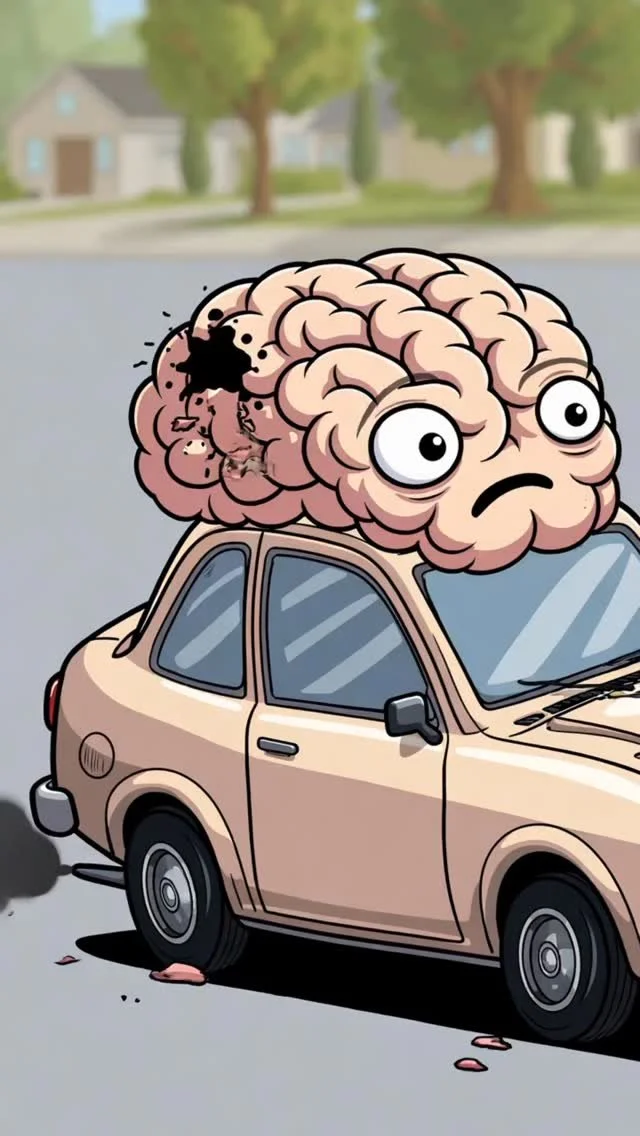
As someone who has lived through three years of silence from my younger sisters after my traumatic brain injury, I’ve seen firsthand how this decision creates far more harm than it prevents.
The Illusion of Protection
When a sibling says, “I need space,” or “You’re overwhelming me right now,” it often comes from a place of genuine struggle — anxiety, guilt, resentment, or feeling emotionally flooded. In the moment, cutting contact can feel like relief. It removes the immediate discomfort or trigger. No more difficult conversations. No more guilt. No more navigating someone else’s pain or limitations.
But here’s the hard truth: asking for space from a sibling is rarely just “space.” When it becomes total cutoff, it doesn’t resolve the underlying emotions — it amplifies them.
But here’s the hard truth: permanent cutoff rarely solves those feelings — it amplifies them. Instead of easing anxiety and guilt, silence often fills the mind with regret, unanswered questions, and a deeper, more persistent guilt. What was intended to protect mental health ends up poisoning it over time.
The Hidden Harm to the Person Being Cut Off
For the sibling who is suddenly shut out, the damage runs deep:
It reinforces feelings of rejection and worthlessness, especially when the cutoff comes during or after a major life challenge (like a TBI, illness, or grief).
It creates ambiguous grief — mourning someone who is still alive but has chosen to disappear from your life.
It adds isolation on top of whatever hardship they were already facing. When your own sibling — someone who shares your history and blood — decides you are too much, the message received is “You are unlovable as you are.”
In my case, my symptoms after the concussion (memory issues, slower processing, fatigue) were interpreted as an emotional burden. What could have been worked through with patience and clear communication became a wall of silence. The very injury that already made connection harder became the reason connection was ended entirely.
This doesn’t just hurt in the moment. It leaves lasting scars on self-worth and trust in relationships.
The Deeper Cost to the One Who Cuts Off
Ironically, the person who initiates the cutoff often suffers more in the long run than they realize:
They lose the opportunity to grow through discomfort. Family relationships are one of the best training grounds for patience, forgiveness, empathy, and maturity.
They trade short-term emotional relief for long-term loneliness. Siblings who stay connected through hard seasons often report stronger, more resilient bonds later in life.
They rob themselves of the chance to witness healing. Many people with TBI or chronic conditions improve with time, support, and practice. By walking away too early, they miss the redeemed version of the relationship.
True happiness in life is rarely built on isolation. Research and centuries of wisdom show that strong family ties — even imperfect ones — are one of the strongest predictors of long-term well-being. Cutting off a sibling severs one of the most natural sources of belonging we have.
A Better Way: Boundaries Without Exile
Healthy boundaries are good and necessary. They can sound like:
I can only talk for 15 minutes right now, but we haven’t talked in a while. How are you?
I miss the easy, fun brother-sister relationship we used to have. Adjusting to your TBI has been hard for me too. I need you to be patient with me while I learn this new version of us.
I need some time to process my own feelings about your injury. I’m going to take a few days before we talk again so I can show up better for you.
Group family gatherings are too loud and chaotic for me when I’m stressed. Can we spend time together one-on-one instead? Calling? Texting?
Please only reach out in the mornings or early afternoons — that’s when I have the most emotional energy to respond.
I care about you a lot, but I can’t handle hearing about your pain or struggles every time we talk. Would it be okay if we focus on positive or everyday things during our conversations for now? This happened today […]
When you repeat questions or forget things we just talked about, it frustrates me. I need us to be patient with each other — maybe we can write important things down so I don’t get overwhelmed.
But boundaries should manage behavior, not erase the person. Saying “I need space from you” is fundamentally different from “I need space from this particular dynamic right now.”
Cutting someone out completely is not a boundary — it is the death of the relationship. It closes the door on repair, growth, and reconciliation. And once that door stays shut for years, reopening it becomes exponentially harder.
Scripture and Church teaching are clear on this. Jesus commands us to seek reconciliation (Matthew 5:23-24), and St. Paul urges us to “bear with one another in love” (Ephesians 4:2). The family is meant to be a school of forgiveness and unconditional love, not a place where we permanently exile each other when things get difficult. The Catechism teaches that in the family we learn “fraternal love and generous — even repeated — forgiveness” (CCC 1657). Jesus commands reconciliation before offering gifts at the altar (Matthew 5:23-24) and warns strongly against refusing it (Matthew 5:22). St. Paul urges us to “bear with one another in love” (Ephesians 4:2) and reminds us that God has given us “the ministry of reconciliation” (2 Corinthians 5:18).
A Catholic Answers reflection puts it plainly: “No, it is not ‘okay’ to not have a relationship with a sibling… families are expected to maintain peaceful relations and to reconcile their differences.” In short, siblings that have cut off their family unwarranted and withhold forgiveness - cut themselves off from approaching God’s Altar without reconciling with their family.
Choosing Repair Over Permanent Silence
If you’re the one considering cutting off a sibling, I ask you to pause. Ask yourself:
Is this truly about safety, or is it about avoiding discomfort?
Will this decision bring lasting peace, or will it create new regrets?
Am I willing to lose this relationship forever? Is that what this situation requires?
If you’re the one who has been cut off, know this: your worth is not defined by their silence. You are allowed to grieve. You are allowed to hope. And you are allowed to keep your own heart open to repair without chasing someone who refuses to meet you there.
Relationships with siblings are worth fighting for. They are messy, imperfect, and sometimes painful — but they are also one of God’s greatest gifts for learning how to love like He does: patiently, mercifully, and persistently.
Let’s stop normalizing sibling estrangement as “self-care.” It simply isn’t. In almost every situation, it is wrong and hurts deeply both people unnecessarily. Real self-care includes doing the hard, humble work of staying connected when possible — not walking away at the first sign of difficulty.
The silence may feel safer today, but it rarely leads to greater happiness tomorrow.
In the meantime, I’m still here — door open, heart willing, still praying for my sisters’ happiness with God. Repair is always possible if both sides choose it.
With care and quiet hope,
A big brother choosing the path of repair, one gentle day at a time
Addendum: What True Reconciliation Would Look Like
If you’re the one who cut your sibling out — or if you’re reading this and wondering whether repair is still possible — here’s what genuine reconciliation would actually require. Healing a relationship after years of silence, especially following a brain injury, isn’t quick or easy. It demands humility, self-awareness, and consistent effort from the person who closed the door.
What Would My Sister Need to Do to Reconcile and Heal the Relationship:
If my sister (or any sibling who has walked away) truly wants to repair the relationship after cutting me out following my traumatic brain injury, this is what meaningful healing would actually look like:
Reach out first, without waiting to be chased. The person who ended the relationship bears the responsibility to reopen the door. A simple, humble message saying “I’ve been thinking about you and I’d like to talk when you’re ready” would be a powerful first step with a desire to then freely talk.
Take full ownership of the decision. A sincere apology that names the harm: “I’m sorry I cut you out of my life. I’m sorry I treated your TBI symptoms as a burden and excuse instead of supporting you through them. I’m sorry that my decisions to abandon you and your family harmed you. I’m sorry for the three years of silence and how I treated you and the pain it caused you.” Not, “I had my reasons” and was justified to cut you out. Something justified doesn’t warrant an apology.
Acknowledge the real impact of her choice. Recognize that the cutoff deepened the loneliness, grief, and self-doubt that already come with a brain injury. It turned an already difficult recovery into something even more isolating. It rejected many years of real friendship for nothing gained in return.
Learn about TBI and post-concussion syndrome. She would need to educate herself (through reliable resources or conversations with my wife or I or others with TBI) about how memory issues, fatigue, slower processing, and emotional changes actually work — instead of expecting me to communicate or function like I did before the injury as if nothing has happened or changed.
Respect my current limitations with patience. Accept that conversations may need to be shorter, slower, repeated, one-on-one, more consistent, or done by text. She would need to respond with understanding rather than frustration when my brain fog or memory glitches show up.
Rebuild trust through small, consistent actions. Trust isn’t restored in one conversation. It grows through regular, low-pressure contact, keeping promises, following through, and showing up even when it feels uncomfortable or inconvenient. For us that could be as simple as the one-second daily snapchat real picture of her and/or her life that we used to share back and forth each day consistently for years.
Be willing to listen without defensiveness. Hear how the estrangement affected me, sit with the discomfort, and resist the urge to justify or shift blame back onto my symptoms. Recognizing, I’d be willing to do all theses too and so much more for her and hear how hard it was for her even with it being her choice. I think she’d be surprised how much the burden of wondering what I’d think of her or judge her for isn’t necessary. We’ve all made choices in our lives we regret, myself included. More than listening to me, she would find that what I’ve missed more than anything is hearing her and about her life.
Commit to the long, slow process of repair. Understand that healing a relationship after three years of silence is not a one-time event. It means choosing connection repeatedly — even when old feelings resurface or my TBI symptoms flare up, and even if she were to make more poor choices towards us again.
This isn’t some kind of one sided demand list. In true reconciliation, I am sure the other person, in my case my sisters - also have items to add which I would respect and work hard to do as well in my side of the repair process after having been cut out by them. True reconciliation isn’t just saying “I want to be close again.” It means doing the humble, patient, and sometimes messy work of restoring what was broken — one honest conversation, one act of kindness, and one day of showing up at a time. She once said I had done everything to be a friend and it was then up to her. The truth is, all it would take is her deciding and choosing to live that out - pursuing a friendship - like she has with any other friend in her journey, like we did for the decade before. Simply, reconciliation would look like her making a decision to want to be a friend and living according to that decision.
This addendum isn’t written to shame or pressure anyone. It’s offered as a clear, honest roadmap. Repair is always possible when someone is willing to do the hard, humble work of showing up again — but it can only begin when the person who walked away chooses to walk back toward the relationship with openness and accountability.
The door on my side remains open. I continue to pray that one day my sisters will feel safe enough to step through it. The door on my side has never been locked. If she chooses to walk through it with humility and consistency, I will meet her there with the same steady love I’ve always had. Repair is always possible when both hearts are willing.