

What is Your Name?
Last night, my wife showed me a video that came up in her feed of Vice President JD Vance appearing on The View. Politics aside, I was impressed by a few things. Despite everyone fighting to get their words in and constantly interrupting each other, he remained remarkably patient and truly listened to the others. It reminded me how, with a brain injury, the chaos of overlapping voices and group conversations often makes it hard for me to participate fully. I still try — mostly by listening — but it would be a gift if our culture shifted toward more mutual respect instead of constant interruption. Everyone deserves a chance to be heard, not just the loudest.

Suicide After Concussion
When TBI Makes Suicide Feel Like the Only Option – And Why You Still Matter
I’ve met too many survivors of TBI that I met too late to still know them while they were alive. I met others that then didn’t show up the next meeting because they had lost their battle. They had encountered this living change surviving their injury and battling each day and found themselves part of an unfortunate statistic. I’ll share some of those statistics below. But they aren’t a statistic. Each one of them is a person. A person who loved and was and is loved. A person with a story. An incredible story. Even after their deaths, I learn from their stories, from their loved ones, from the legacies, and yes from their pain. The pain of living with a traumatic brain injury (TBI) can feel like fighting a war inside your own head — one that no one else can fully see and even the patient can’t fully see or understand themselves at times. Some days the battle gets so heavy that ending it all starts to feel like the only way to find peace. I know this darkness. Many of us in the brain injury community do. In fact, almost every survivor I have met shares the exact sentiment in their early months of wishing they could just reach in their head and pull their own brain out. But I also know there is light, even though it is not always visible each day. It is there, even when not seen in the moment.
This post is not about glamorizing pain or pretending everything gets magically better. It’s about naming the real reasons suicide can feel rational after TBI — for both survivors and their caregivers — and then honestly laying out why staying here is still worth it. Because it is. There is hope, and you are not alone - many of us have felt those exact feelings, the exact darkness, the exact pain - even though your story is incredibly unique and deserving of being heard.
Who Is This?
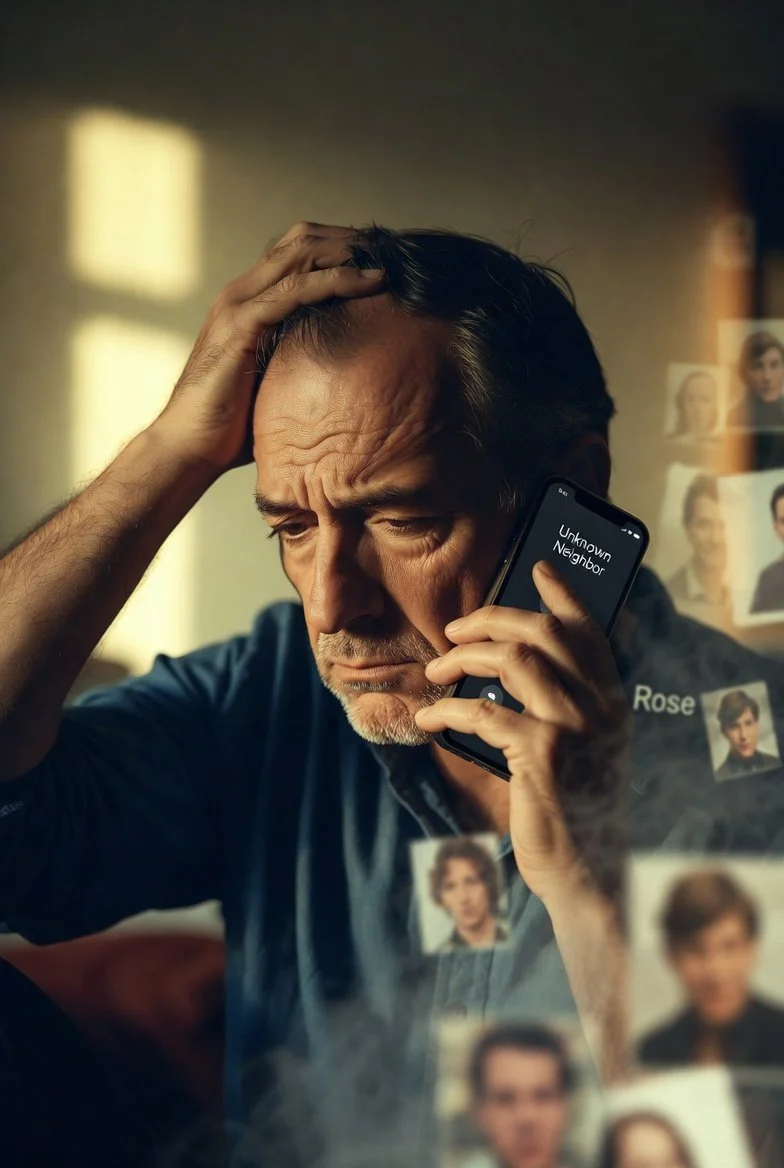
A few days ago, our phone lit up with a call from a number I didn’t recognize. I answered, as I often do now in recovery—trying to stay connected to a world that sometimes feels half-erased.
“Hi, this is your neighbor Jen,” the voice said warmly. “I’m wondering if you’ve seen Rose lately?”
I froze. Jen? Rose? The names echoed in the empty spaces where memories should be. Was Rose a person? A dog? A neighbor’s kid? My own relative? I had no idea. I also had no clear picture of who this “neighbor” Jen was. Did they move in down the road in the last three years? I don’t have many neighbors change in the country life here but I don’t know a lot now. The street, the faces, the shared history—large chunks of it are simply gone.
Taking My Brain for a Test Drive
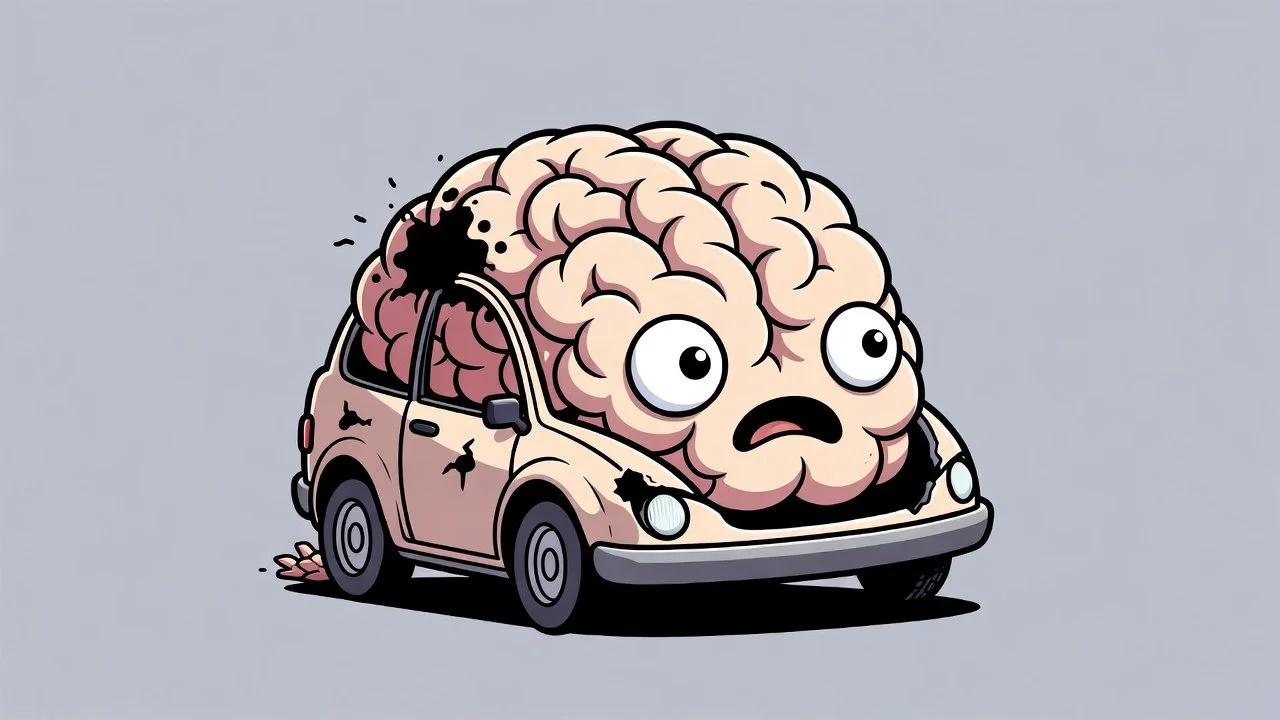
Understanding Brain Symptoms: Like Test Driving a Damaged Car
As we shop for replacement vehicles for our vehicle with a faulty transmission, I can’t help but continue to think about the similarities between car problems and the issues I have experienced with brain injury recovery. Imagine you’ve just been handed the keys to a car that looks perfectly normal from the outside. It’s the same make and model you’ve driven for years. You slide into the driver’s seat, turn the key, and… something’s off. The engine starts, but it doesn’t purr like it used to. The steering feels loose in some spots and overly tight in others. The brakes work, but they hesitate for half a second too long. The radio keeps cutting out. Every little system that used to work seamlessly now has quirks, and you can’t quite explain why to the mechanic. The mechanic might even try convincing you nothing is wrong. But the test drive experience shows there are things wrong - sometimes obvious - sometimes hard to explain.
That’s what living with a Traumatic Brain Injury (TBI) often feels like.
My Transmission is Shot
When Your Transmission Goes Out: What Car Trouble Taught Me About Living with a Brain Injury
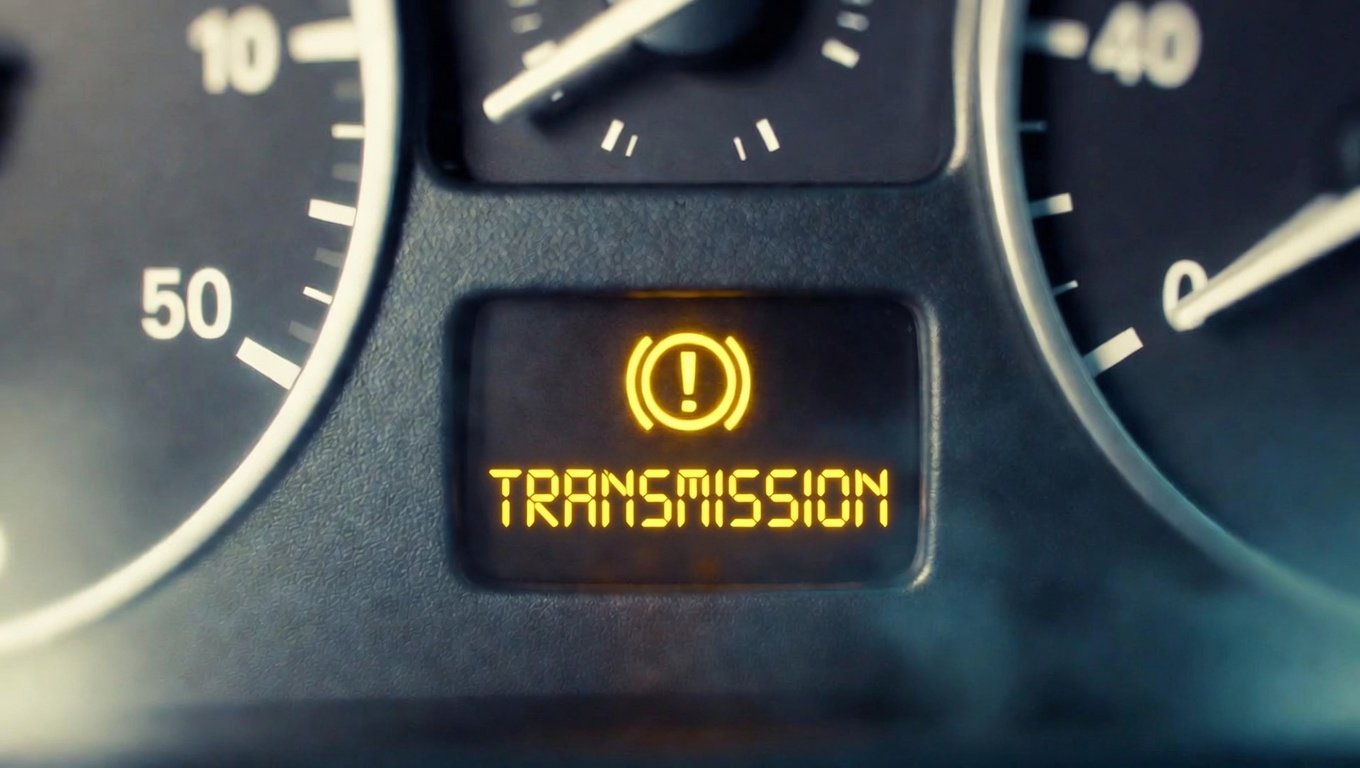
We had a vehicle with a transmission starting to fail. The vehicle would act strange. The engine was revving, but the power wasn’t reaching the wheels the way it should. Shifting felt delayed and clunky. We made it home, but the warning lights came on, and we knew something was seriously wrong with the transmission.
After a painful diagnostic visit, the mechanic confirmed it: transmission is failing. Not a cheap or simple fix. The part that transfers power from the engine to the drivetrain was damaged, and without it, the vehicle couldn’t do what it was built for—even though the engine itself was still running strong. Sound familiar?
That moment hit me hard because it mirrored exactly what happened to my brain three years ago after my traumatic brain injury (TBI).
Navigating Time After My Injury
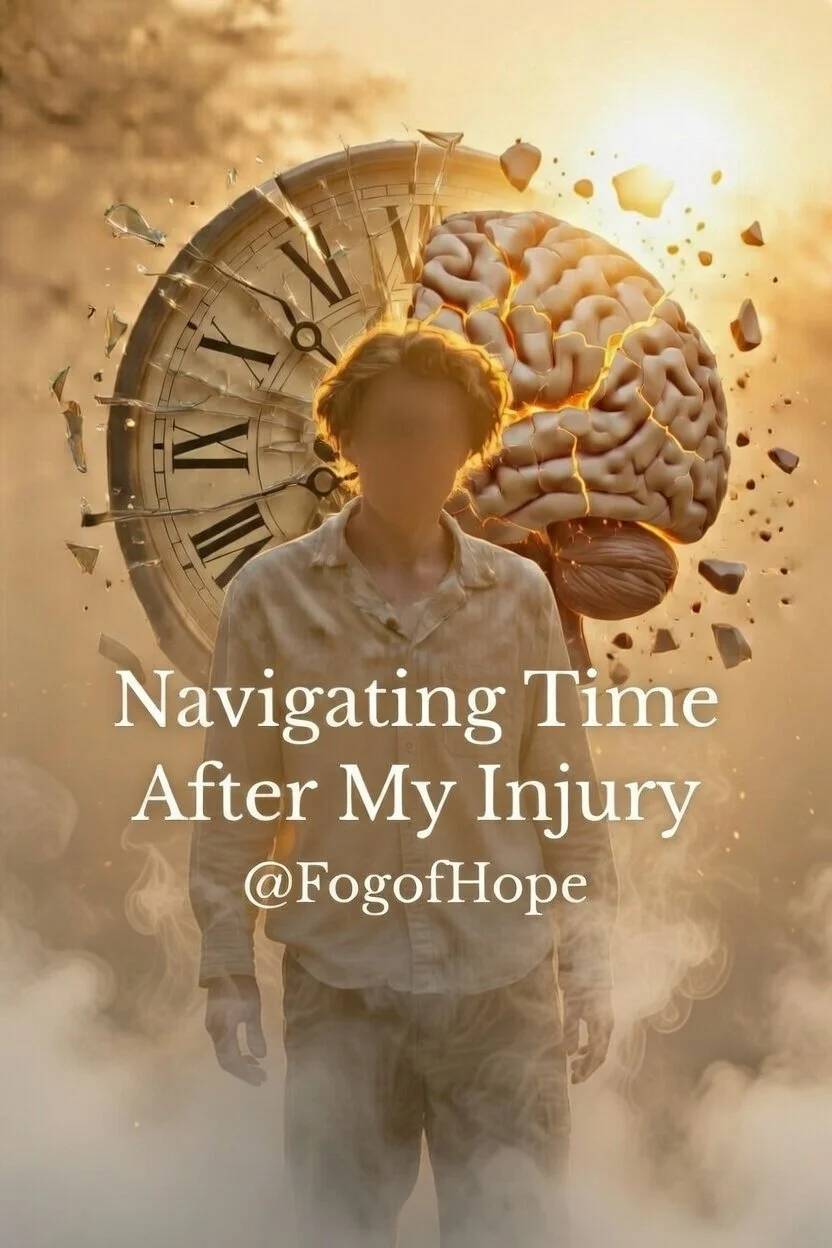
Have you ever felt like time was slipping away, or that minutes stretched into hours during a mundane task? For most people, these are fleeting experiences. I remember when that used to be the case. But for those recovering from a traumatic brain injury (TBI), such distortions in time perception can become a daily reality, intertwined with memory challenges that make even simple routines feel overwhelming.
Today is Daylight Savings Time where we artificially adjust time. An “hour” of time just elapsed in less than a second. While not the same as these experiences of time within brain injury recovery, the reality experienced is often quite similar. How is it now an hour later without feeling like any time has passed and no idea how I got here in this new room or what I am doing? Weren’t we just eating? Imagine Daylight Savings Time adjustments occurring all of the time and unpredictably without warning. For caregivers repeating the same conversation with the patient, like the “Fall Back” hour, wasn’t it already this time of day??! This conversation again?!
For me, pondering the difficulties experienced from this phenomenon leads to the question of why this is happening? Why can’t I just experience time like normal again?