Suicide After Concussion
When TBI Makes Suicide Feel Like the Only Option – And Why You Still Matter
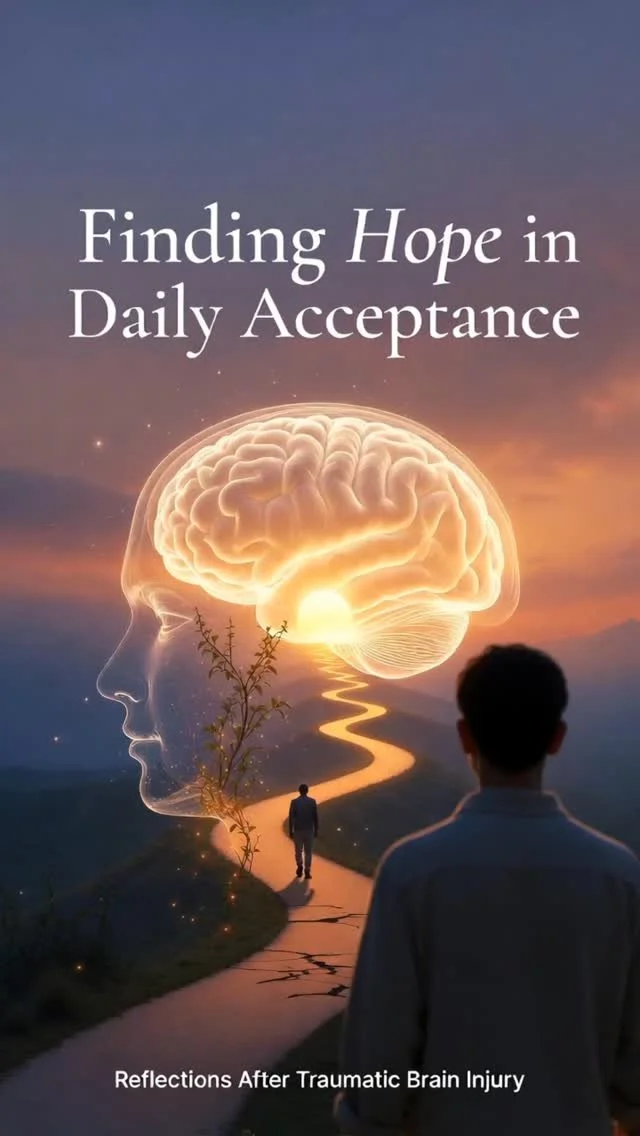
I’ve met too many survivors of TBI that I met too late to still know them while they were alive. I met others that then didn’t show up the next meeting because they had lost their battle. They had encountered this living change surviving their injury and battling each day and found themselves part of an unfortunate statistic. I’ll share some of those statistics below. But they aren’t a statistic. Each one of them is a person. A person who loved and was and is loved. A person with a story. An incredible story. Even after their deaths, I learn from their stories, from their loved ones, from the legacies, and yes from their pain. The pain of living with a traumatic brain injury (TBI) can feel like fighting a war inside your own head — one that no one else can fully see and even the patient can’t fully see or understand themselves at times. Some days the battle gets so heavy that ending it all starts to feel like the only way to find peace. I know this darkness. Many of us in the brain injury community do. In fact, almost every survivor I have met shares the exact sentiment in their early months of wishing they could just reach in their head and pull their own brain out. But I also know there is light, even though it is not always visible each day. It is there, even when not seen in the moment.
This post is not about glamorizing pain or pretending everything gets magically better. It’s about naming the real reasons suicide can feel rational after TBI — for both survivors and their caregivers — and then honestly laying out why staying here is still worth it. Because it is. There is hope, and you are not alone - many of us have felt those exact feelings, the exact darkness, the exact pain - even though your story is incredibly unique and deserving of being heard.
Why Suicide Can Feel Like the Only Escape (For Survivors)
Brain injury changes everything. The reasons it drives some survivors toward suicide are painfully logical in the moment:
The isolation is crushing. Friends disappear. Family gets exhausted and even can cut you out. You become “the guy with the brain injury” instead of the person they used to know. Many of us end up with almost no real friendships left. The loneliness isn’t just being alone — it’s knowing people you loved no longer understand or have the energy to stay despite being invited.
The grief of lost self. You mourn the person you were. Abilities, career, hobbies, personality traits — gone or drastically changed. Every failed attempt to do something “normal” reminds you of what you’ve lost. Simple addition, showering, following a recipe, getting dressed, shopping - when nothing goes how it used to - everything gets questioned.
Constant uncertainty and pain. Memory loss, headaches, fatigue, emotional dysregulation, anxiety, depression, and the endless medical appointments, or worse, no medical appointments because the healthcare system doesn’t believe anything more can be done. Some days your own brain feels like an enemy.
The feeling of being a burden. You watch your spouse, kids, or family carry extra weight because of your injury. The guilt can become unbearable. Thinking that these few loved ones that have stayed shouldn’t have to shoulder that load.
Hopelessness about recovery. Progress is slow, nonlinear, and sometimes you regress. After a certain point, it’s easy to believe “this is as good as it gets.” With getting worse, it can feel impossible to see the light through the fog.
The Caregiver’s Silent Battle
Caregivers — often spouses, parents, or adult children — carry an enormous and often invisible load. Their struggle with suicidal thoughts is real, and it deserves to be named.
Chronic exhaustion and grief. Caregivers lose the partner, child, or parent they once had. They’re grieving while simultaneously doing the daily work of keeping everything together — appointments, finances, household, emotional support - often while not receiving that support any longer from their injured loved one.
Loss of their own identity and freedom. Many caregivers put their own dreams, career, and social life on hold for years. The constant vigilance (especially with memory issues, safety concerns, or emotional changes) leads to burnout that feels endless.
Emotional whiplash. Watching the person they love suffer, struggle with anger, confusion, or withdrawal — while trying to stay strong — takes a devastating toll. They often feel they can never complain because “at least I didn’t get injured.”
Financial pressure and isolation. Medical bills, lost income, and friends and family who slowly stop checking in create a suffocating sense of being trapped. Many caregivers feel they have no one to talk to who truly understands.
Guilt and resentment. They love the survivor deeply but may also feel trapped, resentful, or guilty for those feelings of the times they resent the survivor or wish for a different life. This internal conflict can become overwhelming. After all, this isn’t the same person they had before, even though they are.
Caregivers often hide their pain because they don’t want to add more burden. But their mental health matters just as much. When a caregiver reaches their breaking point, the whole family system is at risk.
Why You Shouldn’t — And Why Your Life Still Has Value
For Survivors to name a few:
Your value is not measured by what you can do or who remembers you.
Even without friendships, you are not alone. The brain injury community understands you.
Paradoxes exist in recovery — healing and hurting can happen at the same time.
Your presence matters to those who stay, and your story can help others.
Small joys and meaning can still exist.
For Caregivers:
Your life is not defined by how well you can carry someone else’s injury. You are allowed to have limits, needs, and dreams. Taking care of yourself is not selfish — it’s necessary. Many caregivers find renewed purpose through advocacy, new hobbies, support groups, or simply learning to ask for help. Your endurance and love are powerful, but you are more than a caregiver.
For Both:
Your existence is not a waste. Your struggle has meaning. The love between survivor and caregiver — even when it’s messy and painful — is real and valuable.
The Statistics: TBI and Suicide Risk
Research consistently shows that TBI significantly increases suicide risk:
People with a history of traumatic brain injury have approximately twice the risk of dying by suicide compared to those without TBI.
For mild TBI / concussion, studies also show roughly double the risk of suicide, suicidal ideation, and suicide attempts.
In a large Danish population study, the absolute suicide rate was 41 per 100,000 person-years among those with TBI versus 20 per 100,000 without.
Risk is often highest in the first 6–12 months after injury but can remain elevated for years.
Multiple TBIs further increase the risk.
Suicide attempts are more common after TBI, with some studies showing lifetime prevalence of attempts around 26% in outpatient TBI samples.
These numbers are sobering, but they do not mean suicide is inevitable. I’ll be writing my next blog about the first friend I met after my brain injury. He was already dead when I met him, but he showed me I can be alive still in a way I’ll never be able to repay. I pray for him and his family everyday in thanksgiving that I got to meet him through their memoir, warning, light, and help.
A Message to Those Who Feel They Have Nothing Left
If you’ve lost almost all your friendships… if your memory is shattered… if you feel like a burden… or if you’re a caregiver who feels completely depleted — you still matter.
I have had days where I wondered if everyone would be better off without me. I’ve had days of those I love the most telling me to leave them alone. And I am still here. There is more than those people to your recovery journey. There is hope and you are not alone.
Recovery is not about returning to who you were. It’s about discovering who you can become in this new reality — both as a survivor and as a caregiver.
If you are struggling right now (survivor or caregiver):
Please reach out. You don’t have to carry this alone.
US National Suicide Prevention Lifeline: 988
International resources: Visit iasp.info for local helplines
Brain injury support groups (many online and local in person)
Caregiver-specific support: Check local TBI associations or organizations like Hope Survives or the Family Caregiver Alliance
To my fellow TBI survivors and their caregivers: You are tougher than you know. The fact that you’re still here after everything is already extraordinary. Keep going. The world needs your voices.
If this post reached you in a dark place, and you don’t know where to turn, I’d love to hear from you (respectfully and supportively). You matter. You are not alone.
This post is written from lived experience with TBI. Everyone’s journey is different. Professional mental health support is crucial. If you’re a caregiver feeling overwhelmed, please prioritize your own support.