Who Is This?
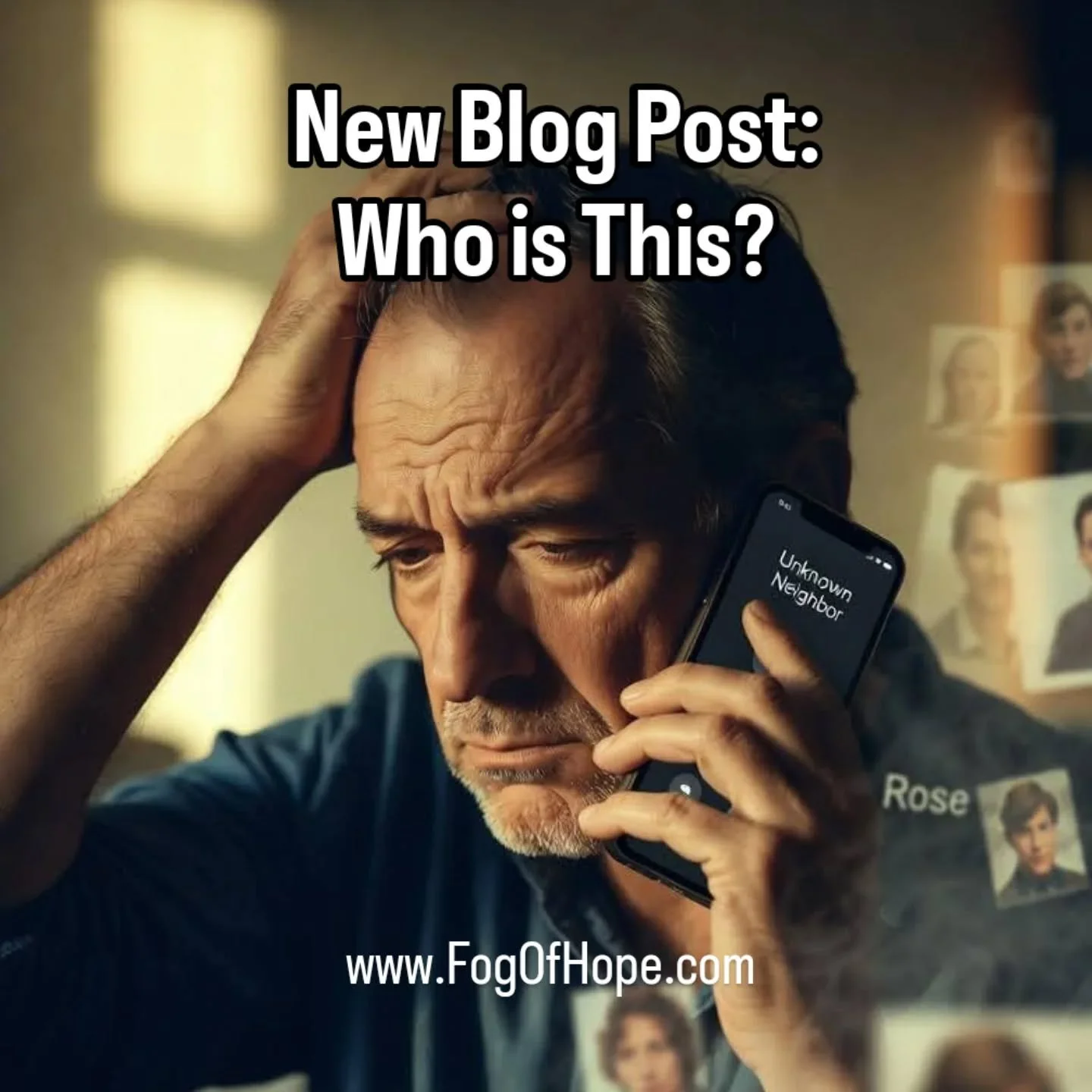
A few days ago, our phone lit up with a call from a number I didn’t recognize. I answered, as I often do now in recovery—trying to stay connected to a world that sometimes feels half-erased.
“Hi, this is your neighbor Jen,” the voice said warmly. “I’m wondering if you’ve seen Rose lately?”
I froze. Jen? Rose? The names echoed in the empty spaces where memories should be. Was Rose a person? A dog? A neighbor’s kid? My own relative? I had no idea. I also had no clear picture of who this “neighbor” Jen was. Did they move in down the road in the last three years? I don’t have many neighbors change in the country life here but I don’t know a lot now. The street, the faces, the shared history—large chunks of it are simply gone.
I stood there holding the phone, brain injury doing what it does best: creating a blank screen where context should be. My mind raced through the limited options I’ve learned to rely on:
This is a wrong number.
This person knows me, but I no longer know them.
Rose is someone important, and I should know this.
In the end, option two felt most probable - I no longer know this person but they know me. So I did what I’ve had to do many times since my injury: “I’m sorry, I have a brain injury and I’m not understanding right now let me get my wife”. I walked the phone over to my wife. She stepped in, handled the conversation, and filled in the gaps I couldn’t access.
The Weight of Not Knowing
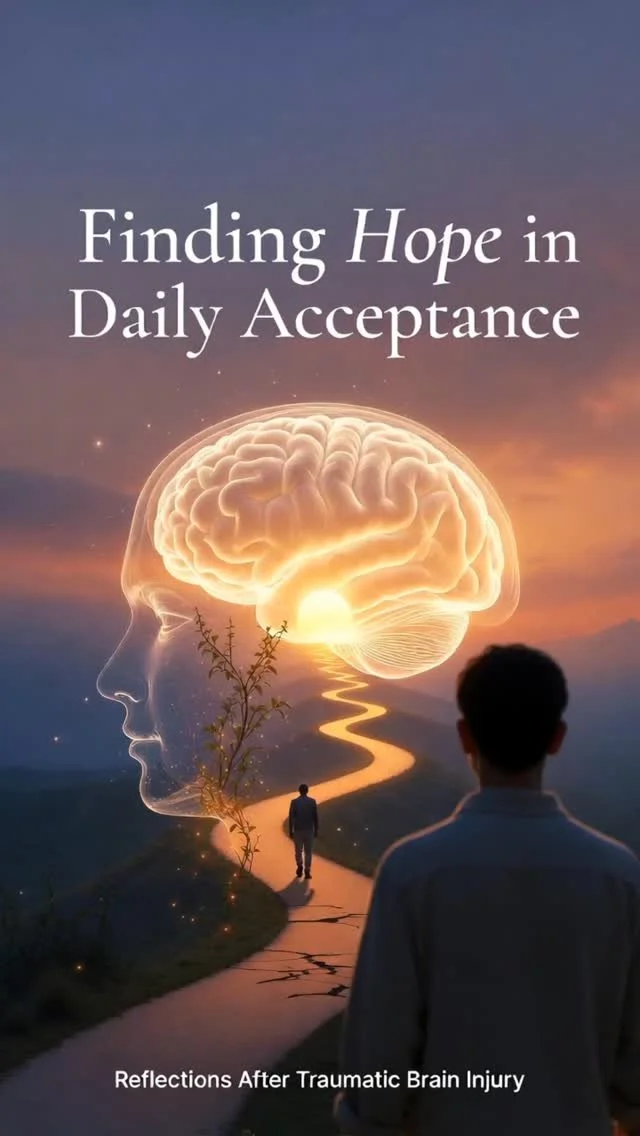
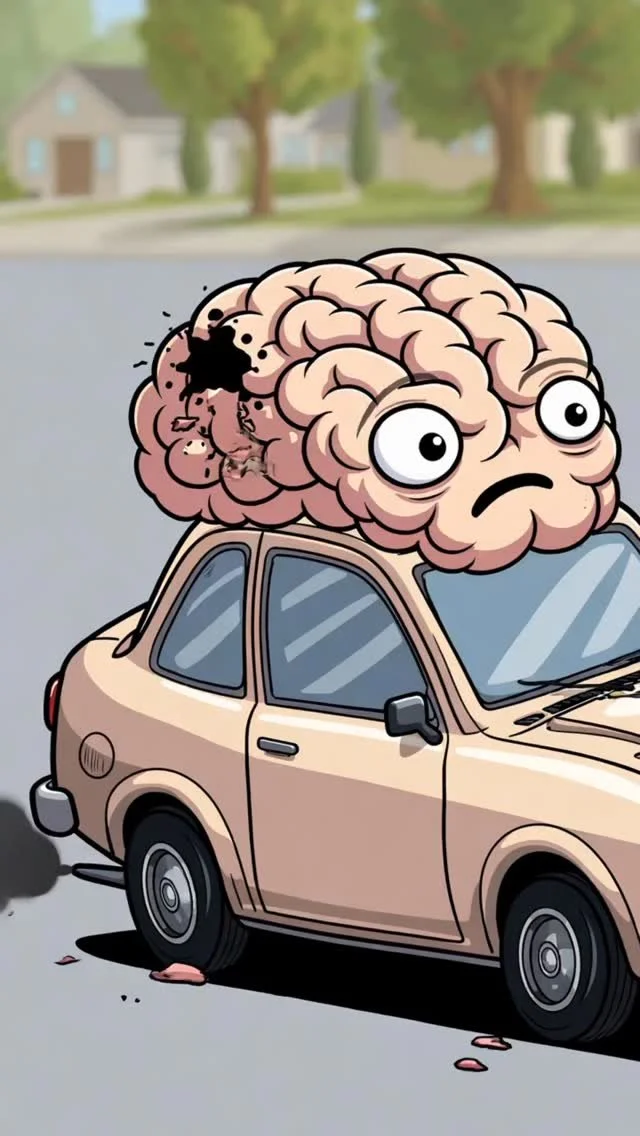
This is the quiet reality of brain injury recovery that rarely makes it into the inspirational quotes. You lose people—not because they died or left, but because the version of your brain that held their stories got damaged. Names, faces, shared experiences… they slip away. Nothing new seems to get built and lasting. Sometimes pieces come back in fragments. Sometimes they don’t.
Every time the phone rings or someone approaches me with that familiar-but-foreign look, I’m faced with the same dilemma: Do I pretend I know, or admit I don’t? Pretending feels dishonest and exhausting. Admitting it feels vulnerable and, honestly, a little embarrassing even years into recovery.
I’ve lost count of how many “Roses” are out there—people, places, and moments that once lived in my mind but now exist only in other people’s memories. My wife has become my external hard drive. She carries the context I can’t always retrieve. I’m deeply grateful for her, but I also grieve the independence I lost.
The Hope Struggle
One of the hardest parts of brain injury isn’t just the physical or cognitive deficits—it’s the constant negotiation with uncertainty. You want to believe you’ll get better. You are getting better in many measurable ways. But every time you draw a blank on something that feels like it should be basic, hope takes a hit.
“How can I move forward when I don’t even know what I’ve left behind?” That question haunts a lot of us with traumatic brain injuries (TBI). The not-knowing creates its own kind of grief. It’s ambiguous loss—the people are still here, but the shared history isn’t. You smile and nod when old friends or family reminisce, while quietly panicking inside, wondering how much of your life has been redacted by your own brain.
And yet… here I am. Still answering the phone. Still asking my wife for backup. Still writing about it. Recovery isn’t a straight line or a Hollywood comeback story. It’s showing up to the mystery every single day and choosing to engage anyway. Even when it turns out that “Jen” just had the wrong number all along.
To Fellow Brain Injury Survivors
If you’re reading this and you’ve had that moment—where someone expects you to know Rose, or Jen, or the story from 2023 that everyone else remembers—please know you’re not alone. The embarrassment is real. The frustration is real. The fear that you’ll never fully “catch up” is real.
But your value isn’t measured by how many names and faces you can keep in working memory. Your courage shows up in the small, unglamorous decisions: answering the call, handing the phone over when you need to, and refusing to hide completely even when it would be easier.
I still hope for more memory recovery. Some days that hope feels strong. Other days it feels naive. Often now for me after a recent reinjury I seem to lose day by day even more memories of the past life I had, even as simultaneously my current newly formed memories seem to last longer than they did before. Thus the hope being strong and naive at the same time. Both feelings of the hope being strong and naive are honest, and both are part of this journey. There are many paradoxes in my recovery from brain injury that I have found and this is one of them - that something can be regressing and healing at the same time. Nothing is linear anymore. Jen was a wrong number, but for me, she could have just as likely been a neighbor, friend, family member, child and I could have simply not known anymore. That is a reality few have to worry about or have ever experienced, but for many of us with brain injuries it is a reality that permeates every interaction with the unknown person. Who is this? Someone I should know or shouldn’t?
If you’re a neighbor reading this, thank you for checking on your Rose. I hope someday to have someone willing to call to check on me, my wife, and my kids like you checked on her. I may not remember the full story of our shared life together, or everyone I should know, but I remember what it feels like to be cared for and loved even when I blank on the names or faces of who has loved me. And that matters more than any single missing memory. The love is real even if I can’t remember it. If I ask who is this, it’s because I care enough to know you, to love you, even if I already should have known.