Finding Hope in Daily Acceptance
Reflections on a Brain Injury Survivor’s Wisdom: Brason Lee
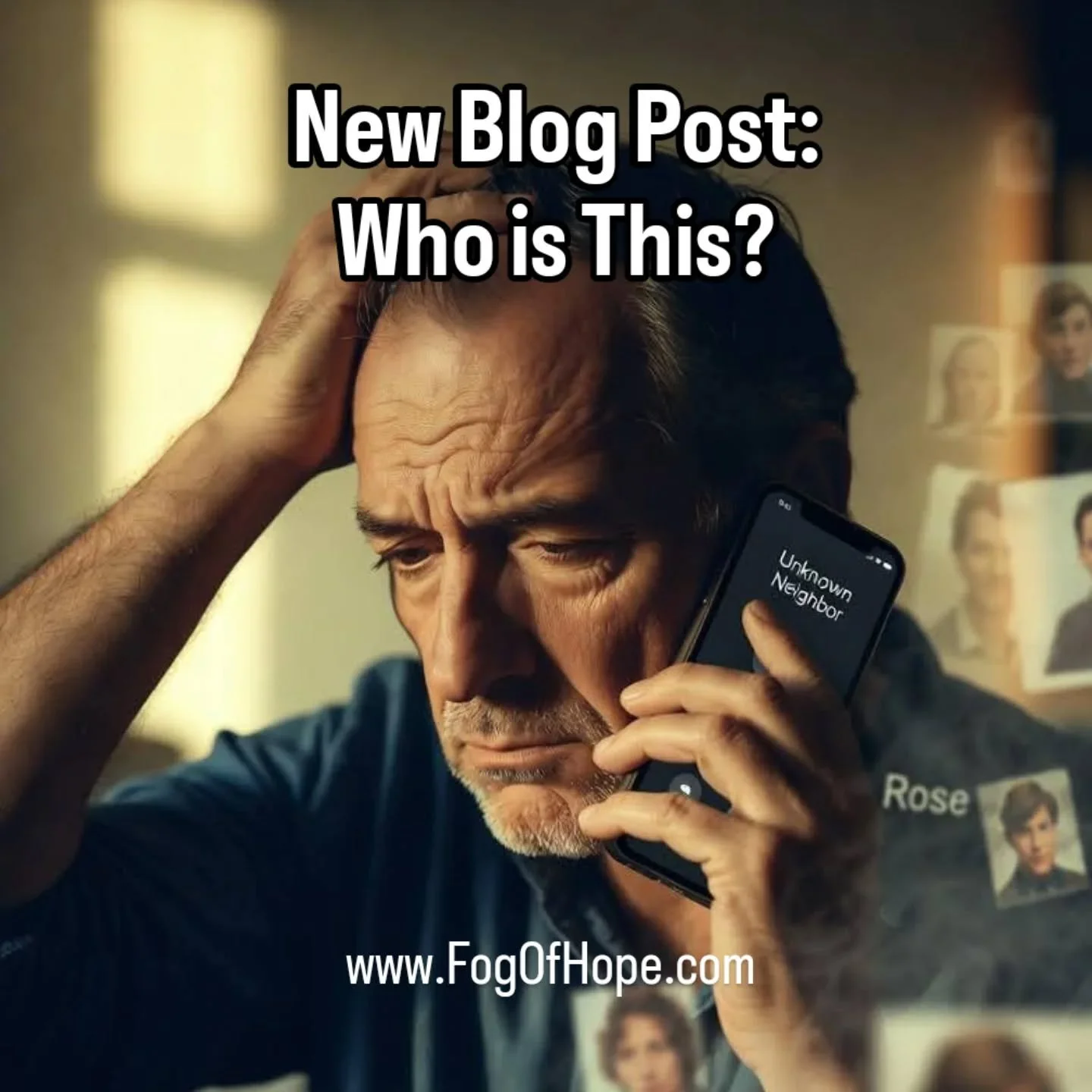
I came across a powerful personal reflection about a year ago in the Journal of Adolescent Health titled "Reflections of a Pediatric Survivor of Traumatic Brain Injury: 42 Years Later." This short but profound piece, written from the perspective of someone looking back on their life after a severe TBI at age 18, resonated deeply with me. It’s not a clinical study or dry medical advice—it’s raw, honest guidance from someone who has walked this path for decades. Reading it felt like receiving a letter from a wiser future self. It became a letter I printed and read each day to remind myself and motivate myself that it will get ok. 42 years of wisdom while I am just a couple of years into mine.
The author, Brason Lee, M.S.W., M.S, imagines speaking to his 18-year-old self right after hospital discharge in 1981. He offers compassionate advice on navigating grief, identity loss, changing relationships, and the long, uneven road of recovery. Key takeaways for me included:
It’s okay to grieve and feel lost. The world feels both familiar and alien after a brain injury. Sitting alone to manage thoughts, feeling like an outsider—these are normal. Recovery has “many turns, valleys, and potholes.”
Don’t be too hard on yourself. You don’t have to live up to your pre-injury reputation immediately. People are often more understanding than you fear.
Friendships and relationships change. Some losses aren’t solely because of the injury; life naturally shifts social circles. These changes can free up energy for rehabilitation and transitions.
Grieving your old self is part of the process. Memory gaps, swift personality or ability changes, and the emotional rollercoaster (denial, anger, depression, acceptance) take time. There’s no rushed timeline—you move at your own pace.
Small connections and determination matter. Meeting a caring speech-language pathologist sparked purpose for Brason Lee. Over time, this led to earning degrees, building a 30-year career as a social worker and research scientist, and reclaiming a meaningful life.
Acceptance comes gradually. Decades of effort lead to standing tall despite ongoing challenges. You rediscover parts of yourself you thought were gone.
How This Article Helps Me Accept My Brain Injury Each Day
Living with a brain injury while grieving the loss of the people I loved most has been incredibly heavy. The injury didn’t just take cognitive functions, energy, or abilities—it compounded the isolation when those closest to me were no longer here. Some days, the grief for both my old self and my lost loved ones feels intertwined and overwhelming. I miss who I was and the relationships that anchored me.
This article gives me hope through realism. It normalizes the back-and-forth of emotions without sugarcoating the difficulty. I’ve started incorporating its wisdom into my daily routine:
Morning reflection: I remind myself it’s okay to feel the loss. I sit quietly for a few minutes, acknowledging the “alien” feeling or memory frustrations, then gently shift to one small thing I can control that day—like a short walk, speech exercises, or enjoying the smile of my wife or children.
Self-compassion breaks: When I catch myself spiraling into self-criticism (“I should be better by now”), I recall the Brason Lee’s words about not pressuring myself or worrying about stares and judgments. Progress isn’t linear, and that’s human.
Reframing losses: The insight that friendship changes happen to everyone helps soften the sting of isolation. It encourages me to invest energy in rehabilitation and new purpose rather than dwelling on what’s gone. Even though we may have wanted other people in our life, if they don’t want us in theirs we are better off without them even though it hurts deeply.
Celebrating micro-wins with hope: Like the Brason Lee’s journey to degrees and a career, I focus on tiny victories—completing a task without as much frustration, having a clearer conversation, or finding joy in something simple. These build evidence that a rewarding life is possible, even if different.
Long-view mindset: On the hardest days, when grief for my loved ones hits hardest alongside injury symptoms, I remember there’s “no set period of time” for acceptance. I allow the waves and trust that continued effort will lead to standing taller.
Brason Lee’s story doesn’t promise a cure or erase pain—it offers solidarity and a roadmap rooted in lived experience. It shows that thriving after pediatric or young-adult TBI is real, even decades later. For anyone carrying both brain injury and profound personal loss, it’s a reminder that hope isn’t denial of hardship; it’s choosing to keep moving through it. It is a short, one page daily reminder that even though this all looks different than I understand or planned, it will be ok, even if it takes 42 years for me to see it myself someday.
If you’re on a similar journey, I highly recommend reading the full reflection. It’s short, accessible, and deeply human.
We’re not alone in this. Recovery is messy, but possible. One day at a time, with honesty and gentle persistence, we can build lives of meaning again.