Seth Kimbro Saved My Life
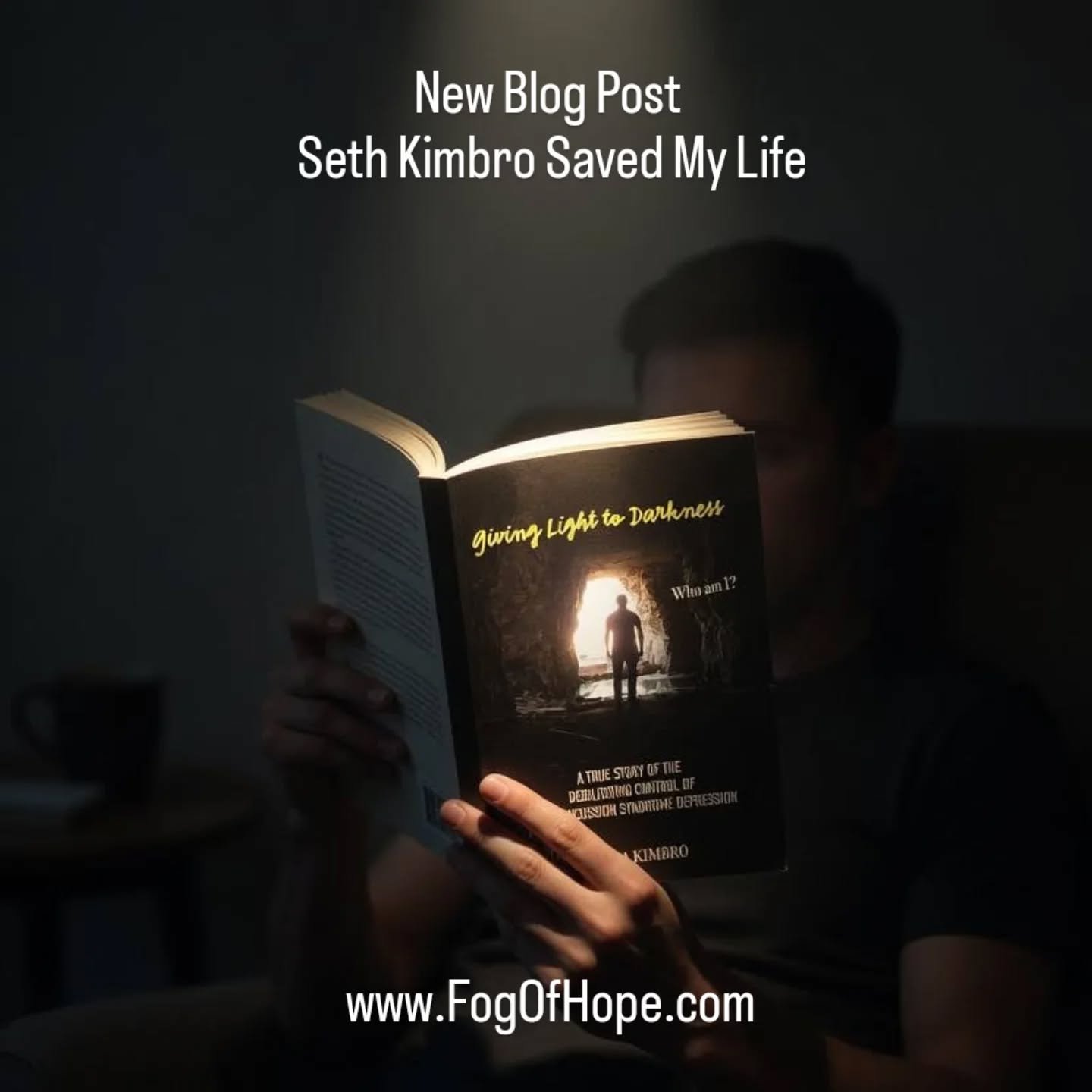
How Seth’s legacy in “Giving Light to Darkness” by Laura Kimbro Saved My Life
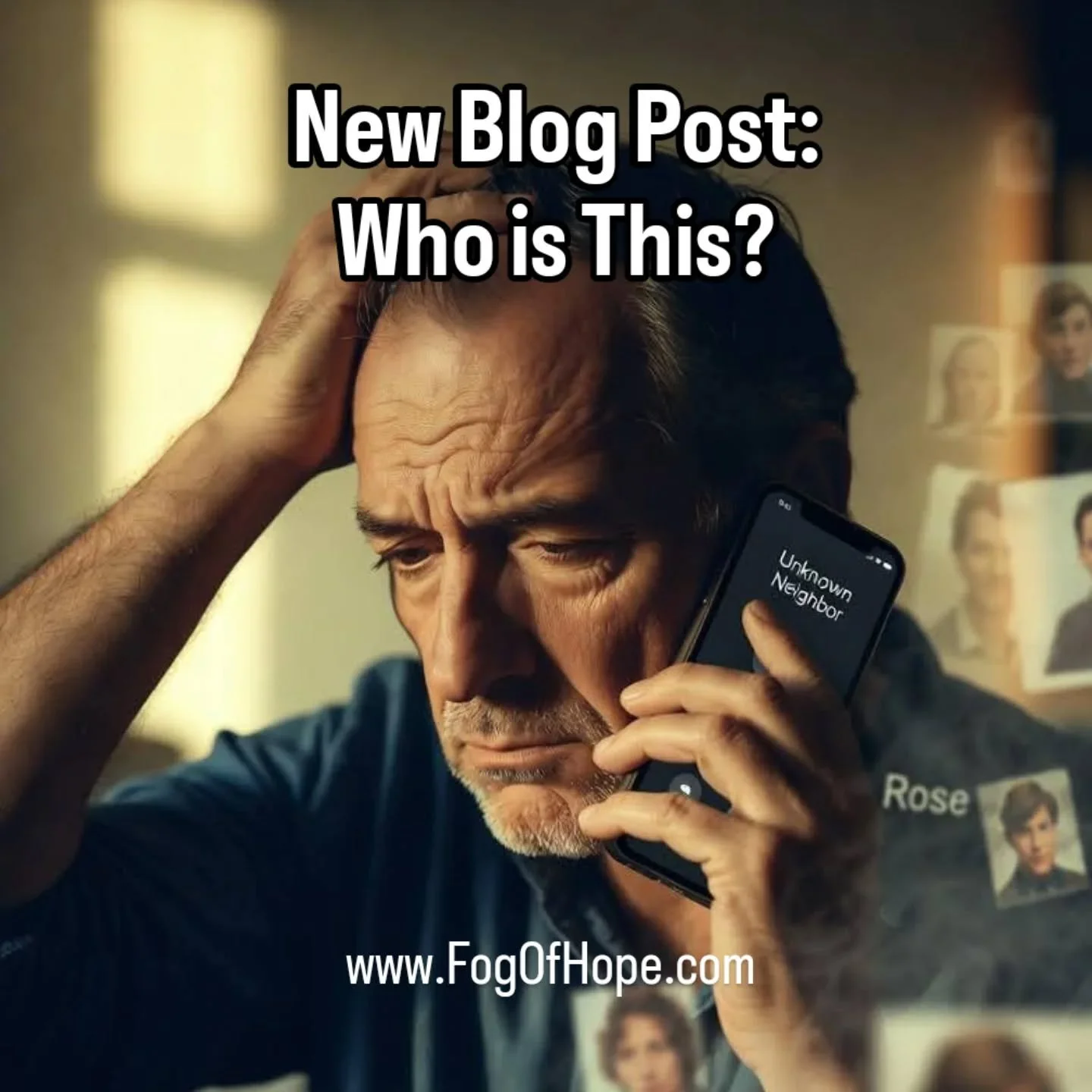
I’ve written before about the darkness that traumatic brain injury can bring — the memory loss, the isolation, the crushing weight that makes suicide feel like the only way out. In my lowest moments, when the “Who Is This?” type of phone calls and encounters with others and the disappearing friendships piled on top of constant uncertainty, I came dangerously close to believing the lie that my family would be better off without me.
And it quite literally helped save my life.
A Mother’s Heartbreaking Plea
Laura Kimbro’s book is not just another TBI story. It is a mother’s raw, urgent appeal for attention to a topic that has been swept under the rug for far too long.
After the tragic suicide of her son Seth, in the years following a concussion and in the midst of him reaching out for help, Laura began a painful search for answers. What she discovered was the devastating reality of post-concussion syndrome (PCS) depression — a silent killer that many doctors still don’t fully understand or recognize.
Post-concussion syndrome depression is real. It is not “just sadness” or “feeling sorry for yourself.” It is a neurological consequence of brain injury that can hijack mood, hope, and rational thinking in ways that feel completely outside of your control. Laura’s book shows how it stole her son right out of her arms — and how it continues to claim lives because awareness is so limited.
Why This Book Hit Me So Deeply
Reading Laura’s story felt like someone had finally put words to the war happening inside my own head. The way she described the sudden, overwhelming darkness after concussion mirrored my own experiences so closely that I had to put the book down several times just to breathe. The way she described Seth’s reliance on family and resilience and purpose that he had, yet still the difficulty he faced despite seemingly having it all together was a sharp look into the mirror.
She validated everything I had been feeling:
The hopelessness that crashes in even when you’re “objectively” making progress
The guilt of becoming a burden to your spouse and children
The terrifying realization that your own brain can become your enemy
The isolation of knowing most people (and even some medical professionals) don’t understand how dangerous PCS depression truly is
For the first time in a long while, I didn’t feel crazy. I didn’t feel alone in the darkness. Laura’s courage in sharing her son’s story gave me permission to name my own pain without shame. I had been following the medical advice I had been given of rest and I will just get better with time. Laura’s wisdom through Seth’s story began the realization for the first time that in my recovery an awareness that there were others out there like me. Seth unfortunately would not be able to share directly with me, but Laura showed me the magnitude of the problem I was facing and that I was not alone. Seth was the first friend I had met in my recovery that I knew if I would have had the chance to talk with him, would have understood me and I, him. That led me to search for the first time for support groups. I, and my family, had gone the first year and a half into this recovery alone, believing I would just get better in time as the neurologist had said. Laura and Seth changed that for me as for the first time I looked for help elsewhere where I found Critabelle Braden’s Hope Survives and Rob Baugh’s My Life Rewired among many other support group pages and resources.
The Power of Shining Light
Laura wrote this book as a plea: Pay attention.
Post-concussion syndrome depression is real. It is under-diagnosed. It is under-treated. And it is taking far too many lives — both survivors and, in different ways, the families left behind.
Her book gave me something I desperately needed: hope through truth. Not false positivity, but the understanding that what I was experiencing had a name, a cause, and — most importantly — people fighting to bring it into the light. I was not alone.
Reading it reminded me that my life still has value, even on the days when my brain doesn’t work right, even when I lose more memories, even when friendships have faded. It strengthened my resolve to keep going, to keep writing my story each day, and to keep talking openly about the hard parts of TBI recovery.
Becoming Part of the Solution
If you or someone you love has experienced a concussion or TBI, I cannot recommend this book strongly enough.
“Giving Light to Darkness” is more than a memoir — it’s a call to action. By reading it, you become part of the solution. You help break the silence. You help ensure that fewer mothers have to bury their children because the medical community and society didn’t yet understand the risks of post-concussion syndrome depression.
To Laura Kimbro: Thank you. Your unimaginable loss has already helped save at least one life — mine. Your son’s story is not in vain. You are giving light to so many of us still walking in darkness.
If you’re struggling right now:
Please know you are not alone, and help is available.
National Suicide Prevention Lifeline (US): 988
Brain injury support groups and PCS-aware professionals exist
Read Laura’s book. Share it. Talk about it.
This journey is brutal, nonlinear, and often lonely — but books like Giving Light to Darkness remind us that we can still fight, we can still heal in new ways, and we can still matter.
Have you read this book? Has a particular book or story helped you in your TBI recovery? I’d love to hear about it in the comments.
Here are a couple of links to buy her book - Directly on her website - or - amazon.
You matter. The Light is coming. The Light is here. You are not alone.
This post contains affiliate-free recommendations based on personal experience. If you are in crisis, reach out for help immediately.