Hope, Abandoned.
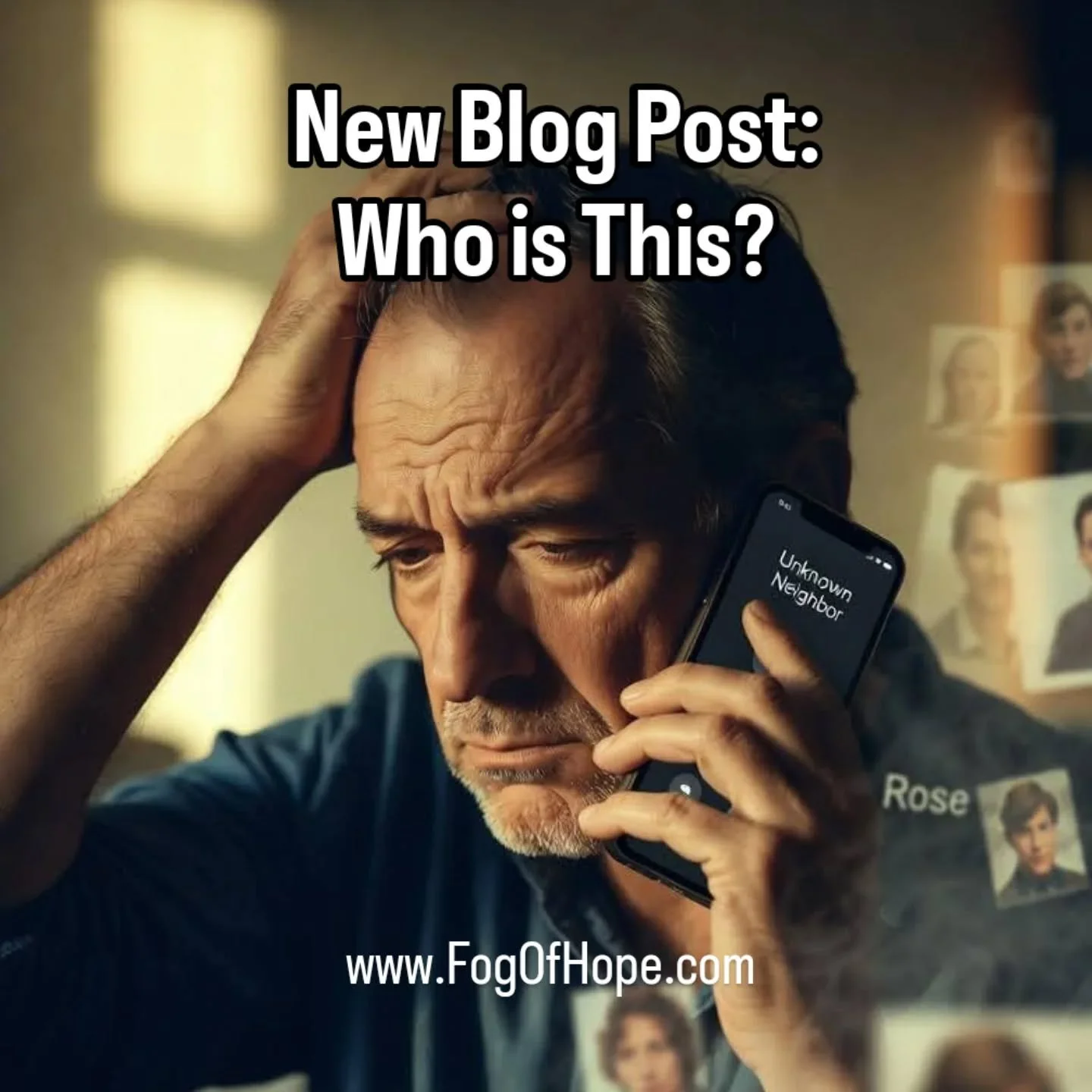
Brain injury recovery strips away many illusions. One of the hardest is the belief that family—especially close family—will always choose you, even when life gets messy and you change in ways no one saw coming. I had clung to the persistent hope that the people who walked away - especially family - might one day come back. That they’ll change their minds, see your progress, and choose reconnection. Today, it’s clear I’ve been avoiding laying that hope to rest for far too long. If anyone else is early in their recovery, and is still holding onto people who have already walked away, learn from my mistake and don't take as long as I have to accept their rejection and finally abandon that false hope of their return.
For fourteen years, I was the brother they could count and rely on. I showed up consistently. I cared deeply. I tried to be the kind of sibling anyone would be grateful for. But after my injury, everything shifted. They both stopped coming over. They stopped talking. There were no check-in calls, no “how are you?” texts, no reply to invitations to hang out or talk, and certainly no invitations from them to do something fun together.
They each built an entire new chapter in their life of total silence with me—years of activities, friendships, even an impending “marriage”—without ever sharing it with me. I wasn’t trusted with simply knowing his name when they began dating. I wasn’t told he was coming home to meet the family. Invitations to do something fun together were rejected for years. Years passed with almost nothing shared about their life, and no questions about our family’s. The silence grew heavier each day. One literally blocked me in every platform, even my phone number. The other saw no problem with her mistreatment and lack of response. Despite repeated attempts to understand and fix things in years of asking what I could do and being told in reply, just keep being me, there’s nothing wrong, you’re doing everything… The message then came with the explicit request directly and clearly: to leave each of them alone. They confirmed they wanted me and our family out of each of their lives and did not want further contact. In the end, one reinforced weeks ago that she still couldn’t let her guard down and wouldn’t be doing so moving forward despite still no wrongdoing from me or us towards her and the other couldn’t even have the decency to reply for years now.
Even now, that hope I carried - that someday things might shift - got crushed again today with those clear, repeated rejections. It’s a special kind of pain when someone you love makes it explicit: this isn’t temporary. I was treated differently than any friend or sibling she has ever had and it’s been made clear in her words, actions, and intentions, still now, that going forward I will not a brother or friend again in her guarded eyes. And that realization hurt more than I can describe. But here’s what I now know: it’s time to stop hoping.
The Trap of “Someday”
In the early years after a brain injury, false hope can feel like a survival tool. In fact, false hope feels almost necessary to make it through the unimaginable pain and symptoms. “This WILL get better. It has to!” “I will be back to normal in two weeks, two months, two years.” That hope is the only source of getting through the foggy brain, limited energy, and grief. You tell yourself that people need time to adjust. That once they see you’re still you—just navigating new limitations—they’ll come back. “Once I improve enough, she’ll come back” “Family bonds are stronger than this” “If I keep the door open, someday she’ll want to walk through it again”… You replay old memories. You wonder if a perfect message or enough time will reopen the door.
But this hope becomes a thief. It steals precious cognitive energy and emotional bandwidth on people who have made their choice clear. The false hope protects you from the weight of the rejection, but simultaneously also emotionally tethers you to people who have already chosen distance and to not love or care about you. Every time I checked for a message that never came, or replayed old memories hoping for a different future, I was stealing energy from my own healing and leaning on people who couldn’t care less about me each day. That hope didn’t serve my recovery - it delayed my peace.
If this is you right now—early in recovery, grieving someone who ghosted, distanced, or outright rejected you after your injury—please hear this clearly:
They don’t want you in their life. They don’t want a relationship with you. Not the old version. Not the recovering you. Not the new version. Not a limited, careful version of you. Not any version of you.
The repeated confirmations of the rejection in statements and silence - whether it’s “I can’t let my guard down around you” or years of unanswered texts or never once taking the initiative to call you and catch up or to talk when together - these aren’t ambiguous. They are answers. Answers of rejection that my wife tried to show me they were giving us years ago. Continuing to hope for change isn’t loyalty or love; it’s self-harm when your brain needs every resource for therapy, rest, cognitive rebuilding, and genuine real connection with the people who do love and care about you. Hoping they’ll change keeps you tethered to rejection. It drains the limited resources your healing brain needs on people who don’t even think of you. Every ounce of energy spent remembering, analyzing, or waiting is energy taken from your own progress.
I have no regrets about the brother I was. I showed up fully for fourteen years. That part of the story belongs to me, and it’s clean, and I keep that with pride because I have no regrets of the person I was for and with each of them over those years. But I will no longer carry the weight of people who chose to drop me. Maybe someday they'll choose to change their ways and want to be with our family again, but it's time to stop hoping for it.
Lessons for Your Recovery
If you’re still in those foggy, exhausting early stages, let these truths settle in:
People who leave after your injury rarely come back in a meaningful way. The ones who stay through the hardest parts are the ones who truly value you. Everyone else was there for the easier version of your life. Accept it sooner than I did. It frees you.
You don’t need to earn belonging. Especially not from family. If consistent effort, love, and presence over years wasn’t enough for them then, nothing else will be. Stop auditioning for roles in people’s lives. When someone says they can’t let their guard down, or simply stops responding for years, believe them. They don’t want your family in their life anyway, move forward.
Protect your energy like it’s medicine. Your brain is literally rebuilding pathways. Rumination, false hope, and one-sided loyalty are counterproductive. Delete the old text threads. Redirect that mental real estate to your own healing. You don’t owe anyone endless patience as they mistreat you and reject you each day.
The right people will choose you as you are now. They won’t require you to be “fixed” or “back to normal.” They’ll adapt to the consistent presence you need with them each day, the at times quieter plans, the one on one visits, and the new rhythms of your life. Those relationships, even if fewer, are deeper and more sustainable.
Grief is part of recovery. Grieving the sisters and others I thought I had is painful, but it’s honest. Feel it. Then release it. You’ve already survived something most people can’t imagine. You’re strong enough to walk forward without dead weight.
Moving Forward
I’m choosing peace over perpetual hope. I’m surrounding myself with the people who stayed—the ones who check in, who respect who I am and love me for who I have always been for them, who celebrate tiny victories alongside me, who genuinely want me in their life. My life is smaller in some ways since the injury, but it’s more authentic, real, supportive, and reciprocal.
I wish my sisters and all those that have left my life well. Truly. But I’m no longer available for one-sided relationships that exist only in my memories. I’m closing this chapter with no bitterness, just clarity. The hope I carried for reconnection ends here. It is sad, but you can’t control how other people choose to treat you and who they choose to become.
If you’re reading this and recognizing your own story—whether with a sibling, parent, old friend, or partner—give yourself permission to let go. Give yourself permission to stop waiting. You deserve relationships where you are wanted, not tolerated. Your recovery is too precious to waste on people who have already decided you’re not worth the effort for them, even though you wanted them each day.
Focus on the ones who choose you. The ones who remain. They’re out there. And they make all the difference. You are not alone. There is real hope, it just isn’t found in the people who have left behind in their life what matters most.