
Hosting Dinner
Even Strangers Come When Invited
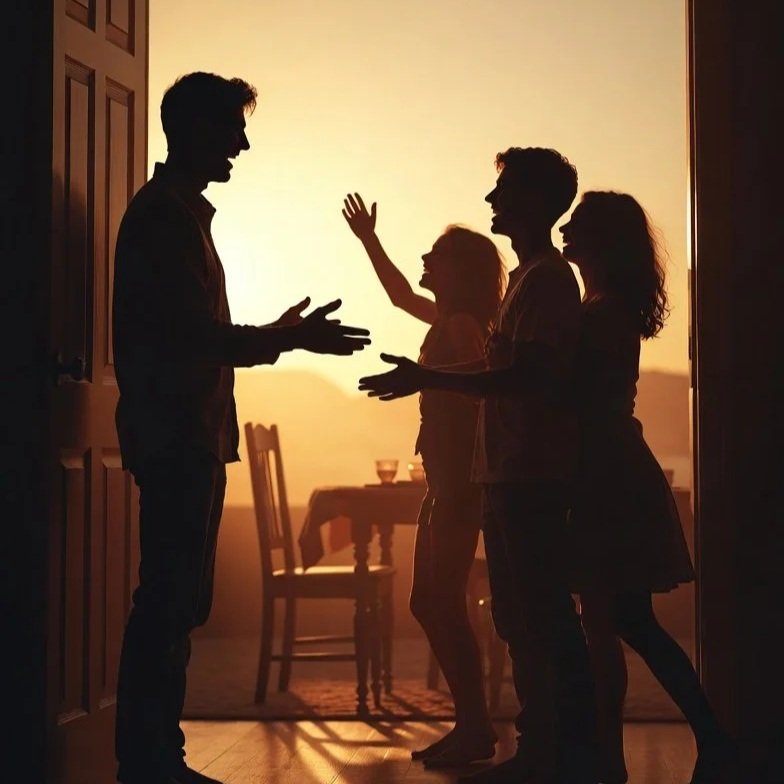
Tonight our family hosted four college missionaries who are spending their summer traveling from parish to parish, leading faith programs for kids and teens. They arrived tired from a long day, but the moment they stepped inside, the house felt different—lighter, fuller.
I Cried Successfully Today
This morning I woke up and did what I always do now: I reread the notes about my life. The big reminders. The checklist of what I need to know to be successful each day. I studied them like they were instructions for a job I used to know how to do without thinking. Because they are. Even with them, they still often are not enough to be ‘successful’ each day.
The Empty Chairs
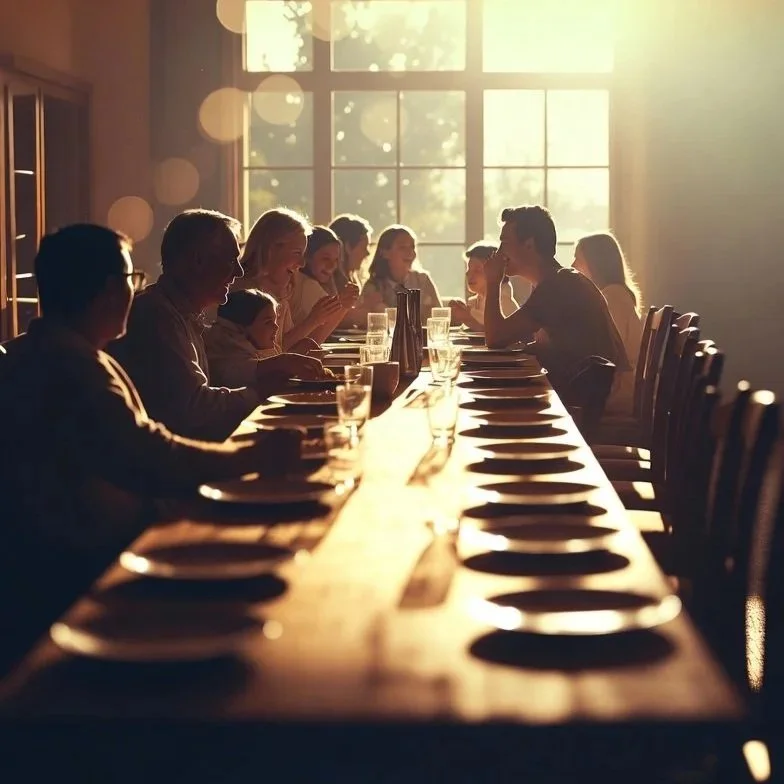
This weekend my house was full of the best kind of noise—kids running through the yard, overlapping conversations, the smell of food cooking, and the easy laughter that only happens when people who love each other decide to actually show up. Some of my siblings and their children were here, building new memories in real time. We hugged, we teased, we took photos, we made plans for next time. It felt like family is supposed to feel.
But the chairs that stayed empty still hurt.

Her Confusion
Losing a family member who is still alive is its own kind of grief. There’s no final conversation, no clear moment of goodbye — just the slow, painful realization that someone I loved has decided I no longer have a place in her life.
For a long time, I accepted her explanation that my words were the problem. They were too long. Too confusing. A messy sandwich of apology and hurt that was hard to follow.
But I don’t believe that anymore.
Brain’s Painful Confusion
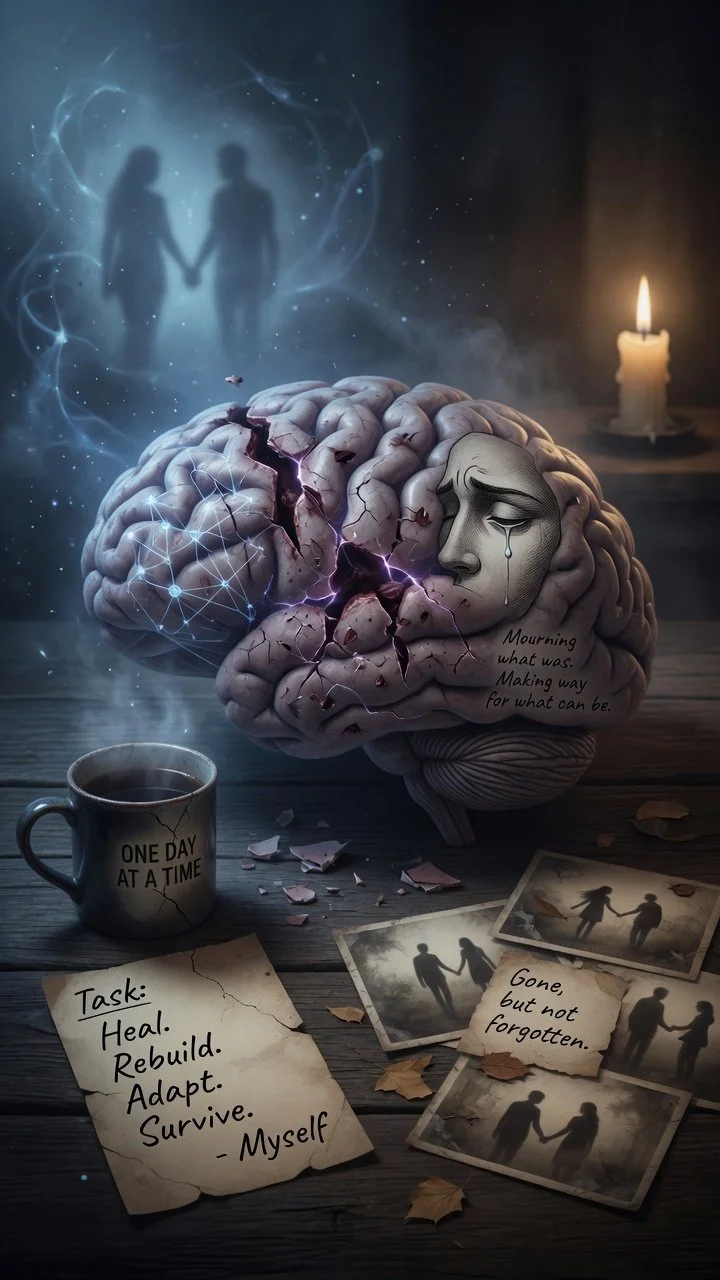
Living with a brain injury is a strange kind of confusion. The very organ that is damaged is the one tasked with trying to understand what has happened to it. It’s like trying to solve a puzzle with missing pieces while the puzzle itself keeps changing shape. Some days my thoughts feel clear and sharp. Other days they’re foggy, fragmented, or simply gone. I have to relearn how to process information, regulate emotions, and even recognize my own limitations — all while those limitations make the process harder.
There is a unique pain in this loop. The injured brain is constantly working to understand its own injury, yet the injury itself prevents full understanding. It’s exhausting. It’s disorienting. And it never fully stops.
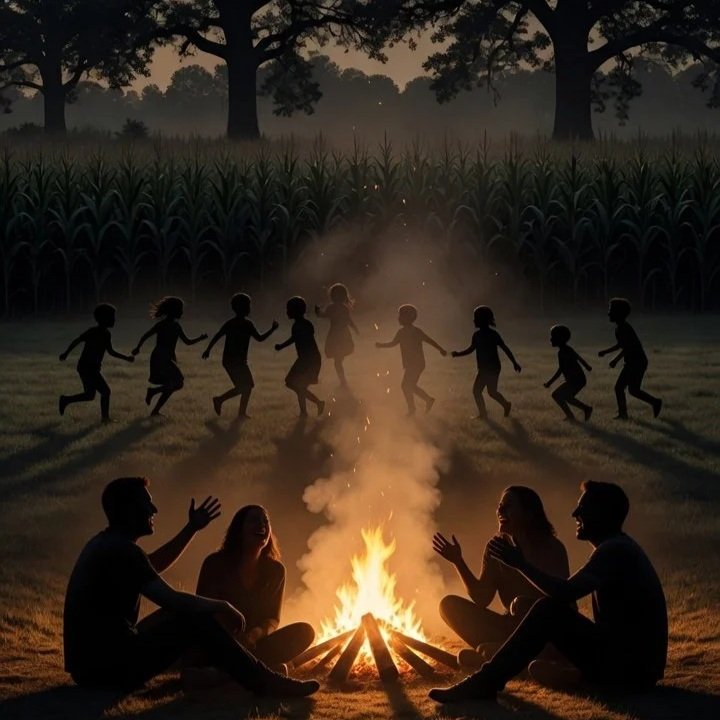
Presence Over Distance
Yesterday, I sat across from old friends I hadn’t seen in years. What could have been a simple catch-up turned into something much deeper. In just a short time together, after a distance from both sides for the previous years, they poured out more genuine compassion, care, concern, prayers, and love than I’ve felt even from family in a very long time.
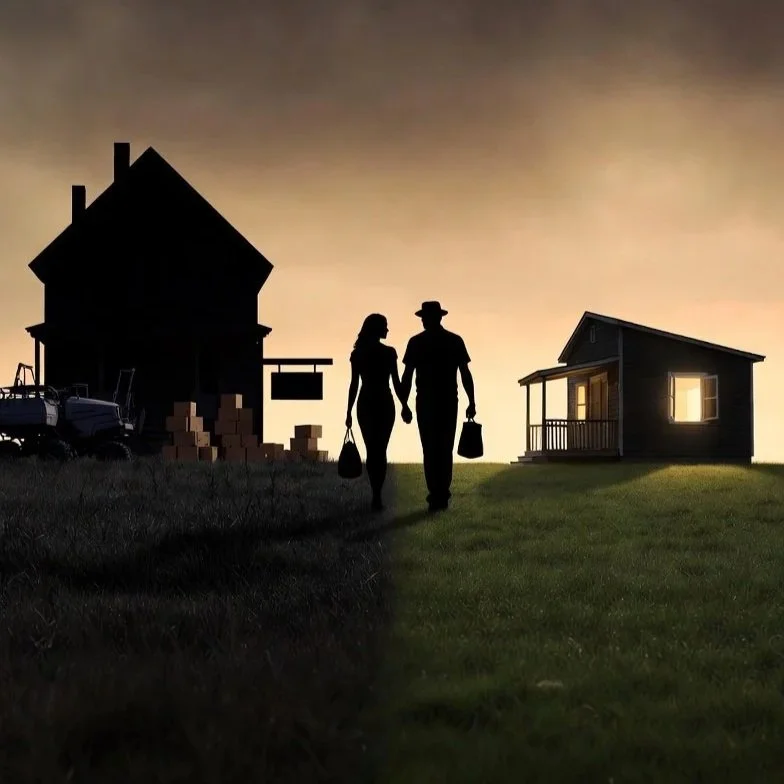
Selling It All
My wife looked at me the other day and said the words I’ve been both dreading and expecting: “We need to sell everything and start over. Build a life that’s actually sustainable with a disabled husband.”
She’s not wrong. And that truth cuts deep. We can’t keep living a life that is no longer ours.
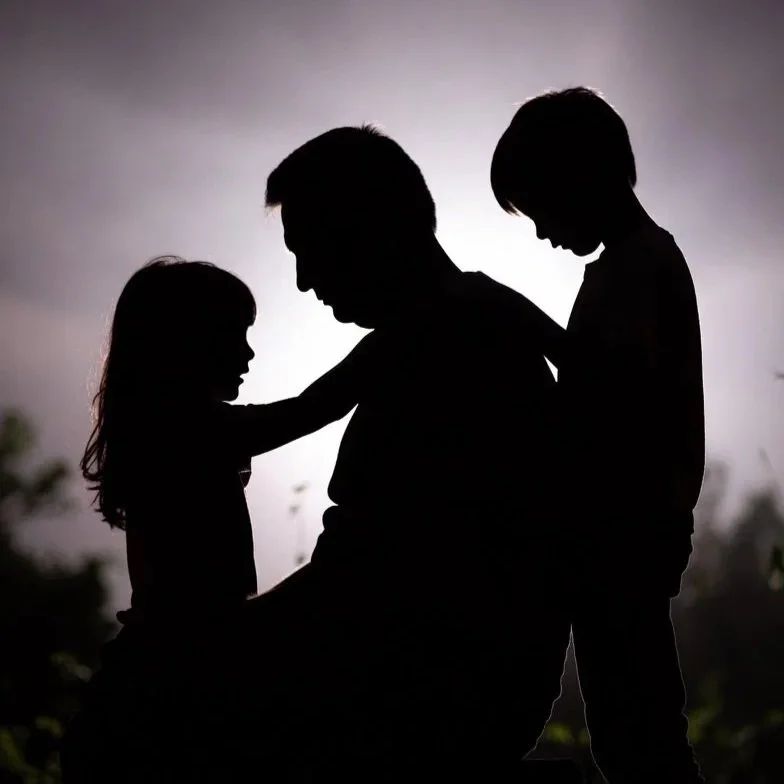
Our Children’s Grief
Three years. That’s how long this injury has reshaped not just my life, but the lives of our children in ways I never imagined and still struggle to accept. They watched a brain injury steal their father and their childhood in the course of an evening three years ago that has been unpacked each day since.
I see it in their eyes — the confusion, the sadness, the careful way they now navigate interactions with me. The dad they once had — the one who remembered every promise, played endless games, carried them on his shoulders, and led with steady confidence — has been replaced by someone who can’t remember what we did yesterday or how to do the most basic things of cooking or simply listening at times for them.
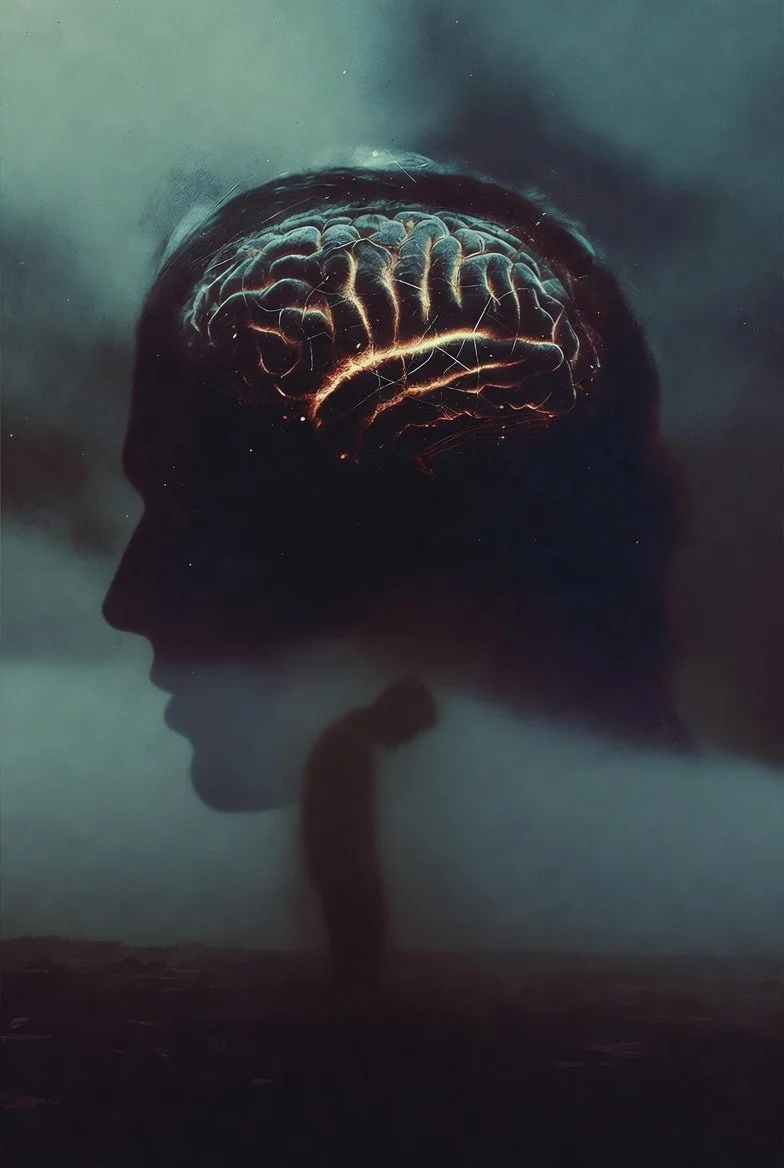
Suicide After Concussion
When TBI Makes Suicide Feel Like the Only Option – And Why You Still Matter
I’ve met too many survivors of TBI that I met too late to still know them while they were alive. I met others that then didn’t show up the next meeting because they had lost their battle. They had encountered this living change surviving their injury and battling each day and found themselves part of an unfortunate statistic. I’ll share some of those statistics below. But they aren’t a statistic. Each one of them is a person. A person who loved and was and is loved. A person with a story. An incredible story. Even after their deaths, I learn from their stories, from their loved ones, from the legacies, and yes from their pain. The pain of living with a traumatic brain injury (TBI) can feel like fighting a war inside your own head — one that no one else can fully see and even the patient can’t fully see or understand themselves at times. Some days the battle gets so heavy that ending it all starts to feel like the only way to find peace. I know this darkness. Many of us in the brain injury community do. In fact, almost every survivor I have met shares the exact sentiment in their early months of wishing they could just reach in their head and pull their own brain out. But I also know there is light, even though it is not always visible each day. It is there, even when not seen in the moment.
This post is not about glamorizing pain or pretending everything gets magically better. It’s about naming the real reasons suicide can feel rational after TBI — for both survivors and their caregivers — and then honestly laying out why staying here is still worth it. Because it is. There is hope, and you are not alone - many of us have felt those exact feelings, the exact darkness, the exact pain - even though your story is incredibly unique and deserving of being heard.
Who Is This?
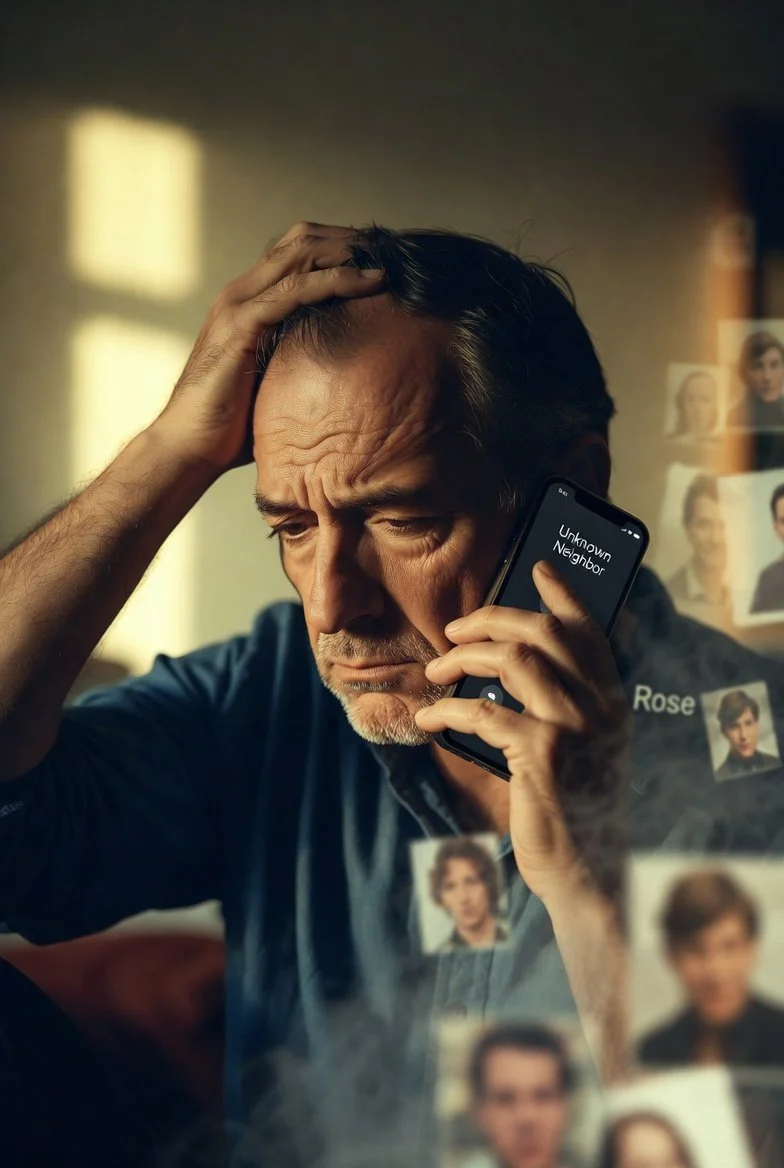
A few days ago, our phone lit up with a call from a number I didn’t recognize. I answered, as I often do now in recovery—trying to stay connected to a world that sometimes feels half-erased.
“Hi, this is your neighbor Jen,” the voice said warmly. “I’m wondering if you’ve seen Rose lately?”
I froze. Jen? Rose? The names echoed in the empty spaces where memories should be. Was Rose a person? A dog? A neighbor’s kid? My own relative? I had no idea. I also had no clear picture of who this “neighbor” Jen was. Did they move in down the road in the last three years? I don’t have many neighbors change in the country life here but I don’t know a lot now. The street, the faces, the shared history—large chunks of it are simply gone.

My Transmission is Shot
When Your Transmission Goes Out: What Car Trouble Taught Me About Living with a Brain Injury
We had a vehicle with a transmission starting to fail. The vehicle would act strange. The engine was revving, but the power wasn’t reaching the wheels the way it should. Shifting felt delayed and clunky. We made it home, but the warning lights came on, and we knew something was seriously wrong with the transmission.
After a painful diagnostic visit, the mechanic confirmed it: transmission is failing. Not a cheap or simple fix. The part that transfers power from the engine to the drivetrain was damaged, and without it, the vehicle couldn’t do what it was built for—even though the engine itself was still running strong. Sound familiar?
That moment hit me hard because it mirrored exactly what happened to my brain three years ago after my traumatic brain injury (TBI).

Sister’s Silent Engagement
When Your Sister Can’t Handle a Conversation With You – What That Really Says About Her Readiness for Marriage
Today I’m sitting with a truth that hurts more than most of my TBI symptoms combined.
My sister just announced she is engaged and planning her wedding.
And I won’t be there.
Not because I don’t love her. Not because I don’t wish her every happiness. But because she has cut me out of her life completely. No calls. No texts. Years of her not wanting to share in anything real together. She has decided that any real conversation with me is too overwhelming for her mental health, and that I am the problem.
Beauty in the Broken Days
Some people come into your life (even after they’ve left it) and quietly rearrange how you see everything. For me, one of those people is Claire Wineland.
Claire lived with cystic fibrosis—a serious, progressive lung and digestive disease—from birth. She spent huge chunks of her short life in hospitals, hooked up to machines, fighting infections, and facing the very real possibility that each day might be one of her last. She died at 21 in 2018, just days after a double lung transplant. Yet she left behind a voice that still echoes powerfully: sick people are not broken. They are not to be pitied. And their lives can be incredibly full, meaningful, and even beautiful—because of the pain, not in spite of it.
A Dark Room
Finding Light in the Dark Room: What the Documentary “A Dark Room” Revealed About My Own TBI Recovery
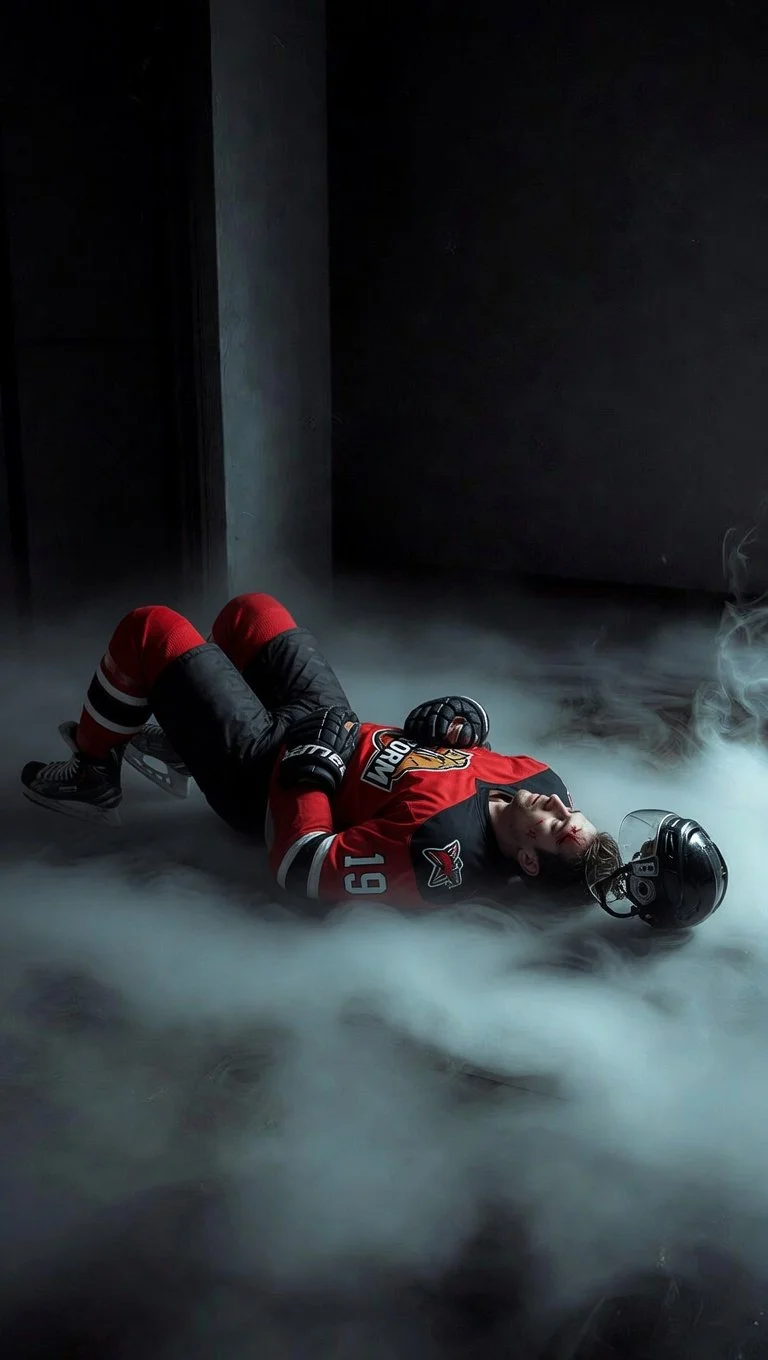
Three years after my traumatic brain injury, I watched the 2016 documentary A Dark Room and felt like someone had finally filmed the inside of my head.
The film follows Max Taylor, a promising young hockey player whose NHL dreams ended when he suffered concussions back-to-back. Afterward, Max spent months literally locked away in a dark room—curtains drawn, lights off, noise intolerable, head pounding, emotions spiraling. He felt isolated, angry at the system that failed him yet still in love with the sport that in some ways made him who he was, and at times was suicidal. The documentary doesn’t sugar-coat it: the “dark room” wasn’t just a recovery recommendation—it became a prison of sensory overload, identity loss, and slow, uncertain healing. Through interviews with other players, doctors, and families, the film exposes hockey’s tough-it-out culture while showing the very real, very human cost of repeated concussions.

Newborn Tears
Lately, as my recovery inches along, I've noticed that although I often feel like a toddler, the toddler feelings at times feel... even earlier. Some days, it's less like being a feisty two-year-old and more like being a newborn all over again. That raw, brand-new-to-the-world stage where everything is basic, overwhelming, and completely dependent on the gentle people around you. It's humbling. It's exhausting. And weirdly, it's also kind of beautiful when I let myself see it that way.
Those Wide-Eyed, Wondering Stares
Newborns stare at faces, lights, shadows—with those huge, unblinking eyes—like they're downloading the entire universe one pixel at a time. No judgment, no rush, just pure taking-it-in.
Some recovery moments feel like that too. I'll catch myself staring at a wall, a window, my own hand, because my brain is slowly, slowly making sense of the world again. It's not blankness—it's deep processing. Curiosity mixed with caution. "What is this place? What am I in? What is going on?"
I try not to fight it. I let myself stare, let the brain do its newborn work of mapping reality one tiny piece at a time. Those staring sessions often lead to small breakthroughs later.

I Don’t Need a Nap!
Hey friends,
I’ve been thinking more about this whole “recovery feels like being a toddler” thing, and there’s one part that keeps hitting me harder lately: emotions. Toddlers don’t just have feelings—they have huge, unstoppable, all-over-the-body feelings that come with zero filter and very few words to match. And honestly? That’s exactly where my brain is right now too.
Those Giant, Wordless Emotions
One minute everything’s okay, and the next a wave crashes in—frustration, sadness, being overwhelmed, or even sudden joy—and it’s so intense I can barely breathe through it. My chest tightens, my face gets hot, tears might show up uninvited, or I just feel like I need to move or hide or yell but nothing comes out right. It’s like my brain is back in toddler mode: the emotion center is fully online and screaming, but the “let’s put this into calm sentences” part is still napping in the corner.
I catch myself doing classic toddler things without meaning to: crossing my arms tight, huffing, pacing in little circles, or just staring at the floor because saying “I’m upset” feels impossible. Sometimes the only thing that escapes is a shaky “I don’t know” or “It’s too much.” And that’s okay. It really is. Just like a toddler isn’t “bad” for melting down—they’re just overloaded—I’m not “bad”, my brain is failing at processing when the feelings get too big. It’s still wiring itself back together.
Stacking Blocks
Why My Brain Injury Recovery Feels Like Being a Toddler Again
If you’ve ever peeked into the world of brain injury recovery, you know it’s a wild, unpredictable ride. I’m still in the middle of mine, and lately I’ve realized something that makes me smile (and sometimes tear up): it feels exactly like being a toddler all over again. Not in a cute, “aww, look at the baby steps” way—though there are plenty of those in recovery sure—but in the raw, confusing, “what just happened?” kind of way. Let me walk you through it, because if you’re recovering too, or love someone who is, maybe this little comparison will help you feel a little less alone… and a little more hopeful.
The Sudden “Where Am I?” Moments
You know how toddlers sometimes wake up from a nap and have no idea how they got there? Raising five kids, I’ve seen this often in their toddler years. One minute they’re in the car, the next they’re in their crib at home, blinking in total bewilderment. They wake up from their nap and confusion is on their face as they look around at the bustle around them in this new room that is different than the quiet carseat they fell asleep in. That’s my life now with memory gaps.
I’m Not Normal
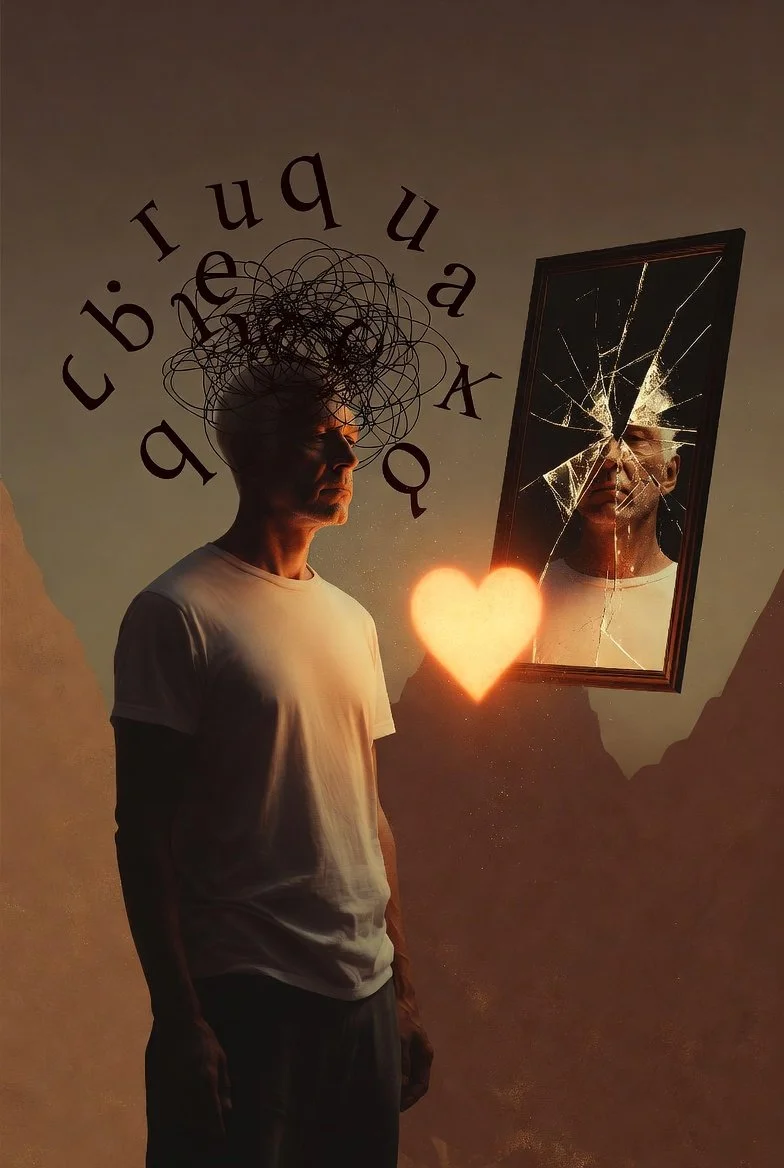
Three years. That’s how long it’s been since I felt like the version of myself that other people used to know.
A traumatic brain injury didn’t just knock me out physically—it rewired how I think, how I speak, how I show up in relationships, and even how I see myself. For a long time I described it the only way that felt honest: I have a broken brain. Some days I still feel like a toddler trapped in an adult body—full of big emotions, zero filter, and the constant fear that I’m never going to be “normal” enough for the people I love.
But here’s what I’ve learned in three years of messy, imperfect recovery: “normal” was never the goal. The goal was honest. The goal was trying. And the goal was slowly becoming someone I could look in the mirror and say, “You’re doing your best, and that’s enough today.” The goal wasn’t to be loved, but to love.
Why am I a Zombie?
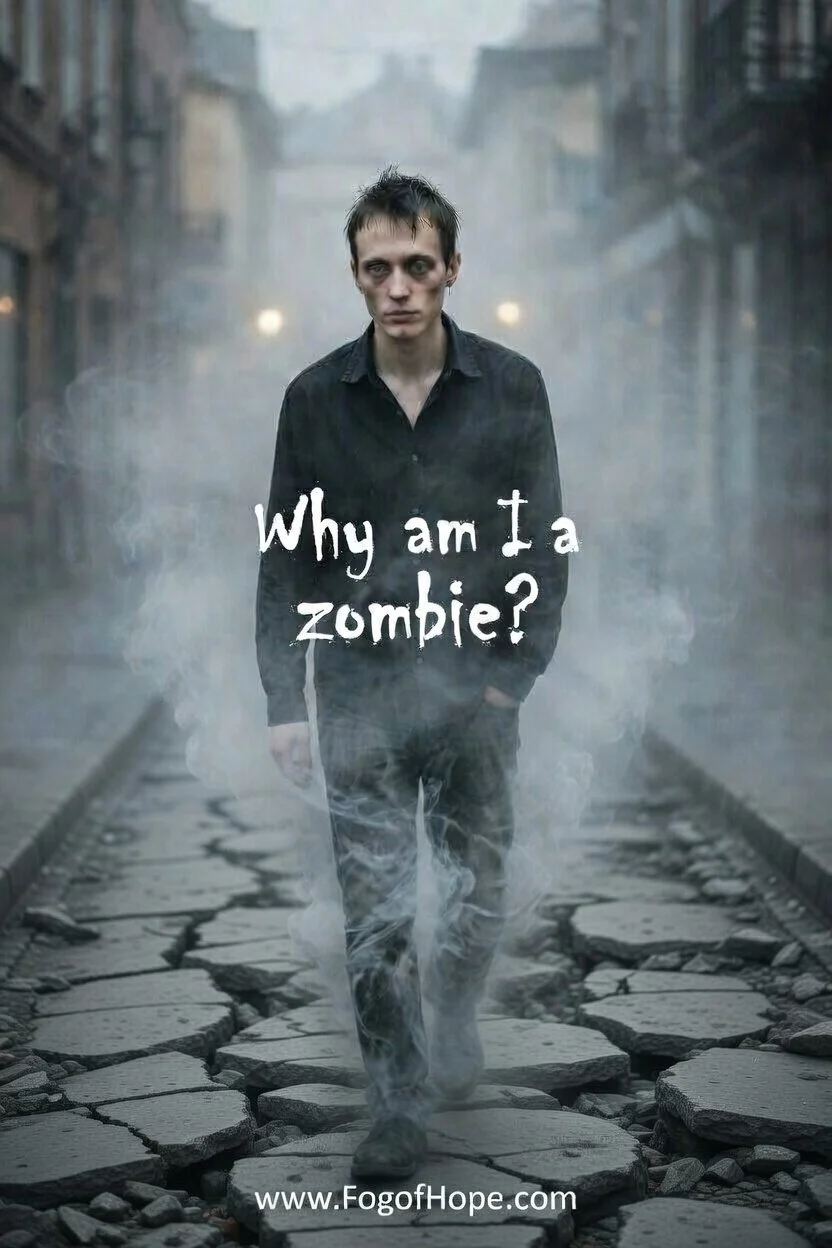
I don’t remember much of the first couple of years from my injury. But I’m forever grateful that prior to my injury I had learned the skill of journaling from a leadership course I had attended for my job. This skillset would prove to be one among many TBI recovery skills that are often taught post-injury to Brain Injured patients that I had been blessed to develop ahead of time. These skills somehow miraculously assisted in being able to regain entry into my job after the initial months of recovery off even though barely functioning internally. I don’t have as many journal entries as I retrospectively wish I would have had from the first year, but from what I can gather as I reread these early ones, the bulk of my initial days were literally sleeping so not much to record anyway. 18+ hours on most days. Falling asleep in the middle of loud activity all around. My time awake was spent staring out the window, at nothing truly. Unable to focus. Every light too much. Each sound so painful. These spots in my vision distracting, draining, confusing. Unable to do much and with little company there often was not much to journal about beyond my kids and wife in the pieces I could gather and understand, but I also thought I “just” had a concussion and was just resting and getting better and then eventually “just” Post Concussive Syndrome and just need to keep resting and I’ll be better. I never knew what this was and would end up being.
Early on I could not watch anything. The TV made me sick physically. Each scene cut transition every 3 seconds was too quick to process, too overstimulating for me. In the first days, I recorded that my wife and I went to watch a movie and I had it turned off within five minutes unable to process even the sound with my eyes shut. Everything was too much. It hurt, made me nauseous, and was overwhelming in a way that is so difficult to describe.