Our Children’s Grief
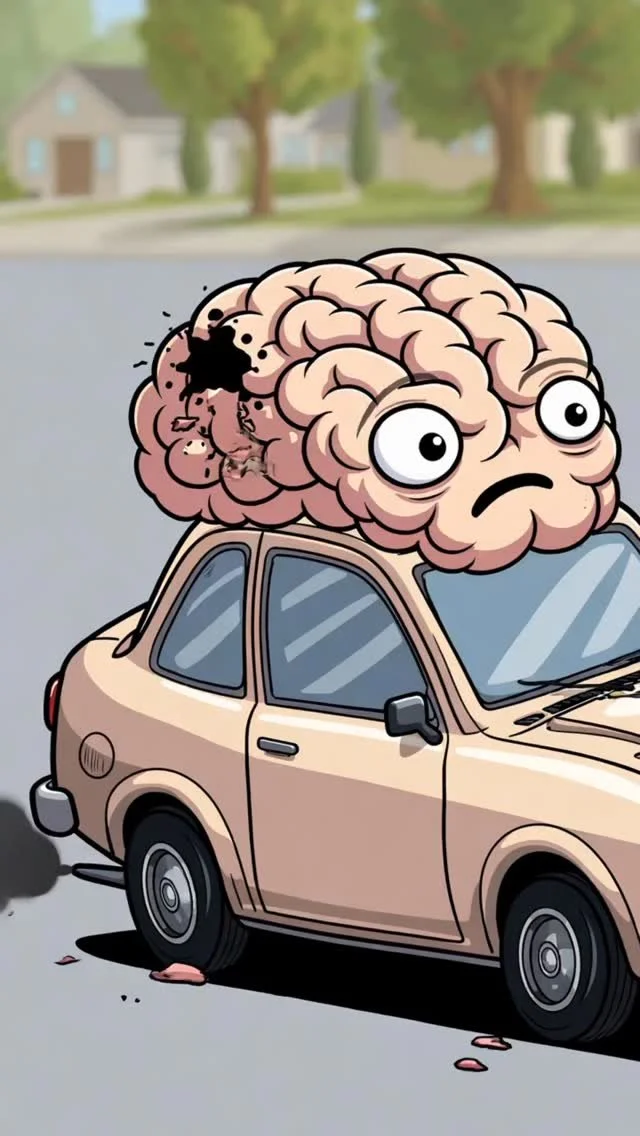
Three years. That’s how long this injury has reshaped not just my life, but the lives of our children in ways I never imagined and still struggle to accept. They watched a brain injury steal their father and their childhood in the course of an evening three years ago that has been unpacked more each and every day since.
I see it in their eyes — the confusion, the sadness, the careful way they now navigate interactions with me. The dad they once had — the one who remembered every promise, played endless games, carried them on his shoulders, danced around the kitchen, and led with steady confidence — has been replaced by someone who can’t remember what we did yesterday or how to do the most basic things of cooking or simply listening at times for them.
The Father They Lost
Our kids have watched their dad fade in real time.
They’ve seen me forget the rules of their favorite games. They’ve had to remind me of traditions we built together. They’ve stood there patiently while I stare blankly, trying to figure out how to help with homework or fix a simple toy. They’ve held back tears reminding me of their accomplishments I’ve forgotten, shared milestones I missed from years ago that I only see now, and let their bodies melt into mine during precious moments of closeness, simply enjoying being held and deeply loved. They’ve learned to watch for the signs that my brain is glitching — when words don’t come right, when I get overwhelmed, when I shut down.
There have been too many times when they’ve had to gently guide me: “Dad, you already said that,” or “Mom said you need to rest now.” or “Dad, it’s ok, I’ll do it.” Or worse — running to get Mom because Dad isn’t functioning, because the fatigue has won again or the dizziness has me on the couch or floor unable to move, with nothing coherent happening anymore.
No child should have to parent their parent.
When Mom Becomes the Only Caregiver
The shift hasn’t just affected them through me. Their mother — my wife — now carries the weight of being both parent and caregiver. She’s the one who has to pick up all the slack. The kids see her exhaustion too. They notice when she’s running on empty, managing the farm, the house, the emotional labor of holding our family together while also worrying about me.
They’ve lost the version of our family where both parents were fully present and strong. Now they live with a mother who is stretched thin and a father who is often limited. That imbalance leaves its own quiet scars.
Robbed of Innocence, Delayed in Maturity
The hardest part is watching how this has changed them while my wife and I try with all our might to not let it.
On one hand, they’ve developed a depth of empathy and understanding far beyond their years. They check on me. They offer help without being asked. They’ve learned patience and grace in situations most children thankfully never encounter.
But that growth has come at a steep cost. Their innocence has been chipped away. The carefree childhood they deserved has been replaced by a constant underlying awareness that Dad is “different now,” that life is fragile, and that their family is in a strange limbo — never fully moving forward, always one setback away from another wave of fatigue, dizziness, or cognitive struggles.
Their own maturity has been delayed in other ways. How do you fully step into your own life when your family feels stuck in recovery mode? When playtime gets interrupted because Dad needs to lie down? When big emotions have to be managed carefully because Dad’s nervous system can’t always handle the noise or chaos?
They’re growing up faster in some ways and slower in others, and it breaks my heart.
A Glimmer of Hope in the Pain
But today I also cry because I heard them all in their room praying out loud together as children. Not with their mother. Not with their father. Not because they were told to. But because they wanted to — together — say prayers in unison. There could not be a sweeter sound to hear from the other room than all five children together as one voice praying joyfully, hoping in the Lord we have shared together as a family over all these years.
I cry because I see the pain they go through each day, but perhaps the pain has led them to something greater — real bonds of unity with one another, the type that can only come out of adversity and that are strong enough to last through whatever adversity is yet to come. Maybe down the road they won’t lose their siblings like we have. Perhaps this adversity we are facing together now will give them more together in their future.
There is so much we don’t understand as adults — how could they be expected to as children? And yet, today, they on their own lift their eyes, hearts, and hands in prayer together because no matter how tough each of these days is, they’ve come to learn that we will always have each other as a family. They see that everything — the good, the bad, and the ugly — comes from and returns to God. They see that no matter how tough it is, their mother still loves me and I still love her, and together we both love God and always will — no matter how dark the days get. They know that today, and every day, they are loved by their mother and father — and always will be. They’ve gotten to experience that love put to the test through this brain injury recovery and have seen that love wins each day.
The Tears Behind Closed Doors
There are nights I lie awake drowning in guilt. I cry for the father I can no longer be. I cry for the mother who never signed up to carry this much. But most of all, I cry for our children — for the absence they feel every single day, even when I’m physically here.
I want to give them back their dad. I want to give them back the lighthearted, energetic family we used to be. Instead, I’m teaching them about limitation, grief, resilience, and ultimately - love - in ways they would have never learned without this injury.
If you’re a parent with a brain injury, or your partner has one, please know this pain is real. Our kids are grieving too. They’re navigating a version of their father they never asked for, and a family dynamic that shifted overnight.
This injury didn’t just change me — it changed all of us. And we’re learning, together, how to live in this new reality.
To our children: I’m so sorry. I see how hard this has been on you. I see your empathy, your patience, and the weight you carry every single day. Thank you for still loving me through the confusion and the changes. I’m still your dad, even when I’m not the dad I used to be. And even if one day my brain forgets who you are, please know this — I will always love you. That love lives deeper than memory. I’m fighting every day so I can be here for you in the ways I still can. I love you!