
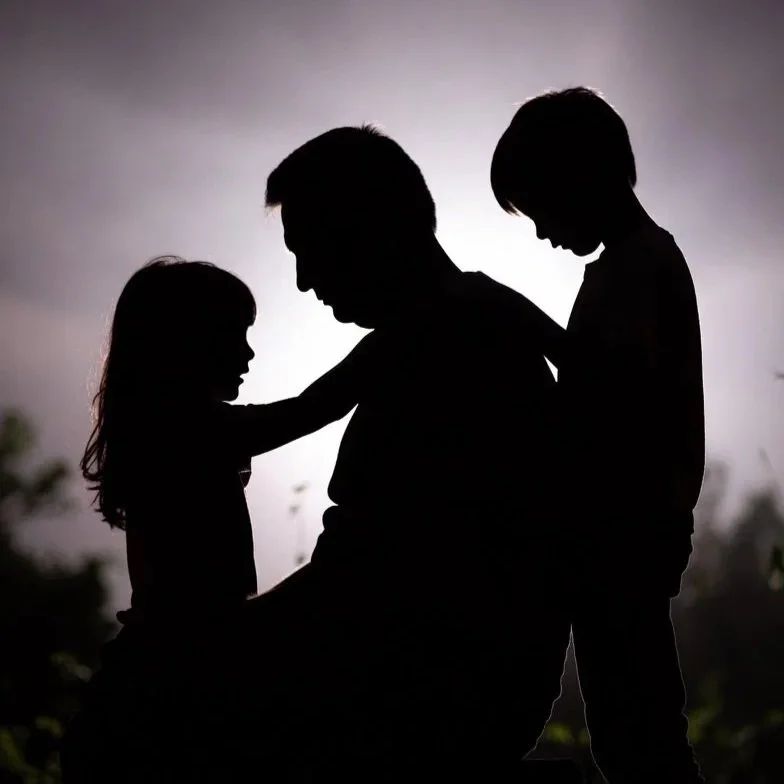
Our Children’s Grief
Three years. That’s how long this injury has reshaped not just my life, but the lives of our children in ways I never imagined and still struggle to accept. They watched a brain injury steal their father and their childhood in the course of an evening three years ago that has been unpacked each day since.
I see it in their eyes — the confusion, the sadness, the careful way they now navigate interactions with me. The dad they once had — the one who remembered every promise, played endless games, carried them on his shoulders, and led with steady confidence — has been replaced by someone who can’t remember what we did yesterday or how to do the most basic things of cooking or simply listening at times for them.
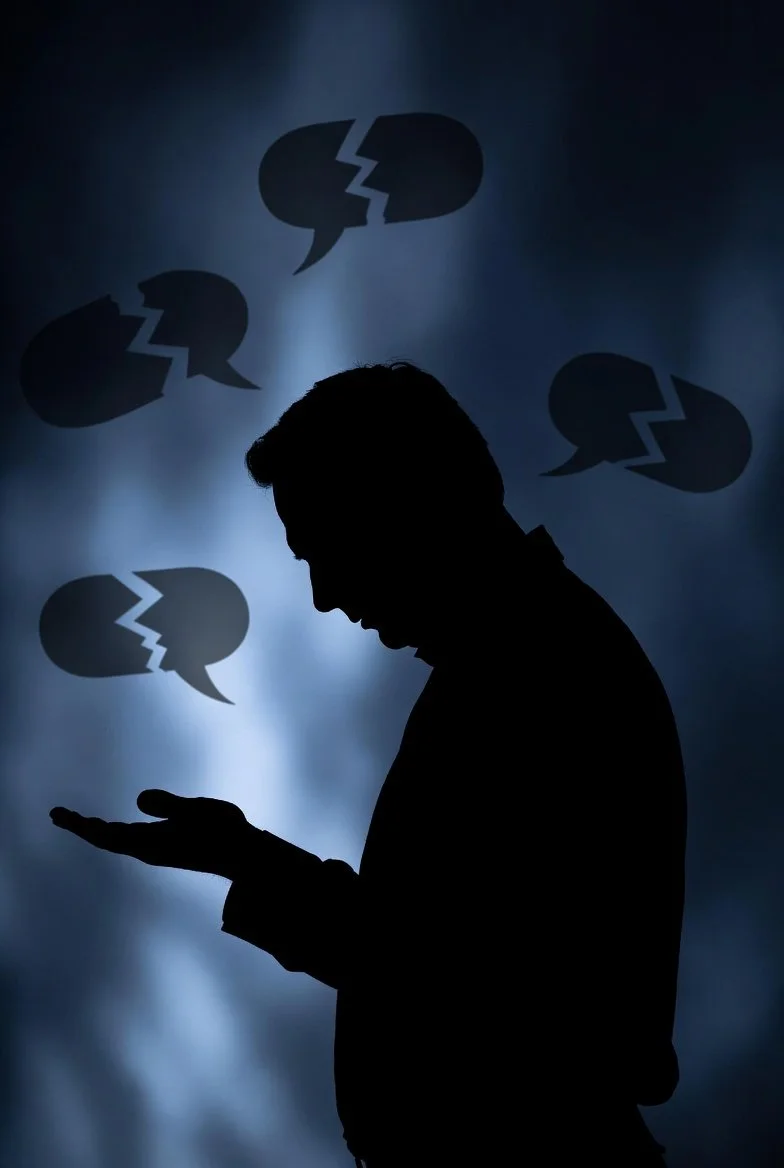
Sternly Misunderstood
Living with a traumatic brain injury (TBI) changes everything. The headaches, the fatigue, the fog that clouds your thinking—these are the visible (or at least documented) struggles. But one of the deepest, most devastating pains often stays hidden: the crushing weight of being misunderstood by the people who matter most.
I never expected that the hardest part of recovery wouldn’t be the physical symptoms, but the way my words now land like grenades in conversations with those I love. What used to flow naturally—explaining my feelings, sharing my thoughts, resolving a disagreement—now feels like navigating a minefield with a map I can barely read.
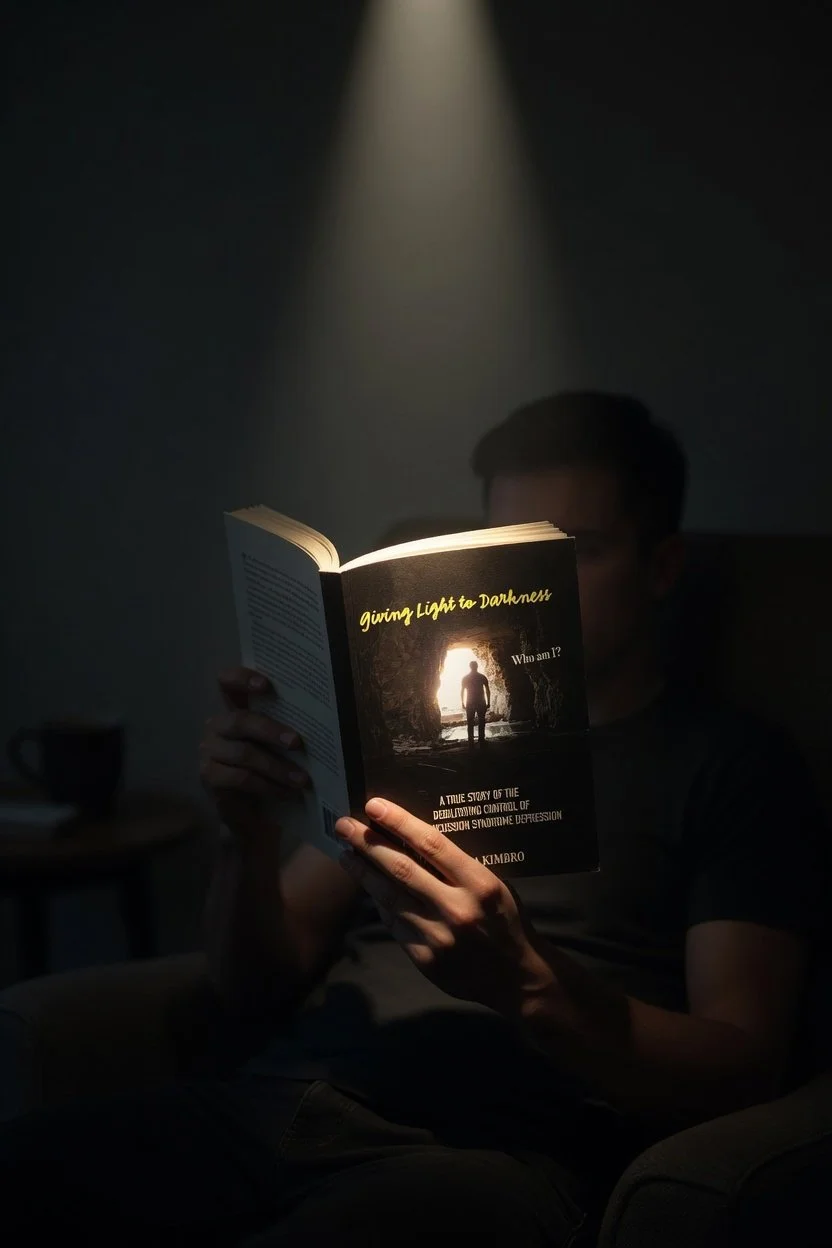
Seth Kimbro Saved My Life
How Seth’s legacy in “Giving Light to Darkness” by Laura Kimbro Saved My Life
I’ve written before about the darkness that traumatic brain injury can bring — the memory loss, the isolation, the crushing weight that makes suicide feel like the only way out. In my lowest moments, when the “Who Is This?” type of phone calls and encounters with others and the disappearing friendships piled on top of constant uncertainty, I came dangerously close to believing the lie that my family would be better off without me.
And it quite literally helped save my life.
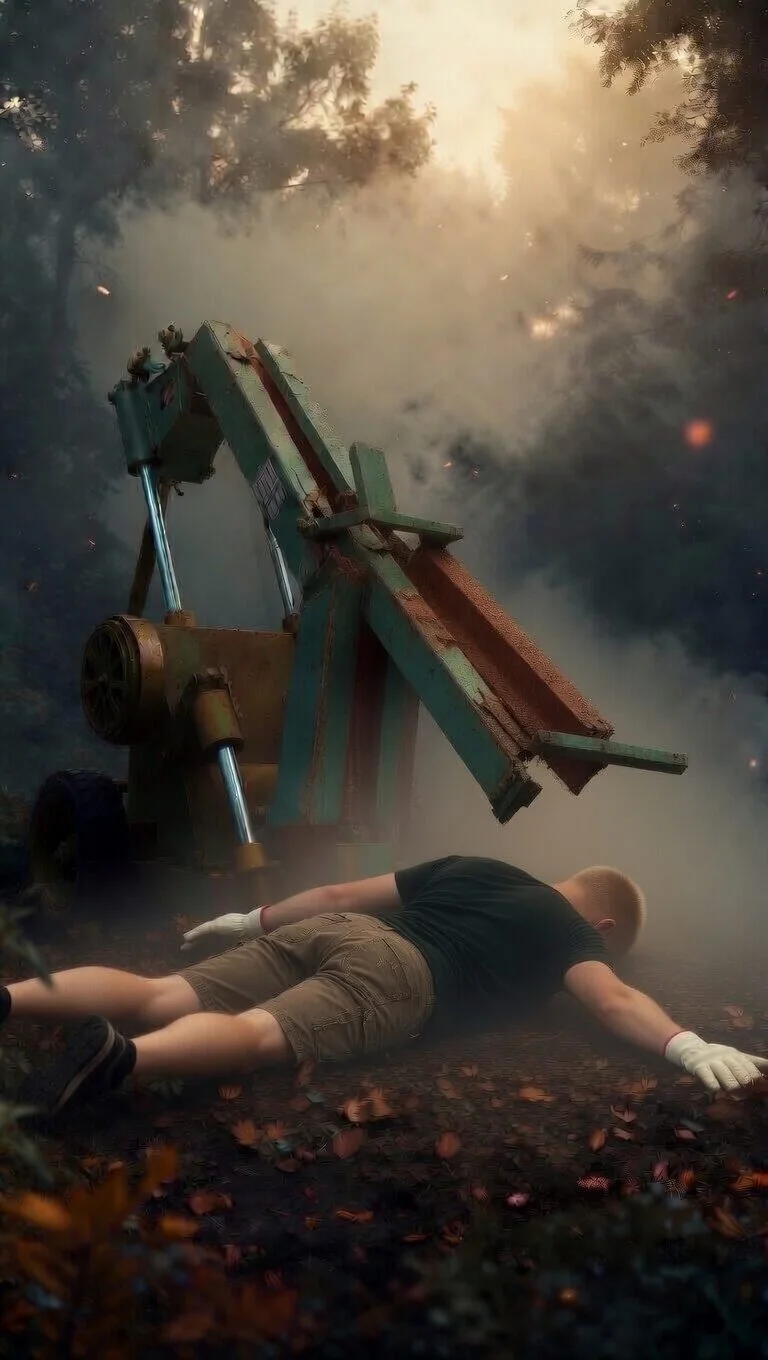
My 3 Year Anniversary
Today marks exactly three years since a wood splitter fell on my head and knocked me unconscious. Three years since the moment everything changed. Three years since I was, in a very real sense, reborn into a life I never asked for.
In the beginning, they told me I would be fine. “Just a concussion,” the ER doctor said. “You’ll bounce back quickly.” I believed them. My family believed them. I rested, followed instructions, and waited for my old self to return. In the days that followed I deteriorated, lost the ability to hold a memory longer than 15 minutes, became a lump on the couch sleeping 20 hours a day, headaches pounding, unable to think, process, watch a screen, forming words one syllable at a time, not able to think of what word was coming next or what word I had just said. After a day or two of almost appearing normal, I had quickly become unrecognizable, like a zombie.

My Transmission is Shot
When Your Transmission Goes Out: What Car Trouble Taught Me About Living with a Brain Injury
We had a vehicle with a transmission starting to fail. The vehicle would act strange. The engine was revving, but the power wasn’t reaching the wheels the way it should. Shifting felt delayed and clunky. We made it home, but the warning lights came on, and we knew something was seriously wrong with the transmission.
After a painful diagnostic visit, the mechanic confirmed it: transmission is failing. Not a cheap or simple fix. The part that transfers power from the engine to the drivetrain was damaged, and without it, the vehicle couldn’t do what it was built for—even though the engine itself was still running strong. Sound familiar?
That moment hit me hard because it mirrored exactly what happened to my brain three years ago after my traumatic brain injury (TBI).

Repair Over Exile
Why Cutting Out a Sibling Is Almost Always the Wrong Choice
There’s a quiet epidemic happening in many families today: siblings cutting off siblings, family cutting off family. What often starts as “I just need some space” can slowly harden into permanent estrangement. While the person asking for distance may believe they’re protecting their peace, the reality is far more painful — for both sides.
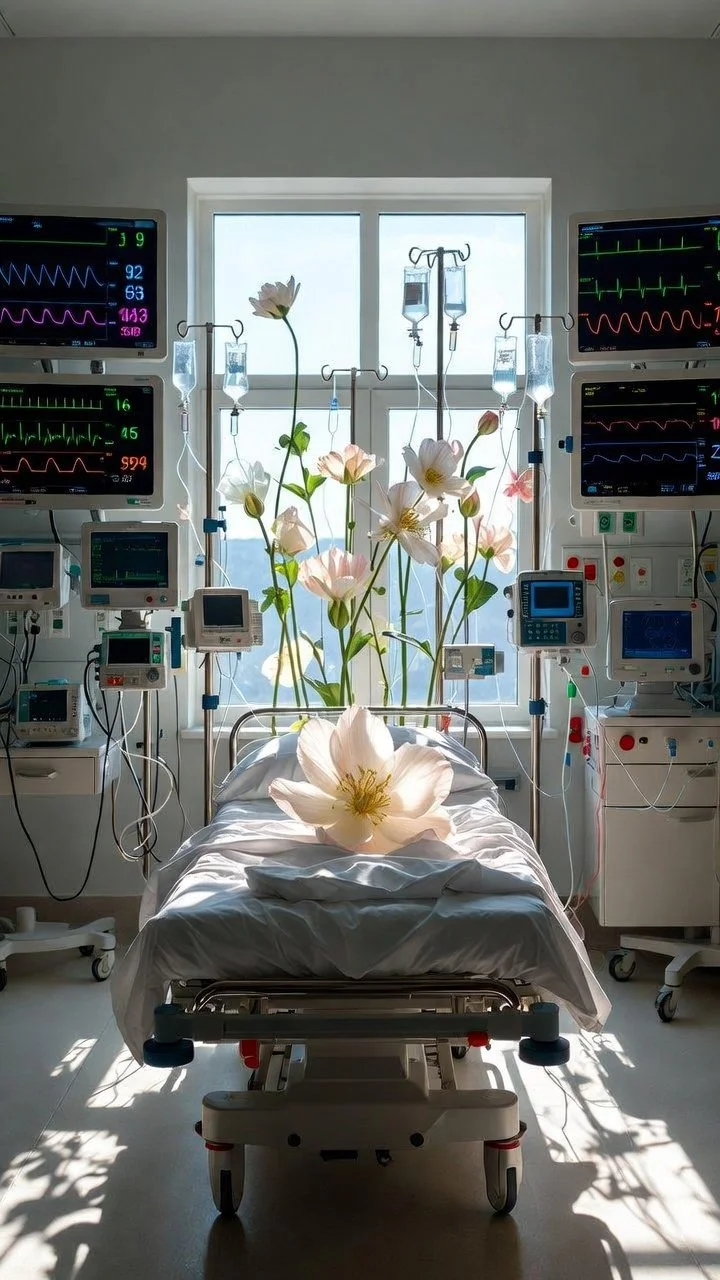
Beauty in the Broken Days
Some people come into your life (even after they’ve left it) and quietly rearrange how you see everything. For me, one of those people is Claire Wineland.
Claire lived with cystic fibrosis—a serious, progressive lung and digestive disease—from birth. She spent huge chunks of her short life in hospitals, hooked up to machines, fighting infections, and facing the very real possibility that each day might be one of her last. She died at 21 in 2018, just days after a double lung transplant. Yet she left behind a voice that still echoes powerfully: sick people are not broken. They are not to be pitied. And their lives can be incredibly full, meaningful, and even beautiful—because of the pain, not in spite of it.