

Love’s Closed Door
After fourteen years of knowing each other, my sister has made her position unmistakably clear: she does not want me to know her, she has no desire to know me, and she wants me out of her life. She has reinforced this boundary repeatedly. By contrast, in just one year she went from meeting a stranger to agreeing to marry him. Yet after everything we shared over those fourteen years, she continues to insist that I leave her alone. Still, she speaks of wanting a picture-perfect wedding day surrounded by a “loving family.” Yet by her repeated choice to cut us out of her life, she actively prevents and makes impossible the very love and communion she says she desires.
Suicide After Concussion
When TBI Makes Suicide Feel Like the Only Option – And Why You Still Matter
I’ve met too many survivors of TBI that I met too late to still know them while they were alive. I met others that then didn’t show up the next meeting because they had lost their battle. They had encountered this living change surviving their injury and battling each day and found themselves part of an unfortunate statistic. I’ll share some of those statistics below. But they aren’t a statistic. Each one of them is a person. A person who loved and was and is loved. A person with a story. An incredible story. Even after their deaths, I learn from their stories, from their loved ones, from the legacies, and yes from their pain. The pain of living with a traumatic brain injury (TBI) can feel like fighting a war inside your own head — one that no one else can fully see and even the patient can’t fully see or understand themselves at times. Some days the battle gets so heavy that ending it all starts to feel like the only way to find peace. I know this darkness. Many of us in the brain injury community do. In fact, almost every survivor I have met shares the exact sentiment in their early months of wishing they could just reach in their head and pull their own brain out. But I also know there is light, even though it is not always visible each day. It is there, even when not seen in the moment.
This post is not about glamorizing pain or pretending everything gets magically better. It’s about naming the real reasons suicide can feel rational after TBI — for both survivors and their caregivers — and then honestly laying out why staying here is still worth it. Because it is. There is hope, and you are not alone - many of us have felt those exact feelings, the exact darkness, the exact pain - even though your story is incredibly unique and deserving of being heard.
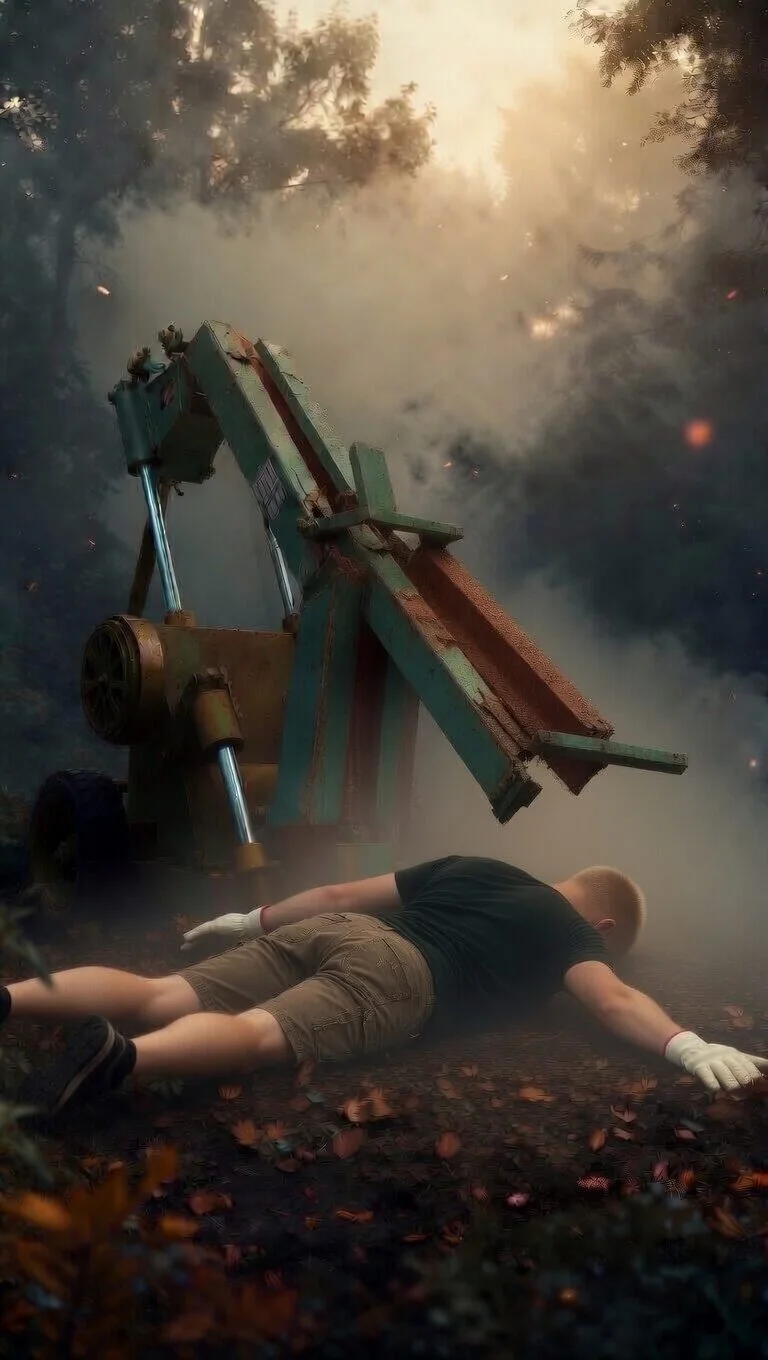
My 3 Year Anniversary
Today marks exactly three years since a wood splitter fell on my head and knocked me unconscious. Three years since the moment everything changed. Three years since I was, in a very real sense, reborn into a life I never asked for.
In the beginning, they told me I would be fine. “Just a concussion,” the ER doctor said. “You’ll bounce back quickly.” I believed them. My family believed them. I rested, followed instructions, and waited for my old self to return. In the days that followed I deteriorated, lost the ability to hold a memory longer than 15 minutes, became a lump on the couch sleeping 20 hours a day, headaches pounding, unable to think, process, watch a screen, forming words one syllable at a time, not able to think of what word was coming next or what word I had just said. After a day or two of almost appearing normal, I had quickly become unrecognizable, like a zombie.
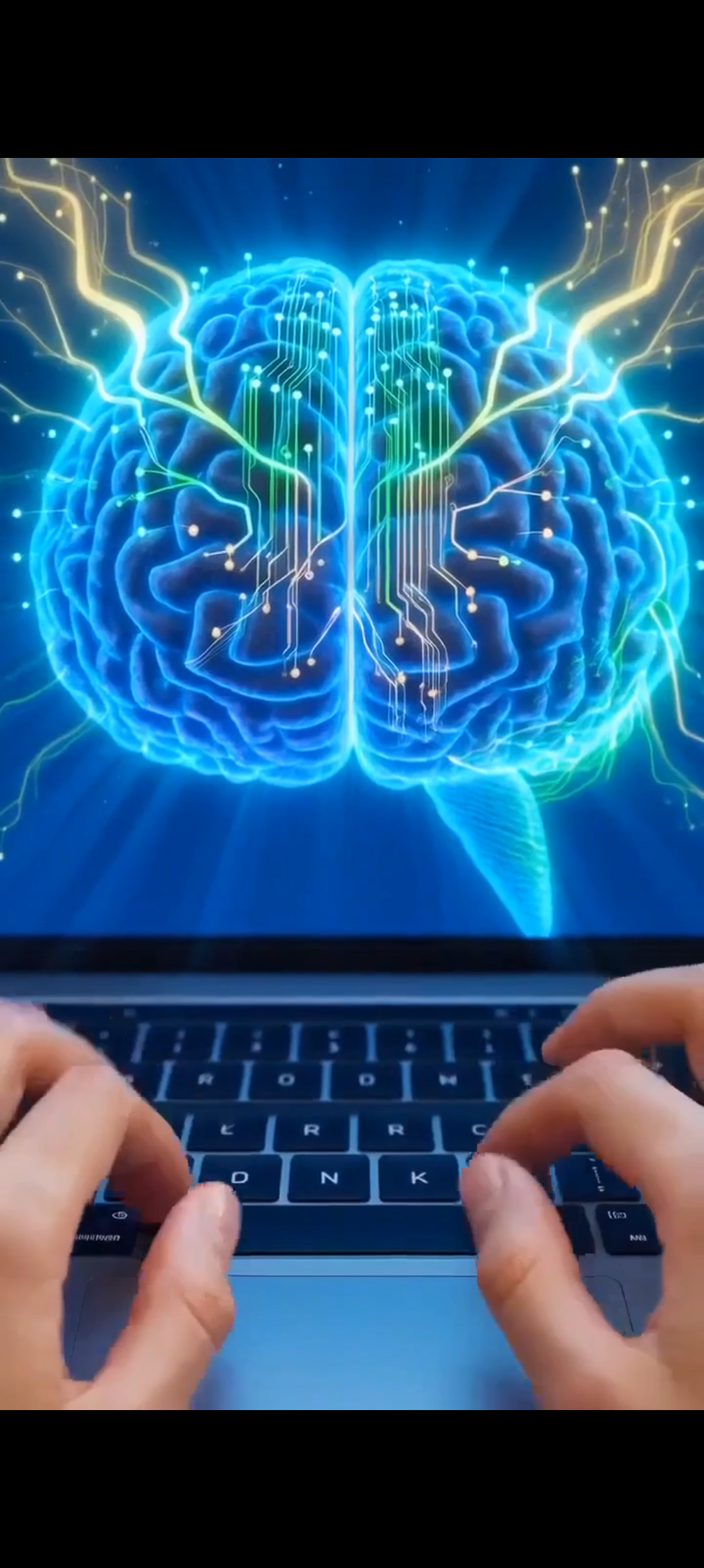
Rebooting Your Brain
The Computer Crash Analogy: Rebooting Your Brain After TBI
Your brain used to run like a lightning-fast, high-end laptop.
Tabs flew open without hesitation. Multitasking felt effortless. Memories loaded instantly. Thoughts moved quickly and clearly. You could juggle work, conversations, plans, and emotions all at once without breaking a sweat.
Then the TBI hit — like a massive power surge during a violent storm.
Suddenly everything changed.
Programs started lagging. The screen froze with thick brain fog. Saved files (your memories) became corrupt or hard to find, impossible to save new ones on demand. Simple tasks that once took seconds now crashed the entire system, leaving you exhausted and staring blankly at the wall, wondering why your own mind felt like a stranger.