My 3 Year Anniversary
Today marks exactly three years since a wood splitter fell on my head and knocked me unconscious. Three years since the moment everything changed. Three years since I was, in a very real sense, reborn into a life I never asked for.
In the beginning, they told me I would be fine. “Just a concussion,” the ER doctor said. “You’ll bounce back quickly.” I believed them. My family believed them. I rested, followed instructions, and waited for my old self to return. In the days that followed I deteriorated, lost the ability to hold a memory longer than 15 minutes, became a lump on the couch sleeping 20 hours a day, headaches pounding, unable to think, process, watch a screen, forming words one syllable at a time, not able to think of what word was coming next or what word I had just said. After a day or two of almost appearing normal, I had quickly become unrecognizable, like a zombie.
Then came the next update in the follow up appointment and referral to a neurologist: “Unfortunately, you have post-concussion syndrome (PCS). You’re in that unlucky 20-30% of people whose symptoms linger. It may take a few more weeks… or months… or maybe a couple of years. But eventually, you’ll be back to normal.”
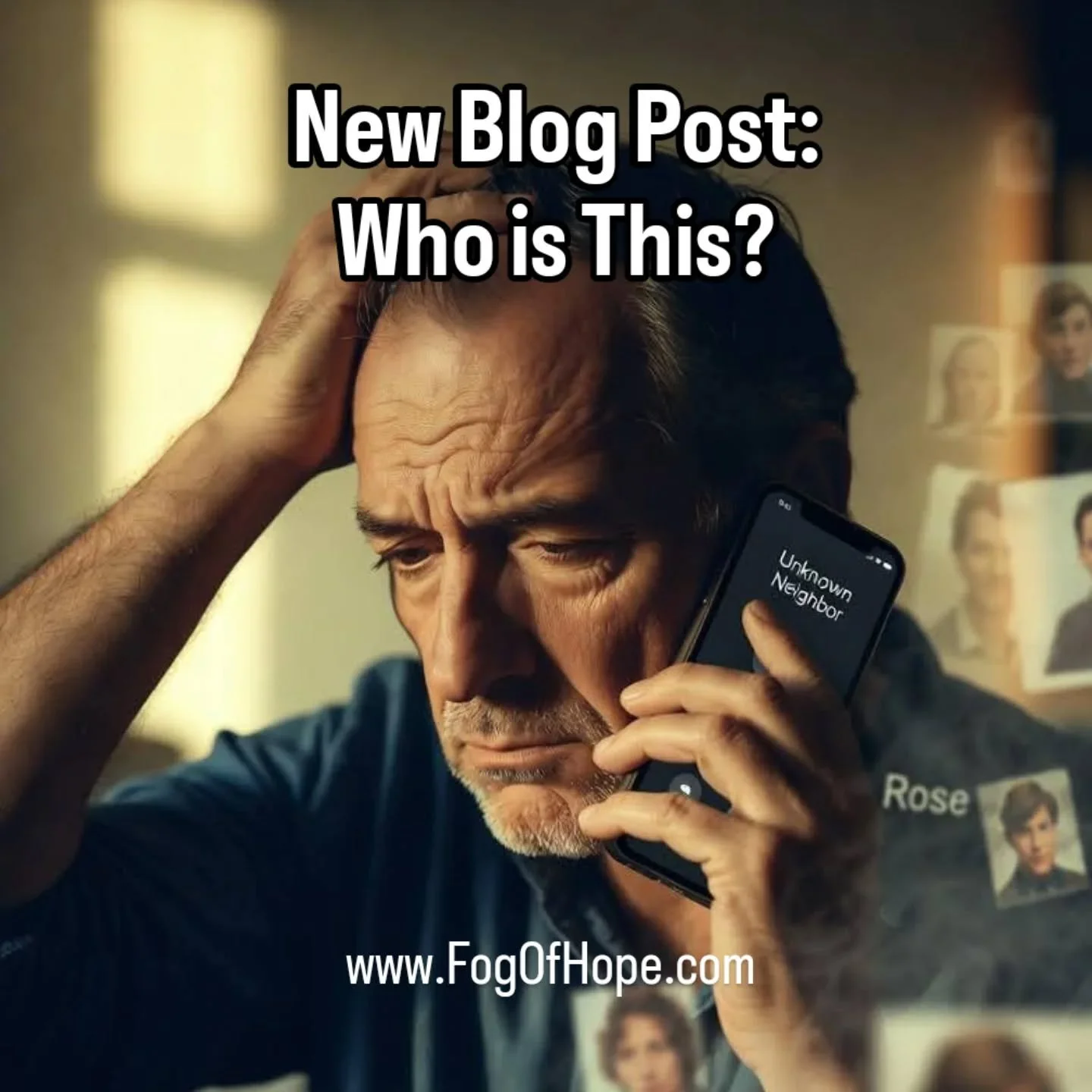
I held onto those words like a lifeline. I put them on my phone home screen. I counted the months. I pushed through the headaches, dizziness, and fog, telling myself it was all temporary. Soon, maybe tomorrow, I’ll be back to my normal self!
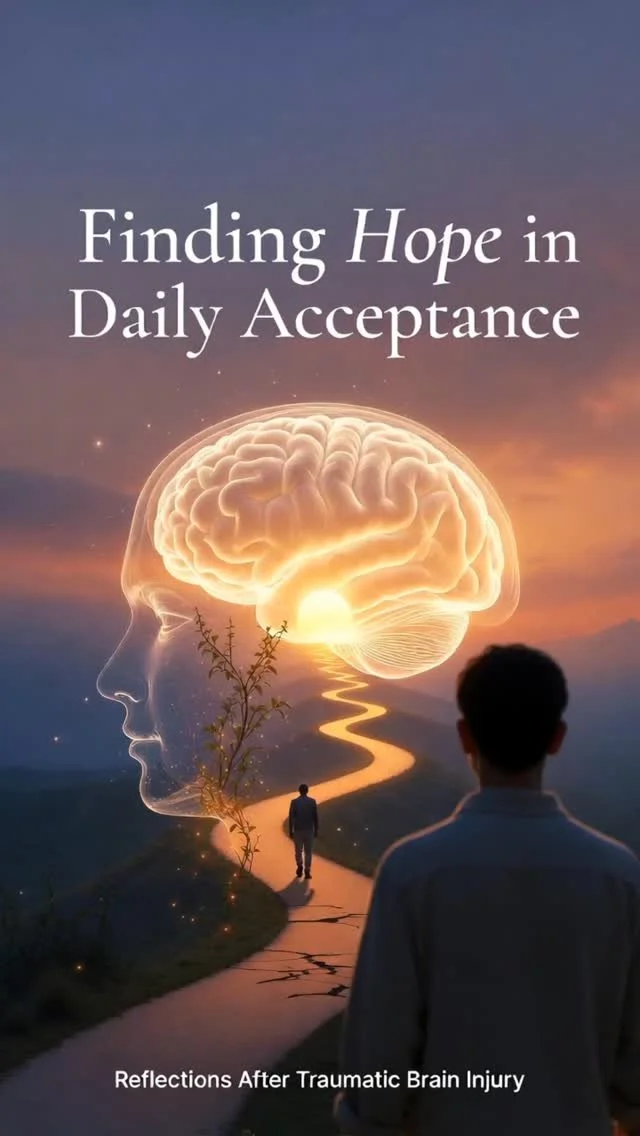
Until I learned the truth no one wants to say out loud: I will never be “back to normal.” There is no returning to the person I was before that machine crashed across my skull. There is only the possibility of a new normal. A new me. A post-TBI version of myself that I’m still getting to know. A post-TBI version of myself that I don’t like often and am still learning to love.
These three years have been a brutal teacher.
I’ve lost people I thought would always be there—close family members who once felt like our foundation. People who said “I’m here for you no matter what” disappeared when “no matter what” turned into years of unpredictable symptoms, canceled plans, and a personality that sometimes feels like a stranger even to me. The silence from those I loved most has been one of the deepest wounds of all.
But I’ve also gained something I never expected.
Through TBI support groups, and now this blog, I’ve found new people—survivors living with their own brain injuries and caregivers who truly understand the weight of this journey. They’ve become encouraging lights ahead of me in the fog. They don’t offer empty promises of full recovery. Instead, they share honest stories, practical coping tools, and quiet reminders that I’m not walking this path alone. Those connections have kept me going on the darkest days.
As I enter this third anniversary today, my heart feels heavy with uncertainty, difficulty, and despair. I still don’t remember more than two years of my life. Every single day I wrestle with symptoms: crushing fatigue, brain fog that turns simple tasks into marathons, headaches that arrive without warning, emotional waves I can’t always control, and the constant grief of missing the person I used to be. Every single day I wrestle with how this has impacted my wife and children and the many ways I can’t even comprehend still what that means because of this injury itself.
And yet… there is hope.
It doesn’t always feel positive. It doesn’t sparkle or inspire like the motivational quotes myself or others share. This hope is quieter, heavier, almost stubborn. It points toward something greater—not a return to the old life, but a meaningful life in this new one. A life where I can still love, create, connect, and grow, even if it looks completely different than I imagined.
I’m still learning to accept this new reality. Some days acceptance feels possible. Other days it feels like surrender that I’ll never be capable of. Both are hard.
This year, for the first time, I’m aware enough on this anniversary to actually prepare for it. In past years, the dates came and went in a haze—I wasn’t even fully conscious of what day it was or why I felt so heavy. But I’ve been learning from other TBI survivors and “Hope Survives” strategies for navigating these painful milestones:
1. Plan Ahead: Give Yourself Grace and Space
It’s okay to feel sad, angry, or overwhelmed on your anniversary. Don’t fight it or pretend the day is “just another day.” Practical tips:
Block out low-demand time. Cancel non-essential obligations if possible.
Decide in advance how you want to spend the day—quiet rest, a gentle walk, journaling, or connecting with safe people.
Prepare a “grace plan”: extra rest, favorite comfort items, or permission to cry without judgment.
2. Allow Yourself to Feel, Grieve, and Acknowledge the Hard Parts
Suppressed grief doesn’t disappear—it shows up in worse symptoms later. Naming the losses (the old self, relationships, abilities, dreams) can actually lighten the load. Try this:
Write a letter to your pre-injury self or to the injury itself.
Say out loud (or in a voice memo): “This day marks real loss, and that’s valid.”
Use a feelings wheel or simple list: What am I grieving today? What still hurts?
3. Reflect on How Far You’ve Come
Even on hard days, progress is real—even if it’s small. Ideas to try:
Look back at old notes, photos, or journals (if your memory and place of processing grief of what is lost allows).
List three things you can do now that were impossible in the early months.
Celebrate tiny wins: managing a symptom better, maintaining a boundary, or simply still being here.
4. Consider Unexpected Blessings
Brain injury often closes doors—but it can open others you never imagined. Reflection prompts:
What new people, skills, perspectives, or purpose have come into your life since the injury?
Have you found deeper empathy, new communities, creativity, or spiritual growth?
What strengths have you discovered in yourself that the old you never needed?
5. Stay Open to Unexpected Opportunities
Healing isn’t linear. New treatments, therapies, relationships, or callings can appear years later. Mindset shift: Keep a small “possibility list” of things you might explore in the coming year—new rehab options, support groups, creative outlets, or advocacy work.
6. Remember: Healing Requires Patience and Resilience
This is a long journey. Some years the anniversary feels lighter; others it knocks the wind out of you. Both are normal. Anchor reminders:
Progress might look like better symptom management rather than full recovery.
Resilience grows when you keep showing up for yourself, even imperfectly.
7. Lean on Faith (and Personal Anchors)
For many survivors, spiritual faith becomes a steady anchor when everything else feels chaotic. Others find strength in nature, music, routines, or community. Whatever your anchor is—hold it gently on hard days.
8. Share Your Story to Reduce Isolation
Speaking or writing about your experience (even just in a support group) reminds you that you’re not alone and helps others feel seen. Low-pressure ways:
Post anonymously in a TBI forum.
Record a short voice note for yourself.
Join a Hope Survives support group or similar community.
These are Things I’m Still Learning
I’m not perfect at following them. Not even close. But I’m trying—and that alone feels like progress.
Three years ago today, a wood splitter changed my life forever. It took more than I ever thought I could lose. But it has also given me new eyes, new connections, and a deeper understanding of what it means to keep going when everything feels broken.
To every fellow TBI warrior reading this: whether you’re at three months, three years, or thirty years—your journey matters. The losses are real. The grief is valid. And the small, stubborn hope that keeps you moving forward is enough for today.
I don’t know what year four will bring. But I’m still here. Still learning. Still hoping, even when it hurts.
And for now, that has to be enough.
If today is hard for you too, I see you. There is hope in this fog. You’re not alone.
Resources:
Hope Survives Podcast Episode 93: hopesurvives.org/podcast/93
Join their online community for ongoing support.
This post is for informational and community support. Always consult your healthcare team for personalized advice.