Beauty in the Broken Days
Some people come into your life (even after they’ve left it) and quietly rearrange how you see everything. For me, one of those people is Claire Wineland.
Claire lived with cystic fibrosis—a serious, progressive lung and digestive disease—from birth. She spent huge chunks of her short life in hospitals, hooked up to machines, fighting infections, and facing the very real possibility that each day might be one of her last. She died at 21 in 2018, just days after a double lung transplant. Yet she left behind a voice that still echoes powerfully: sick people are not broken. They are not to be pitied. And their lives can be incredibly full, meaningful, and even beautiful—because of the pain, not in spite of it.
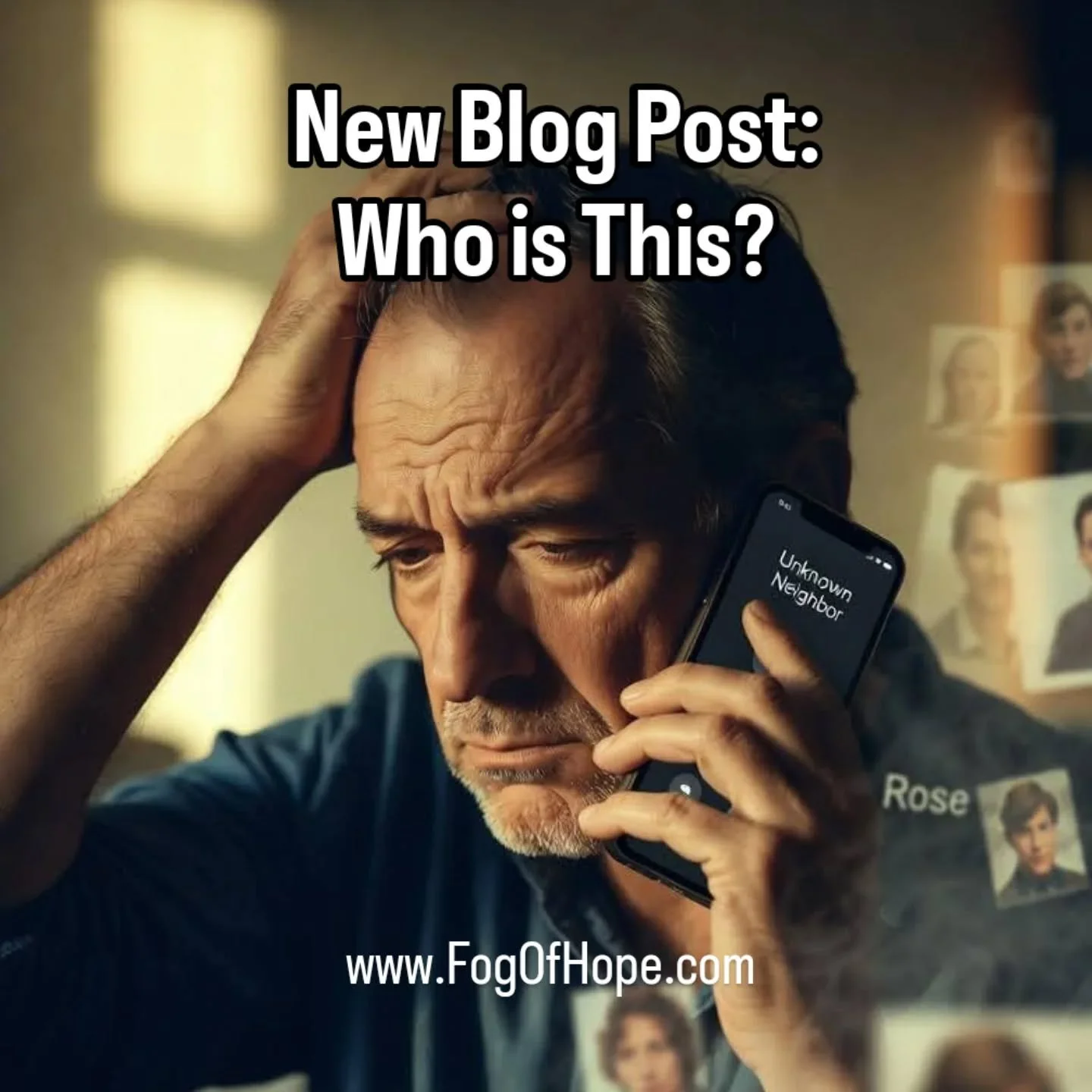
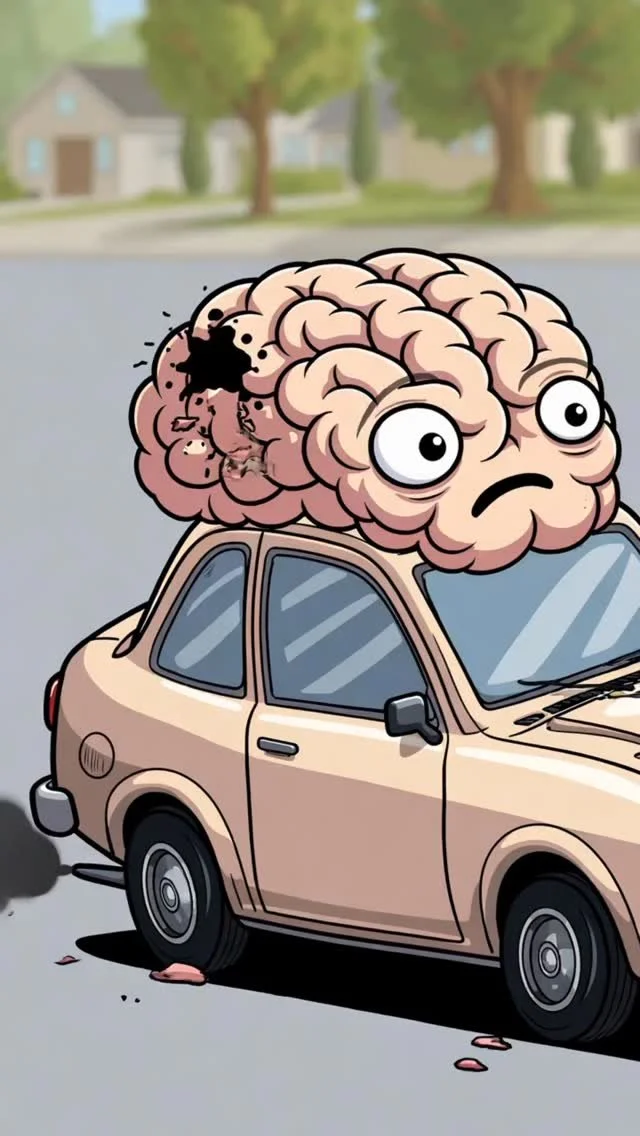
I discovered Claire’s talks and interviews recently during my own long, foggy recovery from traumatic brain injury and post-concussion syndrome. Her words hit me like a gentle but firm wake-up call. Here I am, battling relentless headaches, brain fog that make basic thoughts slippery, crushing fatigue, and the grief of a life that suddenly moves much slower than before. And yet Claire was saying things like:
“You can be in pain and yet you can see beauty, and that’s what makes life so incredible.”
“There’s so much more to life than just being healthy.”
“My purpose is to help people be more comfortable with their pain and realize that they have power and a lot to give regardless of whether their life seems normal or not.”
Her message, even after her death, is reassuring for triumphing through the pain of post concussion syndrome. The proof of her call to live an incredibly full and meaningful purpose continues still now in that legacy.
Refusing the Pity Party—Mine or Anyone Else’s
One of the hardest parts of living with an invisible, chronic condition like post-concussion syndrome is the pity that comes from others—and sometimes from yourself. People look at you and say, “I’m so sorry,” with that soft, sad voice, as if your life has already been downgraded. Or you catch yourself thinking, This isn’t fair. I used to be able to do so much more. Or perhaps worse, because you pity yourself - you even find yourself resenting times when others actually don’t give pity.
Claire hated pity. She saw it as disempowering. She didn’t want her sickness to define her value or steal her agency as who she was. She refused to wait until she was “fixed” or “healthy” before she started living fully. She spoke, she traveled, she built a foundation to support other families with CF, and she made people laugh while talking about dying.
Without knowing it initially, I had come to start learning these same lessons in my journey prior to meeting her. I stopped allowing others to pity me, and more importantly, I started learning how to stop pitying myself. Yes, things are hard. Some days the headaches win and I can barely string a sentence together. Some days I mourn the faster, sharper version of my brain. But pity doesn’t change any of that—it only steals the little energy I have left.
Instead, I ask: What can I still do today? What small, worthwhile thing can I create or offer from this exact place? I don’t have it figured out yet like Claire did, but I’m working towards it.
The Secret to Happiness While Suffering: Make Something from Your Pain
Claire taught that the way to be happy—even while sick or suffering—is not by denying the pain or desperately chasing a cure that may never come. It’s by finding what you can do with your life experience. The pain and the beauty mixed together become raw material for something meaningful.
“Some of the happiest moments in my life have been when I am sick in the hospital—honestly. And think about the implications of that because I have lived the kind of life that all of you spend your entire lives running from. I’ve been sick and dying my entire life. And yet, I am so proud of my life. What does that say? We’re waiting to be healthy; we’re waiting to be wealthy; we’re waiting to find our passion; we’re waiting to find our true love before we actually start living! Instead of looking at everything that we have—looking at all of the pain, looking at all of the sadness, looking at all of the beauty, and making something with that. That’s how innovation happens.”
That’s exactly what I’m trying to do now. These blog posts I write—sometimes through fog and headaches—are not perfect, but they come from a real place. They come from someone who knows what it’s like when basic thoughts get confusing. If even one person feels less alone reading them, then the struggle produced something worthwhile.
The headaches, the slower pace, the limitations—they’ve forced me to show up differently. More honestly. More gently. More intentionally. And that has value.
What If You’re Never Going to Be “Healthy” Again?
This is the question that used to terrify me. What if this is as good as my brain gets? What if the fog and fatigue and sensitivities are permanent companions?
Claire’s answer was clear and liberating: Yes, you are still supposed to live an incredible life—even if it’s slower.
She didn’t measure her life by how “normal” or productive it looked by healthy standards. She measured it by the pride she felt in how she lived it. She chased satisfaction and deep pride in what she’d been through and what she’d made of it.
Issues, limitations, suffering—they aren’t roadblocks. They’re stepping stones. They teach you things healthy people often never learn: how precious ordinary moments are, how strong quiet perseverance can be, how much power there is in simply showing up.
I have so few regrets now, even with a brain injury. That still surprises me sometimes. How can someone whose life got interrupted so dramatically and slowed down have so few regrets?
Because I’m experiencing how simultaneously painful and beautiful it can be to be alive. If you aren’t feeling the depth of life’s difficulty, you might be skimming the surface. The injury stripped away some illusions of people that I thought loved me and things I thought were going well in my life, and forced me instead to make conscious choices about what matters. I still have a life. I can still shape it into something I’m proud of.
Claire put it powerfully: “I have had a beautiful life, and one that I’m so incredibly proud of… and that is not in spite of having CF—that is because of it.”
I’m starting to feel the same way about my brain injury. Not every day. Not when the pain is screaming. Not as well refined as Claire describes it. But I’m learning. I’m growing. I’m desiring to live better through this injury and my pain. But on the clearer days, I see it: this experience has given me depth, compassion, and a drive to create that I might never have found otherwise.
We All Have Suffering—So Let’s Live Anyway
Here’s the truth Claire reminded the world of in a way my son reminded me of just the other month: We are all going to die. Every single one of us carries some form of suffering. Health is temporary for everyone. The difference isn’t who suffers and who doesn’t—it’s what we choose to make from our suffering.
I no longer understand why people feel sorry for me in that pitying way. I don’t want sympathy that reduces me. I want connection that sees me as fully human—still capable of joy, contribution, laughter, and meaning. People who can enjoy the moments with me in my construction zone, not just with me only if I were to be ever ‘healed’.
So I keep showing up. Some days that means writing one imperfect paragraph. Other days an imperfect blog. Some days it means resting without guilt. Some days it means finding tiny beauties: the way light hits the wall, a kind message from a reader, the relief when a headache eases for an hour, a smile from one of my kids, or the twinkle in my wife’s eyes.
Claire Wineland showed me that making your life beautiful is often just one decision away—even from a hospital bed, even from a foggy brain.
If you’re living with chronic illness, injury, or any heavy limitation, I hope her words reach you too:
You still have power. You still have something to give. You can find beauty in each day. And you are allowed to live a life you’re deeply proud of—right now, exactly as you are.
Let’s stop waiting to be healed before we start living. Let’s make something worthwhile from the pain and the beauty we’ve been given.
Thank you, Claire. Your voice is still helping sick people feel worthy of a full, proud life. Eternal rest grant unto her, o Lord, and let perpetual light shine upon her. May the souls of the faithful departed, through the mercy of God, rest in peace. Amen.
With gratitude and foggy determination, A Fellow Traveler Learning to Live Fully Exactly As I Am
Note: Claire Wineland’s foundation, Claire’s Place, continues her work supporting families affected by cystic fibrosis. Her talks and interviews are still widely available online and well worth watching.