
Unpacking Hope
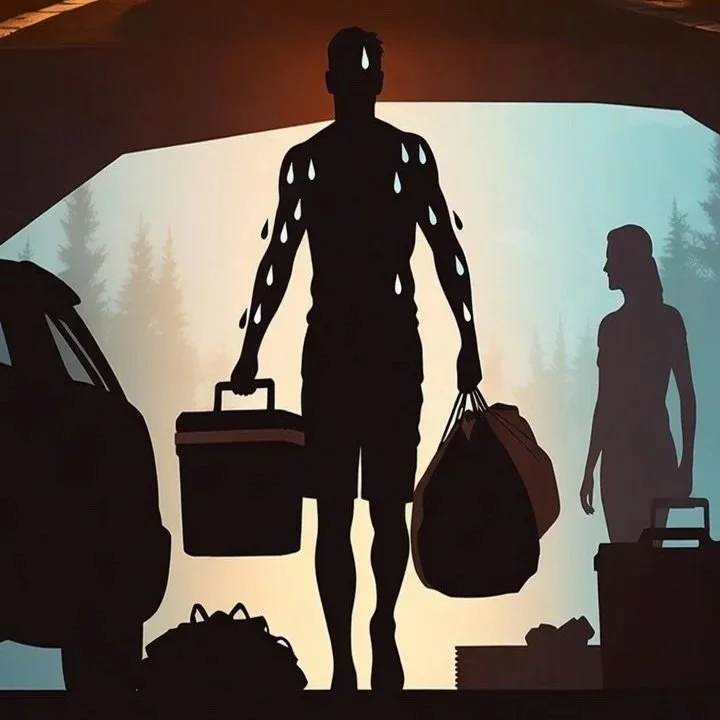
We pulled into the driveway exhausted but full of memories from our family camping trip. The camper was stuffed with sleeping bags, leftover food, clothes, and a thousand little things that somehow multiplied overnight. The heat hit like a wall the second we opened the doors — thick, heavy summer air that made every movement feel heavier.
Sweat started dripping almost immediately. Down my arms as I hauled bags into the house. Down my legs while dragging gear across the driveway. Down my back and forehead in steady streams that stung my eyes. I wanted nothing more than to sit in the AC with a cold drink and call it a day. But the unpacking had to happen. Bag after bag, bin after bin. Carry, drop, repeat.
Camping with Family
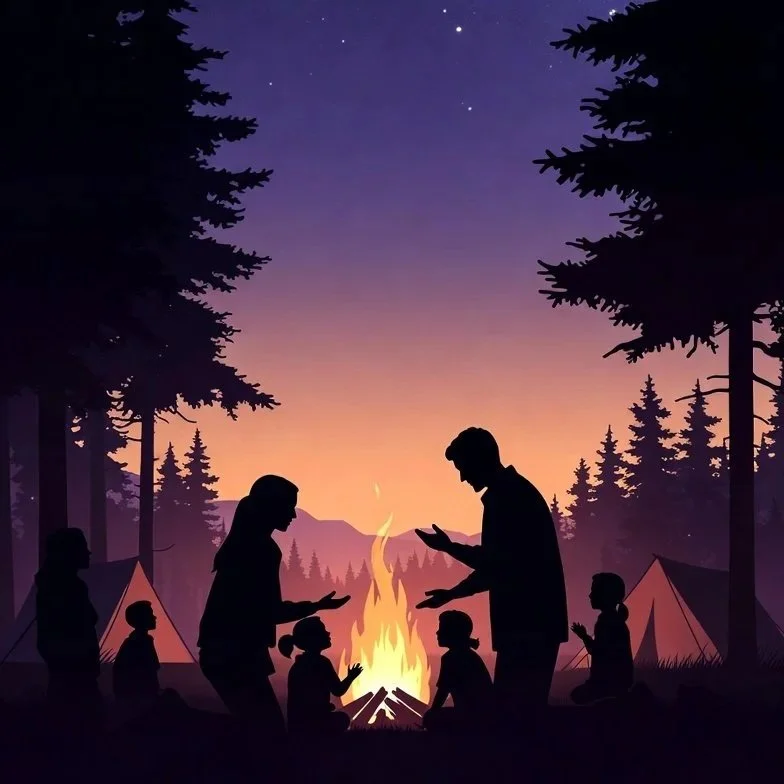
This weekend, some our extended family packed up tents, camping trailers, coolers, and enough snacks to feed a small army and headed into the woods for a long-overdue camping trip. For me, it wasn’t just another family getaway. Living with a brain injury means every activity comes with extra calculations: How much sun can my brain handle before the headaches kick in? How will I help my body stay cool? Will the uneven ground and lack of sleep trigger fatigue or sensory overload? What if I forget something important? Can I keep up without becoming a burden?
But we went anyway. Now with one day remaining we continue the adventure together.
Ripples of Change
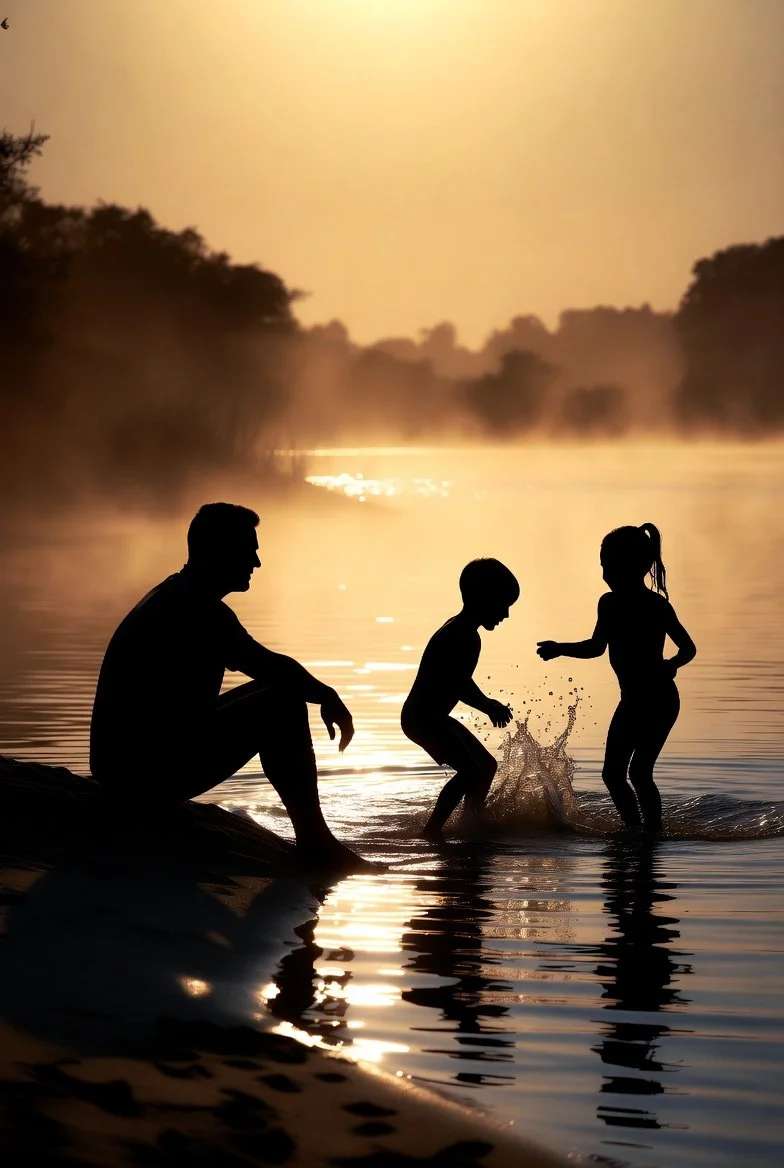
There’s a particular kind of ache that hits when you’re sitting on a beach towel at the edge of a calm lake, watching your kids beg you to chase them into the water.
“Daddy, come in and splash me!”
“Catch me quick!”
“Watch this!”
Their voices carry across the water, bright with summer joy. Mine used to answer by kicking off my shoes and running straight in, wrestling them in the shallows, letting them climb on my back while we laughed and splashed until we were both soaked and breathless. That version of me feels farther away every season.
Packing Up
I used to think the hardest part of camping was choosing the right spot or keeping the fire going. I was wrong.
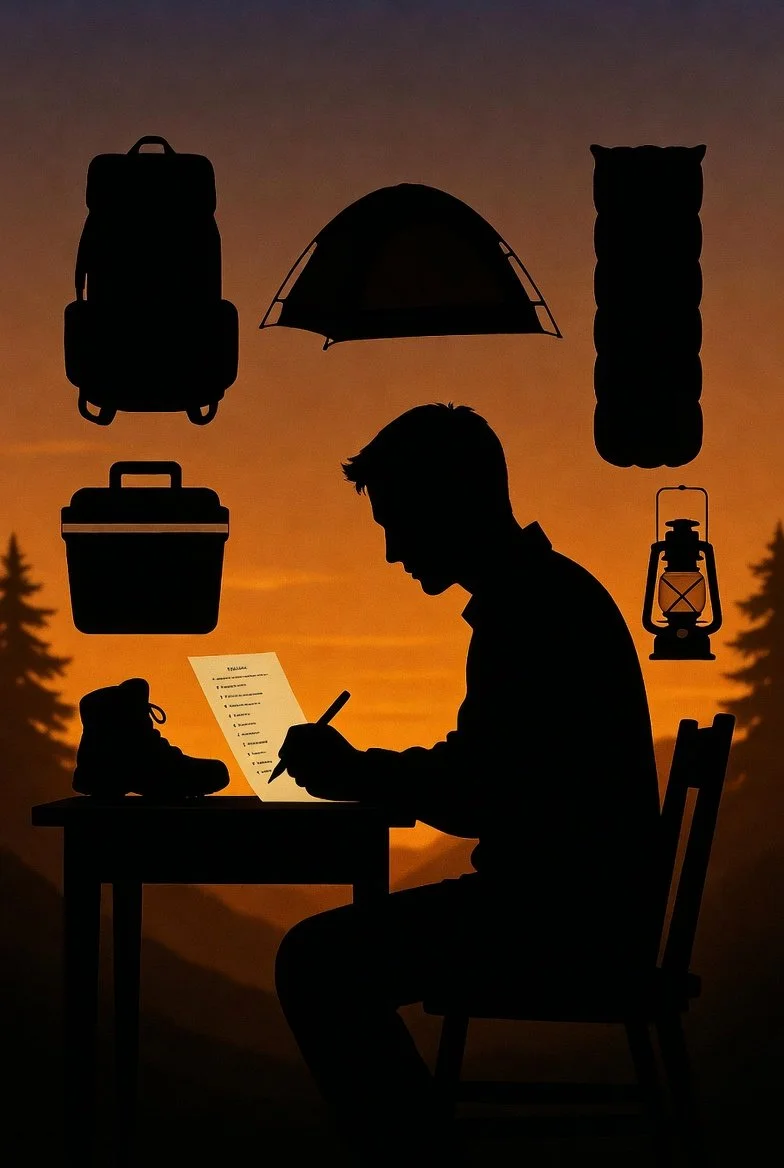
The hardest part was the packing list.
Five days. Seven people. Every meal, every task, every “what if” that could possibly go wrong. And I was supposed to remember all of it with a brain that now treats details like sand slipping through my fingers.

The Unsaid Goodbye
Saying Goodbye When They’ve Already Left
There are goodbyes that feel mutual, even if painful. Then there are the ones you never wanted to say — the ones forced upon you by someone you poured years of love, sacrifice, and loyalty into.
I’ve been wrestling with a couple of those goodbyes for a long time now. It’s the kind where no words feel right. Every draft feels too long, too short, too angry, too sad, or too numb. Because how do you properly acknowledge someone’s clear desire for you to leave them alone after you spent so many years trying to be the best version of yourself for them?
Her Love Stays
Today we celebrate 13 years of marriage.
Thirteen years ago we stood before God, family, friends, and community and promised to love each other in good times and in bad, in sickness and in health. We had no idea how literally those words would be tested.
Happy 250 America
The Fourth of July can feel like a minefield when you’re living with a brain injury. What used to be a fun day of cookouts, family, and fireworks can quickly turn into overwhelming noise, flashing lights, social pressure, and crushing fatigue. The combination of loud sounds, bright bursts of light, heat, and large groups can trigger headaches, dizziness, sensory overload, confusion, and emotional exhaustion.

The Best Nightmare
I woke up this morning with a pounding headache, my ears ringing loudly, and my vision blurred with strange spots floating across my sight. I read in my notes that those symptoms are all normal for this new life now. I remembered having them the night before too. It was the kind of morning I’ve grown used to since my brain injury. But something was different.
Pulling Out My Brain
You know how sometimes people say they want to “pull out their hair”? For brain injury recovery I have felt that so strongly that I want to pull my hair out so strongly it pulls my brain out with it too.
I sat in a brain injury support group recently and listened as someone new to all of this poured out their pain. Their words came out in broken pieces — the exhaustion, the confusion, the rage at their own brain, the way everything that used to be simple now felt impossible. They were raw and honest in a way that only someone still in the thick of it can be. Some sentences didn’t make sense. Words were out of place.
Banana Split Cake
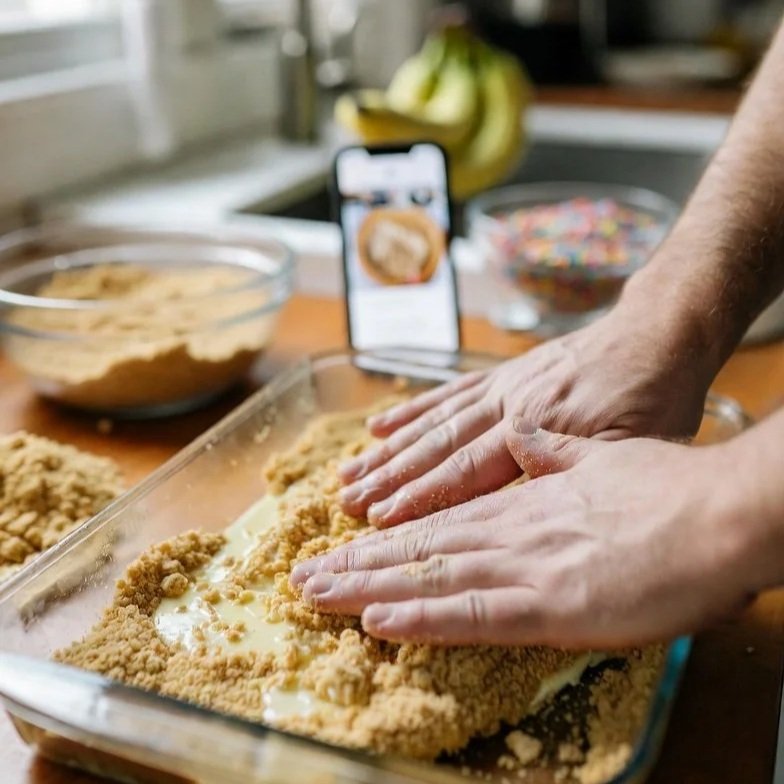
Tonight as the family went to an event my wife leaned in close and whispered, “Do you think you could make that dessert for her birthday?” Her eyes were hopeful, a little nervous, like she wasn’t sure if she should even ask.
Without hesitation, I smiled and said, “Yes. Absolutely.”
In that moment, I felt eager. Happy. Capable. Like the old me—the version that could jump into the kitchen without a second thought. I pulled out my phone to look at the name of the recipe my wife had asked me to shop for ingredients for again. Banana split cake. I searched for a recipe. The website opened with a warm, personal narrative from the author explaining why this dessert held such a special place in her heart. It was charming, full of memories and opinions about summer parties, family traditions, and the perfect balance of flavors.

Hosting Dinner
Even Strangers Come When Invited
Tonight our family hosted four college missionaries who are spending their summer traveling from parish to parish, leading faith programs for kids and teens. They arrived tired from a long day, but the moment they stepped inside, the house felt different—lighter, fuller.
I Cried Successfully Today
This morning I woke up and did what I always do now: I reread the notes about my life. The big reminders. The checklist of what I need to know to be successful each day. I studied them like they were instructions for a job I used to know how to do without thinking. Because they are. Even with them, they still often are not enough to be ‘successful’ each day.
The Empty Chairs
This weekend my house was full of the best kind of noise—kids running through the yard, overlapping conversations, the smell of food cooking, and the easy laughter that only happens when people who love each other decide to actually show up. Some of my siblings and their children were here, building new memories in real time. We hugged, we teased, we took photos, we made plans for next time. It felt like family is supposed to feel.
But the chairs that stayed empty still hurt.
Not at the Table
I walked into the house and the sound hit me first. Not just noise—life. Kids shrieking with laughter as they chased each other around the furniture, cousins tumbling over one another on the rug, a couple of my siblings and their spouses talking over each other in that warm, overlapping way families do when they’ve known each other forever. My own children were right in the middle of it, faces lit up, completely at home in the chaos.
Her Confusion
Losing a family member who is still alive is its own kind of grief. There’s no final conversation, no clear moment of goodbye — just the slow, painful realization that someone I loved has decided I no longer have a place in her life.
For a long time, I accepted her explanation that my words were the problem. They were too long. Too confusing. A messy sandwich of apology and hurt that was hard to follow.
But I don’t believe that anymore.
Passing the Ball
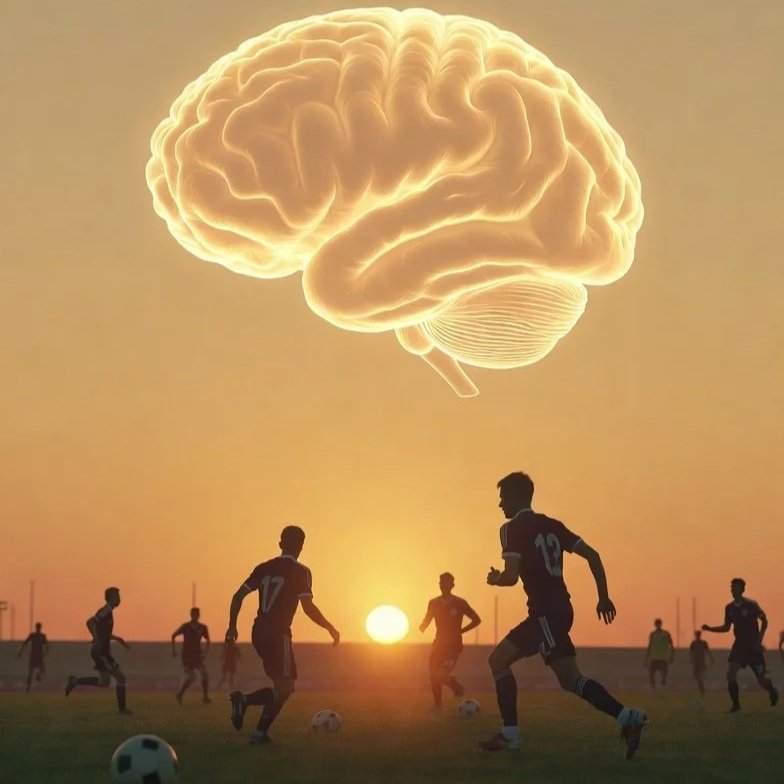
Right now, the FIFA World Cup 2026 is unfolding across the United States, Canada, and Mexico. It’s the biggest tournament in history — 48 teams, 104 matches, and nonstop energy from June 11 to July 19. For many, it’s pure excitement and a welcome escape.
For those recovering from a brain injury, the World Cup can be both helpful and surprisingly difficult.
Brain’s Painful Confusion
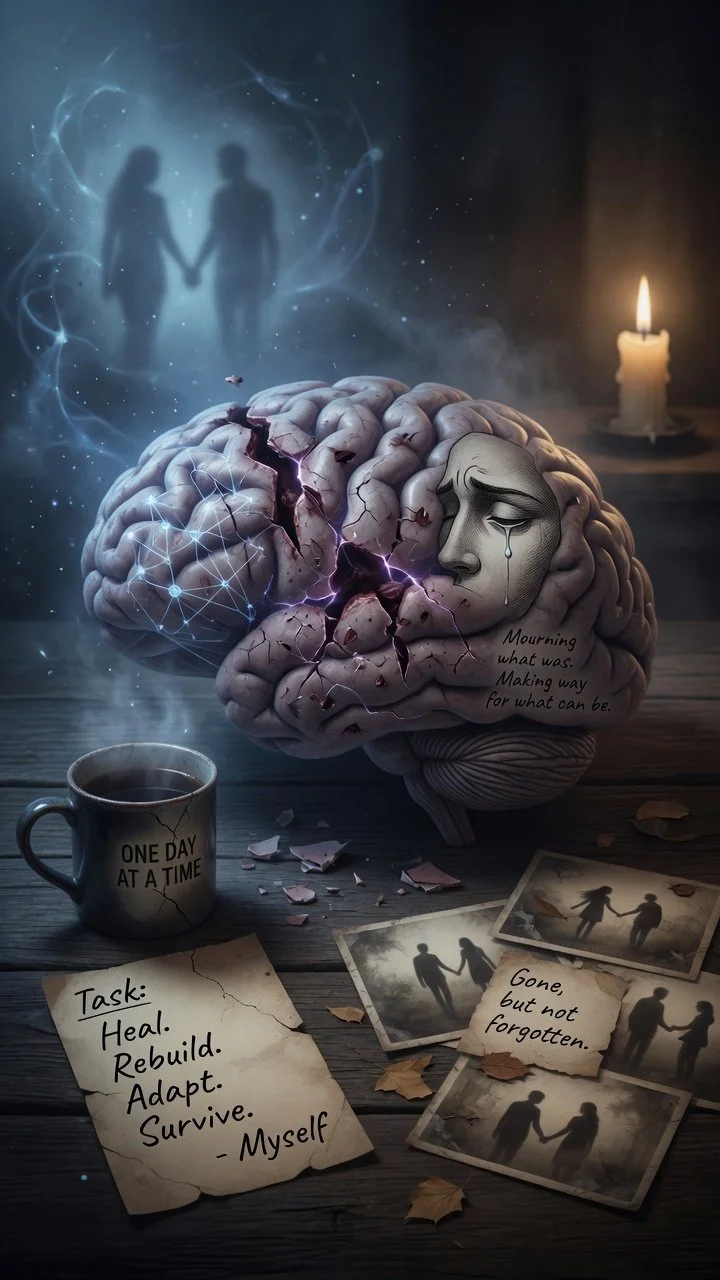
Living with a brain injury is a strange kind of confusion. The very organ that is damaged is the one tasked with trying to understand what has happened to it. It’s like trying to solve a puzzle with missing pieces while the puzzle itself keeps changing shape. Some days my thoughts feel clear and sharp. Other days they’re foggy, fragmented, or simply gone. I have to relearn how to process information, regulate emotions, and even recognize my own limitations — all while those limitations make the process harder.
There is a unique pain in this loop. The injured brain is constantly working to understand its own injury, yet the injury itself prevents full understanding. It’s exhausting. It’s disorienting. And it never fully stops.

Love’s Closed Door
After fourteen years of knowing each other, my sister has made her position unmistakably clear: she does not want me to know her, she has no desire to know me, and she wants me out of her life. She has reinforced this boundary repeatedly. By contrast, in just one year she went from meeting a stranger to agreeing to marry him. Yet after everything we shared over those fourteen years, she continues to insist that I leave her alone. Still, she speaks of wanting a picture-perfect wedding day surrounded by a “loving family.” Yet by her repeated choice to cut us out of her life, she actively prevents and makes impossible the very love and communion she says she desires.

Presence Over Distance
Yesterday, I sat across from old friends I hadn’t seen in years. What could have been a simple catch-up turned into something much deeper. In just a short time together, after a distance from both sides for the previous years, they poured out more genuine compassion, care, concern, prayers, and love than I’ve felt even from family in a very long time.
A Wedding to ‘Remember’
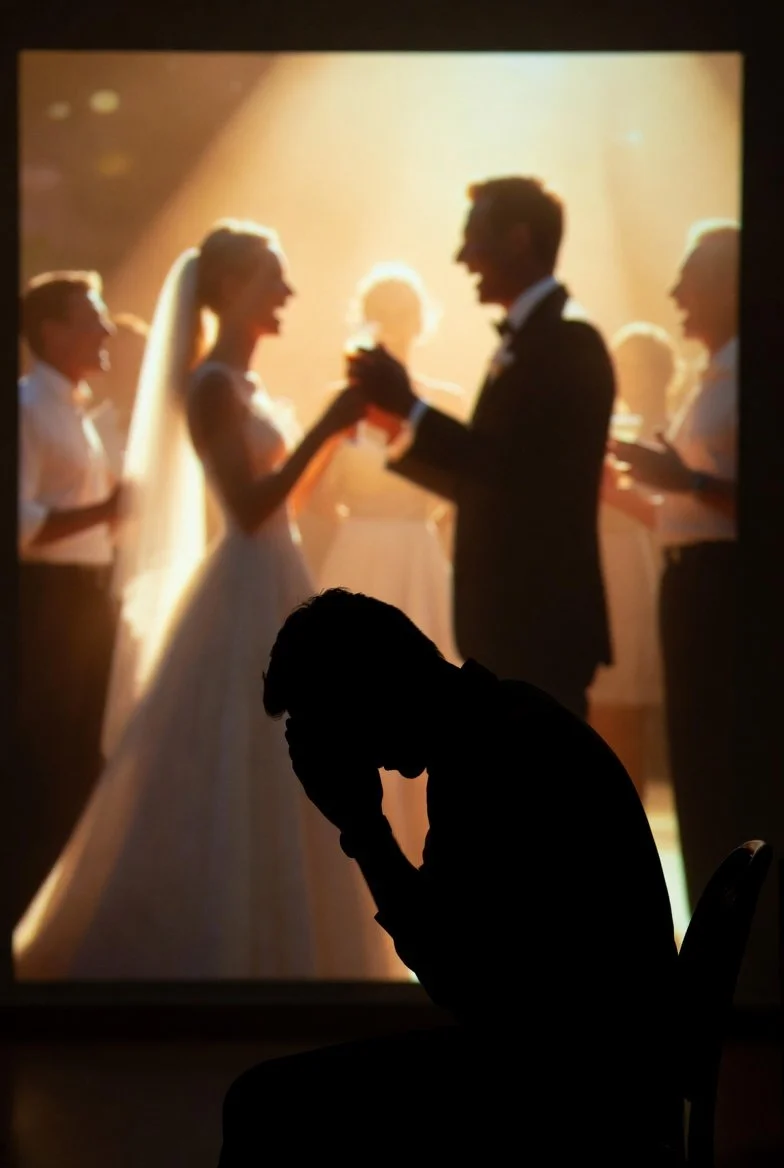
It’s the morning after my sister’s wedding, and everyone around me is glowing. They’re laughing, sharing stories, replaying favorite moments from the night before. “Remember when…?” “Wasn’t that perfect?” The joy is palpable.
I smile and nod along. Inside, I feel hollow.