
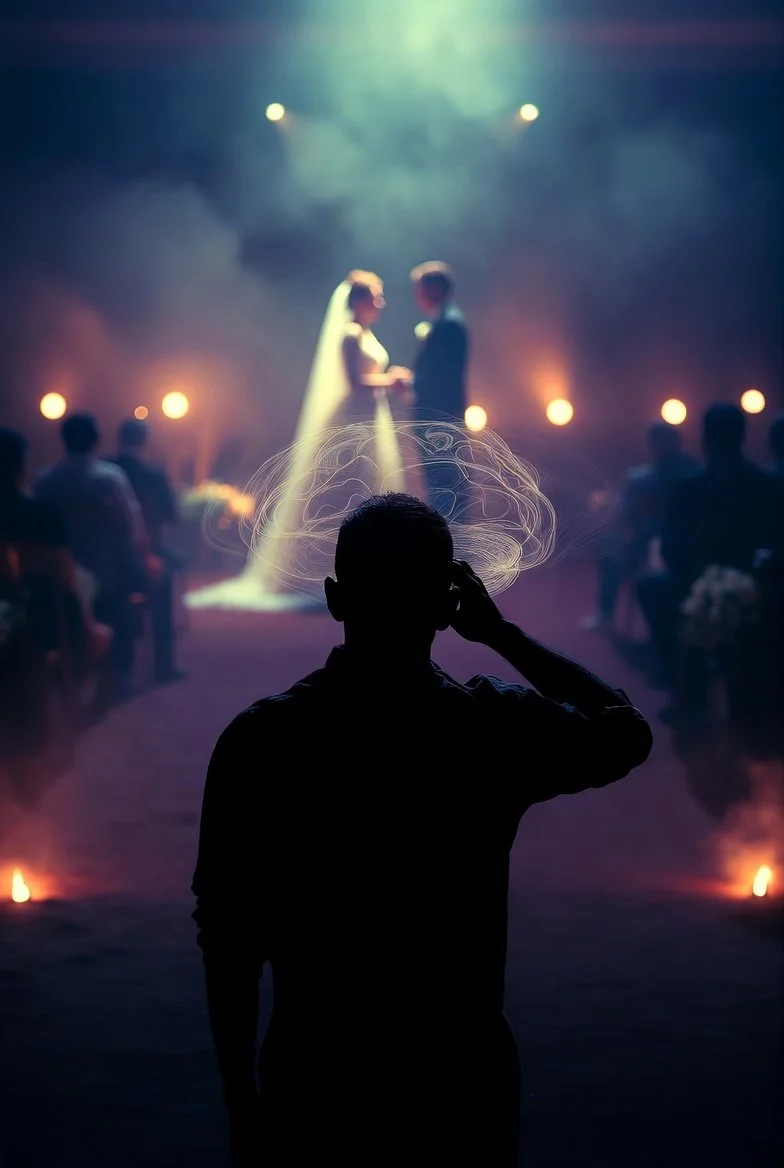
Wedding Day Through Brain Fog
Tonight I watched my younger sister walk down the aisle. It should have been one of those pure, joyful family milestones — the kind I used to take for granted. Instead, it was a carefully orchestrated mission that required weeks of planning, mountains of rest, and a quiet determination to show up for her while protecting my injured brain.
Brain injuries don’t come with instruction manuals, and they certainly don’t pause for weddings.

Wedding Morning Anxiety
The sun is barely up, and my heart is already racing.
Today is my younger sister’s wedding day. On paper, it should be pure excitement. In reality, it’s laced with a familiar anxiety that only those living with a brain injury truly understand.

TGIF
Thank God it’s Friday! Every Friday night, as part of Night Prayer (Compline) in the Christian breviary, the Church prays Psalm 88 — one of the darkest, most honest psalms in the Bible. It doesn’t end with triumphant resolution. It simply ends in darkness. And somehow, that makes it one of the most comforting prayers for those of us living with traumatic brain injury.
Here is the psalm that has become painfully familiar:
Lord my God, I call for help by day, I cry at night before you.
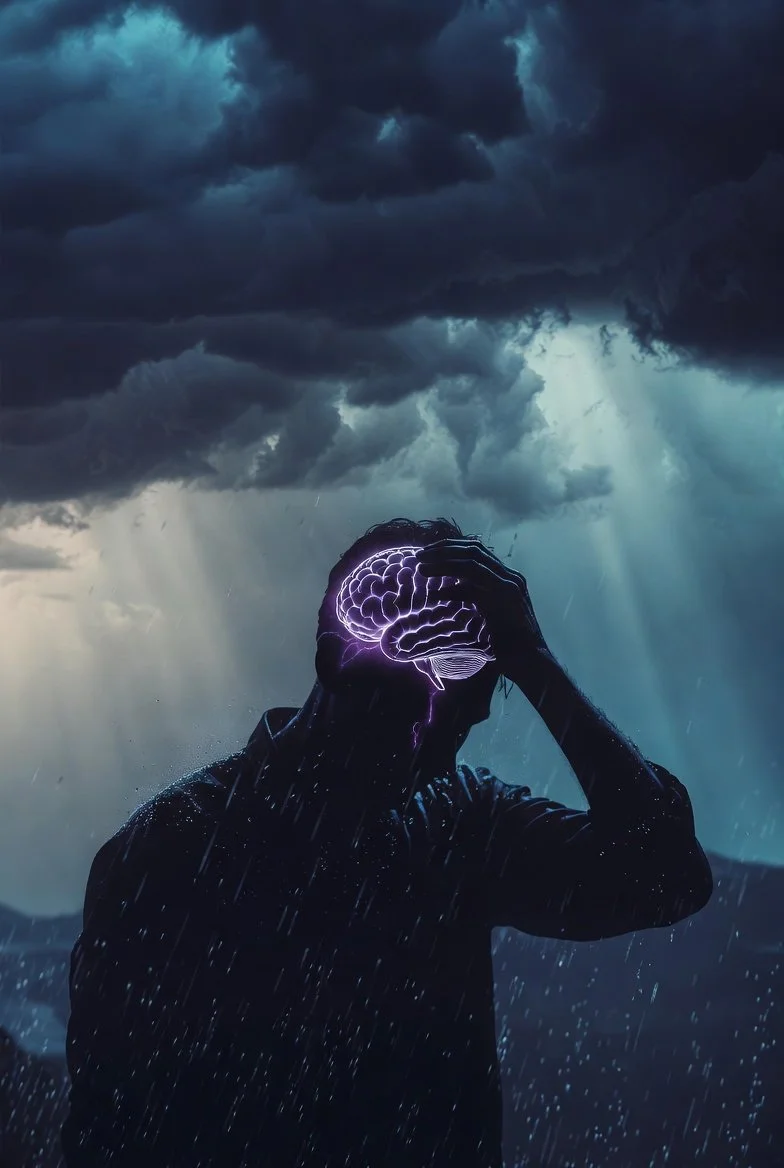
Rain, Rain, Go Away
You can feel it coming long before the first raindrop hits the ground. The sky turns heavy, the air feels thick, and your body begins to protest. For those of us with traumatic brain injury (TBI), approaching storm systems and rain fronts are more than just weather — they’re reliable triggers for symptom flares.
Headaches intensify. Fatigue becomes crushing. Dizziness spins harder. Brain fog thickens. Old aches flare up. Even mood and sleep suffer. Many of us now track barometric pressure forecasts as carefully as our daily symptoms.
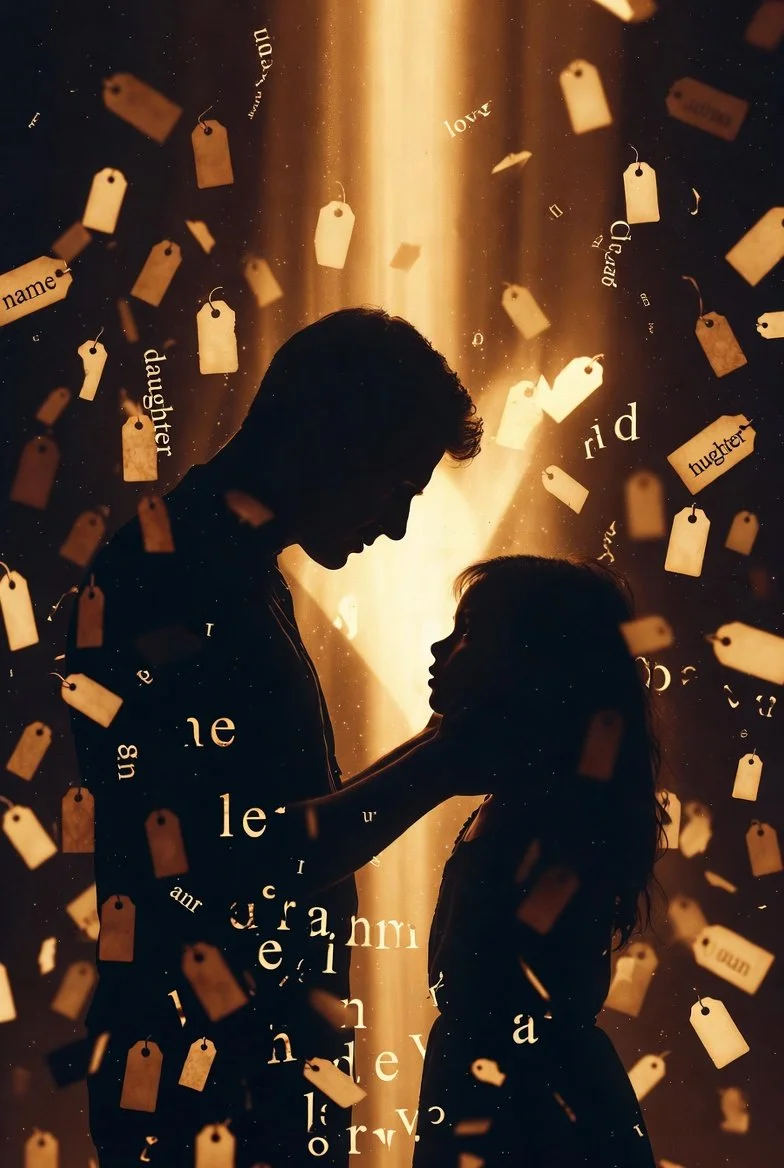
What is Your Name?
Last night, my wife showed me a video that came up in her feed of Vice President JD Vance appearing on The View. Politics aside, I was impressed by a few things. Despite everyone fighting to get their words in and constantly interrupting each other, he remained remarkably patient and truly listened to the others. It reminded me how, with a brain injury, the chaos of overlapping voices and group conversations often makes it hard for me to participate fully. I still try — mostly by listening — but it would be a gift if our culture shifted toward more mutual respect instead of constant interruption. Everyone deserves a chance to be heard, not just the loudest.
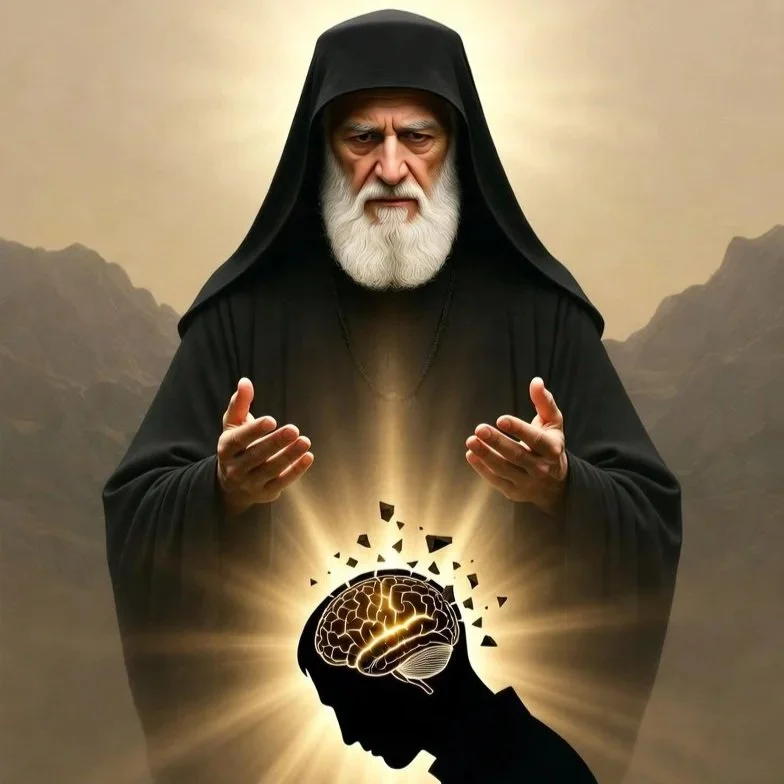
Hidden Monastic Hope
Living with a traumatic brain injury often feels like a hidden, relentless cross. The fatigue, the dizziness, the cognitive struggles, the way it reshapes your role as a spouse, parent, and provider — it can all feel isolating and unending. In those dark moments, many of us turn to the saints who understood suffering. For me, St. Charbel Makhlouf has become a powerful source of comfort and hope.
Selling It All
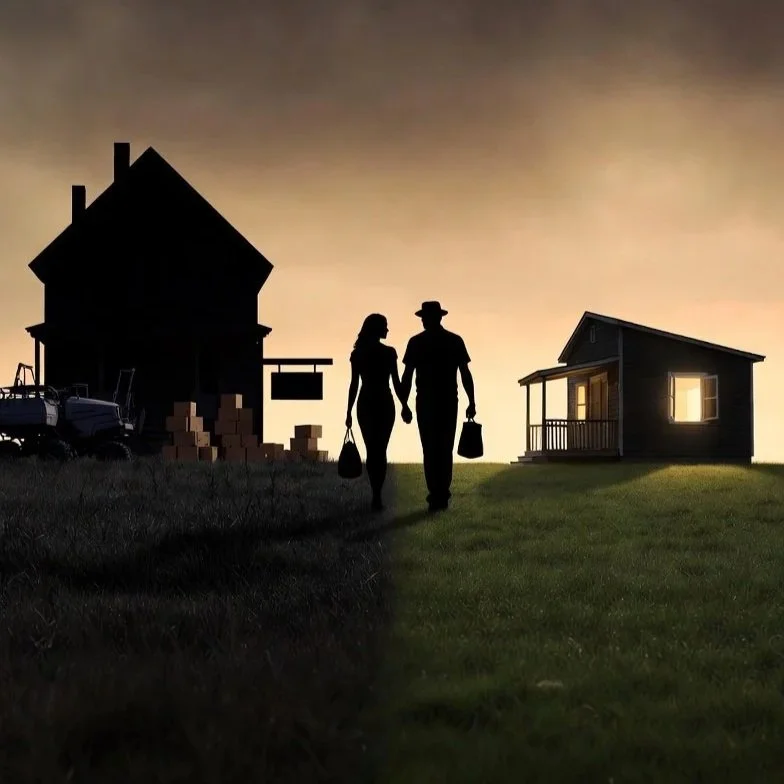
My wife looked at me the other day and said the words I’ve been both dreading and expecting: “We need to sell everything and start over. Build a life that’s actually sustainable with a disabled husband.”
She’s not wrong. And that truth cuts deep. We can’t keep living a life that is no longer ours.
Our Children’s Grief
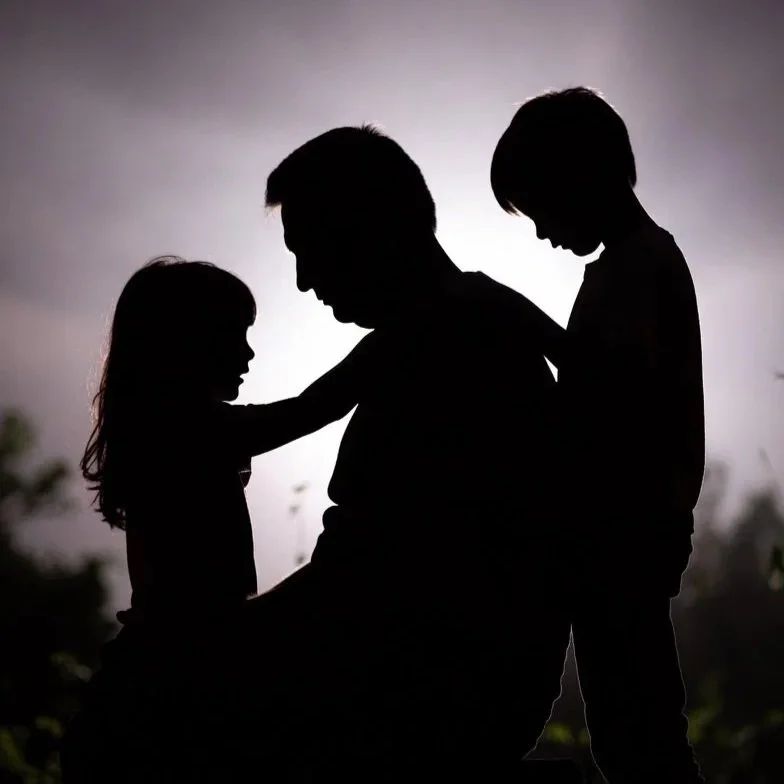
Three years. That’s how long this injury has reshaped not just my life, but the lives of our children in ways I never imagined and still struggle to accept. They watched a brain injury steal their father and their childhood in the course of an evening three years ago that has been unpacked each day since.
I see it in their eyes — the confusion, the sadness, the careful way they now navigate interactions with me. The dad they once had — the one who remembered every promise, played endless games, carried them on his shoulders, and led with steady confidence — has been replaced by someone who can’t remember what we did yesterday or how to do the most basic things of cooking or simply listening at times for them.
Manure, Sweat, and Surrender
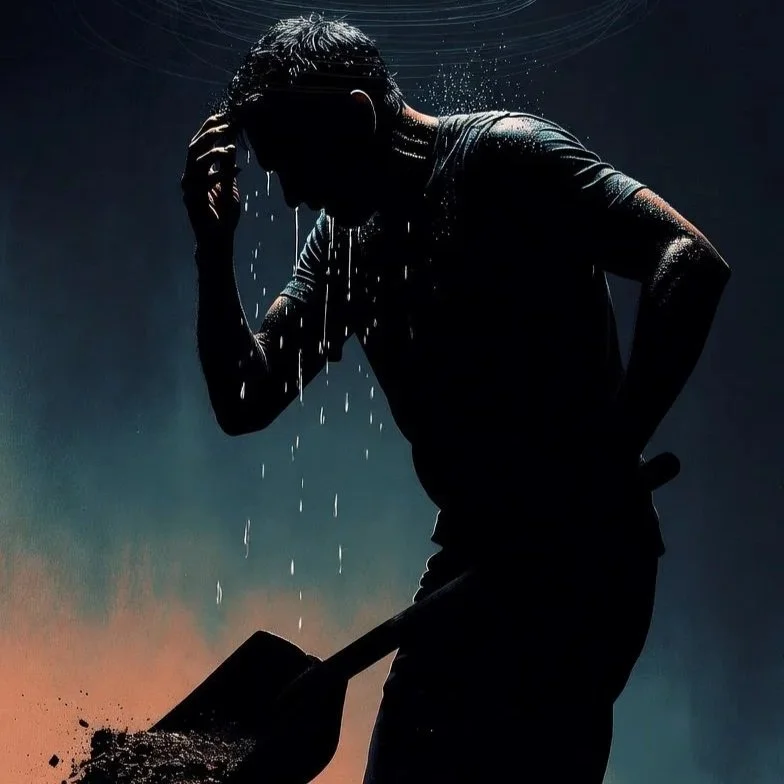
Today I stepped outside with every intention of being useful. Just a simple chore—shoveling manure on our small farm. Something I used to be able to do for hours without thinking twice. Five minutes. That’s all it took today.
My arms burned. My legs turned to lead. The world started spinning. A pounding headache slammed into my skull. Sweat poured down my forehead, stinging my eyes, dripping off my face, soaking my shirt until it clung to my back like a second skin. And it was only 75 degrees outside. Not even hot by most standards.
I had to stop. Had to sit down, head between my knees, waiting for the dizziness to pass. Once again, my body had issued a hard stop I never asked for.
Sternly Misunderstood
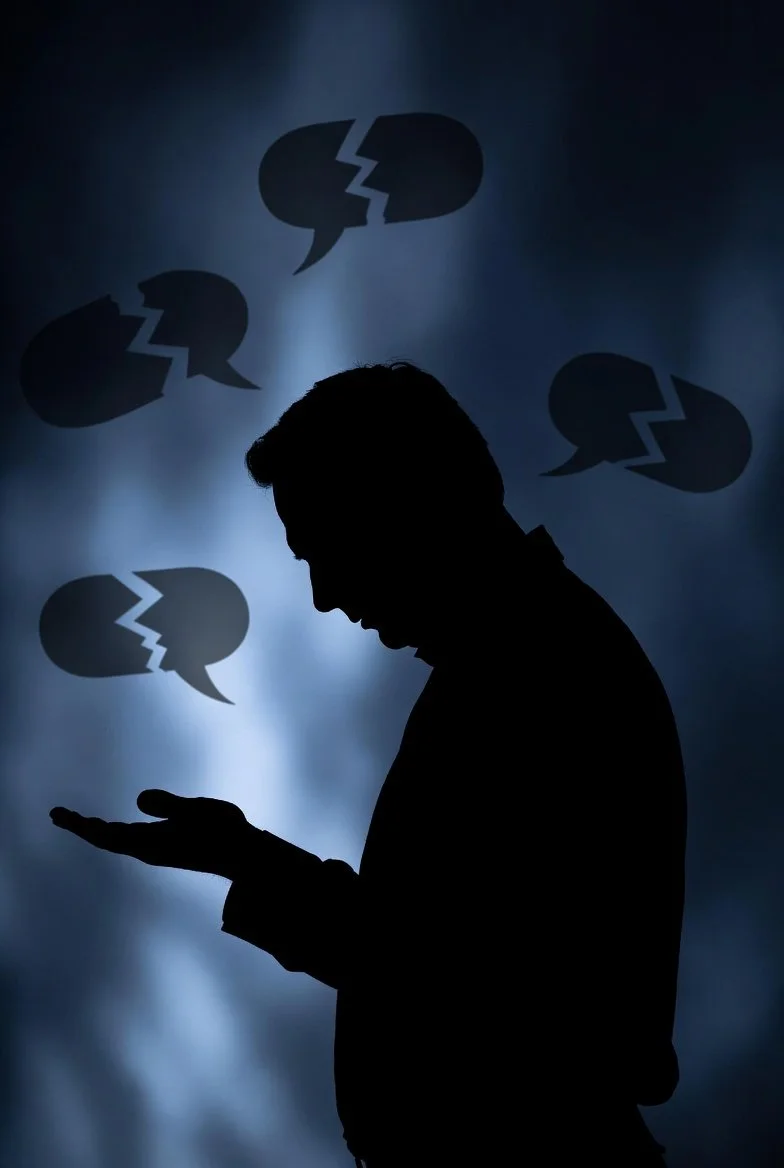
Living with a traumatic brain injury (TBI) changes everything. The headaches, the fatigue, the fog that clouds your thinking—these are the visible (or at least documented) struggles. But one of the deepest, most devastating pains often stays hidden: the crushing weight of being misunderstood by the people who matter most.
I never expected that the hardest part of recovery wouldn’t be the physical symptoms, but the way my words now land like grenades in conversations with those I love. What used to flow naturally—explaining my feelings, sharing my thoughts, resolving a disagreement—now feels like navigating a minefield with a map I can barely read.

Praying They Never Emulate Her
I once believed the relationship I had with my sister was strong enough to withstand anything life could throw at us. We shared years of memories, support through hard seasons, and what I thought was a foundation built on love and loyalty. I never imagined a day would come when I would look at her choices and pray that my own children would never grow up to emulate the person she has become.
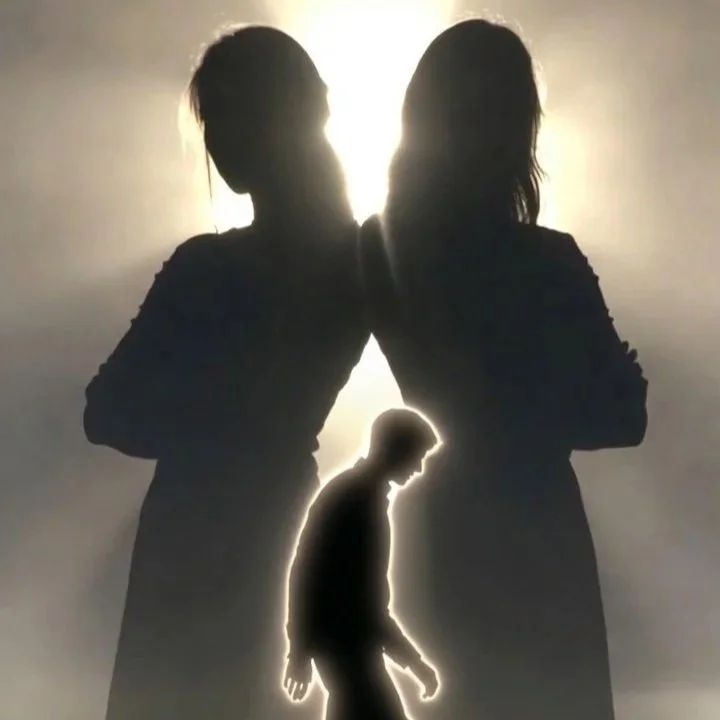
Hope, Abandoned.
Brain injury recovery strips away many illusions. One of the hardest is the belief that family—especially close family—will always choose you, even when life gets messy and you change in ways no one saw coming. I had clung to the persistent hope that the people who walked away - especially family - might one day come back. That they’ll change their minds, see your progress, and choose reconnection. Today, it’s clear I’ve been avoiding laying that hope to rest for far too long. If anyone else is early in their recovery, and is still holding onto people who have already walked away, learn from my mistake and don't take as long as I have to accept their rejection and finally abandon that false hope of their return.
Headaches Are Never Convenient
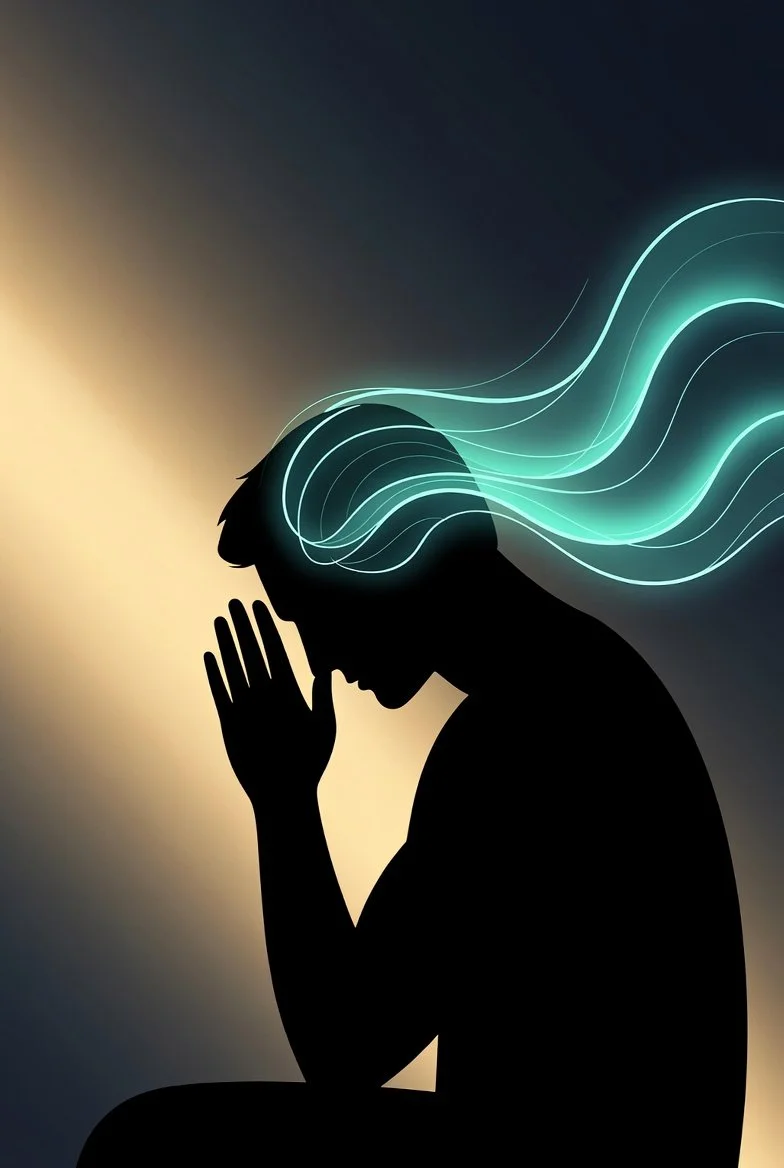
Recovery from a brain injury is rarely linear. There are good days that rebuild your confidence and harder ones that test every ounce of resilience you have. One of the hardest lessons I learned today came during what felt like a major setback: a headache that started small and escalated dramatically at the absolute worst time.
I’m years into my recovery from a traumatic brain injury. I have slowly been making steady gains—rebuilding cognitive stamina, managing light sensitivity, and slowly returning to meaningful activities. I felt proud of how far I’d come. This afternoon, I had an important meeting I didn’t want to reschedule. Then the familiar tightness began behind my eyes.
I’m Not Playing!
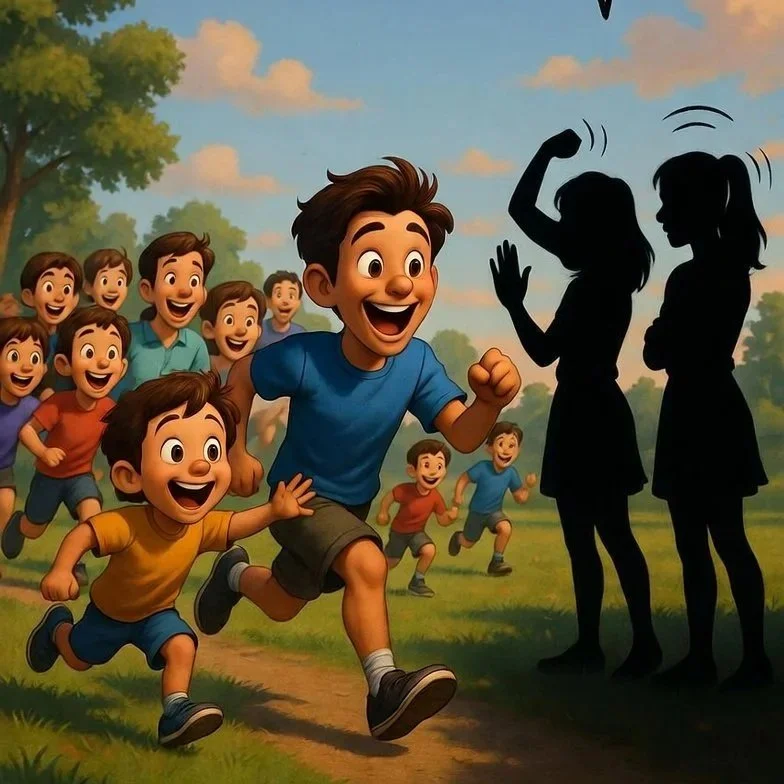
“Do you want to play ‘poke’?”
My four-year-old asked as he looked up at his sixteen-year-old cousin with wide, hopeful eyes. The cousin smiled and said eagerly yes. The rules were simple at first: one poke and you’re it. A made up game, but yet familiar - Tag, but with poking. Easy enough. “There’s only one rule” he assured his older cousin - “if you get poked - you become it and have to poke someone else”.
Within minutes, the rules multiplied. You couldn’t block escape paths. You couldn’t grab arms. If the poke was too hard, it didn’t count. New restrictions appeared with every round. The game became chaotic, unpredictable, and increasingly difficult to follow. Yet instead of getting frustrated, the older cousin kept playing. Joyfully playing even. When after a while the four-year-old got tired of his made up game of ‘poke’ and switched gears and asked instead, “Would you like to play ‘pinch’?” — the answer from his much older cousin was still a resounding “yes” with a chuckle.
Finding Hope in Daily Acceptance
Reflections on a Brain Injury Survivor’s Wisdom: Brason Lee
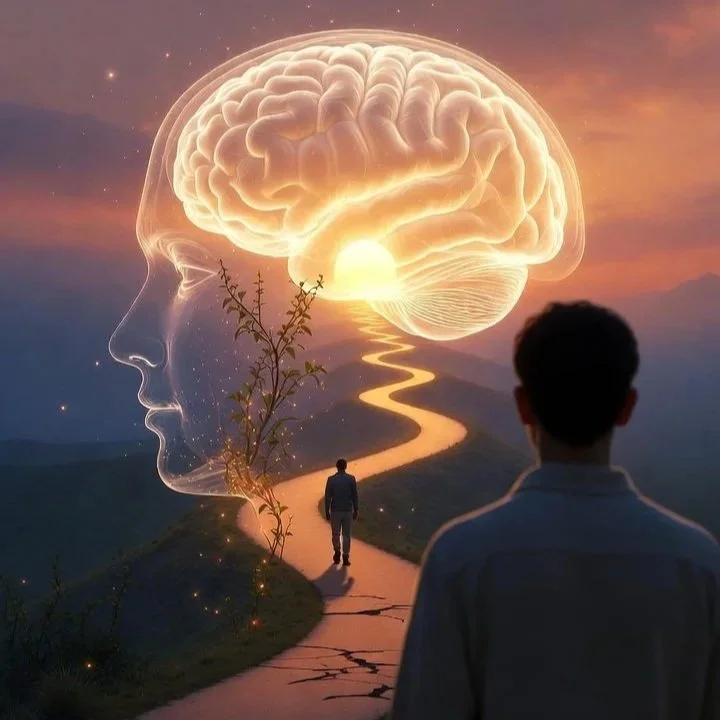
I came across a powerful personal reflection about a year ago in the Journal of Adolescent Health titled "Reflections of a Pediatric Survivor of Traumatic Brain Injury: 42 Years Later." This short but profound piece, written from the perspective of someone looking back on their life after a severe TBI at age 18, resonated deeply with me. It’s not a clinical study or dry medical advice—it’s raw, honest guidance from someone who has walked this path for decades. Reading it felt like receiving a letter from a wiser future self. It became a letter I printed and read each day to remind myself and motivate myself that it will get ok. 42 years of wisdom while I am just a couple of years into mine.
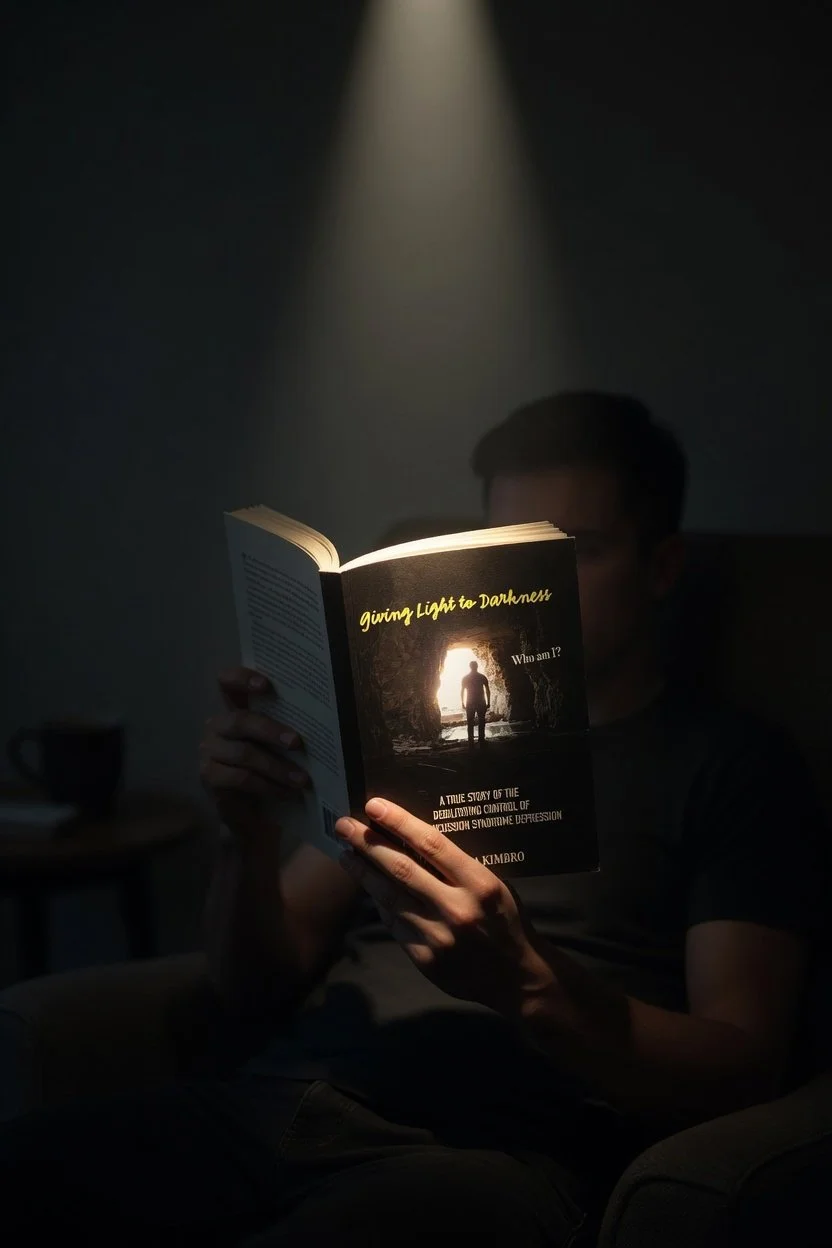
Seth Kimbro Saved My Life
How Seth’s legacy in “Giving Light to Darkness” by Laura Kimbro Saved My Life
I’ve written before about the darkness that traumatic brain injury can bring — the memory loss, the isolation, the crushing weight that makes suicide feel like the only way out. In my lowest moments, when the “Who Is This?” type of phone calls and encounters with others and the disappearing friendships piled on top of constant uncertainty, I came dangerously close to believing the lie that my family would be better off without me.
And it quite literally helped save my life.
Suicide After Concussion
When TBI Makes Suicide Feel Like the Only Option – And Why You Still Matter
I’ve met too many survivors of TBI that I met too late to still know them while they were alive. I met others that then didn’t show up the next meeting because they had lost their battle. They had encountered this living change surviving their injury and battling each day and found themselves part of an unfortunate statistic. I’ll share some of those statistics below. But they aren’t a statistic. Each one of them is a person. A person who loved and was and is loved. A person with a story. An incredible story. Even after their deaths, I learn from their stories, from their loved ones, from the legacies, and yes from their pain. The pain of living with a traumatic brain injury (TBI) can feel like fighting a war inside your own head — one that no one else can fully see and even the patient can’t fully see or understand themselves at times. Some days the battle gets so heavy that ending it all starts to feel like the only way to find peace. I know this darkness. Many of us in the brain injury community do. In fact, almost every survivor I have met shares the exact sentiment in their early months of wishing they could just reach in their head and pull their own brain out. But I also know there is light, even though it is not always visible each day. It is there, even when not seen in the moment.
This post is not about glamorizing pain or pretending everything gets magically better. It’s about naming the real reasons suicide can feel rational after TBI — for both survivors and their caregivers — and then honestly laying out why staying here is still worth it. Because it is. There is hope, and you are not alone - many of us have felt those exact feelings, the exact darkness, the exact pain - even though your story is incredibly unique and deserving of being heard.
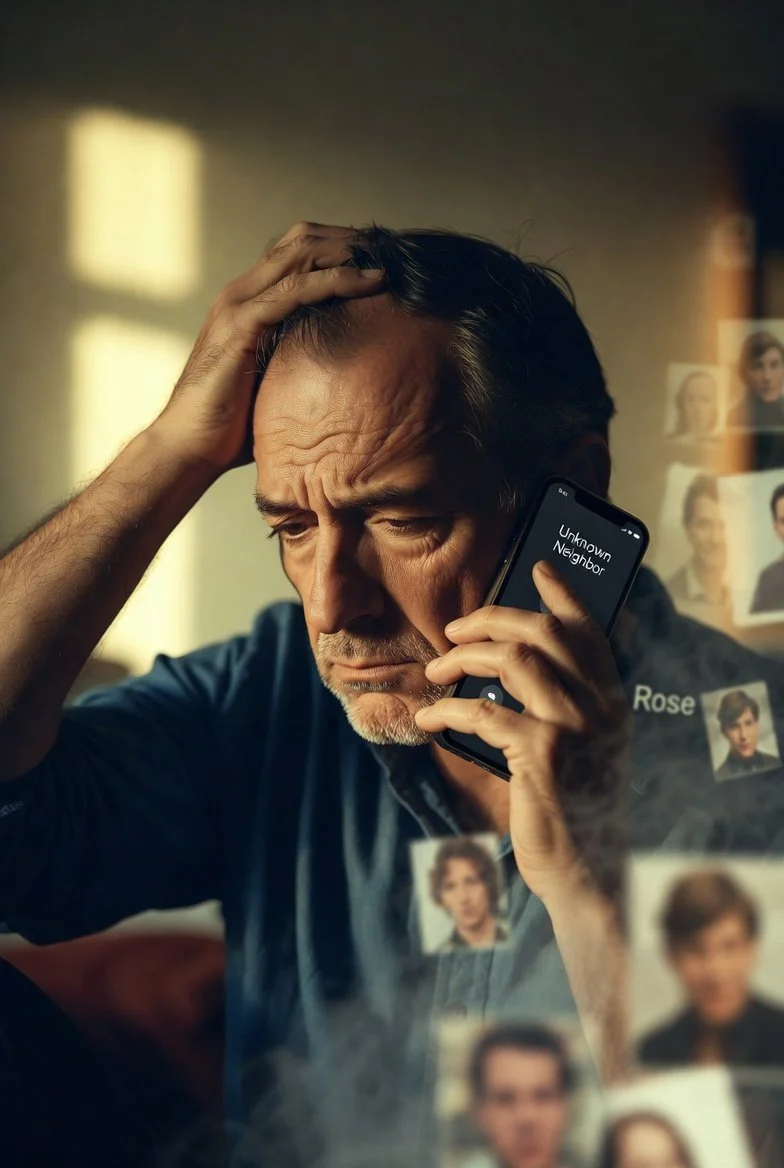
Who Is This?
A few days ago, our phone lit up with a call from a number I didn’t recognize. I answered, as I often do now in recovery—trying to stay connected to a world that sometimes feels half-erased.
“Hi, this is your neighbor Jen,” the voice said warmly. “I’m wondering if you’ve seen Rose lately?”
I froze. Jen? Rose? The names echoed in the empty spaces where memories should be. Was Rose a person? A dog? A neighbor’s kid? My own relative? I had no idea. I also had no clear picture of who this “neighbor” Jen was. Did they move in down the road in the last three years? I don’t have many neighbors change in the country life here but I don’t know a lot now. The street, the faces, the shared history—large chunks of it are simply gone.
When Siblings Don’t Fight
There’s a particular kind of grief that comes with losing someone from your life who is still alive. It’s the quiet pain of watching a relationship that once felt effortless and full of warmth slowly fade into silence. For me, one of those losses is with my sister. I loved her deeply, and I still do. Yet for over three years now, we’ve had almost no real relationship. I thought she was coming this weekend with a plan for the future and instead it was reinforced that I scare her and there is no hope of us having a relationship as brother and sister again. Even a simple snap together would be too much and overwhelming. I had been holding out hope for the relationship to finally move forward once she would one day see that I’m just wanting to start creating positive memories together again and build something real and close once more, but she let me know this weekend that she can’t let her guard down to ever be with me in person or virtually so we’ll never be able to have that. She can’t let her guard down because she doesn’t like that I talk to her about how poorly she treated me when trying to reconcile with her… the poor treatment of me. Face. Palm. Yet, I offered her the antidote of creating positive memories together and stopping mistreating and its rejected as impossible because I scare her with no actionable reasons or ways for me to change that. The absence hurts every single day—not always in dramatic waves, but in the small reminders: a story I want to tell her, a memory that surfaces, or the empty space where our easy conversations used to live.
What makes this especially difficult is knowing she is hurting too, even if she isn’t fully ready to recognize or name it. I can see the fear and anxiety behind her withdrawal. I saw that in her eyes this weekend.
My 3 Year Anniversary
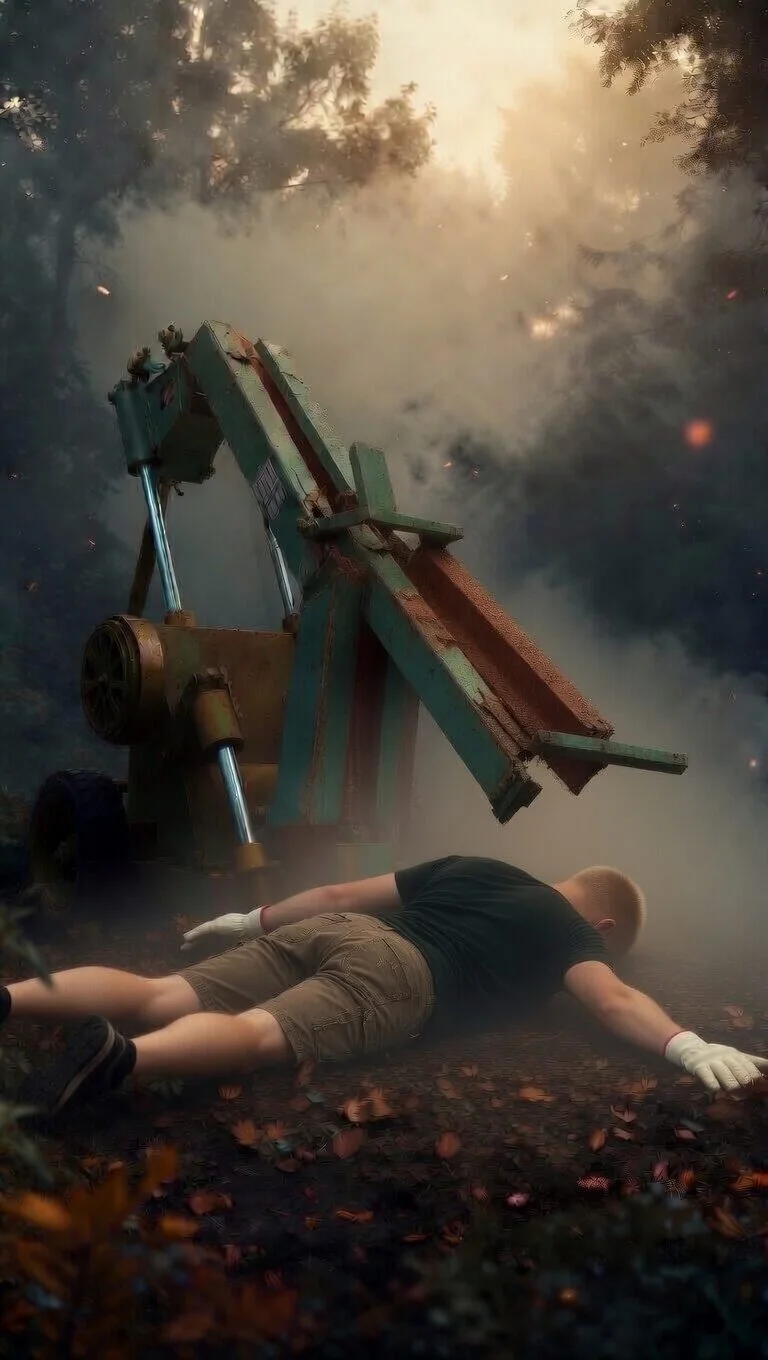
Today marks exactly three years since a wood splitter fell on my head and knocked me unconscious. Three years since the moment everything changed. Three years since I was, in a very real sense, reborn into a life I never asked for.
In the beginning, they told me I would be fine. “Just a concussion,” the ER doctor said. “You’ll bounce back quickly.” I believed them. My family believed them. I rested, followed instructions, and waited for my old self to return. In the days that followed I deteriorated, lost the ability to hold a memory longer than 15 minutes, became a lump on the couch sleeping 20 hours a day, headaches pounding, unable to think, process, watch a screen, forming words one syllable at a time, not able to think of what word was coming next or what word I had just said. After a day or two of almost appearing normal, I had quickly become unrecognizable, like a zombie.